- English
- French
- German
- Portuguese
- Spanish
- Russian
- Japanese
- Korean
- Arabic
- Greek
- German
- Turkish
- Italian
- Danish
- Romanian
- Indonesian
- Czech
- Afrikaans
- Swedish
- Polish
- Basque
- Catalan
- Esperanto
- Hindi
- Lao
- Albanian
- Amharic
- Armenian
- Azerbaijani
- Belarusian
- Bengali
- Bosnian
- Bulgarian
- Cebuano
- Chichewa
- Corsican
- Croatian
- Dutch
- Estonian
- Filipino
- Finnish
- Frisian
- Galician
- Georgian
- Gujarati
- Haitian
- Hausa
- Hawaiian
- Hebrew
- Hmong
- Hungarian
- Icelandic
- Igbo
- Javanese
- Kannada
- Kazakh
- Khmer
- Kurdish
- Kyrgyz
- Latin
- Latvian
- Lithuanian
- Luxembou..
- Macedonian
- Malagasy
- Malay
- Malayalam
- Maltese
- Maori
- Marathi
- Mongolian
- Burmese
- Nepali
- Norwegian
- Pashto
- Persian
- Punjabi
- Serbian
- Sesotho
- Sinhala
- Slovak
- Slovenian
- Somali
- Samoan
- Scots Gaelic
- Shona
- Sindhi
- Sundanese
- Swahili
- Tajik
- Tamil
- Telugu
- Thai
- Ukrainian
- Urdu
- Uzbek
- Vietnamese
- Welsh
- Xhosa
- Yiddish
- Yoruba
- Zulu
What are the key features of p-series fiber laser cutting machines?
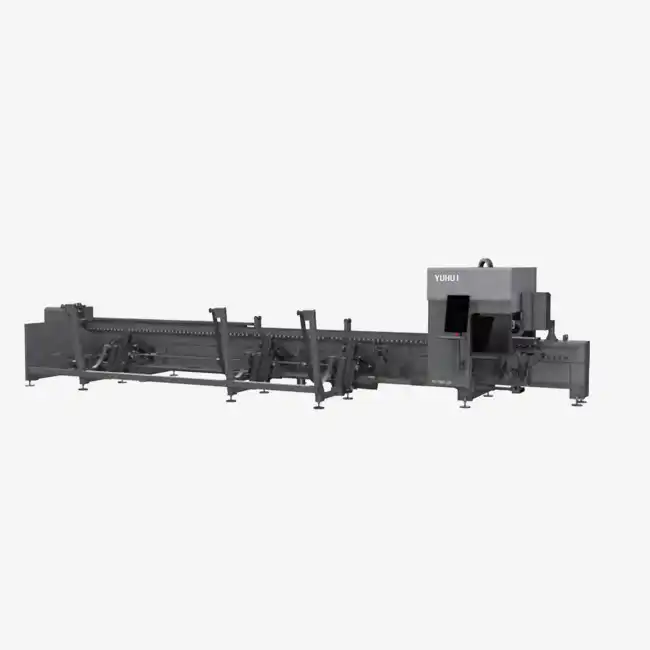
It's important to know what makes professional-grade fiber laser cuts different when looking at current metalworking tools. Precision-engineered solutions combining industrial-strength construction, intelligent automation, and operational efficiency are what the P-Series Fiber Laser Cutting Machines offer makers in the aircraft, automobile, sheet metal fabrication, and hardware production sectors. These sealed cutting systems have military-grade optical parts, automatic material handling, and power setups that can be scaled from 3kW to 80kW. This means that they can meet a wide range of production needs while keeping cutting quality high and costs low.
General Overview of Fiber Laser Cutting Technology
Modern fiber laser systems have changed the way metal is worked on by replacing old CO₂ systems with ones that work better and require less upkeep. Fiber systems are becoming more popular among producers because they allow for faster cutting speeds, lower energy use, and a wider range of materials to be used.
The YH-3015P to YH-8025P line shows how technology has changed over time. These machines can work with different metals, like copper, brass, aluminum, stainless steel, carbon steel, and stainless steel. Depending on the laser power setting, they can handle materials as thin as 0.1 mm or as thick as 50 mm plates. The enclosed design solves several operating problems at once: it keeps workers safe from harmful laser radiation, keeps noise levels within normal limits, and collects smoke and particulate emissions to make shops cleaner.
Working Principle and Industrial Applications
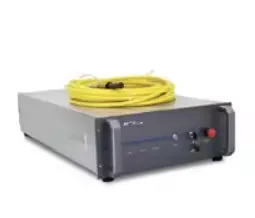
Fiber laser cutting uses focused light energy that is sent to a precise cutting head through flexible fiber optic wires. Focused beam melts things along predetermined lines, and helper gas blows away the molten metal, leaving clean edges with little thermal warping. The process makes kerf widths as thin as 0.1 mm, which lets you make complex shapes and tight stacking patterns that make the best use of the material.
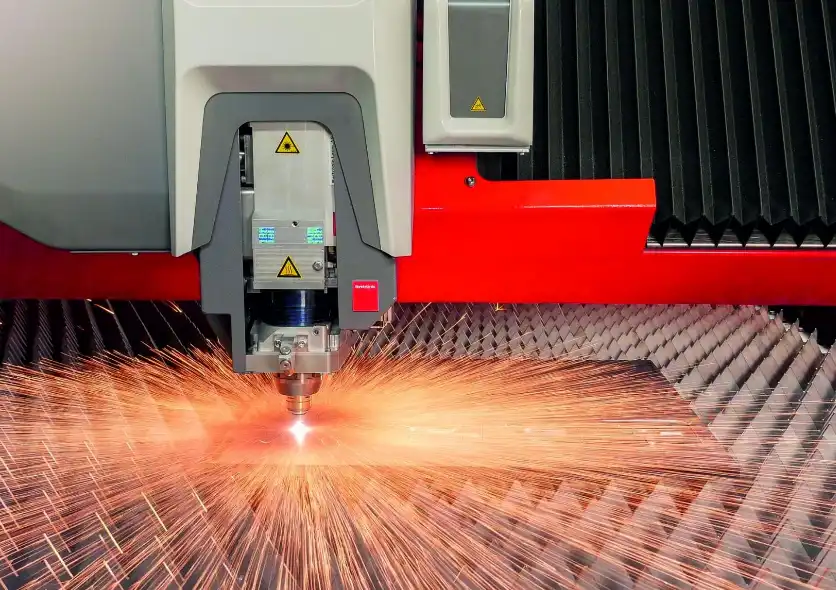
Heavy machinery builders use these systems to make thick structure parts, auto makers use them to make chassis parts and brackets, electronics manufacturers use them to cut precise enclosures, and job shops use them to meet a wide range of customer needs. The work areas can be changed from 3000x1500mm to 8000x2500mm, so they can be used for everything from small prototype runs to large production runs.
Advantages Over Traditional Cutting Methods
When compared to plasma, waterjet, or mechanical cutting methods, fiber laser technology produces better edges that need less extra finishing. Plasma cutting creates hot spots and dross that need to be ground down. Waterjet cutting takes longer and has trouble with materials that reflect light. Mechanical cutting makes it harder to change the design and quickly wears out the tools.
Fiber lasers get rid of these problems and keep the accuracy of placement to within ±0.02mm across the whole working area. This repeatability makes sure that the quality of the parts stays the same during production shifts, which lowers the amount of scrap and makes quality control easier. Also, moving materials around is made easier because the automatic exchange worktable system lets you keep working by adding new sheets while the machine cuts material that has already been set up.
Key Technical Features of Professional Laser Cutting Systems
The technical details of the P-Series Fiber Laser Cutting Machines performance show why makers see real gains in productivity after installation. Our tech team at Yuhui Laser built these systems around parts that have been used in a lot of industry settings and worked well.
Precision Cutting Performance and Speed
Cutting speeds can reach up to 60 meters per minute when placing quickly. However, cutting speeds depend on the type of material, its thickness, and the quality standards that need to be met. Sheets of stainless steel less than 3 mm thick can be cut very quickly, but 20 mm carbon steel needs to be worked on more slowly and carefully to keep the edges straight and the surface smooth.
The 1.0G acceleration lets you change directions quickly without losing accuracy. This dynamic performance is especially important for complicated parts with lots of small details, tight curves, and a lot of cutting path changes. The machine finishes complicated shapes faster than systems with lower acceleration limits, which has a direct effect on the amount of work that gets done each hour.
Laser power ranges from 3000W to 80000W, giving you the freedom to fit your output needs to your budget. With 6kW to 12kW sources, sheet metal makers who work mostly with thin materials can get great results. 20kW to 40kW designs work best for heavy industrial uses that need to cut thick plates. The highest power levels are best for specific tasks that need to cut thick sections or very quickly through lighter materials.
Advanced Control Systems and Automation Integration
Through easy-to-use software interfaces, CNC control design controls all machine movements, laser settings, and other functions. Operators program parts using standard file types that are exported from CAD/CAM systems. This speeds up the process from designing the part to making it.
The control platform works with Industry 4.0 connection standards, which lets it connect to factory execution systems for tracking quality, keeping an eye on production, and planning preventative maintenance. This digital connectivity helps manufacturers get the most out of their tools, find ways to make the process better, and keep accurate output records to meet customer quality standards.
As the cutting head moves across different sheet surfaces, the ideal beam position is kept by automatic focus change. This active centering makes up for material warping, thermal growth during long cutting processes, and small differences in how flat the sheet is. This makes the cutting work the same way across the whole work area without any help from a person.
Robust Mechanical Construction
The base that holds up all the moving parts is the heavy-duty welding lathe bed. This welding framework is made of high-strength carbon structural steel. It goes through a stress-relief heat treatment to get rid of internal stresses that could cause it to lose its shape over time. The structure is stiff, so it doesn't bend during high-speed moves, and it stays straight as long as the machine is in use.
Depending on the needs of the axis, motion systems use either rack-and-pinion or servo-driven ball screw drives and precise linear guides. These parts allow for smooth and accurate positioning and can handle the ongoing duty cycles that are common in industrial settings. Regular inspections and lubrication keep things running at their best with little unplanned downtime.
Energy Efficiency and Environmental Considerations
Fiber laser technology turns electricity into useful laser output at rates close to 40% efficient, which is a lot better than older CO2 systems that only worked 10-15% efficiently. This main benefit directly leads to lower power use per part made, which lowers costs and has a positive effect on the environment.
The protective structure is completely sealed, and smoke and fumes are sent to built-in filtration systems. Filtration equipment of the right size collects dust and breaks down gaseous waste, keeping the air quality in the workplace within the standards for working health. This closed design also lets you control the temperature, which keeps the cutting performance stable and increases the life of parts by keeping sensitive glasses from getting dirty from the environment.
Comparative Analysis – Professional Fiber Laser Systems in Context
When procurement teams know how different types of equipment compare, they can make choices that meet practical needs and stay within their budgets. We've found the most important factors by working with hundreds of makers to help them choose tools.
P-Series Advantages Over CO₂ Laser Technology
Traditional CO2 lasers worked well in the metal production business for many years, but they aren't as good as current fiber systems. Beam transport through optical lines based on mirrors needs to be aligned and replaced with new mirrors on a regular basis because the old ones break down from heat and dirt. Fiber systems use flexible wires to send laser energy, so they don't need to be maintained or have breaks for that.
Changes in electrical efficiency lead to big changes in running costs. It is common for a 4 kW fiber laser to use less power than a 2.5 kW CO₂ machine while still cutting most materials better. Over many years of use, these energy saves make up for the higher costs of buying the fiber laser in the first place.
Fiber technology works best with metals that reflect light, like aluminum, brass, and copper, because it can be processed more easily. The 10.6-micron wavelength of CO₂ lasers doesn't work well with these materials because it returns light instead of absorbing it. Fiber lasers with widths of 1.06 microns can absorb light very well through all common metals, which makes them more useful in a wider range of situations.
Positioning Within the Fiber Laser Market
The market for industrial tools has a number of different fiber laser platforms aimed at different types of customers. Basic cutting features are available on entry-level systems at reasonable prices, but the quality of the parts, software, or support services may be lower. Premium brands have higher prices because they are well-known, have large partner networks, and offer full service plans.
Yuhui Laser's P-Series fiber laser cutting machines are in the strategic middle ground. They offer high technical performance through carefully chosen quality components while keeping costs low through direct factory prices. Certifications like CE and ISO show that a product meets foreign safety and quality standards. When compared to normal parts, the THF4 military-grade safety lens is much more durable and lets more light through.
This positioning is especially appealing to cost-conscious makers who won't give up on equipment capability, foreign distributors looking for reliable goods to help grow local markets, and OEM partners who need flexible customization without having to pay premium brand prices.
Practical Considerations for Equipment Procurement
Getting the right equipment means more than just looking at the technical specs. It also means thinking about the total cost of ownership, the supplier's skills, and how the equipment will be used. We help our customers think about these things so that setups go smoothly and production starts up quickly.
Investment Analysis and Financing Options
The prices of machines vary a lot depending on the size of the work area, the laser power chosen, the amount of automation, and any extras that are added. A basic 3000x1500mm system with a 6kW laser is the starting point. For high-volume production plants, 8000x2500mm machines with 30kW or more sources are better.
When figuring out the total cost of ownership, you should think about how much electricity it uses, how often you need to replace consumables, how much preventative maintenance you need, and how much output you hope to gain. Payback times for most producers are between 18 and 36 months, based on how much they make, how much the materials cost, and how much they pay their workers. Higher output processes naturally get their money back faster.
Supplier Evaluation and Partnership Factors
Choosing tools is only one part of the choice to buy something. Long-term satisfaction is based on the relationship with the seller and includes things like how reliable the delivery is, how well the equipment is installed, how well the operators are trained, and how quickly the supplier responds to technical help requests.
Yuhui Laser keeps a lot of stock on hand so that basic setups can be shipped in 14 days. Customers can meet tight project deadlines or replace old equipment with this quick fulfillment feature, which doesn't affect production too much. Customized systems take longer to design and build, but they still get delivered faster than the usual 8–12 week lead times in the business.
Our 450-day after-sales service promise is much longer than most warranty periods. It gives customers more security and access to expert help. This wide range of covering shows that the company is sure the equipment will last, and it gives customers peace of mind during the important production ramp-up time and beyond.
Installation, Training, and Production Launch
For equipment commissioning to go smoothly, the building needs to be properly prepared, installation processes need to be followed exactly, and operators need to be fully trained. Our technical teams plan these tasks to keep schedules as short as possible and make sure that workers know how to use tools safely and correctly from the start.
The building needs to have the right electricity service, which includes three-phase 380V power with enough current for the laser source and other systems. There should be enough floor space to fit the machine's size plus extra room for loading materials, taking parts off, and doing upkeep. Cutting help gas needs can be met by a source of compressed air at a certain pressure and volume if customers choose air cutting for the right materials.
The covered protective structure makes facility integration easier by keeping laser dangers inside and lowering the noise level in the area. Unlike past open-architecture systems that needed their own laser rooms, this design lets it be installed in general industrial areas without any special isolation needs.
Maintenance and Safety Guidelines for Reliable Operation
Setting up regular repair schedules and following safety rules are necessary to get the most out of equipment's uptime and lifespan. These steps protect both the investment in capital and the workers, and they also make sure that the standard of the products is always the same.
Routine Maintenance Procedures
Every day, maintenance chores include checking the protective lens for damage or contamination, making sure the cutting aid gas pressure and purity are correct, and making sure the extraction system works. These quick checks find problems as they start to happen, before they affect production or break parts.
Cleaning the cutting area once a week includes getting rid of metal dust and spatter that has built up, checking the greasing levels of the motion system, and looking for wear on consumables like cutting tools. Keeping things clean stops particles from building up, which could affect the accuracy of motion or contaminate visual parts.
More thorough checks of mechanical systems are done once a month or every three months. Test patterns are used to make sure that the placement is correct, and electrical connections are checked for proper torque and rust. These regular services keep equipment working as it should and find parts that are getting close to the end of their useful life so that they don't break down without warning.
Operator Safety and Regulatory Compliance
Enclosed machine design keeps laser beam routes inside a protective cage with interlocked doors, which makes the machine itself safer. When shields open, safety circuits stop the laser from working. This keeps people from getting accidentally exposed. This way of engineering meets laser safety rules in all markets around the world, such as FDA rules for the US market and CE guidelines for European users.
The function of the extraction device is also very important for keeping the workplace safe. Effective smoke capture and filters keep workers from being exposed to the metal fumes and particles that are made when the metal is cut. Regularly checking and replacing filters keeps the extraction working well and keeps the system from breaking down.
Training programs stress both how to make things and how to be safe. Operators learn the right way to move materials, how to shut down in an emergency, and how to spot strange working conditions that need expert help. This thorough training base keeps mistakes from happening and boosts operators' trust and skill.
Conclusion
In conclusion, when choosing the right fiber laser cutting tools, you need to carefully look at their technical skills, the qualifications of the supplier, and the total cost of ownership. Yuhui Laser's P-Series Fiber Laser Cutting Machines offer the accuracy, dependability, and output needed by modern metal fabrication processes while keeping costs low enough for makers of all sizes. These systems are useful for people in the US and other countries who want reliable production tools because they have tested and proven parts, can be customized easily, and come with a full range of support services. When compared to other cutting technologies, this one gives manufacturers real competitive benefits through faster throughput, better edge quality, and lower running costs, whether they are working with thin sheet metal or thick industrial plates.
FAQ
What materials can P-Series fiber laser systems cut effectively?
These tools can work with all popular metals, like aluminum, brass, copper, titanium, stainless steel, carbon steel, and different alloys. Depending on the laser power and the type of material, P-Series Fiber Laser Cutting Machines can work with gauges as thin as 0.5 mm and plates thicker than 50 mm. Aluminum and copper, which are reflective metals, need enough laser power—usually at least 6kW for small parts and 12kW or more for thicker materials.
How does an enclosed design improve production operations?
There are many practical benefits to the fully sealed protective building. In addition to keeping workers safe with laser radiation, it lowers the noise level in the factory and sends fumes to drainage systems to keep the air clean. This design makes it possible to put in general production areas without having to meet any special isolation standards. It also makes the workplace cleaner and safer.
What distinguishes professional-grade from entry-level fiber laser equipment?
Professional systems have heavy-duty mechanical construction that guarantees long-term geometric stability, high-quality optical components that give consistent cutting quality, advanced control systems that allow for automation integration, and full service support. To keep the price low, entry-level equipment might skimp on structure strength, component quality, or service availability. This could affect the equipment's long-term dependability and total running costs.
Partner With a Trusted Fiber Laser Cutting Machine Manufacturer
Yuhui Laser specializes in selling affordable P-Series Fiber Laser Cutting Machines with military-grade THF4 optical parts, CE and ISO certifications, and factory-direct prices that help you get the most out of your equipment investment. Our 14-day production lead time gets your business up and running quickly, and our excellent 450-day after-sales service makes sure you have ongoing expert help during the critical production ramp-up and beyond. Whether you need standard setups or solutions that are made to fit your unique manufacturing needs, our engineering team can help you with technical questions and offer you a range of OEM partnership options. Get in touch with us right away at jianghui@yuhui-laser-tech.com to talk about your metal fabrication problems and find out how our fiber laser cutting solutions help makers, wholesalers, and automation installers around the world be more productive.
References
1. Wandera, C., & Kujanpää, V. (2021). Fiber Laser Cutting Technology: Principles and Industrial Applications. Materials Processing Institute Technical Publications.
2. Powell, J., & Kaplan, A. (2020). Industrial Laser Cutting: Processes, Systems, and Performance. Manufacturing Technology Research Press.
3. Steen, W. M., & Mazumder, J. (2022). Laser Material Processing: Fundamentals and Industrial Applications (5th ed.). Springer Advanced Manufacturing Series.
4. Chen, L. & Zhang, H. (2023). Comparative Analysis of Fiber and CO₂ Laser Cutting Performance in Metal Fabrication. Journal of Manufacturing Processes, 87, 234-248.
5. European Committee for Standardization. (2021). Safety of Laser Processing Machines: Technical Requirements and Compliance Guidelines (EN ISO 11553 Series). CEN Standards Publication.
6. Wang, K., Liu, M., & Zhou, T. (2022). Energy Efficiency and Environmental Impact Assessment of Modern Fiber Laser Cutting Systems. International Journal of Precision Engineering and Manufacturing, 23(4), 671-685.
Contact us directly for customized solutions, quotations and long-term strategic cooperation.