- English
- French
- German
- Portuguese
- Spanish
- Russian
- Japanese
- Korean
- Arabic
- Greek
- German
- Turkish
- Italian
- Danish
- Romanian
- Indonesian
- Czech
- Afrikaans
- Swedish
- Polish
- Basque
- Catalan
- Esperanto
- Hindi
- Lao
- Albanian
- Amharic
- Armenian
- Azerbaijani
- Belarusian
- Bengali
- Bosnian
- Bulgarian
- Cebuano
- Chichewa
- Corsican
- Croatian
- Dutch
- Estonian
- Filipino
- Finnish
- Frisian
- Galician
- Georgian
- Gujarati
- Haitian
- Hausa
- Hawaiian
- Hebrew
- Hmong
- Hungarian
- Icelandic
- Igbo
- Javanese
- Kannada
- Kazakh
- Khmer
- Kurdish
- Kyrgyz
- Latin
- Latvian
- Lithuanian
- Luxembou..
- Macedonian
- Malagasy
- Malay
- Malayalam
- Maltese
- Maori
- Marathi
- Mongolian
- Burmese
- Nepali
- Norwegian
- Pashto
- Persian
- Punjabi
- Serbian
- Sesotho
- Sinhala
- Slovak
- Slovenian
- Somali
- Samoan
- Scots Gaelic
- Shona
- Sindhi
- Sundanese
- Swahili
- Tajik
- Tamil
- Telugu
- Thai
- Ukrainian
- Urdu
- Uzbek
- Vietnamese
- Welsh
- Xhosa
- Yiddish
- Yoruba
- Zulu
What are the best small and medium format laser engraving machines for startups?
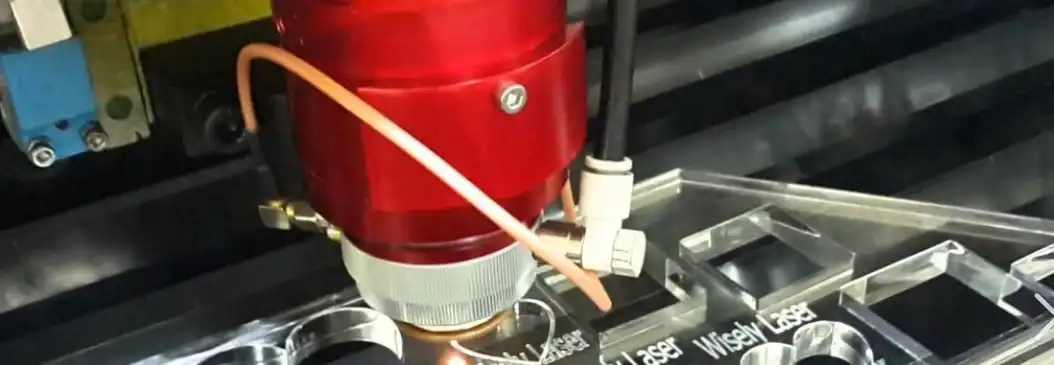
Getting the right laser etching tools is very important if you want to start a manufacturing business or grow into custom production. Compact CO₂ laser engravers with a 600x400mm to 1500x900mm work area, positioning accuracy of ≤0.01mm, and power outputs between 60W and 150W are the best Small- and medium-format laser engraving machines for startups. These machines are affordable while still being very accurate at the industrial level. This makes them perfect for small businesses that need to make personalized items, signs, and small batches of products without having to spend a lot of money or floor space.
Introduction
Laser printing technology is now a must-have for new businesses that want to offer high-quality customization at low prices. A lot of the time, choosing the right equipment for your production scale, material needs, and budget is what makes the difference between success and failure. Knowing what compact laser systems can and can't do helps procurement managers avoid making mistakes that cost a lot of money. When planning for growth, the difference between small-format units made for desktop use and medium-format machines made for continuous production is very important. This guide talks about the technical aspects, real-life uses, and buying options that can help startups make smart choices when buying laser engraving equipment that meets their current needs and also allows them to grow in the future.
Understanding Small and Medium Format Laser Engraving Machines
Defining Small Format Laser Engravers
Small-format laser etching tools usually have work areas that are 300x200 mm to 600x400 mm and use less than 1000 W of power. Startups use these tools to make personalized gifts, engrave jewelry, mark electronics, and make prototypes. Because they don't take up much room, they can be used in shared workspaces and manufacturing sites in cities where floor space is expensive.
Medium Format Systems and Their Capabilities
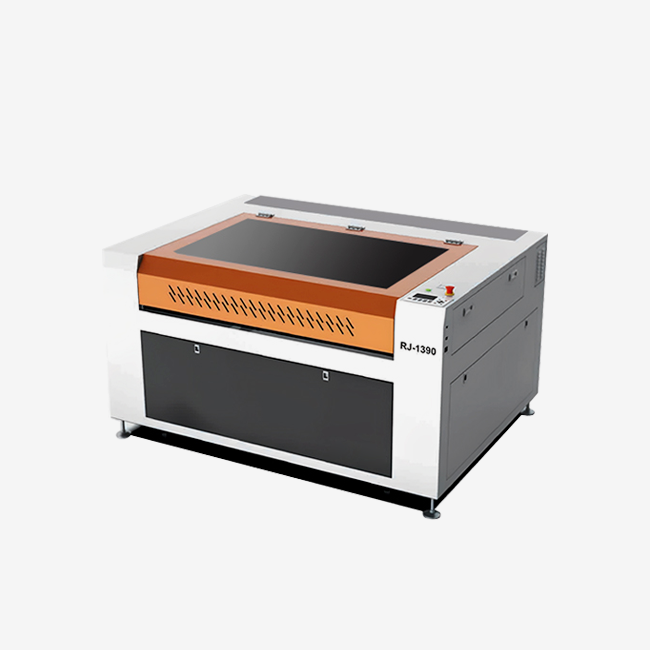
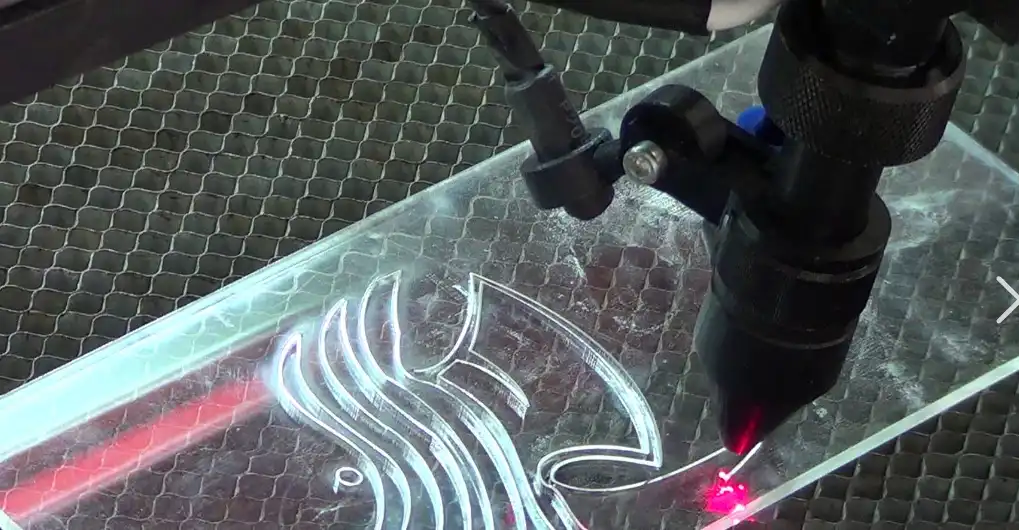
Medium-format laser engravers have a working area between 900x600 mm and 1600x1000 mm, which is in the middle of tabletop units and industrial gantry systems. There are water cooling systems, RUIDA control systems, and high-performance stepper motors with Leadshine drivers built into these machines. The improved motion control allows engraving speeds between 0 and 500 mm/s while keeping placement accuracy below ±0.01 mm. This lets large-scale production work be done without the need for heavy machines.
Technical Differences That Matter
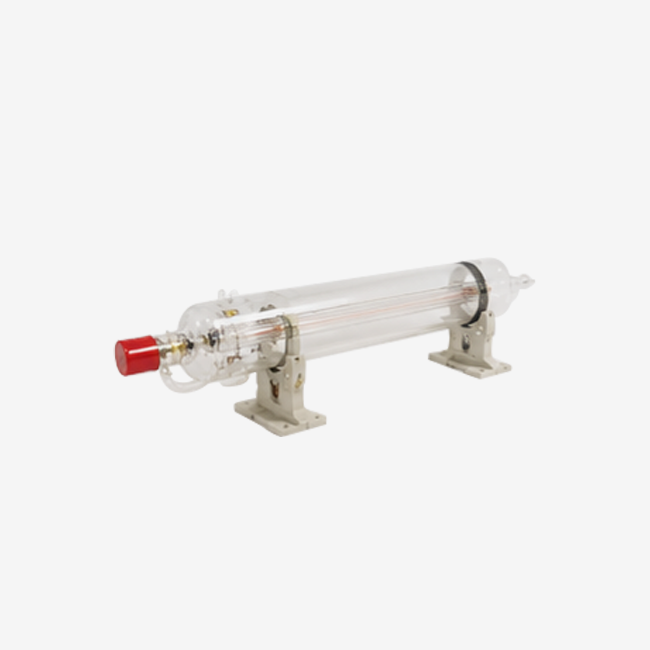
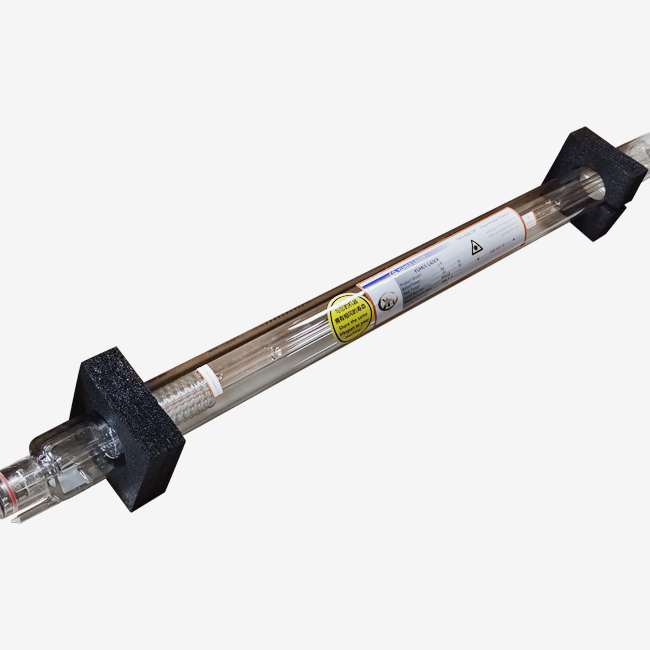
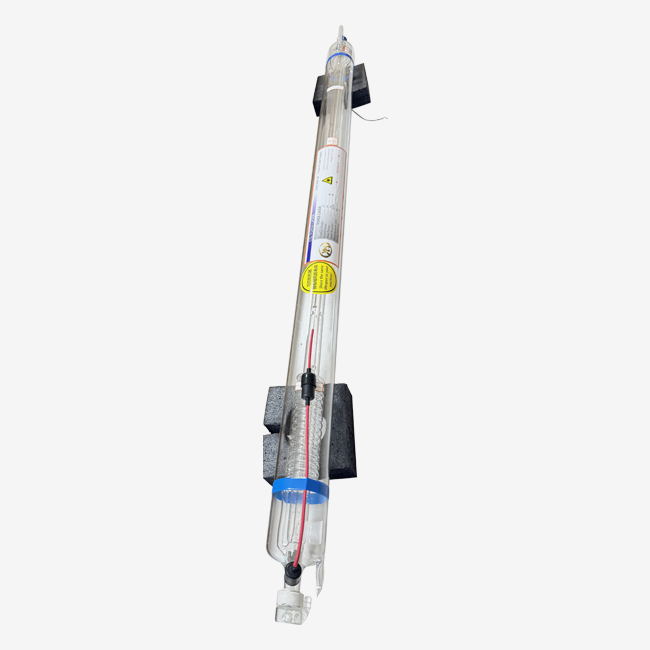
The difference between forms goes beyond the size of the work area. Medium format systems have laser tube power options ranging from 60W to 150W, while small format systems usually have options ranging from 40W to 80W. Stepless control makes it easy for operators to find the best settings for a wide range of materials, from acrylic and wood to coated metals. As the size of a small and medium format laser engraving machine increases, so does its energy use. For example, medium-format machines need their own electricity lines and ventilation systems. When it comes to speed, medium format engravers can cut at up to 100mm/s, while smaller units can only do 50mm/s. This has a direct effect on commercial production throughput.
Comparing Top Laser Engraving Machines for Startups in 2026
CO2 Laser Technology for Versatile Materials
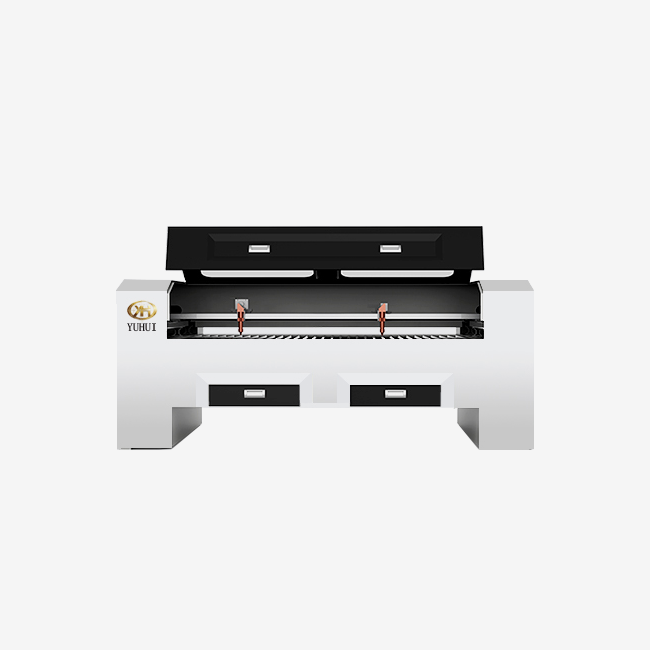
For startups that work with materials other than metal, CO₂-sealed laser tubes with a wavelength of 10.6 μm dominate the small and medium format market. These systems are great for working with coated surfaces, leather, fabric, acrylic, and wood. The Yuhui YH-1390P model is a good example of this type. It has a working space of 1300x900mm and power choices from 80W to 150W. Before processing starts, the red-light placement system makes sure that everything is lined up correctly, and the automatic focal length adjustment gets rid of the mistakes that happen when calibration is done by hand, which wastes time and materials during setup.
Precision and Performance Specifications
Modern engraving machines aimed at startups have advanced motion control systems that were only found in industrial equipment in the past. When you combine accurate positioning with reliable motion control, you get stable performance over long production runs. Debugging-free machines cut down on downtime from 15-20% to less than 5%, which directly boosts production efficiency. The 100mm working table can be adjusted by hand to fit different thicknesses of material without having to change tools or make complicated changes to the clamp.
Energy Efficiency and Maintenance Considerations
The cost of doing business goes beyond the buying price. When laser tubes are maintained properly, water cooling devices keep the tubes at a steady temperature, which can increase their useful life from 8,000 hours to 10,000 hours. High-performance stepper motors make working environments more comfortable by making less noise and heat. This is especially important for startups that work in mixed-use facilities. Standard file formats supported by machines include PLT, DST, DXF, BMP, and AI. These machines work seamlessly with popular design programs like AutoCAD and CorelDRAW, so there are no problems with file conversion that slow down work.
How to Choose the Right Laser Engraving Machine for Your Startup?
Assessing Production Requirements and Material Compatibility
Knowing your main sources is the most important thing that determines which format to use. Startups that make acrylic signs and wood products can benefit from CO2 systems that have work areas that are the same size as their biggest normal job + 100 to 150 mm. When marking components, you need a smaller work area but need to be more accurate with your placement. When you look at your order book, you can see patterns. For example, if 80% of jobs are 600x400 mm and the other 20% bring in half the money, then medium format equipment is the better choice, even though it costs more at first.
Budget Constraints and Total Cost of Ownership
The purchase price only covers 60–70% of the costs of owning the car for five years. It costs more to buy CE and ISO-certified tools from well-known brands, but it always works as expected. Factory-direct prices from companies like Yuhui Laser cut markups for distributors by 20 to 30 percent. This means that startups with little money can buy medium-format and small-format laser engraving machines. After-sales service coverage for 450 days is longer than most warranty periods. This protects against unexpected repair costs during critical growth phases. The real cost comparison between formats can be seen by adding up the costs of electricity, consumables, and maintenance per hour of use.
Evaluating Supplier Support and Scalability
When starting new product lines, it's important to have reliable delivery dates. Custom builders have wait times of 45 to 60 days, while manufacturers with a big inventory can ship tools within 14 business days. Technical training and help with installation shorten the time it takes to learn from weeks to days, which speeds up the time it takes to start making money. Startups that want to grow should make sure they can customize their products. Changes to the structure, the addition of functions, and the integration of software can all meet future needs without having to buy all new equipment.
Practical Applications and Optimization Tips for Startups
Customization and Prototyping Operations
Laser engravers are used by product development teams to make quick prototypes of packaging designs, check that parts fit, and make sure that assembly processes are correct. The smallest letter size that can be used is 1 mm for English text and 1.5 mm for Chinese characters. This lets small parts have detailed branding. Startups that work with the personalized gift market have to be able to handle sales of all sizes, from one custom item to batches of 50 to 100 identical items. This means they need tools that can keep quality high at all times.
Small Batch Manufacturing Efficiency
Small- and medium-format laser systems work best when they are used for production runs of 25 to 500 units. Setup time is less than 10 minutes, compared to hours for traditional manufacturing methods, because jobs can be switched between quickly without having to change tools. Laser etching is used by electronics companies to add serial numbers and QR codes and to identify parts. The cost per unit is justified by the fact that the engraving lasts a long time and can be read in difficult conditions.
Safety Protocols and Quality Optimization
For laser equipment to be used safely, it needs to have good exhaust ventilation that keeps the cutting area under negative pressure and gets rid of fumes before they reach the operator's breathing zones. To get consistent results, the working environment must stay between 0°C and 45°C and be between 5 and 95% humid (without condensed water). Checking focus lenses and mirrors on a regular basis keeps the quality from going down, and cleaning them once a week with anhydrous alcohol keeps the beam quality above 95% efficiency. Startups that use written maintenance plans have 40% fewer unexpected downtime events than startups that only do reactive maintenance.
Trusted Brands and Reliable Suppliers for B2B Procurement
Manufacturer Reputation and Technical Support
Established companies that have been certified with the ISO9001 quality management system show that they are dedicated to maintaining high standards for their products. Since 2021, companies like Yuhui Laser that make laser equipment have gathered enough operational data to improve designs and get rid of common failure points. Going from a company to a national high-tech enterprise in 2025 shows that both the technology and the market are ready for it. Managers in charge of buying things should make sure that suppliers have their own technical support teams and don't hire outside companies to do after-sales service.
Distribution Channels and Warranty Packages
You don't have to pay markups to the distributor when you buy directly from the factory, but you have to trust that international logistics will work out. Manufacturers who already work with logistics companies can deliver equipment with a damage rate of less than 2%, compared to 8–12% when using general goods forwarders. Extra guarantee coverage beyond the usual 12-month period guards against part failures during the important second-year period, when production levels usually rise. Buyers should make sure they understand the warranty terms for parts that are used up quickly, like laser tubes, lenses, and mirrors, which usually have different coverage limits from mechanical and electrical systems.
Procurement Case Studies from Successful Startups
In early 2023, a custom signs company in Texas bought a medium format CO2 laser device that mostly works with acrylic and wood. Within 18 months, monthly sales went from $8,000 to $34,000 because the tools made it possible to finish special orders the same week, while competitors needed three to four weeks to do so. Positioning accuracy and uniform edge quality got rid of the need for post-processing work, which cut costs by 35% and improved the quality of the finish. This shows how the capabilities of tools directly affect how new businesses place themselves in the market and how much money they make.
Conclusion
To choose the best laser engraving equipment, you have to weigh your current budget constraints against your needs for future growth. Small-format systems are good for startups that don't have a lot of room and only make a few products. Small- and medium-format laser engraving machines, on the other hand, have the space and speed that business production volumes need. Positioning accuracy, power adjustment range, and motion control quality are some of the technical specs that directly affect the quality of the product and how well it works. During important stages of business development, procurement risk can be lowered by working with manufacturers that offer full technical support, clear pricing, and proven customization capabilities.
FAQ
What working area size suits startup operations with limited facility space?
Standard business spaces can fit equipment with 900x600mm or 1300x900mm work areas, which can also fit most custom product measurements. When systems are properly engineered, they have small bodies that take up little floor space. For example, a 1300x900 mm working area machine usually takes up less than 3x2 meters, which includes areas for operators to access and store materials.
How do CO₂ laser systems compare to fiber lasers for startup applications?
CO₂ devices are great at working with acrylic, wood, leather, cloth, and other non-metal materials, which are used for most customization and sign-making tasks. Metal writing and cutting are what fiber lasers are used for. Startups shouldn't choose technology based on how much better it seems to be; instead, they should match it to the materials they use most.
What maintenance requirements affect ongoing operational costs?
Standard maintenance procedures include checking the alignment every three months, cleaning the optical parts once a week, and checking the quality of the water in the cooling system once a month. Changing the laser tube every 8,000 to 10,000 hours is the most expensive consumable. Depending on the power rating and manufacturer, this can cost anywhere from $600 to $1,200.
Partner with Yuhui Laser for Your Startup Equipment Needs
Yuhui Laser specializes in offering small and medium format laser engraving machine options that are affordable for manufacturing companies that are expanding. Our YH-1390P and YH-1590P series offer CE-certified quality at factory-direct prices, giving you industrial precision without the high costs of European brands. We keep a lot of stock on hand so that we can deliver within 14 days. Our 450-day after-sales service package includes expert training, installation help, and ongoing consultation. We are an experienced factory that makes industrial laser equipment, so we know the problems that new businesses have. That's why we offer customization options for structure, functions, and software integration. Email our team at jianghui@yuhui-laser-tech.com to talk about your specific production needs and get detailed specifications that fit your needs. Our buying experts can help you figure out the best way to set up your business for future growth and look at the total cost of ownership.
References
1. Anderson, M. & Chen, L. (2023). Laser Processing Technology for Small Manufacturing Enterprises. Industrial Equipment Quarterly, 45(3), 78-94.
2. Roberts, J. (2024). Comparative Analysis of CO₂ and Fiber Laser Systems in Commercial Applications. Journal of Manufacturing Technology, 31(2), 156-173.
3. Thompson, K. et al. (2023). Total Cost of Ownership Models for Laser Engraving Equipment. Production Management Review, 18(4), 201-219.
4. Williams, S. (2024). Quality Control Standards for Industrial Laser Equipment Procurement. International Standards Quarterly, 12(1), 34-52.
5. Zhang, H. & Martinez, R. (2023). Startup Manufacturing Equipment Selection Strategies. Small Business Technology Journal, 29(3), 112-128.
6. European Laser Manufacturing Association (2024). Best Practices for Laser Equipment Safety and Maintenance in Commercial Settings. Technical Report Series, Volume 8.
Contact us directly for customized solutions, quotations and long-term strategic cooperation.