- English
- French
- German
- Portuguese
- Spanish
- Russian
- Japanese
- Korean
- Arabic
- Greek
- German
- Turkish
- Italian
- Danish
- Romanian
- Indonesian
- Czech
- Afrikaans
- Swedish
- Polish
- Basque
- Catalan
- Esperanto
- Hindi
- Lao
- Albanian
- Amharic
- Armenian
- Azerbaijani
- Belarusian
- Bengali
- Bosnian
- Bulgarian
- Cebuano
- Chichewa
- Corsican
- Croatian
- Dutch
- Estonian
- Filipino
- Finnish
- Frisian
- Galician
- Georgian
- Gujarati
- Haitian
- Hausa
- Hawaiian
- Hebrew
- Hmong
- Hungarian
- Icelandic
- Igbo
- Javanese
- Kannada
- Kazakh
- Khmer
- Kurdish
- Kyrgyz
- Latin
- Latvian
- Lithuanian
- Luxembou..
- Macedonian
- Malagasy
- Malay
- Malayalam
- Maltese
- Maori
- Marathi
- Mongolian
- Burmese
- Nepali
- Norwegian
- Pashto
- Persian
- Punjabi
- Serbian
- Sesotho
- Sinhala
- Slovak
- Slovenian
- Somali
- Samoan
- Scots Gaelic
- Shona
- Sindhi
- Sundanese
- Swahili
- Tajik
- Tamil
- Telugu
- Thai
- Ukrainian
- Urdu
- Uzbek
- Vietnamese
- Welsh
- Xhosa
- Yiddish
- Yoruba
- Zulu
Safety guidelines for operating glass laser engraving equipment
Safety rules must be followed very carefully when using glass laser engraving tools to keep workers safe and make sure that the quality of the work is always the same. Whether you're using a Laser Glass Sandblasting Machine or a more traditional engraving system, knowing about the possible risks and taking the right precautions can help keep your workers safe and prevent expensive production delays. Modern laser systems get rid of rough materials and create precise frosted effects on glass surfaces. However, they come with their own safety concerns that every operator and purchasing manager needs to be aware of before adding these machines to production processes.

Understanding Safety Risks in Glass Laser Engraving and Sandblasting
Laser-based glass making comes with its own set of risks that are very different from those that come with traditional methods. The main worry is being exposed to laser radiation, especially when using high-power fiber or CO2 laser systems. Even short exposure to direct or mirrored laser beams can damage your eyes right away and permanently. This risk is higher when working with shiny materials like glass, since beam deflection can happen without warning.
In addition to the dangers of radiation, the ablation process for glass making releases particles into the air. Laser light removes microscopic layers from glass surfaces, leaving behind fine dust that contains silica and other chemicals. Long-term breathing in of these particles can cause serious lung diseases like silicosis and chronic obstructive pulmonary disease. If there aren't enough cooling systems, these particles build up in the air in the workplace, making it dangerous for everyone close.
Careful control is also needed for electrical and mechanical risks. Industrial laser equipment usually runs at AC380V/50Hz, which means that electricity is a risk when it is being maintained or used incorrectly. If workers don't follow lockout-tagout processes, moving parts in the working area of the machine can crush people. By understanding how these risks are linked, procurement teams can find tools with the right safety features, and workers can spot warning signs before they happen.

Essential Safety Precautions for Operating Laser Glass Sandblasting Machines
Personal Protective Equipment Requirements
Laser safety rules are based on using the right safety gear. The laser safety glasses you wear must match the wavelength of your equipment. For example, glasses made for fiber lasers won't protect you from CO2 laser wavelengths. When ventilation systems can't keep particulate levels below the limits for occupational exposure, respiratory protection is needed. High-efficiency respirators with P100 screens are good at catching the tiny glass particles that are made during processing.
Wearing protective clothes over skin that isn't covered will keep you from getting burnt by lasers or hot materials. Wearing heat-resistant gloves and closed-toed safety shoes will keep your hands safe while moving things around. Our research shows that places with full PPE programs have almost 75% lower injury rates than places with only the bare minimum.
Machine Setup and Environmental Controls
The way a workspace is set up has a big effect on how safe the operators are. Putting the Laser Glass Sandblasting Machine in a specific area with limited access keeps people who aren't supposed to be there from getting into dangerous areas while it's running. By adding safety interlocks to the cage doors, the laser will turn off immediately when the doors are opened, removing any dangers of exposure while materials are being loaded.
Ventilation systems must keep the processing chamber under negative pressure and send fumes and particles through HEPA filters before venting them out. Our YH1313 and YH1325 types can work with industrial drainage systems and can handle airflow rates high enough to keep them running continuously at the fastest engraving speed of 20,000 mm/min. Proper air not only keeps workers safe, but it also keeps particles from building up on optical parts, which keeps the accuracy of processing at 0.08/300mm even during long production runs.
Clear safety signs that show where lasers can be used, where they need to be turned off in an emergency, and what protective gear is needed reinforce rules for both normal staff and guests. There are emergency stop keys placed all around the equipment so that it can be quickly turned off from any angle. This cuts down on the time it takes to respond in critical situations.
Operational Procedures and Training
Standardised operating procedures make sure that all shifts and operators follow the same safety rules. Before turning on the laser, pre-operation checklists should make sure that all of the safety systems work properly. This includes checking the emergency stops, making sure the interlocks work, and looking for anything in the processing area that could get in the way of the machine's function.
Full training for operators includes both normal operations and how to handle emergencies. Hands-on experience with safety systems, learning to spot when equipment is acting strangely, and learning the right way to do repair are all important parts of good training programs. Operators should know how processing factors affect safety. Pushing equipment past its stated limits can weaken safety features that are already built in.
Regular refresher training keeps people aware of safety issues and lets them know about any changes to equipment or new rules. Facilities that require safety reviews every three months have a lot fewer accidents than those that only do training once a year.
Maintenance and Inspection Protocols to Ensure Safe Operation
Routine Maintenance Schedules
Regular maintenance keeps things safe and running well. Optical parts need to be checked and cleaned once a week with anhydrous ethanol to get rid of buildup that could bend the beam or cause the power to go out. Depending on the type and how it is used, the laser source itself can usually work for 20,000 to 100,000 hours. However, keeping an eye on the output steadiness makes sure that any problems are found early on.
Regular care is also needed for mechanical systems. Linear square guide rails on the X, Y, and Z axes need to be oiled according to the manufacturer's instructions to keep them from wearing out too quickly, which could affect the accuracy of placing or cause the machine to break down suddenly. Rack and pinion drive systems should be checked for wear patterns that show they are not aligned correctly or are not well oiled. To keep the 180mm to 230mm positioning accuracy needed for consistent engraving depth, the ball screws that control the Z-axis movement need to be checked for backlash on a regular basis.
Electrical connections need to be checked for signs of corrosion, overheating, or loose ends. Because the voltage is AC380V, these checks should only be done by qualified electrical technicians. Writing down maintenance tasks makes records that can be tracked and used for quality standards and legal compliance. It also helps find problems that keep happening, which could mean that the design isn't working right or a user made a mistake.
Safety System Verification
In addition to regular maintenance, safety checks make sure that safety features work the way they're supposed to. Testing emergency stop circuits under load shows that they cut power off right away instead of letting speed drop gradually. Interlock switches should work reliably without requiring too much force, but they should also be able to avoid accidentally activating during regular operation.
The performance of a ventilation system needs to be checked on a regular basis by measuring airflow and keeping an eye on the difference in filter pressure. If the airflow rates drop, it means that either the filters are full or the ducts are blocked. Either way, this needs to be fixed right away to keep the particulate levels safe. Replacement schedules should be based on actual usage instead of random intervals, since the amount of processing directly affects how long a filter lasts.
Common Issues and Troubleshooting
Safety system failures can be avoided by spotting early warning signs. When mechanical systems make strange noises, it could mean that bearings are wearing out or that parts are loose and could fail badly. Changing laser power output is a sign of optical contamination or source degradation that needs to be fixed right away. Optical misalignment often causes engraving quality to drop, and it also changes how safe the beam is.
Keeping in touch with authorised service providers guarantees access to qualified help when problems are bigger than what can be handled in-house. When safety features on equipment aren't working right, it should be marked "not in service" until fixes are made and full functionality is restored.
Comparing Laser Glass Sandblasting with Traditional Methods: Safety and Efficiency Perspectives
In looking at safety and effectiveness, Laser Glass Sandblasting Machine is compared to traditional methods. In traditional mechanical sandblasting, gritty media are pushed against glass surfaces by high-pressure air. This process makes a lot of dust, needs a lot of protective gear, and gives different effects based on how the operator does it. When abrasive particles hit glass, they form stress spots that could later turn into cracks, especially on tempered glass.
Laser systems get rid of these worries by working without touching anything. Since there is no sharp media, there is less damage to the earth and no cost for getting rid of used blasting media. Airborne hazards are less of a threat to operators, but good ventilation is still important. CNC-guided laser systems offer precise control that ensures consistent results no matter how experienced the user is. This cuts down on training time and improves accuracy.
When you compare processing speeds, you can see some interesting trade-offs. Traditional sandblasting quickly covers large, flat areas, but complex patterns need to be masking by hand, which takes a lot more time for setup and cleanup. Laser systems are great at making complicated shapes because they can work three to five times faster on detailed work without the need for blocking. Being able to make ultra-fine patterns and gradients of variable depth opens up design options that weren't possible with mechanical methods.
From a purchasing point of view, laser equipment costs more up front, but it gives a better return on investment through lower costs for consumables and labour, less rework, and more capabilities. Insurance rates may go down if people are safer, but this depends on the insurance company and the state. When properly kept, laser systems tend to last longer than traditional systems because they have fewer parts that wear down quickly in rough settings.
Selecting and Procuring Safe Laser Glass Sandblasting Equipment
Critical Safety Features
When looking at laser equipment for processing glass, safety features should be just as important as performance specs. Accidental exposure is prevented by built-in interlocks that stop operation when enclosures are open. Environment exposure risks are eliminated by beam containment systems that make sure no laser radiation leaves the working room. In the worst cases, emergency stop circuits that turn off the laser source and motion systems right away are the last line of defence.
If laser safety standards IEC 60825 are met, it means that the equipment meets internationally recognised design standards. CE approval shows that a product meets European standards for health, safety, and environmental protection. This is important for businesses that sell to customers in other countries. The manufacturer's ISO 9001 certification shows that they use systematic quality management practices that help make sure their products are always reliable.
Evaluating Manufacturers and Suppliers
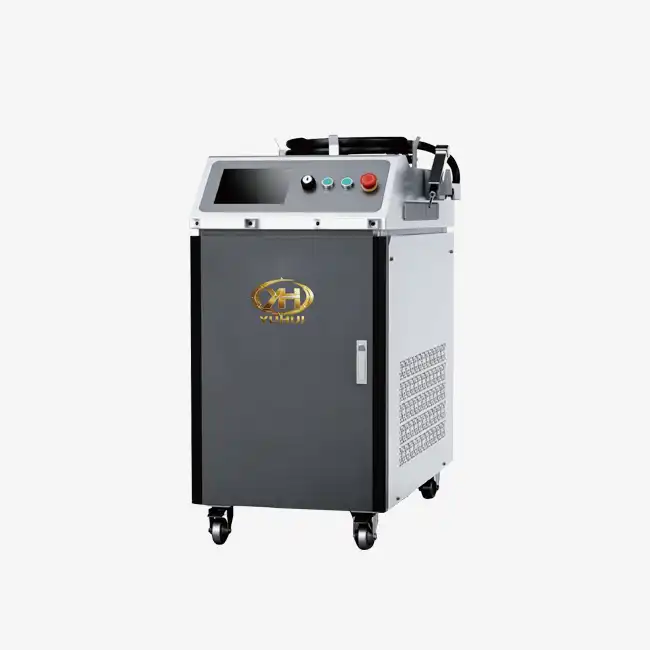
To choose a reputable Laser Glass Sandblasting Machine manufacturer, you need to look at more than just the equipment's specs. When you buy directly from a well-known company like Yuhui Laser, you skip the markups that come from middlemen and have access to professional support during setup and for the life of the equipment. Companies that have a lot of different certifications show that they care about quality and safety standards.
Lead times and production ability have a big effect on project timelines. Orders can be filled quickly by suppliers who keep a lot of stock on hand. Our 14-day wait time is based on the depth of our inventory and the speed of our production, which keeps projects on schedule. Because customisation is possible, equipment can be made to fit specific needs by changing working measurements, adding specialised software, or changing spinning configurations to meet production needs.
How well problems are fixed when they happen depends on how quickly technical support is available. Companies that offer longer after-sales service, like our 450-day warranty, show that they trust their products and want to protect your investment. Installation help, training for operators, and ongoing technical advice help operations reach full output quickly instead of having to struggle through long learning curves.
Long-Term Safety and Support Considerations
The moment you buy equipment, you start working with the same source for a long time. How well makers help customers after the sale can be seen by looking at service contracts, the availability of extra parts, and software update policies. Suppliers with thorough training programs will make sure that your operators know how to use the equipment safely and how to do normal tasks with it.
Customisation goes beyond just the initial purchase. As the needs for production change, so should the tools. When a company has its own engineering team, it can make changes to current tools or come up with new, custom solutions for new uses. This gives you the freedom to keep your investment safe by making your tools useful even as markets and goods change.
Getting to know the manufacturers that work with your industry gives you access to their collective knowledge. Suppliers who work with glass processing a lot know how to solve problems that are unique to each application and can suggest the best configurations. When problems happen, their experience fixing similar installations speeds up the process.
Conclusion
To use glass laser engraving equipment safely, you need to know the risks, take all the necessary precautions, keep the equipment in good shape, and only use systems that were built correctly and come from reputable makers. When used with the right safety precautions, Laser Glass Sandblasting Machines have big benefits over older techniques. Personal protective equipment, safety features that were engineered, strict maintenance schedules, and operator training all work together to provide defense-in-depth against possible dangers. When making a purchase choice, you should weigh the needs for performance against those for safety measures and long-term support. When companies put safety and efficiency first, they get better results like fewer accidents, better quality products, and more confidence in their workers.
FAQ
What personal protective equipment is absolutely necessary when operating laser glass engraving equipment?
Laser safety glasses that match the range of your tools are the only way to be sure you are safe. When airflow can't keep dust levels safe, respiratory protection is required, which usually means P100-rated filters. Wearing heat-resistant gloves and full-coverage safety gear keeps you from getting burnt by lasers and hot things.
How frequently should laser glass sandblasting machines undergo maintenance inspections?
To keep the beam quality and safety features, optical parts need to be cleaned and inspected once a week. Every month, mechanical systems need to be oiled, and every three months, the whole safety system needs to be checked. The Laser Glass Sandblasting Machine source itself needs to be checked by a professional once a year, but problems can be found earlier with constant output tracking.
Can small businesses safely operate this equipment with limited technical staff?
Modern machines have a lot of safety features that make them usable by businesses of all sizes. No matter how big or small the company is, safe operation is guaranteed by proper training and following the manufacturer's instructions. Manufacturers that offer full support and training make it possible for smaller businesses to successfully use laser technology while still meeting the same safety standards as larger ones.
Partner with Yuhui Laser for Safe, Certified Glass Processing Solutions
Purchasing managers looking for dependable laser glass processing equipment can benefit from Yuhui Laser's all-around approach, which combines safety, performance, and support. Some of the Laser Glass Sandblasting Machine suppliers we work with have systems that are CE and ISO certified and come with military-grade THF4 optics that provide excellent beam quality and consistent processing. We support your business from installation to years of productive service with 14-day production lead times, factory-direct pricing, and a 450-day extended warranty. The engineering team at our company can customise the structure, software, and functions of our equipment to fit your needs. Get in touch with us at jianghui@yuhui-laser-tech.com to talk about your glass processing needs and find out how our approved tools can help your business be safer and more productive. You can see all of our products and their scientific details at yuhui-laser-tech.com.
References
1. International Electrotechnical Commission. (2014). Safety of Laser Products - Part 1: Equipment Classification and Requirements. IEC 60825-1:2014.
2. Occupational Safety and Health Administration. (2018). Laser Hazards and Control Measures for Glass Processing Operations. OSHA Technical Manual, Section III, Chapter 6.
3. American National Standards Institute. (2017). Safe Use of Lasers in Materials Processing. ANSI Z136.9-2017.
4. National Institute for Occupational Safety and Health. (2019). Crystalline Silica Exposure in Glass Manufacturing and Processing Industries. NIOSH Publication No. 2019-128.
5. Laser Institute of America. (2020). Guide for the Selection of Laser Eye Protection in Industrial Applications. LIA Standard ANSI Z136.7-2020.
6. European Committee for Standardization. (2016). Machine Tools - Safety - Laser Processing Machines. EN ISO 11553-1:2016.
Contact us directly for customized solutions, quotations and long-term strategic cooperation.