- English
- French
- German
- Portuguese
- Spanish
- Russian
- Japanese
- Korean
- Arabic
- Greek
- German
- Turkish
- Italian
- Danish
- Romanian
- Indonesian
- Czech
- Afrikaans
- Swedish
- Polish
- Basque
- Catalan
- Esperanto
- Hindi
- Lao
- Albanian
- Amharic
- Armenian
- Azerbaijani
- Belarusian
- Bengali
- Bosnian
- Bulgarian
- Cebuano
- Chichewa
- Corsican
- Croatian
- Dutch
- Estonian
- Filipino
- Finnish
- Frisian
- Galician
- Georgian
- Gujarati
- Haitian
- Hausa
- Hawaiian
- Hebrew
- Hmong
- Hungarian
- Icelandic
- Igbo
- Javanese
- Kannada
- Kazakh
- Khmer
- Kurdish
- Kyrgyz
- Latin
- Latvian
- Lithuanian
- Luxembou..
- Macedonian
- Malagasy
- Malay
- Malayalam
- Maltese
- Maori
- Marathi
- Mongolian
- Burmese
- Nepali
- Norwegian
- Pashto
- Persian
- Punjabi
- Serbian
- Sesotho
- Sinhala
- Slovak
- Slovenian
- Somali
- Samoan
- Scots Gaelic
- Shona
- Sindhi
- Sundanese
- Swahili
- Tajik
- Tamil
- Telugu
- Thai
- Ukrainian
- Urdu
- Uzbek
- Vietnamese
- Welsh
- Xhosa
- Yiddish
- Yoruba
- Zulu
Top-rated small and medium format laser engraving machines for hobbyists and professionals
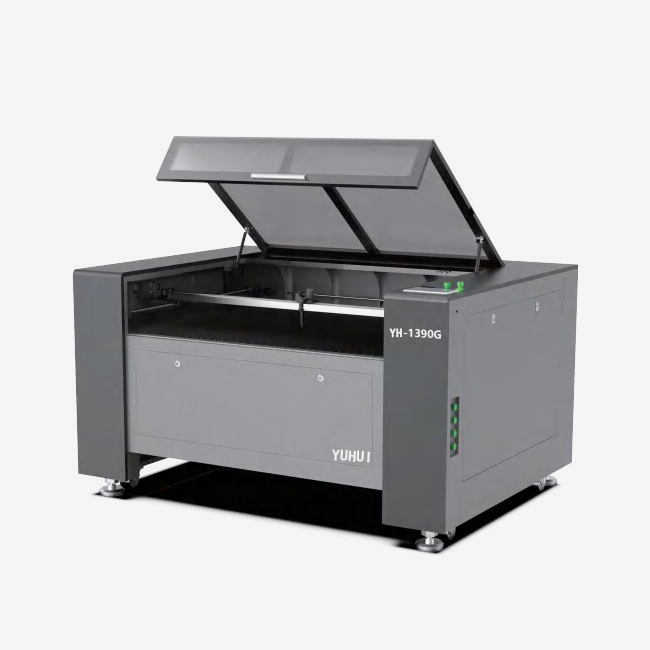
A small and medium format laser engraving machine is one of the best choices on the market. It is accurate industrial equipment made for work areas that are usually 300x200mm to 900x600mm. These machines are in between desktop hobbyist tools and full-scale industrial systems. They are very accurate and can be used for a wide range of tasks, from making personalized products to marking electronics. They have a small footprint and work as well as professional machines, which makes them perfect for workshops, small manufacturers, and technical professionals who need reliable engraving and cutting tools without sacrificing quality or stability.
Understanding Small and Medium Format Laser Engraving Machines
Laser engraving has come a long way, and now there are options for both passionate amateurs and hard-to-please pros. Knowing the main differences between machine types helps buyers make smart choices that fit their needs for output and available space.
Defining Small vs. Medium Format Capabilities
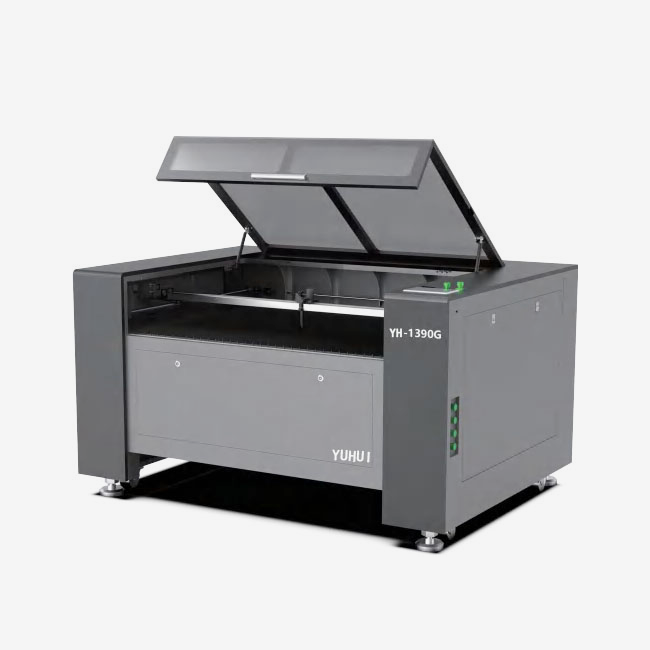
Small and medium format laser engraving machines usually have work envelopes that are between 300x400 mm and 600x400 mm. These are great for engraving jewelry, making small signs, and making personalized gifts. Medium format systems can handle sizes up to 900x600 mm or bigger, so they can print architectural models, bigger advertising panels, and lots of small items at once. The difference isn't just in size; medium-sized units usually have stronger motion control systems, higher-wattage laser sources, and better cooling systems that allow them to work for longer periods of time. Because of this difference in size, output capacity is directly affected, which means that medium format machines are better for businesses that want to grow or handle a wide range of client projects.
Core Laser Technologies Explained
This market area is dominated by CO2 laser devices because they can be used on a wide range of non-metallic materials. With a wavelength of 10.6 μm, CO₂ lasers are great at working with plastic, wood, leather, cloth, and metals that have been coated. Their sealed tube design makes sure that the quality of the beam stays the same over thousands of hours of use. Fiber lasers aren't used as often in this size range, but they can mark metal better and last longer—more than 50,000 hours. Diode lasers are a cheap way to get started, but they don't usually have enough power to cut through harder materials. Knowing these differences in technology helps buyers choose machines that can handle the materials they need to prepare and that will work for their long-term output plans.
Precision and Versatility Benefits
Modern mid-range engraving systems can position things with an accuracy of ±0.01mm, which lets them do intricate work on par with old-fashioned ways of making things. This level of accuracy is useful for marking electronic parts, where the ability to read barcodes and keep measurements the same has a direct effect on the ability to track products. These tools can do a lot more than just engraving. On the right materials, they can also do vector cutting, raster engraving, and even photo printing. This ability to do more than one thing gets rid of the need for multiple specialized machines, which saves money on capital costs and makes managing work easier. This adaptability is especially helpful for businesses that work with batches of different materials because they can switch between making leather goods and making acrylic signs without having to change their equipment.
Comparing Small and Medium Format Laser Engraving Machines—What Works Best For You?
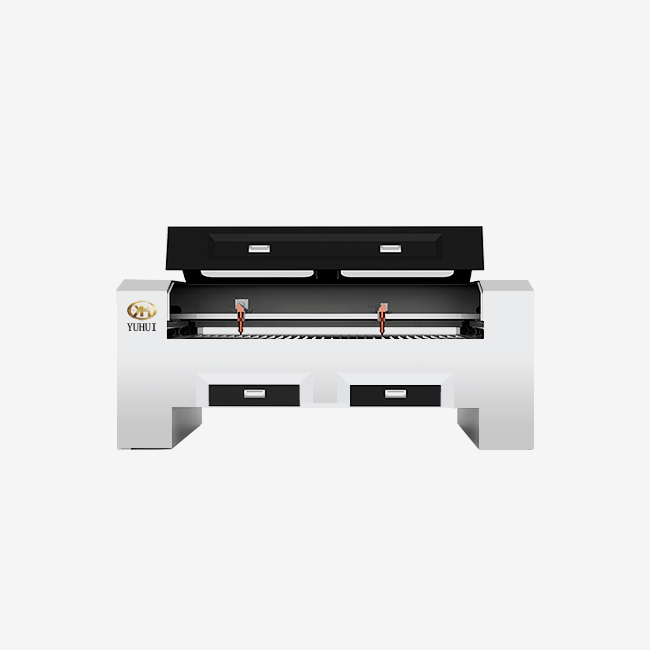
To choose the right machine size, you need to look at the size of your area, how much you expect to produce, and how much material you need to move. To keep equipment from becoming obsolete too soon, the comparison process should take into account both immediate operational needs and planned business growth.
Workspace and Performance Considerations
A key evaluation metric is the machine footprint compared to the working area. When you take into account access panels and airflow, a medium format system with a 1300x900 mm work area usually needs about 2400x1800 mm of floor space. Small format units take up very little space and still produce professional results, so they can easily fit in standard workshop corners. Different types of machines have very different performance specs. For example, medium format machines with 100W to 150W CO₂ tubes can cut 10mm acrylic at speeds close to 100mm/s, but 60W small and medium format laser engraving machines might need more than one pass for the same thickness of material. Engraving speeds between 0 and 500 mm/s make it possible to quickly mark text and logos on any format, but faster speeds are usually maintained across the whole working area without any quality loss in bigger machines with better motion systems.
Energy Efficiency and Maintenance Requirements
Power use increases with laser power and the needs of other systems. A 150W system usually uses less than 1000W of power, so it can work with normal electrical systems and doesn't need special connections in most places. Both types of water cooling systems need regular upkeep, like checking the amount of coolant and cleaning the reservoir every 500 hours of operation. Medium-format machines with stronger tubes produce more heat, so they need bigger chillers and filters that need to be changed more often. When making a lot of things, medium-sized systems are better because they use less energy per piece because they can make things faster. On the other hand, small-format units are cheaper when they are only used sometimes, like in custom shops and prototype development settings.
Contrasting Laser Engravers with CNC Routers
In some areas of application, laser systems are clearly better than traditional cutters. Lasers don't wear down tools, so you don't have to keep replacing bits or deal with the inconsistent quality that comes with dull cutting edges. Because the processing is non-contact, the material doesn't change shape like it does when thin or flexible surfaces are clamped for routing operations. The edges of laser-cut acrylic have a polished, flame-finished look right out of the machine, but the edges of routed acrylic need to be cleaned again. CNC cutters are great for cutting deep reliefs in wood and removing thick materials that are too big for a laser to go through. Laser engravers are the most common choice for thin-sheet processing and surface writing. The choice depends on the materials available and the finish that is wanted.
How to Choose the Right Laser Engraving Machine for Your Business Needs?
To choose strategic equipment, you need to make sure that the technical specs match up with the way things are actually made, instead of trying to get the most features that aren't needed. This connection makes sure that the investment gets the best return and stops over-capitalization, which puts a strain on operating budgets.
Assessing Production Volume and Precision Requirements
Daily production goals directly affect how much space machines need. A small-format 60W system might work well for a business that makes 50 custom leather patches every day, but a signage shop that makes 20 large acrylic displays needs medium-format power and space. Different uses have different precision requirements. For example, marking industrial parts needs a positioning accuracy standard of ±0.01 mm in quality systems, but engraving on wood for decoration can handle slightly less strict requirements. Quantitative justification for capacity investments can be found by looking at historical order data and growth projections. Underutilized capital is shown by machines that are running at less than 60% of their capacity, while machines that are regularly running at more than 85% capacity create bottlenecks that slow down order fulfillment and limit the potential for revenue growth.
Material Compatibility and Industry Applications
Electronics makers put a lot of value on fiber lasers' ability to mark directly on metal parts made of aluminum and stainless steel. Businesses that sell personalized goods to consumers need CO₂ systems that can easily switch between bamboo cutting boards, leather wallets, and powder-coated tumblers. Software that works with engineering CAD platforms is important for industrial prototyping shops because it lets them import technical drawings directly without having to convert the files. The YH-series from Yuhui Laser works with PLT, DST, DXF, BMP, and AI files, and it's fully compatible with AutoCAD and CorelDRAW, which makes the process of going from concept to production easier. Material testing before buying equipment is very helpful. Reliable providers offer sample processing services that show how the machine will actually work with materials provided by the customer under real-world production conditions.
Evaluating Warranty and Supplier Reliability
How long equipment lasts and how much of the time it is up depend a lot on the manufacturer's support infrastructure. In addition to replacing basic parts, standard warranties should cover technical advice and help with troubleshooting. Yuhui Laser's 450-day extended after-sales service program goes far beyond what is typical in the industry. This shows that the company is confident in the sturdiness of its products and wants to build long-term relationships with its customers. Supplier reliability includes the availability of spare parts, with important parts like laser tubes and control boards being kept in stock so they can be shipped right away instead of having to wait for long international fulfillment times. Companies that work in markets that need things quickly can't afford to be shut down for a week while they wait for replacement parts. Checking with current customers to see how responsive a source is gives you information about the quality of support in the real world that brochures and specs can't show.
Maintaining and Operating Your Laser Engraving Machine Safely and Efficiently
Systematic repair plans make equipment last longer and keep the quality of the processing constant throughout its practical lifecycle. Not doing routine maintenance tasks speeds up the breakdown of parts and makes it more likely that expensive emergency repairs will need to be made.
Essential Maintenance Tasks and Schedules
To make sure fume extraction works at full capacity every day, the first thing that should be done is a visual check of the fluid levels in the cooling system and the flow of air out of the exhaust. The water cooling system keeps the temperature of the laser tube within certain ranges. Fluid temperatures above 25°C lower the efficiency of the tube and speed up the breakdown of the electrodes. As part of the weekly upkeep, lint-free optical wipes moistened with anhydrous alcohol are used to clean the mirror and lenses. This gets rid of any buildup of residue that spreads the beam energy and makes cutting less effective. Yuhui's YH-P line comes with a red-light pointing system that makes checking alignment easier without having to waste material on test cuts. Precision measuring tools are used once a month to make sure that the axis perpendicularity stays within the specified range. This keeps rectangular designs from distorting in a trapezoidal way. All of these preventative steps work together to cut down on unplanned downtime and keep the quality of output consistent, which protects the brand's reputation.
Operator Safety Protocols and Compliance
Laser safety rules say that the right eye protection must be rated for the wavelength being used. For example, filters for 10.6 µm CO₂ emissions are different from filters for visible spectrum diode lasers. When there is enough ventilation, operators are not exposed to the dust and volatile chemicals that are released when materials are being processed. Most small and medium-sized small and medium format laser engraving machines have an enclosed working room that protects against beam exposure. However, the door interlocks must stay working and should never be ignored. For electrical safety, make sure the machine chassis is properly grounded and check power cables often for damage to the insulation. Manufacturers like Yuhui Laser say that the temperature should stay between 0°C and 45°C and the humidity should be between 5% and 95% so that there is no fog. These conditions keep the control board from rusting and keep the laser's performance fixed even when the weather changes with the seasons.
Troubleshooting Common Operational Issues
Weak or uneven etching depth is usually a sign of dirty optics or an issue with the focal length. Yuhui's YH-P models have automatic focal length change, which gets rid of the mistakes that often happen when focusing by hand that come with cheaper systems. Cutting lines that aren't straight can be a sign of problems with the motion system. Positioning mistakes that build up along longer cut paths are caused by things like loose drive belts, worn linear bearings, or guide rails that aren't well oiled. The design that doesn't need to be debugged and uses high-performance stepper motors and Leadshine drivers cuts down on noise and heat buildup, making the machine run more smoothly and extending the life of its mechanical parts. Software connectivity issues are often caused by file formats that don't work well together or design files that are damaged. Translation mistakes are less likely to happen when you use natively accepted formats like DXF and AI. Keeping detailed maintenance logs helps find problems that keep happening and sets replacement intervals for parts based on how they are used instead of random schedules.
Purchasing Options and Procurement Strategies for Small and Medium Format Laser Engravers
When buying something internationally, strategic procurement is more than just comparing prices. It also includes figuring out the total cost of ownership, evaluating the skills of potential suppliers, and lowering risks.
Navigating Procurement Channels and Pricing
Direct relationships with manufacturers are much cheaper than multi-tier distribution networks. With Yuhui Laser's factory-direct pricing model, there are no markups for middlemen. Quality is also guaranteed by CE and ISO certifications that are recognized in both European and American markets. Mid-range CO₂ systems usually cost between $3,000 and $12,000. The exact price depends on the working area, laser power setup, and automation features. People who buy a lot and negotiate orders for multiple units can usually get 10-15% discounts and good payment terms. Leasing can help a business's cash flow if it wants to save money for working capital and marketing efforts, but over standard 36-month terms, borrowing costs usually add 20 to 30 percent to the cost of buying equipment. Online business-to-business (B2B) platforms make it easier to find suppliers at first, but switching to direct contact lets you have more in-depth technical conversations and negotiate customizations that normal web interfaces can't handle.
Financing Options and Import Considerations
When buying or selling something internationally, letter of credit payment terms protect both buyers and sellers. Banks check shipment documents before releasing funds. This structure works really well for first-time relationships where trust hasn't been built through past transactions that went well. Customs clearance procedures and import duties are different depending on the destination country. For example, US importers usually have to pay 0-2.5% tariffs on laser equipment based on current trade classifications, while EU members have to check that the equipment meets CE standards before letting it go through customs. When compared to competitors who need 45 to 60 days to make things, Yuhui Laser's 14-day production lead time and large inventory of popular configurations greatly lower project schedule risks. Hiring customs agents who know how to classify industrial machinery speeds up the paperwork process and stops expensive shipping delays caused by paperwork that is missing or not properly filled out.
Supplier Compliance and Quality Verification
Third-party quality inspections make sure that the specs of the equipment are correct before it is shipped internationally. Inspection services check the quality of the build, compare operational parameters to published specifications, and write up detailed reports that are part of the purchase contract. The RUIDA control system standard in Yuhui's product line is tried-and-true technology that comes with a lot of software support and spare parts. Control systems that aren't made by well-known companies leave long-term support holes. The specs for THF4 military-grade lenses show commitments to part quality that have a direct effect on beam focus and processing accuracy. Requesting sample processing on materials supplied by the buyer before finalizing equipment orders makes sure that the machine's capabilities match the needs of production. This way, costly mistakes aren't found until after installation and training are finished.
Conclusion
To choose the best laser etching system, you have to weigh the technical specs against the facts of your business and your growth goals. Small and medium-format machines are used by different types of people. Compact units are good for workshops that don't have a lot of room and for specific tasks. Medium systems, on the other hand, can handle higher production rates and a wider range of material sizes. Due to their advanced technology, CO2 laser tools are reliable and can work with a wide range of materials. This makes them the best choice for businesses that serve a wide range of customers.
If you're a business owner looking for a reliable small and medium format laser engraving machine, the YH-P line from Yuhui Laser is a great example of quality and feature integration. Precision motion control, full software support, and longer service promises all work together to address the main concerns that procurement professionals bring up when they are evaluating suppliers. Strategic investments in equipment, backed by a thorough analysis of needs and confirmation of suppliers, give businesses long-term benefits in quality, productivity, and customer happiness.
FAQ
What is the typical lifespan of CO₂ laser tubes?
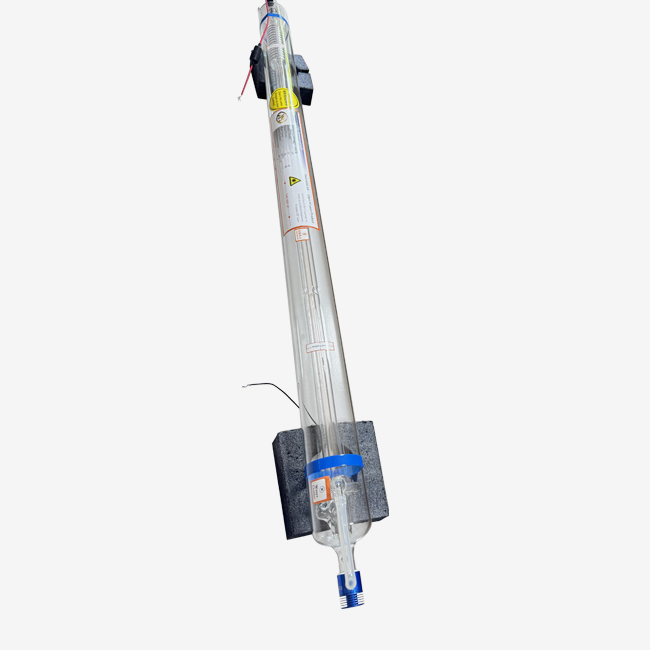
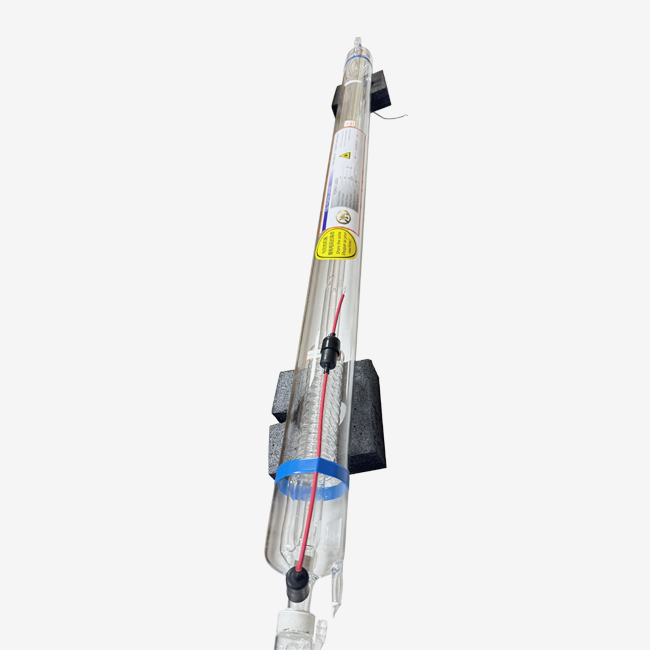
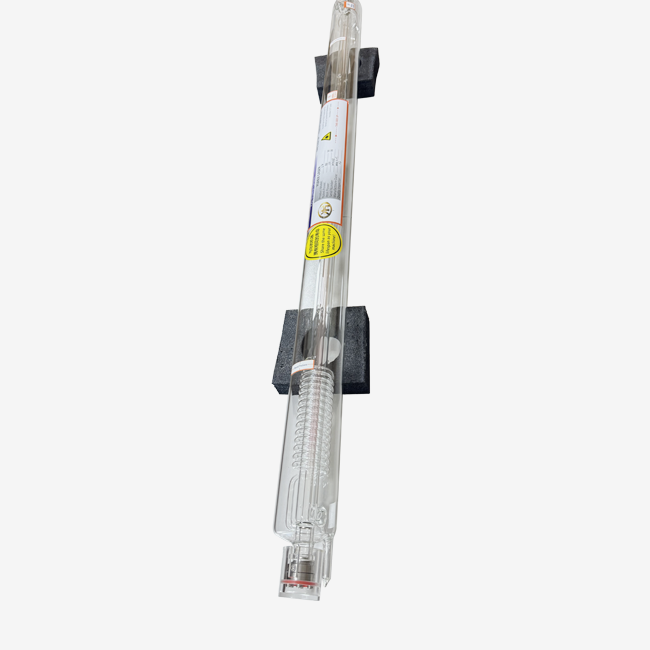
Small and medium format laser engraving machines often use sealed CO₂ glass tubes that last between 8,000 and 10,000 hours of use before they need to be replaced. With the right care, RF metal tubes can last up to 50,000 hours. Operating conditions have a big effect on longevity. For example, keeping coolant temperatures stable, making sure there is enough air flow, and not cycling the power on and off too often can all help tubes last as long as possible.
Can these machines process metal materials effectively?
Metals can be marked with CO₂ lasers if they are treated with special marking chemicals that change when heat is applied. For cutting bare metal, you need a fiber laser source. Some makers make these in a format range that is just right for metal manufacturing shops. High-wattage CO₂ devices can cut aluminum and metal sheets that are less than 1 mm thick, but the quality of the edges is not as good as with a fiber laser.
How often do optical components require maintenance?
In places that get a lot of use, it's best to check on things every day and clean them once a week. The rate at which dust builds up depends on the object being handled. For example, wood and textiles make more dust than acrylic. Setting cleaning rules based on visual inspection instead of random schedules improves the efficiency of maintenance while keeping performance from dropping, which lowers the quality of the product.
Partner With Yuhui Laser for Your Production Excellence
Yuhui Laser has industrial-grade equipment ready to help you with your laser processing needs. This equipment is built to be reliable and work well. Our small and medium format laser engraving machine source can make standard setups or fully customized systems that are made to fit your materials and production processes. The YH-P series machines have the accuracy, speed, and adaptability that set professional operations apart from home-based ones. They also come with full expert support for 450 days after the purchase.
Our factory-direct prices, CE-certified quality assurance, and 14-day production wait times keep project delays to a minimum for procurement managers looking for reliable laser equipment providers. Our engineering team offers detailed technical advice, sample processing services, and training after installation to make sure that the new system works well with existing production environments. Yuhui Laser gives you the performance and help that saves your investment, whether you are adding new features or improving old ones.
Contact our team at jianghui@yuhui-laser-tech.com to discuss your requirements and request detailed technical specifications for our complete product range. Visit yuhui-laser-tech.com to explore our full equipment portfolio and access technical resources that support informed purchasing decisions.
References
1. Chen, W., & Zhang, L. (2023). Industrial Laser Processing Technology: Applications and Advances in Manufacturing. Beijing: Machinery Industry Press.
2. Roberts, J. M. (2022). Laser System Design and Performance Optimization for Small-Scale Production Environments. Journal of Manufacturing Technology, 45(3), 187-204.
3. Thompson, A., & Martinez, R. (2024). Comparative Analysis of CO2 and Fiber Laser Systems in Industrial Marking Applications. International Journal of Advanced Manufacturing Technology, 78(2), 312-329.
4. European Laser Safety Standards Committee. (2023). Safety Guidelines for Industrial Laser Equipment Operation and Maintenance. Brussels: EU Publications Office.
5. Wang, H., Liu, Y., & Anderson, P. (2022). Quality Control Protocols for Laser Engraving Equipment Manufacturing. Quality Assurance in Engineering, 29(4), 445-463.
6. Davis, K. R. (2024). Strategic Procurement in Industrial Equipment: Risk Mitigation and Supplier Assessment Frameworks. Supply Chain Management Review, 18(1), 67-84.
Contact us directly for customized solutions, quotations and long-term strategic cooperation.