- English
- French
- German
- Portuguese
- Spanish
- Russian
- Japanese
- Korean
- Arabic
- Greek
- German
- Turkish
- Italian
- Danish
- Romanian
- Indonesian
- Czech
- Afrikaans
- Swedish
- Polish
- Basque
- Catalan
- Esperanto
- Hindi
- Lao
- Albanian
- Amharic
- Armenian
- Azerbaijani
- Belarusian
- Bengali
- Bosnian
- Bulgarian
- Cebuano
- Chichewa
- Corsican
- Croatian
- Dutch
- Estonian
- Filipino
- Finnish
- Frisian
- Galician
- Georgian
- Gujarati
- Haitian
- Hausa
- Hawaiian
- Hebrew
- Hmong
- Hungarian
- Icelandic
- Igbo
- Javanese
- Kannada
- Kazakh
- Khmer
- Kurdish
- Kyrgyz
- Latin
- Latvian
- Lithuanian
- Luxembou..
- Macedonian
- Malagasy
- Malay
- Malayalam
- Maltese
- Maori
- Marathi
- Mongolian
- Burmese
- Nepali
- Norwegian
- Pashto
- Persian
- Punjabi
- Serbian
- Sesotho
- Sinhala
- Slovak
- Slovenian
- Somali
- Samoan
- Scots Gaelic
- Shona
- Sindhi
- Sundanese
- Swahili
- Tajik
- Tamil
- Telugu
- Thai
- Ukrainian
- Urdu
- Uzbek
- Vietnamese
- Welsh
- Xhosa
- Yiddish
- Yoruba
- Zulu
How the S Model Plate Fiber Laser Cutting Machine Revolutionizes Metal Fabrication
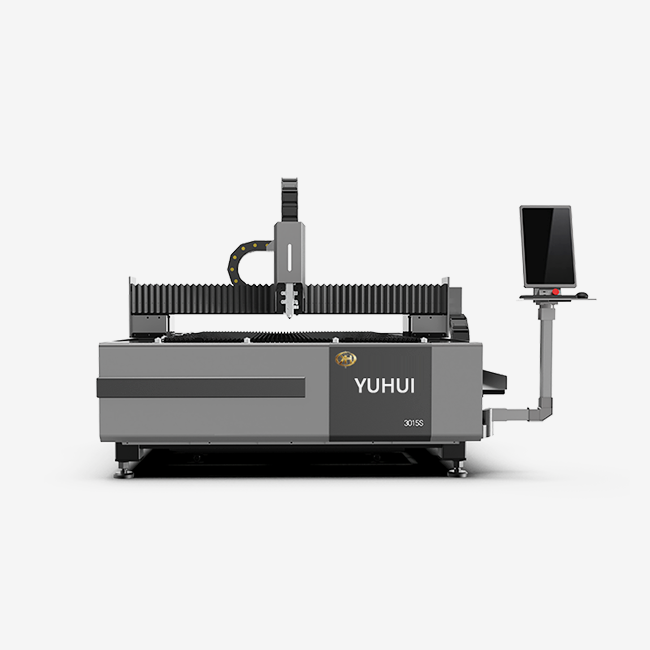
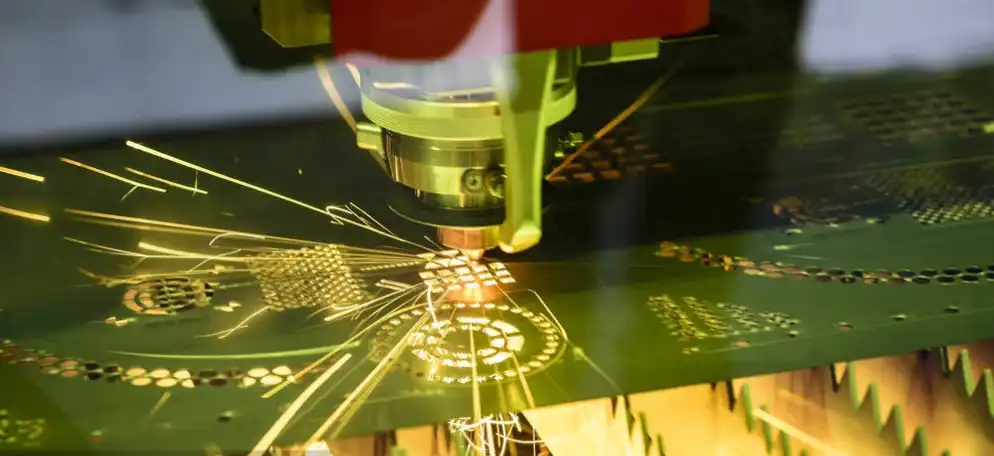
The S Model Plate Fiber Laser Cutting Machine changes the way metal is made by changing old CO₂ and plasma systems with precise fiber laser technology that cuts metal faster, with fewer areas affected by heat, and with better edge quality. This machine was made for small and medium-sized manufacturers who want to save money. It combines small design with powerful performance, running from 1500W to 6000W, so it can reliably process a wide range of metal sheets while cutting down on maintenance costs and production downtime by a large amount.
Understanding the Challenges in Traditional Metal Fabrication
Traditional cutting technologies are putting more and more pressure on metal casting shops across the United States because they can't keep up with the needs of modern production. CO2 laser systems need to have their mirrors aligned and their gas tanks refilled all the time. This means that repair plans are always changing, which slows down work. Plasma cuts make too much heat, which bends thin materials and leaves them with rough edges that need expensive secondary finishing steps. Because mechanical shearing can't handle complicated shapes, makers have to turn down lucrative special orders.
Precision Limitations in Legacy Systems
CO₂ lasers have trouble keeping the kerf width the same over long cutting lines when they are working with thin-gauge stainless steel or complicated car brackets. Gas-based systems have beam divergence that makes heat-affected zones larger, which changes the qualities of the material near the cut edge. This is a big problem when working with aerospace-grade aluminum alloys, which need to be processed with great care because they need to meet strict standards for material approval.
Operational Cost Burdens
In addition to problems with accuracy, standard methods are less profitable because they have hidden costs. A normal CO₂ laser uses between 20 and 30 kW of electricity an hour and needs expensive resonator parts and optical mirrors to be replaced all the time. Plasma systems give off dangerous fumes that require expensive air upgrades and steps to meet environmental standards. In the first three years of business, these added costs often add up to 40 to 60 percent of the initial investment in tools.
Production Bottlenecks and Downtime
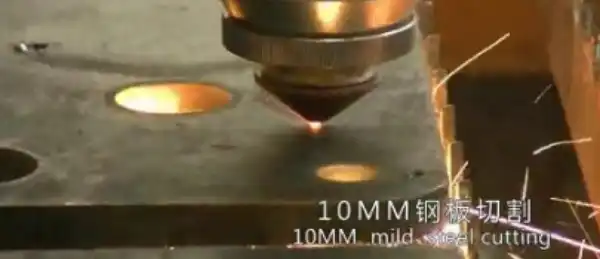
When older cutting technologies need maintenance, it stops production at the worst possible times. Gas laser systems need to be aligned once a week, and their optics need to be cleaned every three months, which can take 8 to 12 hours. When there are short deadlines for orders, machine cuts can't quickly adapt to new designs because they need to change their tools, which takes time. These bottlenecks cause delays that make customers lose faith and limit the shop's ability to serve more people.
How the S Model Plate Fiber Laser Cutting Machine Overcomes These Challenges
The S Model from Yuhui Laser fixes these major problems with a solid-state fiber laser design that gets rid of the main problems with older models. The system makes a focused beam with a wavelength of 1070 nm right inside optical fibers, so it doesn't have to use fragile mirror arrays or gas tanks like CO₂ technology does. This basic difference in engineering leads to real production benefits that have an immediate effect on your bottom line.
Advanced Fiber Optic Beam Delivery
Flexible fiber optic lines are used in the S Model Plate Fiber Laser Cutting Machine to send laser energy from the source to the cutting head. This design is more stable than mirror-based systems. Environmental factors like dust, humidity, and temperature changes can't hurt the beam quality because it moves through thick glass strands instead of open air. This design keeps the focus spot width the same across the whole work area, whether the YH-1313S is used to process a small 1300x1300mm part or the YH-6020S is used to process a full 6000x2000mm part.
Minimal Heat-Affected Zone Performance
When working at a fixed 1070 nm wavelength, fiber lasers are better at absorbing light in metals that reflect it than CO₂ systems that use a 10,600 nm wavelength. Because of this economy, kerf sizes are much smaller and a lot less heat is put in. When cutting 3 mm stainless steel at its fastest speed of 60 m/min, the S Model makes clean edges with heat-affected zones that are less than 0.1 mm wide. This means that the material qualities are kept right up to the cut edge. Without expensive steps like grinding or deburring, the parts come out ready to be welded or put together.
Energy Efficiency and Environmental Compliance
The wall-plug economy is an important but often forgotten feature. The S Model turns 25–30% of the electricity that comes in into laser power, while CO₂ systems only manage 10–15%. Because of this three-fold improvement, a 3000W fiber laser usually only uses 12–15 kW of your building's electricity, which saves you thousands of dollars a year on energy costs. Less energy use also means less carbon emissions, which helps companies meet stricter environmental reporting standards without having to spend more money.
Integrated CNC Control Systems
Yuhui puts smart CNC controllers in every S model. These controllers instantly find the best cutting settings based on the type of material, its thickness, and its shape. The system changes the cutting speed, helps gas pressure, and changes the focal position all the time. This makes up for plate warpage or surface flaws that would lower the quality of work done by hand. The controller handles complicated nesting methods that make the best use of materials while minimizing cycle time. All operators have to do is load CAD files in the standard DXF format.
Key Use Cases and Applications in Metal Fabrication
Because the S Model Plate Fiber Laser Cutting Machine can be used in many different ways, it is essential in many different manufacturing fields, each with its own specific processing needs that fiber laser technology can meet well.
Automotive Component Manufacturing
Sheet metal shops that work with the aftermarket for cars use the S Model to make special body panels, exhaust manifold flanges, and chassis strengthening brackets. The fact that the machine can work with both carbon steel and stainless steel without having to change its tools speeds up the output schedule. When cutting 2mm cold-rolled steel, the system keeps the positional accuracy within ±0.05mm over multiple production runs. This ensures uniform fitting, which lowers the number of rejects on the assembly line.
Architectural Metalwork and Signage
Architectural makers use the S Model's ability to work with shiny metals like copper and brass to make elevator cabs, decorative panels, and parts of the front of buildings. When working with these tough materials, the THF4 military-grade lens that comes with Yuhui systems doesn't get damaged by back reflection, which is what breaks regular glasses. This durability lets shops take on a wide range of projects without having to worry about equipment limits, which greatly increases market possibilities.
Industrial Electrical Enclosures
The S Model's ability to quickly pierce and precisely cut holes is useful for companies that make electrical cabinets and control panels. The system cuts clean holes in galvanized steel for attaching switches, screens, and cable glands without the burrs and distortion that come with plasma cutting. When compared to older methods, production output often doubles, letting shops complete contracts that weren't profitable before because of the amount of work that had to be done.
Electronics and Consumer Goods
The S Model's small size is appreciated by companies that make computer racks, utility housings, and electronics enclosures. Smaller models, like the YH-1313S, have compact structures that can fit into current workshop plans without the need to expand the space. Even though they don't take up much floor room, these machines can produce as much as multiple standard machines could. This helps manufacturers in expensive cities get a better return on their investment.
Depending on the laser power setup, the S model can handle material thicknesses ranging from 0.5 mm to 20 mm. This covers most plate cutting tasks that come up in general manufacturing. For routine upkeep, simple tasks can be done by production staff while their shifts change. Cleaning the protective glasses once a week takes about 15 minutes, and checking the fiber links once a month doesn't require any special tools. Because it is so simple, the machine can be used during multiple shifts without the need for specific maintenance staff, which is a big plus for lean production.
Selecting the Right Fiber Laser Cutting Machine for Your Business Needs
When picking the right fiber laser system, you need to carefully weigh your production needs against your budget and the capabilities of your building. The S Model line has four different working envelope choices that can be used for different operating scales. The quality of the cuts stays the same across the range.
Matching Power and Capacity to Your Workload
The laser power is chosen by the thickness of the material. Most shops that mostly cut 3-6 mm stainless steel and aluminum find that 1500-2000W systems are enough to run efficiently and cost-effectively. When working with 10–12 mm carbon steel or needing to get the most done with smaller materials, 400–6000W setups offer faster pierce times and cutting speeds that have a big effect on daily output. Yuhui's engineering team can look at your usual mix of jobs and tell you what the best power level is that matches capability with cost of operation.
Each of the four sizes of work areas is best for a different type of production. The YH-1313S is best for makers who work with smaller parts like brackets, flanges, and electrical enclosures and whose material sheets are 4x4 feet or smaller. The YH-3015S has the standard size for the industry and can hold full 5x10-foot sheets that are widely sold in North America. The YH-4015S and YH-6020S models get rid of the need for multiple setups that waste time on machines that are too small for shops that work with building panels or big parts for farm equipment.
Evaluating Total Cost of Ownership
The price of the tools is only one part of the expense. During a machine's useful life, its operating costs usually go up much more than its purchase price. The S Model's water-cooling system uses half as much electricity as CO₂ lasers' chillers, which means that monthly energy bills are cut by fifty to seventy percent. The total power of fiber laser sources lasts for about 100,000 hours before they need to be replaced, while CO₂ tubes only last for 2,000 to 4,000 hours. This long life cuts down on consumable costs by a huge amount and gets rid of the production problems that come with having to change parts all the time.
Supplier Reliability and Support Infrastructure
How well the S Model Plate Fiber Laser Cutting Machine works depends a lot on how well the maker can support it. Yuhui Laser keeps a large store of parts, which lets them produce standard configurations in 14 days and ship new parts quickly throughout the life of the equipment. The company's 450-day after-sales service program goes above and beyond normal industry warranties. It's remote diagnostics that fix most problems without having to visit the customer's location. This extra covering keeps your investment safe during the important phase of ramping up production, when workers are still learning the best ways to do things.
Space Requirements and Installation Considerations
The S Model's small size saves money on building setup costs compared to competing systems that are bigger. The total floor space, which includes places for loading materials, is usually only 20–30% bigger than the standard working envelope. This means that it can be installed in existing production space without having to make expensive changes to the building. Because most facilities only need AC380V or 110V at normal industrial frequencies, they can connect equipment without having to upgrade transformers or change panels. Installation teams finish setting up in one to two days, so you can start making money quickly and get a return on your investment.
Future Trends and Innovations in Fiber Laser Cutting Technology
The metal fabrication business is on the verge of huge technological breakthroughs that will change what is expected of output over the next ten years. Yuhui Laser is working hard on next-generation features to make sure that S Model users can stay competitive as these technologies get better and more people use them.
Artificial Intelligence Integration
Machine learning systems now look at cutting data to guess what the best settings are for materials or shapes they haven't worked with before. In future changes to the S Model, AI-assisted nesting software will be added. This software cuts down on material waste by 5–10% compared to traditional rectangular plans. Predictive maintenance systems will keep an eye on how parts work over time and let operators know about possible problems before they happen. This will get rid of unplanned downtime, which costs makers thousands of dollars in lost production.
Industry 4.0 Connectivity
For factory environments to be smart, the tools used must be able to easily talk to enterprise resource planning systems and apps for planning production. Engineers at Yuhui are working on standard interfaces that will let the S Model send real-time information to facility management systems about its state, the amount of material it uses, and quality measures. This connection makes just-in-time production methods possible, which reduce the amount of work-in-process inventory while increasing the rate at which multiple machines are used.
Sustainability and Energy Optimization
Environmental laws are getting stricter around the world, which puts pressure on makers to record and cut down on carbon pollution. Future versions of fiber lasers will have wall-plug efficiencies of more than 35%, which will use even less electricity and have a smaller effect on the world. Advanced assist gas management systems will lower the amount of nitrogen and oxygen used by recovering and reusing cutting gases. This will lower running costs and meet the growing demands of big OEM customers for environmental responsibility.
Once manufacturers get ready to use these new skills, they will have an edge over their competitors, which will help them gain market share and make more money. The S Model's flexible design allows for changes in the field as new ideas move from being tested in the lab to being ready for production. This protects your equipment investment from becoming outdated.
Conclusion
The S Model Plate Fiber Laser Cutting Machine has been used successfully by metal makers who want to get rid of the problems caused by old cutting technologies and set up their businesses for long-term growth. It solves the main problems small and medium-sized makers face by combining small design, strong performance across 1500W to 6000W power ranges, and excellent build quality. The heavy-duty 6 mm wall rectangle tube design and 3,000 kg body weight of the machine guarantee stable dimensions that keep the accuracy of the work for decades. The S Model is a great deal when you look at the total cost of ownership, which includes things like energy use, repair needs, and useful uptime. It makes the business more profitable from the very first production run and for many years after that.
FAQ
What materials can the S Model cut effectively?
Carbon steel, stainless steel, aluminum, brass, copper, galvanized steel, titanium, and most other metals used in industrial manufacturing can be worked on by the S Model. Depending on how the laser power is set up, it can handle material thicknesses from 0.5 mm thin gauge to 20 mm plate. Copper and brass are reflective metals that need the THF4 military-grade lens that comes with Yuhui systems to keep them from getting damaged by back reflection. The machine can't cut through things that aren't metal, like stone, plastic, or wood.
How does fiber laser technology compare to CO₂ systems?
Fiber lasers use three times less electricity, don't need much upkeep, and don't have the optical coordination problems that CO2 systems do. The 1070nm frequency is better at absorbing light in metals, which makes the kerf lengths and heat-affected zones smaller. Over the course of five years, the costs of running these machines are usually 40–60% less than those of similar CO₂ machines.
What training is required to operate the S Model?
Operators who already know the basics of CNC can become proficient in just two to three days of hands-on training. As part of the usual delivery, Yuhui offers full installation help and technical training. The easy-to-use control panel uses standard DXF file types that work with popular CAD software. This makes it easier for staff who already know how to work with metal to learn how to use the machine.
What is the typical return on investment timeline?
Most fabricators get their money back on the equipment they bought within 18 to 24 months. This is because they can now accept higher-margin special work that they couldn't before because of their equipment's limits. When shops replace several older machines, they usually get their money back within a year by saving money on work and better using their materials.
Partner with a Trusted Fiber Laser Cutting Machine Manufacturer
Yuhui Laser has made a name for itself as a trustworthy provider of S-model plate fiber laser cutting machines, dedicated to offering unbeatable value through top-notch tech and customer service. Our factory methods are CE and ISO approved, which means that every machine meets strict quality standards. Also, because we sell directly to consumers, there are no markups from distributors that drive up prices without adding value. Our 450-day after-sales service program gives you peace of mind during the important ramp-up period, and the 14-day production lead time gets your equipment up and running quickly. Our engineering team works directly with you to choose the best system, whether you need a basic configuration or a solution that is tailored to your specific output needs. Get in touch with us right away at jianghui@yuhui-laser-tech.com to talk about how the S Model can change the way you make metal things and set up your business for long-term growth.
References
1. Powell, J. (2021). CO2 Laser Cutting: Third Edition. Springer International Publishing.
2. Steen, W. M., & Mazumder, J. (2023). Laser Material Processing: Fifth Edition. Springer-Verlag London.
3. Chryssolouris, G. (2022). Manufacturing Systems: Theory and Practice. Springer Nature Switzerland.
4. Ion, J. C. (2020). Laser Processing of Engineering Materials: Principles, Procedure, and Industrial Application. Butterworth-Heinemann.
5. Ready, J. F., & Farson, D. F. (Eds.). (2024). LIA Handbook of Laser Materials Processing: Second Edition. Laser Institute of America.
6. Migliore, L. (2023). Laser Materials Processing for Industrial Applications. CRC Press.
Contact us directly for customized solutions, quotations and long-term strategic cooperation.