- English
- French
- German
- Portuguese
- Spanish
- Russian
- Japanese
- Korean
- Arabic
- Greek
- German
- Turkish
- Italian
- Danish
- Romanian
- Indonesian
- Czech
- Afrikaans
- Swedish
- Polish
- Basque
- Catalan
- Esperanto
- Hindi
- Lao
- Albanian
- Amharic
- Armenian
- Azerbaijani
- Belarusian
- Bengali
- Bosnian
- Bulgarian
- Cebuano
- Chichewa
- Corsican
- Croatian
- Dutch
- Estonian
- Filipino
- Finnish
- Frisian
- Galician
- Georgian
- Gujarati
- Haitian
- Hausa
- Hawaiian
- Hebrew
- Hmong
- Hungarian
- Icelandic
- Igbo
- Javanese
- Kannada
- Kazakh
- Khmer
- Kurdish
- Kyrgyz
- Latin
- Latvian
- Lithuanian
- Luxembou..
- Macedonian
- Malagasy
- Malay
- Malayalam
- Maltese
- Maori
- Marathi
- Mongolian
- Burmese
- Nepali
- Norwegian
- Pashto
- Persian
- Punjabi
- Serbian
- Sesotho
- Sinhala
- Slovak
- Slovenian
- Somali
- Samoan
- Scots Gaelic
- Shona
- Sindhi
- Sundanese
- Swahili
- Tajik
- Tamil
- Telugu
- Thai
- Ukrainian
- Urdu
- Uzbek
- Vietnamese
- Welsh
- Xhosa
- Yiddish
- Yoruba
- Zulu
How to maximize CO2 laser results?
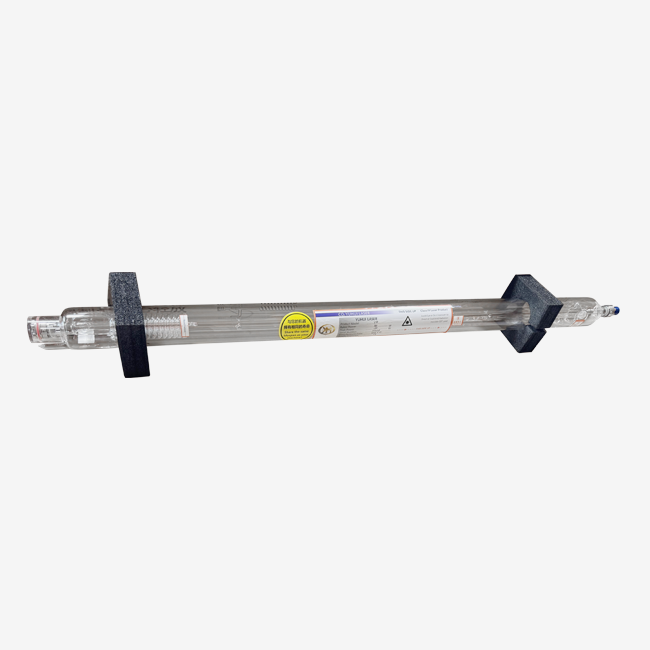
To maximize CO₂ laser outcomes, choose the suitable equipment, follow regular maintenance routines, and optimize operational settings for your application. The Z Series CO₂ laser tube is a sophisticated solution for industrial laser processing performance limitations. These tubes have improved catalyst coatings and thermal management systems to sustain power production over time. Manufacturers may achieve high cutting precision, long tube life, and dependable operation with adequate cooling, maintenance, and parameter changes. Understand your manufacturing needs and link them with advanced CO2 laser tube designs' technological capabilities.
Understanding the Foundations of Z Series CO₂ Laser Tubes
Core Design Principles
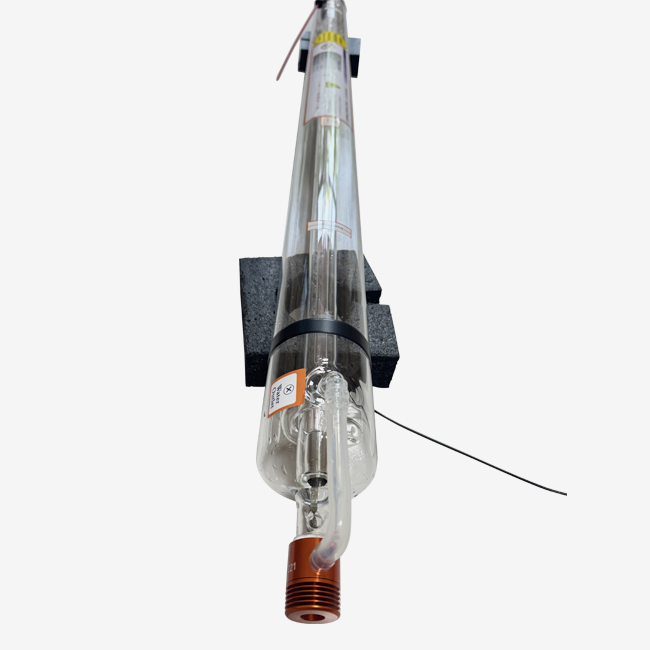
The Z Series CO₂ laser tube advances CO₂ laser tube engineering. Advanced glass tubes with internal catalyst coatings maintain gas mixture integrity throughout their operating life, unlike regular glass tubes that degrade rapidly. An customizable alloy construction and strong heat dissipation systems guarantee beam quality throughout lengthy manufacturing cycles.
These tubes are distinguished by their industrial durability engineering. Great-quality optical lenses provide fine light spots and great beam quality, enabling processing precision that satisfies strict quality standards. Sheet metal fabrication, signs manufacturing, and textile cutting operations employing these tubes claim better edge quality and dimensional precision than traditional alternatives.
Operational Characteristics
A balanced combination of carbon dioxide, nitrogen, and helium gases produces coherent infrared light in these laser tubes. Gas dissociation, which causes power depreciation in traditional designs, is prevented by the tube's catalyst coating. Chemical stability means constant performance over time, which is important for industrial situations because output predictability influences scheduling and cost calculations.
The heat management system needs special care. Heat from prolonged operation can degrade beam quality and increase component degradation. The improved heat dissipation design supports 24/7 manufacturing cycles without thermal drift. Production managers like its consistency since it prevents power recalibration during extended cutting jobs.
Industrial Application Scope
These tubes perform well in many factories. They cut precisely through 15-22 mm plywood with vertical edge quality for packing molds in industrial die-board manufacture. Acrylic fabrication businesses benefit from flame-polished edges on thick PMMA sheets without human post-processing. Textile producers use thermal stability for multi-layer fabric cutting on huge work beds, where dimensional precision over long production cycles affects material loss and throughput.
Non-contact processing minimizes burrs and material distortion, eliminating additional finishing. This benefit is especially useful for processing leather, wood, fabric, and composites, where surface quality influences product value.
Key Challenges in Maximizing CO₂ Laser Performance and How to Overcome Them
Performance Degradation Prevention
Laser operators' biggest complaint is power deterioration. Operators must increase cutting passes or lower processing speeds when conventional tubes lose production within months. Gas mixture degradation and optical component contamination cause this degradation. A preventative maintenance schedule fixes these faults before production.
Industry testing shows the catalyst coating method enhances the Z Series CO₂ laser tube service life 1.5 times longer than comparable items. This durability reduces replacement cycles and downtime. Cutting speed and discharge color should be monitored; a shift from light purple to white or blue signifies end-of-life.
Maintenance Protocols
Regular maintenance affects tube life and performance. Maintaining water temperature between 15°C and 25°C avoids thermal stress on glass components in the cooling system. Industrial chillers like the CW-5000 or CW-5200 regulate temperature. Poor cooling promotes power degradation and threatens catastrophic tube collapse.
Beam quality and cutting efficiency depend on optical component cleanliness. The output coupler and optical lenses collect processing waste, especially when cutting plastics or coated metals. Monthly anhydrous ethanol cleaning preserves beam focus. Operators with poor cutting performance should check optical surfaces before assuming tube deterioration.
Overheating and cracking might result from cooling jacket air bubbles. Installation should place the water input at the bottom and exit at the top. Air is released by slowly rotating the tube during setup. These straightforward installation methods eliminate tube reliability-compromising failure scenarios.
Installation Best Practices
Proper installation reduces tube-altering mechanical stress. The tube should be supported at quarter-points with cushioned mounts to absorb vibration. Glass stress from rigid mounting or incorrect support distribution causes premature cracking, especially during temperature variations.
Performance is optimized by beam alignment testing after installation. TEM00 should properly center in the optical path. Poor power supply and uneven cutting come from misalignment. Starting with correct alignment avoids production-related issues.
Strategic Comparison: Z Series CO2 Laser Tubes vs Other Laser Tube Types
Durability and Lifespan Analysis
Traditional glass tubes last 3,000–5,000 hours before losing electricity. Advanced design improves longevity to 10,000 hours when operated within suggested current parameters—capping operating current at 26-28 mA maximizes lifespan. Replacement frequency and downtime costs decrease with this prolonged operational duration.
Distributors and manufacturers can store Z Series CO₂ laser tubes for up to five years without performance degradation. This storage stability eliminates concerns about pre-ordering or storing backup tubes for emergencies.
Performance Under Continuous Operation
Extended production runs require steady output in industrial settings. The consistent power output allows long-term work without beam drift, unlike lower-quality alternatives. Sheet metal fabricators using 16-hour production days report consistent cutting rates across shifts, minimizing the need for parameter modifications that impede output.
High photoelectric conversion efficiency saves energy over the tube's lifetime. Lower power consumption lowers operational expenses, and the small construction facilitates laser machine installation. These practical features make the tubes ideal for cost-conscious producers seeking consistent performance.
Return on Investment Considerations
Initial purchase cost counts, but overall cost of ownership is apparent. The long lifespan and consistent performance decrease replacement costs and production disruptions. Consistent beam quality lowers material waste and rework costs, reducing quality rejections.
One tube fulfills several manufacturing demands since it can handle acrylic, wood, leather, fabric, and other non-metallic materials. This adaptability allows job shops and contract manufacturers to meet diverse client needs without different systems.
Best Practices to Maximize CO2 Laser Results Using Z Series Tubes
Parameter Optimization Strategies
Laser settings must match material properties for optimum results with a Z Series CO₂ laser tube. Cut quality and processing efficiency depend on power, cutting speed, and pulse frequency. Thick acrylic needs greater power with moderate speeds for flame-polished edges, whereas thin textiles need lower power with higher speeds to avoid melting.
Material thickness affects parameter choice. When power and speed are balanced, the tube can cut 18-20mm plywood in one pass for die-board manufacture. Testing parameter combinations on material samples before production reduces waste and finds application-specific values.
A flexible alloy structure lets beam properties be tailored to processing needs. This flexibility helps when switching materials or adjusting composition changes that affect absorption.
Integration into Production Workflows
Seamless integration boosts equipment ROI. The small form and conventional mounting dimensions allow installation in current laser cutting machines without any changes. Automation integrators like intelligent control system compatibility for production line integration.
In independent machines and integrated production cells, the tubes perform well. Laser cutting in bigger fabrication processes for automotive parts manufacturers is seamless and dependable, maintaining production schedules. This dependability becomes more critical as just-in-time production eliminates buffer inventories.
Vendor Partnership Value
Long-term operational performance is improved by choosing providers with good technical support. Installation help, parameter optimization advice, and fast troubleshooting lessen the learning curve and production disruptions during equipment deployment. The extended 450-day warranty shows manufacturer confidence in product reliability.
Genuine replacement parts and technical documentation ensure proper maintenance. False optical components or cooling system specs reduce performance and risk damaging expensive equipment. Using approved providers safeguards equipment investments and controls operations.
Procurement Considerations for Z Series CO₂ Laser Tubes
Supplier Evaluation Criteria
It takes more than price to find reliable suppliers for Z series CO₂ laser tubes. CE and ISO certifications ensure production quality and regulatory compliance, which is crucial for exporting to safety-conscious regions. These certifications show systematic quality control that affects product consistency.
Production lead time impacts supply chain planning. Suppliers with enough inventory and 14-day delivery windows allow timely procurement to reduce production disruptions when replacements are needed. This responsiveness is critical during peak production periods when equipment downtime affects income.
Factory-direct pricing eliminates distribution markups and provides technical expertise directly. Manufacturers benefit from talking with experts that understand product requirements and can offer the best configurations for specific applications.
Logistics and Supply Chain Planning
International procurement impacts delivery time and cost due to shipping. Logistics agreements guarantee safe shipment of sensitive optical components. Understand customs clearance and documentation requirements to avoid replacement schedule delays.
Bulk purchases can save money, but storage and capital allocation must be considered. Advanced purchase is possible for high-volume consumers or regional distributors due to five-year storage stability.
Long-Term Investment Strategy
A replacement plan based on operational hours prevents production-halting malfunctions. Using performance indicators like cutting speed and discharge color to predict replacement needs allows regular maintenance rather than emergency interventions.
Spare tube inventory balances costs and downtime. Higher-volume producers have one backup tube for important equipment, whereas lower-volume companies may use quick-turnaround supplies. This depends on operational risk tolerance and production schedule flexibility.
Conclusion
Technology selection, operational best practices, and strategic supplier collaborations maximize CO2 laser results. Advanced catalyst coatings, heat management, and sturdy construction enhance operating life beyond standard options in the Z Series CO₂ laser tube. These tubes reach their maximum capacity when properly installed, maintained, and optimized for certain materials. Instead of pricing, procurement experts should evaluate suppliers based on certifications, technical support, and delivery reliability. Quality equipment ensures constant performance, decreased downtime, and cheaper total cost of ownership during the tube's prolonged lifespan.
FAQ
How long do Z-series CO₂ laser tubes typically last in industrial applications?
These tubes last 10,000 hours when used at suggested limits, such as 26-28 mA working current and 15-25°C cooling. This product lasts 1.5 times longer than comparable goods, providing years of reliable operation in common production conditions.
What causes tubes to fire but fail to cut effectively?
This is usually caused by polluted output couplers or beam misalignment. Check optical surfaces for residue and clean with anhydrous ethanol. Check TEM00 spot centers in the optical path. Power supply concerns or nearing end-of-life may diminish cutting efficacy.
Can these tubes work with existing laser cutting equipment?
Compact design and standard dimensions allow installation in most industrial laser equipment. Power and mounting requirements determine compatibility. Consulting with technical support before buying ensures tube parameters meet equipment capabilities.
Partner With Yuhui Laser for Superior CO₂ Laser Tube Solutions
Industrial-grade laser equipment from Yuhui Laser is designed for demanding manufacturing situations. As CE- and ISO-certified Z Series CO₂ laser tube manufacturers, we offer trustworthy solutions with 450-day warranties and complete technical support. The factory-direct variant uses THF-4 military-grade optical components and extensive performance testing to offer an affordable cost without sacrificing quality. Our 14-day production lead time facilitates rapid supply chain management, and our customization options meet application needs. Our equipment is trusted by Southeast Asian, Middle Eastern, and European manufacturers for dependability and performance. Contact our technical staff at jianghui@yuhui-laser-tech.com to discuss your laser processing needs and how our solutions can boost productivity.
References
1. Powell, J. (2022). CO2 Laser Cutting Technology and Applications. Industrial Press.
2. Steen, W. M., & Mazumder, J. (2024). Laser Material Processing: Fundamentals and Industrial Applications. Springer Publishing.
3. Zhang, L., & Chen, H. (2023). "Performance Analysis of Advanced CO2 Laser Tubes in Industrial Manufacturing." Journal of Laser Applications, 35(2), 112-126.
4. International Standards Organization. (2023). ISO 11553: Safety of Machinery – Laser Processing Machines. ISO Publications.
5. Mitchell, R. (2021). Industrial Laser System Maintenance and Optimization. Technical Publishing House.
6. European Committee for Standardization. (2024). EN 12626: Safety Requirements for Laser Equipment Used in Material Processing. CEN Standards.
Contact us directly for customized solutions, quotations and long-term strategic cooperation.