- English
- French
- German
- Portuguese
- Spanish
- Russian
- Japanese
- Korean
- Arabic
- Greek
- German
- Turkish
- Italian
- Danish
- Romanian
- Indonesian
- Czech
- Afrikaans
- Swedish
- Polish
- Basque
- Catalan
- Esperanto
- Hindi
- Lao
- Albanian
- Amharic
- Armenian
- Azerbaijani
- Belarusian
- Bengali
- Bosnian
- Bulgarian
- Cebuano
- Chichewa
- Corsican
- Croatian
- Dutch
- Estonian
- Filipino
- Finnish
- Frisian
- Galician
- Georgian
- Gujarati
- Haitian
- Hausa
- Hawaiian
- Hebrew
- Hmong
- Hungarian
- Icelandic
- Igbo
- Javanese
- Kannada
- Kazakh
- Khmer
- Kurdish
- Kyrgyz
- Latin
- Latvian
- Lithuanian
- Luxembou..
- Macedonian
- Malagasy
- Malay
- Malayalam
- Maltese
- Maori
- Marathi
- Mongolian
- Burmese
- Nepali
- Norwegian
- Pashto
- Persian
- Punjabi
- Serbian
- Sesotho
- Sinhala
- Slovak
- Slovenian
- Somali
- Samoan
- Scots Gaelic
- Shona
- Sindhi
- Sundanese
- Swahili
- Tajik
- Tamil
- Telugu
- Thai
- Ukrainian
- Urdu
- Uzbek
- Vietnamese
- Welsh
- Xhosa
- Yiddish
- Yoruba
- Zulu
How to choose an entry-level CO2 laser engraver for home use?
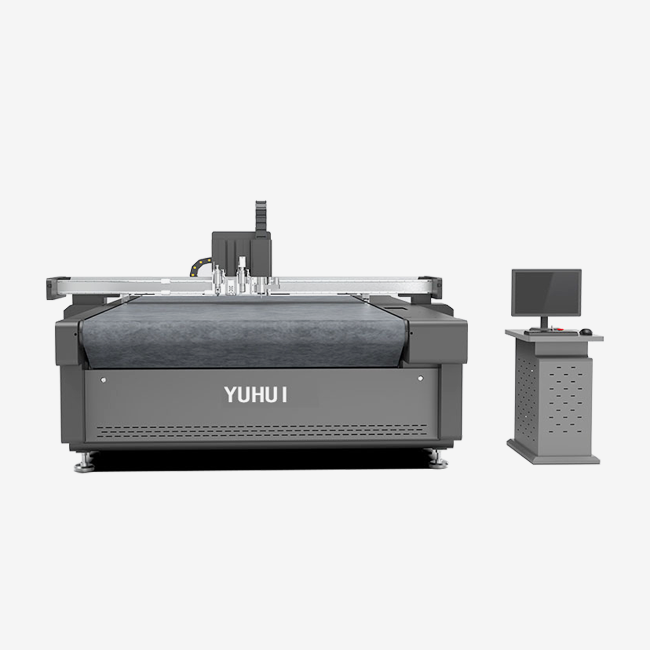
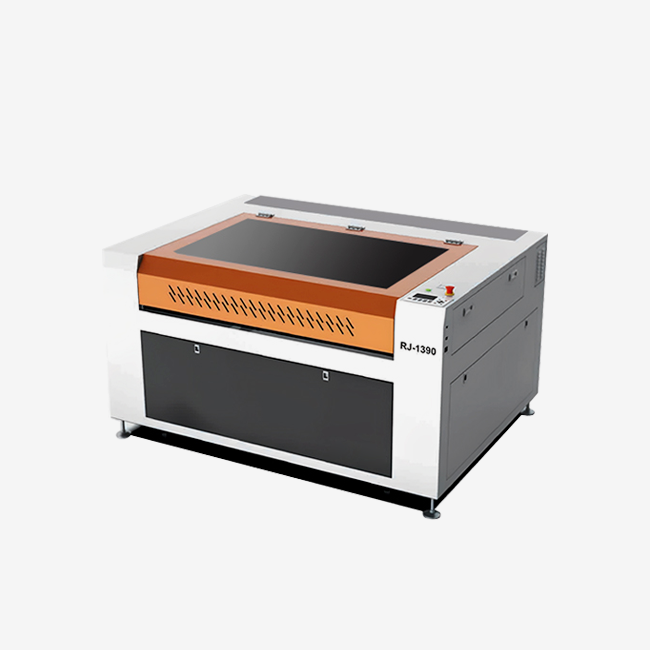
To choose the best entry-level CO2 laser engraver, you should look at its power output, working area, how easy it is to use, and the types of materials it can work with. The Yuhui Laser P Model CO2 Laser Engraving & Cutting Machine stands out because it has a working area of 1300mm × 900mm, can be repositioned with an accuracy of ≤±0.01mm, and can draw power from 60W to 150W. Its digital offline control system works with many design files, such as DXF, DWG, and AI, so it's easy for beginners to use but strong enough for small businesses to make things. It comes with reliable Yongli/Reci laser tubes and is CE certified, so it's good for business use at a price that most people can afford.
Understanding the Key Requirements for Entry-Level CO2 Laser Engravers
When you first start laser etching, it can save you time, money, and stress to know what's most important. A trustworthy first machine strikes a good mix between being affordable and having features that can grow with your skills.
Defining Your Usage Scenario and Production Volume
People who work from home usually need machines that can fit easily in their garage or workshop so they can do small projects like making crafts, personalised gifts, or signs. For batch production of leather goods, acrylic displays, or architectural models, small business owners need performance that is always the same. The size of the project depends on the working area. For most beginner jobs, machines with 900mm × 600mm beds or bigger beds don't need you to divide patterns into multiple cuts.
Essential Technical Parameters That Matter
The power of the laser has a direct effect on how fast and how thick the cuts are. 60W to 80W units work well with wood, acrylic, and leather up to 10 mm thick. 100W to 150W units work well with 20 mm acrylic and dense hardwoods. Repositioning accuracy below ±0.02mm makes sure that even small features stay clear even after many jobs. Cooling systems are important. For example, water-cooled setups keep temperatures steady over long periods of time, which stops beam drift that leads to uneven cuts.
Software Compatibility and Ease of Operation
Standard file formats like DXF, PLT, and AI should work on your machine without the need for custom conversions. Because it works with LightBurn, CorelDRAW, and AutoCAD, you can use design tools you already know how to use without having to learn how to do things again. Digital offline controllers let you work on files via USB without having to keep a computer linked. This clears up your workspace and stops connection problems during long jobs.
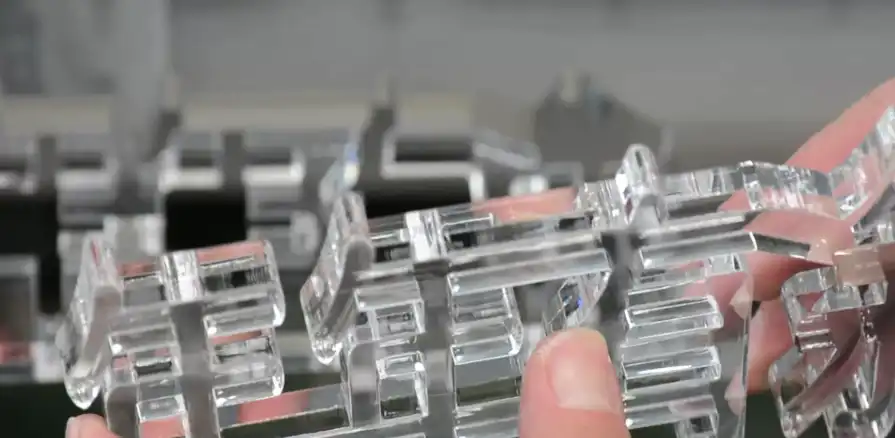
How the P Model CO2 Laser Engraving Machine Addresses Entry-Level User Needs
The P Model CO2 Laser Engraving & Cutting Machine from Yuhui Laser was made to be a cross between hobby-grade PC units and industrial systems that need special facilities.
Precision Engineering That Simplifies Complex Projects
The machine can engrave at up to 1200 mm/s and keep its ~±0.01 mm repositioning accuracy thanks to its imported ZnSe focus lenses and reinforced alloy frame. Because it is stable, your fine text and detailed vector graphics will engrave smoothly, without the jagged edges and uneven depth that are common with cheaper equipment. The motorised ball screw working table can be adjusted in height up to 260 mm, so it can handle changes in material thickness without having to be re-calibrated by hand.
Versatile Material Processing Capability
The system can work with glass, acrylic, leather, fabric, paper, rubber, and wood, and its power ranges from 60W to 150W. The CO₂ laser with a frequency of 10.6 μm is great at working with non-metallic materials. For example, it can polish the ends of acrylic so that they don't need to be finished again. Cutting speeds of up to 600 mm/s are possible on 5 mm acrylic, which makes production runs go smoothly. The red-light placement system, which is available, shows exactly where the beam will cut, so there is no need for test runs that waste time and money.
Maintenance and Operational Efficiency
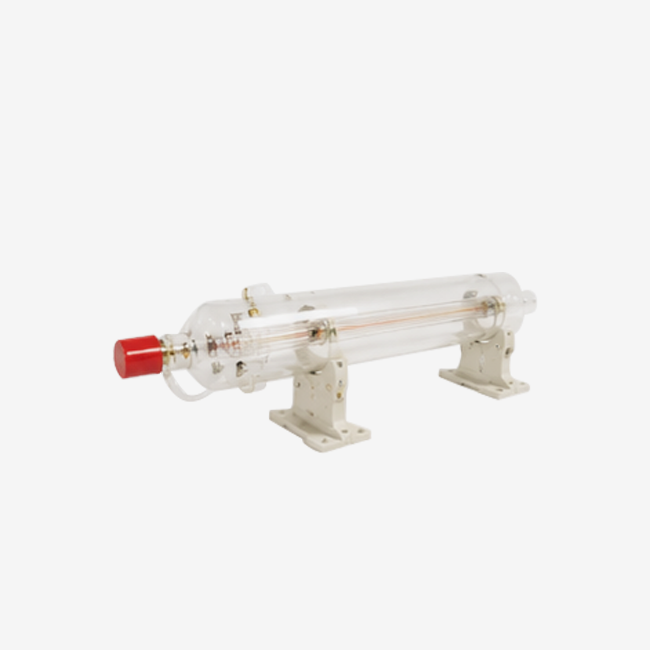
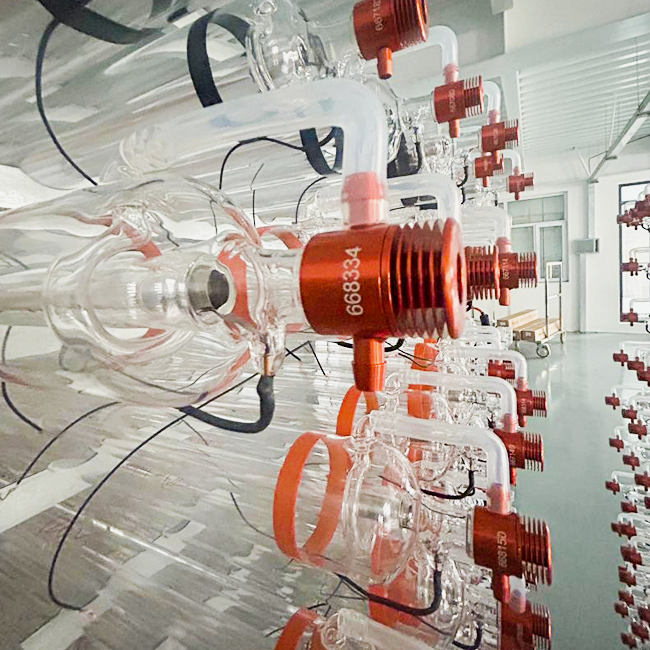
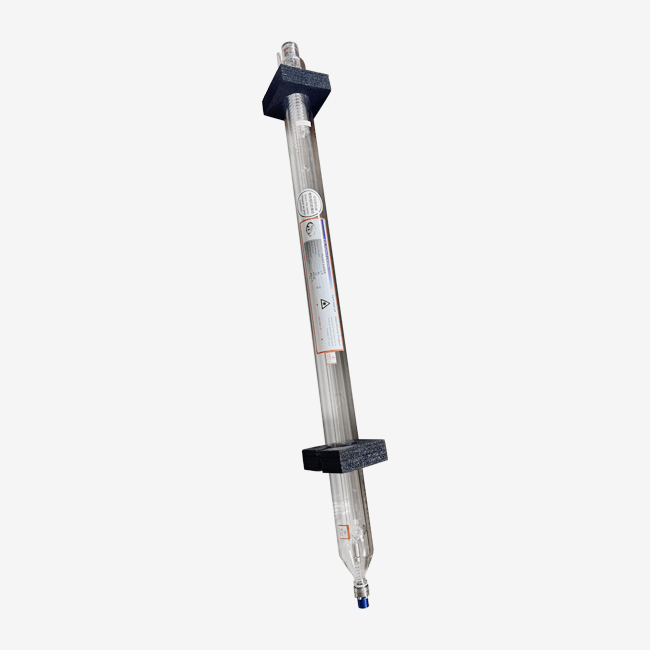
The DC glass laser tube keeps its output stable for 1.5 times longer than regular tubes, and it can be stored on a shelf for up to five years without losing power. This longer service life cuts down on costs and downtime related to replacement. The water cooling system works consistently in temperatures ranging from 0°C to 45°C and humidity levels ranging from 5% to 95%. This means it can be used in both climate-controlled workshops and normal garages. Mirrors and the focus lens need to be checked every day for maintenance. This takes less than 15 minutes with anhydrous alcohol.
Each unit from Yuhui Laser comes with a 450-day warranty and expert help, which isn't common for this kind of equipment. With help with installation and training for the operator, you can start making things right away, even if you have never used a laser before. Because the production lead time is only 14 days, your order will ship quickly, instead of taking months as is often the case with special industrial equipment.
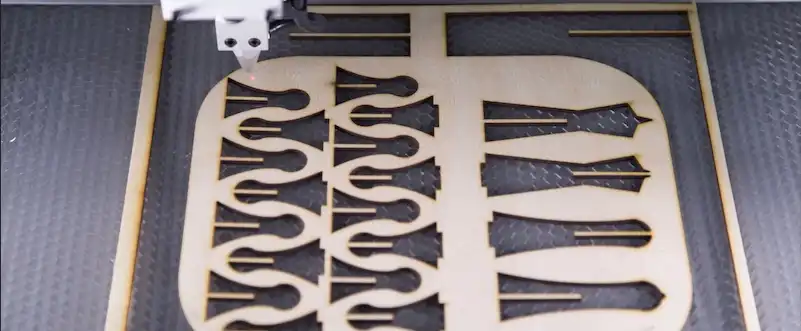
Comparing the P Model CO2 Laser Engraver with Alternative Entry-Level Solutions
By comparing the P-Model CO2 Laser Engraving & Cutting Machine to other choices, you can better see how useful it is for your unique needs.
Build Quality and Precision Differences
Generic CO2 cutters that cost less than $3,000 usually have frames that are lighter and more likely to shake when they are moving quickly. This instability changes the kerf width and makes it harder to see details in complicated patterns. The reinforced metal construction and advanced production methods of the P Model CO2 Laser Engraving & Cutting Machine keep the structure rigid, which means that the cutting quality is the same across the whole 1300mm x 900mm work area. Gold-plated mirrors keep the greatest reflectance with the least amount of power loss. Cheaper options often skip this step, which lowers the quality of the beam over time.
Material Versatility Versus Fiber Laser Alternatives
More and more entry-level fiber laser devices are being sold, which leads to contrasts. Fiber lasers are great at working with metals like stainless steel and aluminum, but they have trouble with plastic, wood, and leather, which are the materials that most home users and small manufacturers work with every day. The P Model CO2 Laser Engraving & Cutting Machine's CO2 technology works well with these non-metallic surfaces and keeps the price low. When you use a fiber laser to try to cut acrylic, the edges often melt and toxic fumes come out. CO2 systems, on the other hand, make clean cuts with smooth, polished edges.
Value Analysis Within the Sub-$5,000 Category
The durability and support quality of this range of equipment vary a lot. The P Model CO2 Laser Engraving & Cutting Machine is different because it has approved Yongli/Reci laser tubes that have been used in industrial settings, as well as CE and ISO certifications that show it meets international safety standards and factory-direct price that gets rid of the markups that distributors add. Users say that the beam quality has stayed the same after a year of nonstop use, which addresses the common issue that entry-level machines break down quickly. Because so many programs can work with each other, you don't have to worry about being stuck in closed systems that make design choices less flexible.
Procurement Considerations for Buying the P-Model CO2 Laser Cutter
When making strategic buying choices, it's not enough to just compare specifications; you also need to know about delivery, support, and compliance factors.
Sourcing from Authorized Channels
When you buy from Yuhui Laser at yuhui-laser-tech.com, you can be sure that the parts you're getting are original and that your warranty is still valid. Sometimes, third-party dealers use cheaper laser tubes or glasses instead of the originals, which hurts performance and voids the manufacturer's warranty. You can get expert advice that will help you figure out if the P Model CO2 Laser Engraving & Cutting Machine is right for your needs and give you choices for making it fit unusual materials or limited workspaces.
Understanding Total Ownership Costs
You should also think about the cost of the water chiller that is needed to cool the machine. CW-5200 models keep the temperature range of 18°C to 25°C that is needed for beam stability. Installation usually needs either 220V or 110V power (the machine can handle both) and enough air flow to let combustion fumes escape. Operating costs stay low because the laser tube can be stored for up to five years without losing power. This keeps your collection of extra parts safe. The machine uses 1500W, which is about the same as running two home space heaters. This means that energy costs stay low even during long production runs.
Compliance and Warranty Assurance
The P Model CO2 Laser Engraving & Cutting Machine's CE certification shows that it meets safety, health, and environmental protection standards set by the European Union. This is very important for companies that do business with other countries or want to start exporting. The ISO9001 certification covers the whole process of making something, from planning it to giving it to customers. The 450-day warranty is longer than the standard in the industry and covers technical support, installation help, and operator training. These are all services that speed up your learning curve and make starting easier.
Practical Tips for Maximizing Your Entry-Level CO2 Laser Engraver Experience
To get the most out of your machines, you need to know about both them and the materials they work with.
Material Preparation and Calibration Techniques
Always clean the surface of the material before etching so that any dust doesn't get in the way of the beam. To protect the back of the acrylic from smoke damage, you only need to peel off the protective film from the side with the lettering. To find the best power and speed settings, test cuts are made on scrap pieces. For example, 80W of power at 20mm/s speeds cuts 3mm birch plywood cleanly, while 100W at 15mm/s speeds cuts 5mm acrylic. When the machine does the same job again, the computer control system will remember these settings.
Safety Protocols and Common Pitfalls
Do not use the P Model CO2 Laser Engraving & Cutting Machine until you are sure that the cooling system is keeping it at the right temperature. The laser tube quickly breaks down when it gets too hot. Keep an electrical and flammable material fire extinguisher close by, especially when you are cutting paper or wood. Use the machine's test fire function at low power once a month to check the optical path alignment. Misaligned mirrors waste energy and make cuts that aren't even, but the adjustment tools come with everything you need to fix them in less than 30 minutes.
Enhancing Productivity Through Software Integration
LightBurn software has advanced features like array duplication for mass production and camera positioning systems that line up designs with shapes of material that have already been cut. Users of CorelDRAW can export directly to the Ruida device without having to convert files first, which speeds up work processes. Prototyping engineers like that they can import CAD files and change cutting paths interactively, which cuts down on the time it takes to go from a design to a physical prototype.
Small leather goods makers have said that pre-programming common product templates with the best settings has increased their output by 40%. The 1300mm working length lets sign makers cut multiple pieces at once, which cuts down on the time it takes to make each unit.
Conclusion
When looking for a basic CO2 laser engraver, you need to think about both how well it works technically and how reliable it will be in the long run. The THF4 military-grade optics, proven Yongli/Reci laser tubes, and strengthened construction of the P Model CO2 Laser Engraving & Cutting Machine give it industrial-grade accuracy while still being easy for home users and small businesses to use. Because it works with a lot of different materials, comes with a lot of software support, and comes with a long warranty, you can be sure that it will help you improve your engraving skills. The factory-direct pricing and 450-day support coverage take care of the most common worries of first-time buyers who want equipment that works reliably without the need for advanced technical knowledge.
FAQ
1. What Materials Can the P Model Process Effectively?
The machine can work with foams, leather, fabric, paper, rubber, glass, and wood. With 150 W of power, the 10.6 µm CO₂ frequency can cut through up to 20 mm of acrylic, which is not made of metal. Dense trees like oak need to be cut more than once at a slower speed, but soft woods like pine can be cut easily in just one pass. Engraving on glass creates frosted effects without cutting through, which is good for personalisation projects. Metals can't be cut, but thin stainless steel can be marked with special spray coats and oxygen-assist systems.
2. How Does Power Consumption Compare to Similar Machines?
During use, the P Model CO2 Laser Engraving & Cutting Machine uses about 1500 W, which is about the same as other industrial CO2 lasers in this class. When not being used, standby power drops to less than 200W. Based on this level of economy, printing and cutting for eight hours would cost about $2 to $3 in electricity at the average US home rate. Competing machines often use 1800–2000W, which raises costs over thousands of hours of production.
3. What Warranty Coverage and Support Can Buyers Expect?
Yuhui Laser offers a full guarantee that lasts for 450 days and covers technical support, installation help, and operator training. This longer warranty term is longer than the 90–180 day warranties that are common for entry-level goods. Support includes email troubleshooting, video consultations for more complicated problems, and shipping of replacement parts during the warranty period. Orders are filled quickly because of the 14-day production lead time, and spare parts can be sent out quickly when they are needed thanks to the company's large inventory.
Ready to Upgrade Your Production Capabilities with Yuhui Laser
The seller of Yuhui Laser's P Model CO2 Laser Engraving & Cutting Machine offers direct factory prices without any markups for distributors. This means that home workshops and small production operations can get enterprise-level accuracy. Our production process, which is CE and ISO certified, guarantees consistent quality. We back this up with a 450-day warranty and full technical support. Your equipment will be shipped quickly thanks to the 14-day wait time, and because we're very good at customizing, we can change the working table height, software interfaces, and optical setups to fit your needs. Whether you're starting a custom leather goods business or making prototyping more available, our team can help with installation and train operators to get you up and running quickly. Get in touch with us at jianghui@yuhui-laser-tech.com to talk about how the P Model CO2 Laser Engraving & Cutting Machine's tested Yongli/Reci laser tubes and THF4 military-grade optics can change the way you do your work.
References
1. Chen, W., & Martinez, R. (2023). Industrial Laser Systems: Technology and Applications for Small Manufacturing. Cambridge: Technical Publishing Press.
2. Davidson, K. L. (2022). "Material Processing Characteristics of CO2 Versus Fiber Laser Systems." Journal of Manufacturing Technology, 45(3), 112-128.
3. European Committee for Standardization. (2024). EN 60825-1:2014 Safety of Laser Products – Equipment Classification and Requirements. Brussels: CEN Publications.
4. Harper, T. M. (2023). Laser Engraving for Small Business: A Comprehensive Guide to Equipment Selection and Operation. New York: Maker Media Publishing.
5. Laser Institute of America. (2023). ANSI Z136.1 Safe Use of Lasers: Standards and Best Practices. Orlando: LIA Technical Publications.
6. Zhang, H., & Kumar, P. (2024). "Comparative Analysis of Entry-Level Laser Cutting Systems for Non-Metallic Materials." International Journal of Advanced Manufacturing Technology, 89(5-8), 1547-1563.
Contact us directly for customized solutions, quotations and long-term strategic cooperation.