- English
- French
- German
- Portuguese
- Spanish
- Russian
- Japanese
- Korean
- Arabic
- Greek
- German
- Turkish
- Italian
- Danish
- Romanian
- Indonesian
- Czech
- Afrikaans
- Swedish
- Polish
- Basque
- Catalan
- Esperanto
- Hindi
- Lao
- Albanian
- Amharic
- Armenian
- Azerbaijani
- Belarusian
- Bengali
- Bosnian
- Bulgarian
- Cebuano
- Chichewa
- Corsican
- Croatian
- Dutch
- Estonian
- Filipino
- Finnish
- Frisian
- Galician
- Georgian
- Gujarati
- Haitian
- Hausa
- Hawaiian
- Hebrew
- Hmong
- Hungarian
- Icelandic
- Igbo
- Javanese
- Kannada
- Kazakh
- Khmer
- Kurdish
- Kyrgyz
- Latin
- Latvian
- Lithuanian
- Luxembou..
- Macedonian
- Malagasy
- Malay
- Malayalam
- Maltese
- Maori
- Marathi
- Mongolian
- Burmese
- Nepali
- Norwegian
- Pashto
- Persian
- Punjabi
- Serbian
- Sesotho
- Sinhala
- Slovak
- Slovenian
- Somali
- Samoan
- Scots Gaelic
- Shona
- Sindhi
- Sundanese
- Swahili
- Tajik
- Tamil
- Telugu
- Thai
- Ukrainian
- Urdu
- Uzbek
- Vietnamese
- Welsh
- Xhosa
- Yiddish
- Yoruba
- Zulu
Where to purchase a G model CO₂ laser cutter?
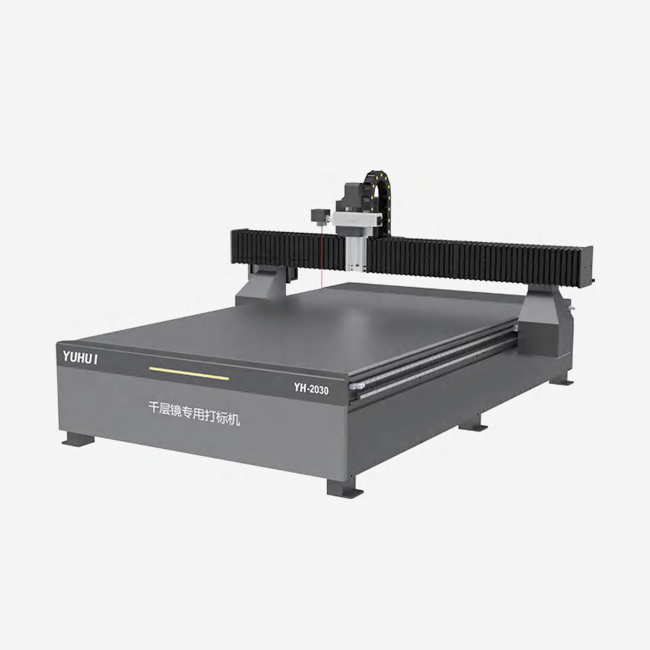
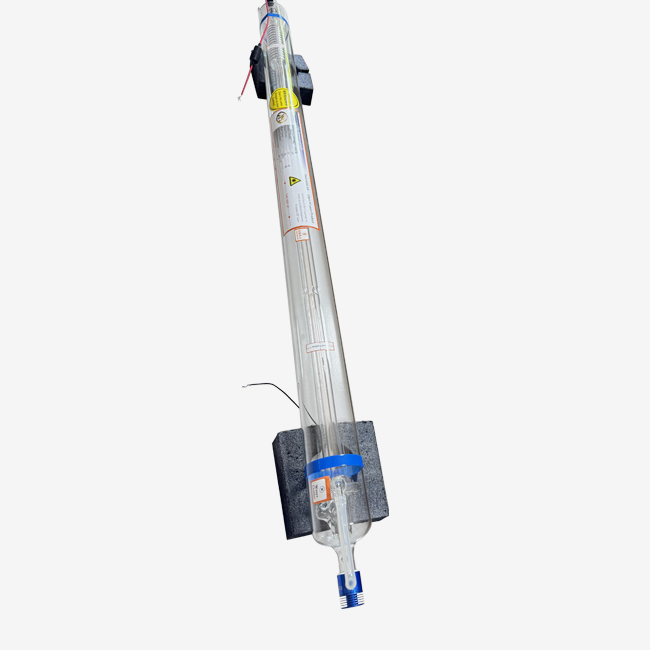
When searching for where to purchase a G Model CO₂ laser cutter, your best option is connecting directly with certified manufacturers like Shandong Yuhui Laser Technology. The G Model CO2 Laser Engraving & Cutting Machine combines enterprise-grade precision with industrial reliability, featuring a reinforced gantry structure and power options ranging from 60W to 150W. Direct factory purchasing through verified suppliers ensures authentic equipment, comprehensive warranty coverage, and dedicated technical support that protects your investment while delivering consistent performance across diverse non-metal processing applications.
Understanding the G Model CO₂ Laser Cutter and Its Market Demand
Why CO₂ Technology Remains Essential for Modern Manufacturing
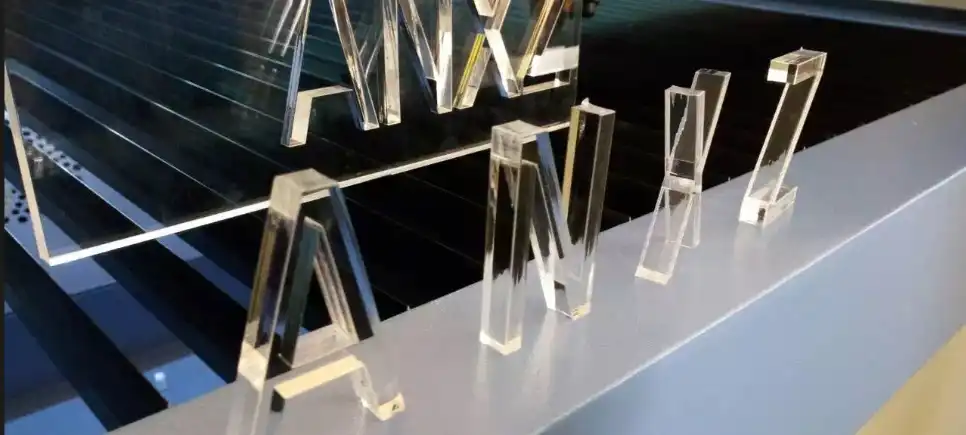
When it comes to working with non-metallic materials, CO₂ laser systems are still clearly better than fiber laser options. The 10.6 μm wavelength that CO₂ tubes produce works better with organic materials. This means that they can make clean cuts in plastic that come out with flame-polished edges in a single pass. Because of this fundamental physics advantage, CO₂ technology can't be replaced in fields that need high-quality finishes that don't need extra processing.
Market demand continues growing within the signage, packaging, and special-tying sectors. Small to medium-sized production shops are under more and more pressure to keep their prices low while still producing high-quality work. This problem is solved by the G Model, which has repositioning accuracy of ≤±0.01mm and engraving speeds of up to 1200mm/s, enabling production facilities to meet tight deadlines without sacrificing quality standards.
Applications Driving Purchase Decisions
CO₂ laser cutters are used every day by people who work in manufacturing fields like cloth processing, building modeling, and advertising production. The machinery can cut delicate lace without fraying the edges, make detailed wooden building parts without burning them, and make lighted signs that look like they were made by professionals. When operators work with materials like leather, MDF, plywood, and glass, these abilities directly lead to lower labor costs and improved profit margins.
The technology is especially useful for tasks that need to move materials in a variety of ways. The motorized ball screw working table can be adjusted up to 260 mm, so the system can work with different amounts of material without having to make a lot of changes to how it is set up. This flexibility allows fabricators to transition between projects efficiently, maximizing equipment utilization throughout production shifts.
Authorized Dealers and Official Purchasing ChannelsVerifying Authentic Suppliers and Manufacturers
When you choose an authorized provider, you protect your business from fake tools and parts that aren't up to par. Genuine manufacturers give out CE and ISO certificates that can be checked to show that they follow international safety and quality standards. When looking at possible suppliers, make sure you get proof that the G Model Co2 Laser Engraving & Cutting Machine goes through thorough 48-hour aging tests to make sure the laser tube and power supply are reliable before it is shipped.
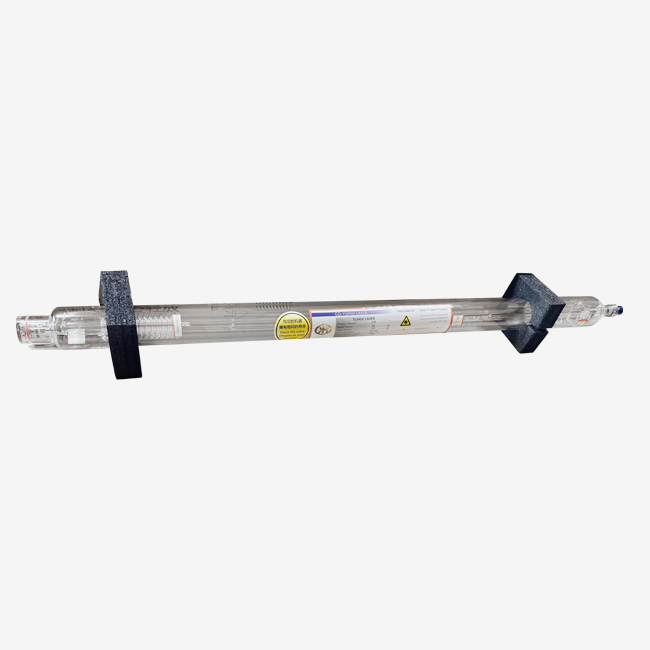
Authentic sellers communicate openly with buyers throughout the whole process. They give detailed technical specifications, such as details about main parts like Yongli or Reci laser tubes, ZnSe focus lenses, and molybdenum reflection mirrors. This openness lets people make smart buying choices based on what the equipment can really do, not just what the company says it can do. Real manufacturers also give you access to engineering teams that can talk about customization choices and technical needs that are unique to your production setting.
Online Direct Purchase Versus Traditional Distribution Networks
Buying things directly from makers through their official websites has a number of benefits. You get direct access to technical resources and customization services without having to pay markups to middlemen. When compared to dealer channels, factory-direct pricing usually cuts acquisition costs by 15–30%, which lets you better allocate capital toward production capacity or more tools.
The benefits of traditional distribution networks through regional dealers are similar. Local representatives can show you how to use equipment, give you immediate technical advice, and respond faster to service requests. Trade shows are great places to look at a lot of different pieces of equipment at once, compare how they work, and meet seller reps who know the local market and business needs.
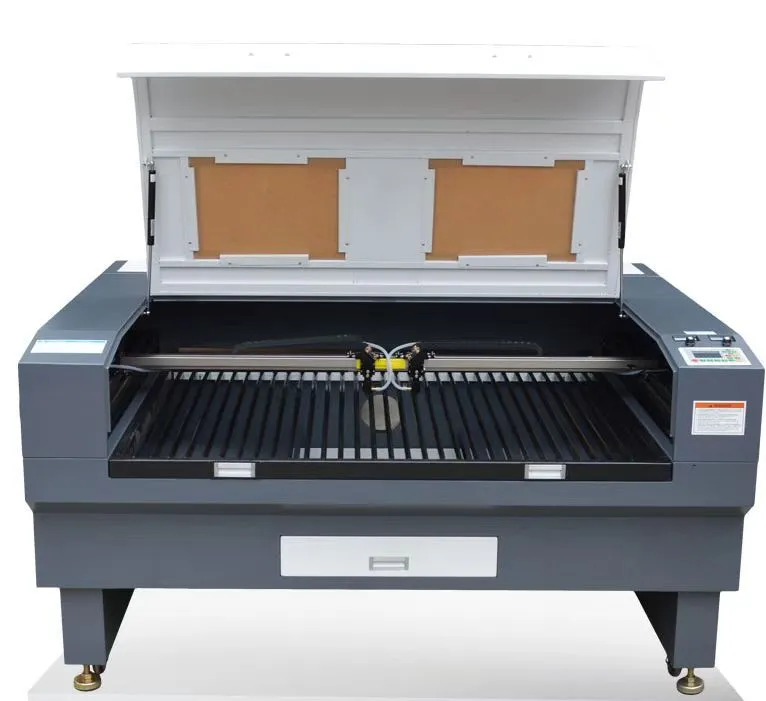
Comparing G Model Purchasing Options: New, Used, and Financing Solutions
Investment Analysis for New Equipment
When you buy brand-new CO₂ laser cutting equipment, you get the most reliable equipment and the best warranty protection. During the warranty time, all new tools come with full company support, which includes help with installation, training for operators, and technical troubleshooting. Established makers like Yuhui Laser give 450 days of after-sales service, which is much longer than the industry standard. This shows that they are confident in the equipment's durability and performance.
The main things that affect prices are the laser's power ability and the extras that come with it. 60W systems are good for light etching and cutting of thin materials, while 130W and 150W systems can handle heavy production plans with thicker materials. When making a budget, you should think about things like water cooling systems, exhaust ventilation equipment, and software that can work with both AutoCAD and CorelDraw. These parts have a big effect on the total cost of ownership, which is different from the price of the tools themselves.
Evaluating Pre-Owned Equipment Options
Businesses with small capital funds can save money by buying used CO₂ laser cutters, but they need to be carefully evaluated first. This is particularly true when considering a G Model Co2 Laser Engraving & Cutting Machine, where a thorough pre-purchase inspection is essential. The most important things to check when inspecting are the state of the laser tube, the cleaning of the optical parts, and the amount of wear on the linear guide rails and drive systems. Ask for a working background that lists maintenance plans, part replacements, and any fixes that were done in the past that could point to reliability issues.
When buying used tools, the name of the seller is even more important. Well-known refurbishment experts offer diagnosis reports, update worn parts, and offer limited guarantee coverage that lowers the risk. However, used equipment often doesn't come with manufacturer support for technical issues or spare parts, which could make long-term operational costs higher by requiring more downtime for repairs.
Strategic Financing and Leasing Approaches
Businesses can keep their working capital while getting the production equipment they need with flexible financing structures. Leasing spreads the cost of buying something over 24 to 60 months, which makes managing cash flow easier and lets you upgrade equipment as technology improves. This method works well for businesses that have to deal with seasonal changes in demand or want to test out new market segments before committing to permanent capacity expansion.
Another option is to get equipment loans from specialized lenders who know how to work with industrial tools. Most of the time, these deals need 10–20% down payments, and the interest rates are affordable and depend on how creditworthy the business is. Depreciation benefits and possible tax benefits make financing appealing for businesses that are already up and running and making steady profits and want to update their production methods without using up their capital reserves on operational costs.
How to Choose the Right G-Model CO₂ Laser Cutter Supplier for Your Business Needs
Evaluating Technical Support and Training Resources
When choosing a supplier, there are many things to think about besides the specs of the tools and the price. Post-sale help has a direct effect on how well operators can do their jobs and how much time is spent on production. Good providers offer thorough training programs that cover how to operate machines, do regular upkeep, and fix common problems. This sharing of information makes your team less reliant on outside experts and gives them the tools they need to fix small issues fast, without stopping production.
Quality of documentation shows how committed a supplier is to the success of their customers. Full operational manuals, maintenance schedules, and part diagrams written in the language you use at work make managing equipment easier. When adding laser cutters to current CAD/CAM processes, software integration support is very important. Suppliers who offer compatibility testing and configuration help make sure that the implementation goes smoothly with your current production infrastructure.
Matching Supplier Capabilities to Industry Requirements
Different places where things are made need different kinds of tools. Textile makers need precise temperature control to keep fabrics from getting too hot, while manufacturers of wood products put a high value on efficient dust extraction and airflow. The G Model CO₂ Laser Engraving & Cutting Machine can be configured to meet these varied requirements across different industries. Check to see if potential suppliers have experience working with your industry by looking at case studies, customer references, or equipment configurations that are made just for that purpose.
Customization features set makers apart by letting them change equipment to meet specific operating needs. In some production settings, the size of the workbench needs to be changed, exhaust systems need to be customized, or software interfaces need to be made just for the production line. Instead of making your processes adapt to the limitations of standard tools, suppliers who offer OEM and ODM services can come up with custom solutions that solve these problems.
Logistics and Proximity Considerations
Delivery times have a big effect on project timelines and the ability to make money. Standard orders are usually filled within 14 business days by manufacturers with a lot of stock, but custom configurations take longer to make. During initial consultations, be clear about lead times and take into account the time it takes for international shipping and customs clearance, which can add several weeks to delivery times depending on the market.
Location affects how easy it is to get continued help. Digital contact tools let you fix problems from afar, but sometimes you need expert help right there on the spot. When there are serious problems with production, suppliers with established service networks in your area can respond more quickly. As production volumes rise and machine breakdowns directly lead to lost income, this ease of access becomes more valuable.
Practical Steps to Purchase a G-Model CO₂ Laser Cutter
Conducting Effective Initial Consultations
Before you start the buying process, make a detailed list of all the materials you need, the ranges of thickness you want, the number of items you need to make, and the quality you expect. With this information, sales experts can suggest the right laser power levels, working area sizes, and extra features based on your specific needs. Detailed requirement specifications keep equipment capabilities from not matching up with real production needs, which can be very expensive.
Engage multiple suppliers at the same time to set benchmarks for competition. Ask for full quotes that list the equipment's specs, any accessories that come with it, the terms of the guarantee, and the cost of shipping. This side-by-side analysis shows the price ranges in the market and names the providers that offer the best value by including free upkeep, longer warranties, or bundled training that lowers the total cost of ownership over the equipment's life.
Securing Contracts and Service Agreements
In addition to the price of the G Model CO2 Laser Engraving & Cutting Machine itself, contract talks should also cover a number of important security issues. Warranty coverage, response time commitments, and parts availability guarantees protect your investment against breaking down early or taking a long time to fix. Standard payment terms in the industry, like a 30% deposit and the rest due before the shipment, protect both parties while still meeting their cash flow needs.
When a deal is finalized, service agreements need to be carefully looked over. Make it clear if technical help includes online diagnosis, trips to the site, and payment for journey costs. Knowing how much parts cost and when they'll be available can help you avoid surprises during routine maintenance or replacing parts. These specifics in the contract make it clear what is expected of both parties and lower the chance of disagreements during the time that the equipment is owned.
Installation and Operational Optimization
Expert installation services make sure that the equipment is set up correctly and is calibrated for the first time. As part of full system tests, experienced techs check electrical links, the operation of the cooling system, and the integration of the exhaust vents. This professional commissioning finds any problems that might happen before production starts, which saves money by avoiding expensive delays or damage from bad setup.
Operator training right after placement helps your team get the most out of the tools. Operational trust is increased by teaching people how to load materials, change the focal point, find the best parameters for different materials, and do regular maintenance chores. Effective training programs give students access to reference materials and ongoing technical help, which lets operators keep improving their skills and adding new processing options as output needs change.
Conclusion
When you want to buy a G Model CO2 Laser Engraving & Cutting Machine, you need to carefully look at the supplier's qualifications, the equipment's specs, and the company's help options. Working directly with certified manufacturers like Yuhui Laser gives you access to factory-direct prices, full warranty coverage, and technical know-how that makes sure the equipment integration goes smoothly. The investment pays off in the long run because of the high quality of the processing, the low cost of operation, and the steady performance in a wide range of non-metal manufacturing tasks. A thorough evaluation of suppliers along with clear documentation of requirements will set up your business for a successful purchase of tools and continued output excellence.
FAQ
1. How do I verify a CO₂ laser cutter supplier's authenticity?
Ask to see copies of the company's CE and ISO certifications, check the paperwork for business registration, and get customer references from people in the same field. Legitimate makers let you tour their factories and keep contact open throughout the whole process of buying their products.
2. What laser power level suits my production requirements?
The right power levels depend on the thickness of the material and the expected speed of processing. 60–80W systems can work with materials up to 5mm thick, while 130–150W systems can quickly and efficiently work with 10mm plastic and similar materials.
3. Can I integrate a CO₂ laser cutter with existing CAD software?
Standard file types like DXF, DWG, and AI can be read by modern systems, so AutoCAD and CorelDraw can export directly. During supplier consultations, make sure to check software compatibility to make sure that workflow integration goes smoothly.
4. What maintenance schedule keeps CO₂ laser cutters operating reliably?
Cleaning optical parts and checking the temperature of the cooling water are daily jobs. Linear guide rails are oiled once a week as part of maintenance, and the laser tube's state, belt tension, and exhaust system efficiency are checked once a month.
5. How long does international equipment delivery typically require?
Standard setups are sent out 14 business days after the order is confirmed. Depending on the target country, international freight and customs clearance can add an extra 3 to 6 weeks to the delivery time. For most markets, the total delivery time is between 6 and 10 weeks.
Ready to Upgrade Your Production Capabilities with Yuhui Laser?
Shandong Yuhui Laser Technology is ready to help your business grow with our G Model CO2 Laser Engraving & Cutting Machine provider skills. When you buy from us, you get CE-certified equipment with military-grade THF4 lenses and a strengthened gantry construction that keeps moving accuracy at ≤±0.01 mm even during busy production times. We take away most of the worries that come with buying things by offering 14-day production lead times, a full 450-day warranty, and the ability to fully customize our products. You can email our engineering team at jianghui@yuhui-laser-tech.com to talk about your specific processing needs and get a detailed technical proposal that fits your work environment.
References
1. Chen, L. (2023). Industrial Laser Systems: Technology and Applications in Modern Manufacturing. Technical Press International.
2. Morrison, R., & Patel, S. (2024). Procurement Strategies for Precision Manufacturing Equipment. Industrial Purchasing Quarterly, 18(3), 45-62.
3. Rodriguez, M. (2023). CO₂ Laser Technology: Principles and Industrial Implementation. Advanced Manufacturing Institute.
4. Thompson, J. (2024). Quality Assurance in Laser Equipment Acquisition: A B2B Buyer's Guide. Manufacturing Technology Review, 31(2), 78-94.
5. Wang, H., & Liu, Y. (2023). Comparative Analysis of Laser Cutting Technologies for Non-Metallic Materials. Journal of Manufacturing Science, 15(4), 112-128.
6. Zhang, Q. (2024). Global Trade Practices in Industrial Equipment Procurement. International Business Press.
Contact us directly for customized solutions, quotations and long-term strategic cooperation.