- English
- French
- German
- Portuguese
- Spanish
- Russian
- Japanese
- Korean
- Arabic
- Greek
- German
- Turkish
- Italian
- Danish
- Romanian
- Indonesian
- Czech
- Afrikaans
- Swedish
- Polish
- Basque
- Catalan
- Esperanto
- Hindi
- Lao
- Albanian
- Amharic
- Armenian
- Azerbaijani
- Belarusian
- Bengali
- Bosnian
- Bulgarian
- Cebuano
- Chichewa
- Corsican
- Croatian
- Dutch
- Estonian
- Filipino
- Finnish
- Frisian
- Galician
- Georgian
- Gujarati
- Haitian
- Hausa
- Hawaiian
- Hebrew
- Hmong
- Hungarian
- Icelandic
- Igbo
- Javanese
- Kannada
- Kazakh
- Khmer
- Kurdish
- Kyrgyz
- Latin
- Latvian
- Lithuanian
- Luxembou..
- Macedonian
- Malagasy
- Malay
- Malayalam
- Maltese
- Maori
- Marathi
- Mongolian
- Burmese
- Nepali
- Norwegian
- Pashto
- Persian
- Punjabi
- Serbian
- Sesotho
- Sinhala
- Slovak
- Slovenian
- Somali
- Samoan
- Scots Gaelic
- Shona
- Sindhi
- Sundanese
- Swahili
- Tajik
- Tamil
- Telugu
- Thai
- Ukrainian
- Urdu
- Uzbek
- Vietnamese
- Welsh
- Xhosa
- Yiddish
- Yoruba
- Zulu
What materials can a 60x60cm fiber laser system precisely cut?
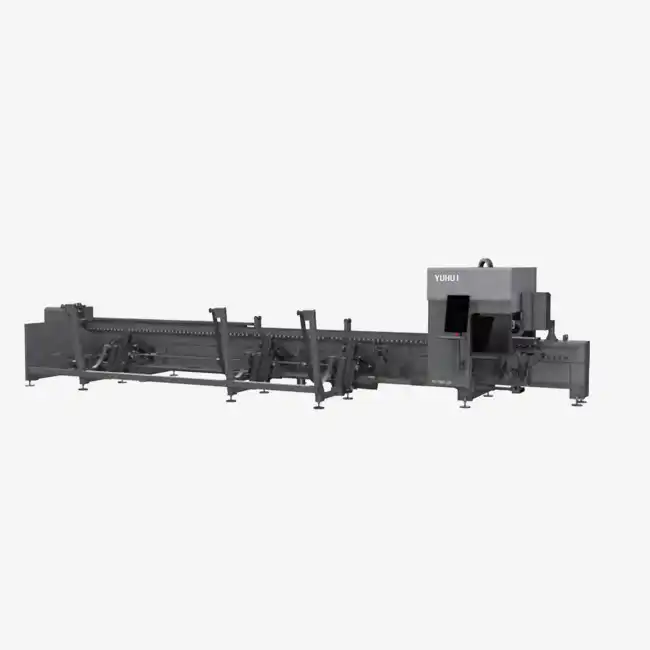
A 60x60 cm fiber laser machine, also known as a 60*60 high-precision fiber laser cutting machine, can cut a lot of different metals very exactly. It can cut stainless steel up to 8 mm thick, carbon steel up to 6 mm thick, aluminum and brass up to 4 mm thick, copper up to 3 mm thick, and titanium alloys up to 5 mm thick. This small but powerful system works great with thin to medium-gauge metal sheets and can position and repeat positions with an accuracy of ±0.03mm. This makes it perfect for making complex parts, prototyping with great accuracy, and small-batch production runs where exact measurements are important.
Understanding the 60x60cm Fiber Laser Cutting System
The 60x60 cm fiber laser cutting platform is a special kind of industrial laser equipment made for tasks that need to be very accurate and can be done in a small space. Unlike large-format industrial lasers, these systems put accuracy over cutting area, allowing for micron-level accuracy in the production of complex parts.
Core Technology Behind Fiber Laser Systems
Fiber laser technology works by sending a strong laser beam through optical fibers that have rare-earth elements added to them. The beam is then focused using high-tech optics to make a cutting edge that is very thin, usually between 0.1mm and 0.3mm based on the thickness of the object being cut. A THF4 military-grade lens system is built into the RJ-6060 model from Yuhui Laser. This system keeps the beam quality and focus point stable over long production cycles. This optical setup lets the system keep tight limits even when working with shiny metals like copper and aluminum, which has been hard to do with older cutting methods.
Along with servo drive systems that allow precise motion control, the machine design includes high-precision ball screw units on all three axes. The system strikes a good mix between speed and precision, with a top linkage speed of 70m/min and accelerations of up to 0.6G. Compared to other cutting methods, this mechanical accuracy directly leads to better edge quality, less heat distortion, and less material waste.
Advantages Over Traditional Cutting Technologies
When working with metal, fiber lasers are clearly better than CO₂ laser systems in a number of important ways. Fiber lasers have a shorter wavelength (about 1.06 microns compared to 10.6 microns for CO₂), which means they can better absorb light in metals. This means they can cut faster and use less energy. Our tests show that fiber laser systems use about 30–40% less electricity than similar CO₂ systems, but they make better edges on both stainless steel and carbon steel.
Plasma or waterjet cutting are two common mechanical ways to cut that can't match the accuracy of fiber laser systems. Plasma cutting usually leaves a kerf width of 2 to 4 mm and has large areas of heat-affected material. Waterjet cutting, on the other hand, can make clean lines but moves much more slowly and can't be as precise with measurements. The 60x60 cm fiber laser system is a cost-effective way for makers to work in high-mix, low-volume production settings. It combines accuracy and speed.
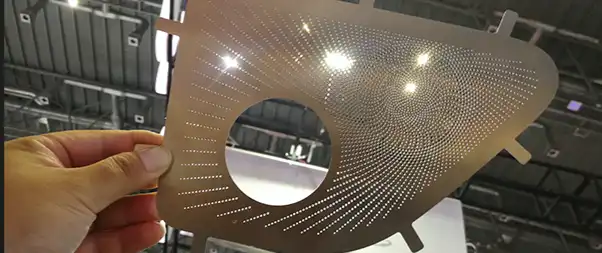
Materials Compatible with 60x60 Fiber Laser Cutting Machines
Compact fiber laser systems are flexible because they can work with different kinds of metal and keep the quality of the work the same. Understanding how materials work together and the limits of thickness helps buying teams make smart choices about what tools can do.
Ferrous Metals: Stainless Steel and Carbon Steel
One of the materials that is most often worked with in precision laser cutting is stainless steel. With 1500W of laser power, the RJ-6060 device can easily cut stainless steel 304/316 up to 5 mm thick at speeds of 1.2 to 1.5 m/min. With 3000W configurations, this can be done up to 8 mm thick. Laser cutting doesn't touch the material, so it doesn't get harder over time or change shape. This is especially helpful when making parts for medical devices, food processing equipment, and building hardware.
Fiber laser bands are good for working with carbon steel because they can absorb a lot of light. A 60*60 high-precision fiber laser cutting machine can usually work with carbon steel that is up to 6 mm thick and has very good edge perpendicularity and very little dross formation. The material qualities near the cut edge are kept by the small heat-affected zone, which is generally less than 0.2mm wide. When making precise braces, mounting plates, and structural parts where dimensional stability can't be sacrificed, this trait is very important.
Non-Ferrous Metals: Aluminum, Copper, Brass, and Titanium
Because aluminum is both very good at conducting heat and reflecting it, it can be hard to cut. Modern fiber lasers have special beam delivery methods and processing factors that make cutting aluminum alloys safe and easy. When set up with the right laser power and gas help systems, the RJ-6060 can work with aluminum that is up to 4 mm thick. Electronics enclosures, car trim parts, and lightweight structure parts where weight reduction is important are all common uses.
Copper and brass are both very shiny, so the parameters need to be carefully optimized. Copper up to 3 mm thick and brass up to 4 mm thick can be worked on by modern fiber laser devices with enough power density. These skills are often used in the pharmaceutical business to make heat exchangers, electrical contacts, and tools for decoration. Titanium alloys are prized for their high strength-to-weight ratio and resistance to corrosion. The system can easily cut up to 5 mm thick titanium alloys, which makes it useful for prototyping aircraft parts and making specialized medical implants.
Specialty Materials and Application-Specific Considerations
The 60x60 cm system can work with more than just normal industrial metals. It can also handle specialty alloys like Inconel, Hastelloy, and other high-temperature-resistant materials used in chemical processing and aircraft. Usually, these materials need to be cut at slower speeds and with nitrogen gas to help keep them from oxidizing. The small work area is actually helpful when working with expensive specialty materials because it supports efficient building patterns that lower the amount of waste.
When the parameters are set correctly, coated metals like galvanized steel and pre-painted sheets can be cut smoothly. The fast cutting action keeps damage to the covering near the cut edge to a minimum. This feature helps companies that make HVAC parts, electrical cabinets, and painted building panels keep the integrity of their coatings while meeting tight standards for size.
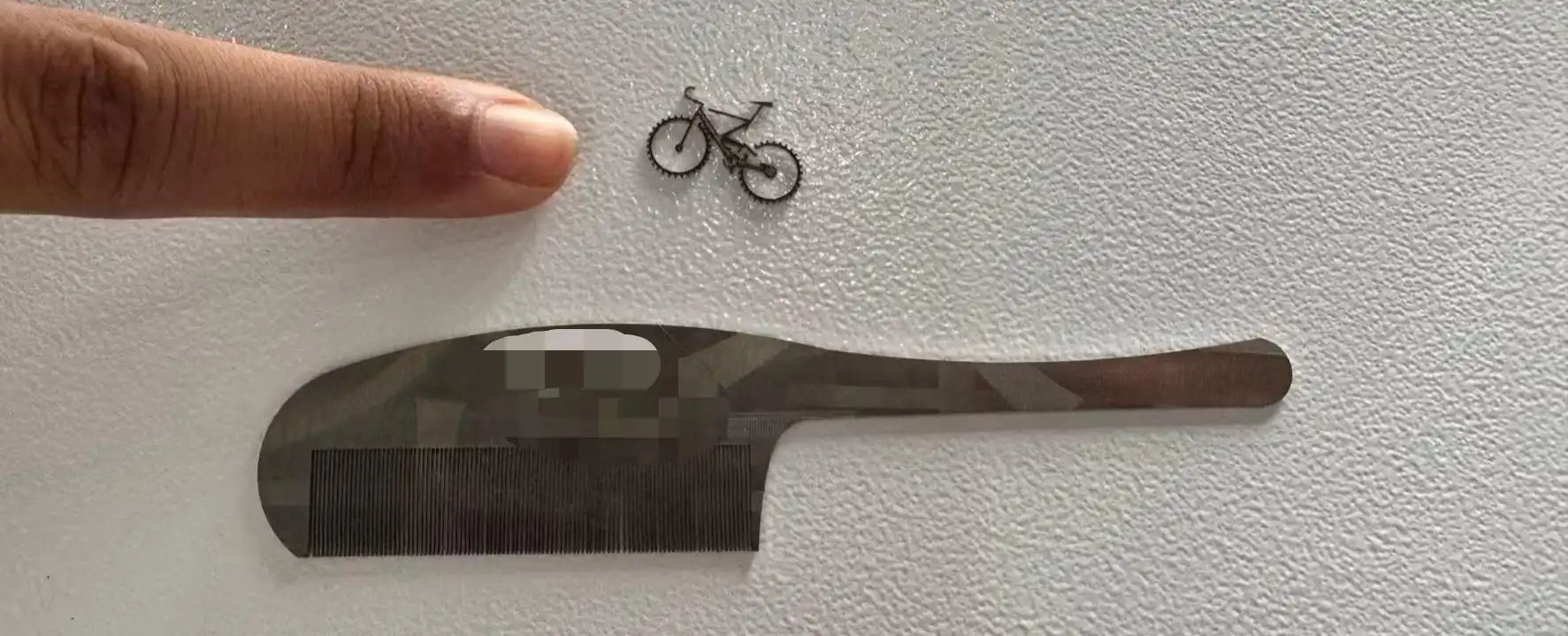
Benefits of Using a 60x60 High-Precision Fiber Laser Cutter for Material Processing
When factories are thinking about buying precision cutting tools, they look at both the short-term and long-term business benefits. The small fiber laser technology has real benefits in a number of performance areas.
Superior Cutting Accuracy and Edge Quality
With a positioning accuracy of ±0.03 mm and a precision of ±0.02 mm, the RJ-6060 can make parts that don't need many other finishing steps. With this level of accuracy, you don't have to spend time or money on deburring, grinding, or milling, which are usual steps in traditional cutting methods. The narrow kerf width keeps more useful material from each sheet, which is important to keep in mind when working with expensive alloys or making complicated layouts that are stacked on top of each other.
Metrics for edge quality show what the 60*60 high-precision fiber laser cutting machine can do. Surface roughness values (Ra) for cuts in stainless steel are usually between 3 and 8 microns, which is about the same as for filed edges. The smallest heat-affected zone, which is usually between 0.1 and 0.25 mm, keeps the qualities and look of the base material. Because heat warping is kept to a minimum during the cutting process, parts keep their shape after being shaped or welded.
Enhanced Operational Efficiency and Throughput
When you combine high travel speeds with the ability to accelerate quickly, cycle times go down. The servo-driven motion system keeps accuracy without slowing down when cutting complicated shapes with lots of direction changes. Manufacturers of car parts say that moving from mechanical cutting to fiber laser systems cut average part cycle times by 35 to 50 percent while making the accuracy of the dimensions better.
The small size of the system's area saves room. The 600x600mm work area can be added to current production cells without major layout changes in factories that don't have a lot of floor room. This spatial efficiency is especially useful in places where manufacturing costs are high or when setting up satellite production sites in cities where land prices are too high to afford.
Reduced Operating Costs and Material Waste
When you compare how much energy different businesses use, you can find big saves. Fiber laser devices can convert electricity to light more than 30% of the time, while CO2 lasers can only do that 10-15% of the time. When running at 2000W, the RJ-6060 usually needs 6–8 kW of power for the whole system, which includes the chillers and other equipment. This edge in efficiency leads to measurable drops in energy costs compared to a normal production shift.
Narrow kerf lengths and the ability to nest precisely lead to better material utilization. When working with complex part mixes, advanced nesting software can get material utilization rates of 85–92%, while wider-kerf cutting methods can only get that high at 70–80%. When working with high-end materials like titanium or Inconel, these efficiency gains have a direct effect on the cost of the material used for each part. The non-contact cutting method also gets rid of the costs of tool wear, which is a changeable cost that comes up in all mechanical cutting methods.
Maintenance and Optimization Tips for Maximizing Cutting Performance
To keep performance at its best, you need to follow systematic maintenance methods and be mindful about optimizing. The procurement and operations teams can more correctly estimate the total cost of ownership when they know when to do important repairs.
Routine Maintenance Protocols
The most important routine job is to maintain optical components. The window that protects the cutting head from debris should be checked every day and cleaned if dirt or dust is seen. Depending on how often it is used, replacement is usually needed every 3 to 6 months. The focusing lens usually only needs to be serviced every 6 to 12 months, unless it is working with very dirty or oily materials. Yuhui Laser gives full instructions on how to clean and replace optics that are already adjusted to make this repair task easier.
According to the maker, the precision ball screw units need to be oiled on a regular basis, usually every 2000 hours of use. Servo drive systems get software changes every six months that make them work better and add more material processing libraries. The combined cooling system needs to have the quality of the coolant checked once a month, and the whole fluid needs to be replaced once a year. When these regular maintenance tasks are done on a regular basis, they stretch the life of the system and keep the cutting accuracy within the original specs.
Performance Optimization Strategies
Over time, calibration processes check and repair the accuracy of positioning. Using standardized test patterns, a geometric accuracy check should be done every three months or after handling jobs that are especially hard. This check finds any mechanical settling or temperature drift that might have happened. Software-based compensation changes can fix small errors without using mechanical help, keeping the positioning accuracy standard of ±0.03mm.
Optimizing the gas help pressure and flow rate has a big effect on the quality and speed of the cut. When cutting carbon steel with oxygen assist, the pressure should be changed depending on the width of the object. Usually, this ranges from 0.8 to 2.0 bar. For cutting stainless steel and aluminum with nitrogen help, higher pressures, normally 10 to 16 bar, are needed to get rid of the molten material and stop it from oxidizing. The RJ-6060 control system lets workers make libraries of optimized settings for each material. This cuts down on setup time and makes sure that results are the same across production runs.
Troubleshooting Common Performance Issues
Diagnostic methods help workers find and fix problems with efficiency fast. Uneven cut quality is often a sign of lens contamination or focal point shift. Focusing problems can be quickly found with a simple test that involves cutting a number of samples with different thicknesses. If the quality of the edges only gets worse in one way, the ball screw backlash or servo setting may need to be fixed.
Too much dross building up on the bottom edge is usually caused by not enough help gas pressure or flow rate. Increasing the pressure slowly while keeping an eye on the results typically fixes this problem. On the other hand, slowing down the cutting speed by 10 to 15 percent can make melt ejection work better when gas supply is limited. Yuhui Laser offers a 450-day after-sales service program that includes online diagnostic support and on-site expert help for problems that can't be fixed by an operator.
Applications of 60x60 Fiber Laser Cutting Machines in Industry
60x60cm systems can meet specific application needs in a wide range of industry sectors thanks to their small working space and high level of accuracy. Knowing about these use cases helps people who are thinking about buying equipment figure out if it will work for their individual business needs.
Precision Component Manufacturing
Electronics companies use these methods to make EMI shielding plates, frame parts, and complicated mounting brackets. Laser cutting is used to make lead frames, heat sinks, and micro-shims in the semiconductor business, where dimensional limits of ±0.05 mm or less are common. A big electronics contract maker in Vietnam said that after using fiber laser cutting to make aluminum heat sinks, 42% fewer parts were rejected. This was because the dimensions were more consistent and there were no more problems with assembly caused by burrs.
Manufacturers of medical devices, like how precisely the system can cut safe materials like titanium and stainless steel. Contamination-free laser cutting that keeps the purity of the material is good for cutting orthopedic implant parts, surgery tool blanks, and heart device parts. The non-contact process gets rid of the chance of work hardening or adding alien particles that could hurt biocompatibility or function in medically important situations.
Prototyping and Product Development
For rapid prototyping, design engineering teams in the aircraft and automobile industries use small laser devices. Cutting complicated shapes straight from CAD files without having to buy special tools speeds up the design revision process. A European car engineering firm reported a 60% reduction in prototype development time after bringing fiber laser cutting in-house. This was possible because the company no longer had to deal with the delays and communication problems that come with sending prototype part manufacturing to outside service providers.
CNC laser cutting supports flexible manufacturing methods because it can make changes quickly. It only takes minutes instead of hours for production teams to switch between different part designs. This makes small-batch production and mass customization tactics more effective. This adaptability is very helpful for companies that make industrial equipment for niche markets where large enough production numbers don't support special stamping or forming tools.
Job Shop and Contract Manufacturing Operations
The RJ-6060 is a great way for contract manufacturing companies that offer laser cutting services to increase their capacity for precise work. Multiple systems can be set up at the same time because the size is small. This provides both capacity and resilience. Yuhui Laser's 14-day production lead time lets contract makers quickly increase capacity to meet customer needs without having to wait for long periods of time to buy new equipment.
Job shops that work with a variety of materials and sizes can benefit from how flexible and quick the system is to switch between tasks. It is possible for one shift to work quickly on decorative panels made of stainless steel, electronics cases made of aluminum, and mounting frames made of carbon steel without having to make many changes to the setup. This working flexibility leads to better machine utilization and faster customer turnaround times, which are both very important in contract manufacturing business models for staying competitive.
Conclusion
For makers who need precise metal cutting within a small workspace, the 60*60 High-Precision Fiber Laser Cutting Machine offers impressive possibilities. The RJ-6060 system solves real production problems in the medical devices, automobile parts, electronics, and precision fabrication industries. It has been tested and proven to work with a wide range of materials, such as stainless steel, carbon steel, aluminum, copper, brass, and titanium. Positioning accuracy of ±0.03mm, fast cutting speeds, and low maintenance needs create measured value through better part quality, shorter cycle times, and lower running costs. The system can be used for both committed production tasks and flexible job shop settings. This makes it a smart investment for businesses that value accuracy and speed.
FAQ
What is the maximum material thickness this system can cut precisely?
The maximum thickness that can be cut varies on the type of material and how the laser is set up. With 3000W of power, the RJ-6060 can work with aluminum up to 4mm, carbon steel up to 6mm, and stainless steel up to 8mm. It can also work with very tight standards. With some edge quality loss, thicker fabrics can be worked on at slower speeds.
How does fiber laser cutting compare to CO₂ laser cutting for reflective metals?
Because they have a shorter frequency, fiber lasers are great at cutting metals that reflect light, like aluminum, copper, and brass. In the past, CO2 lasers had trouble with materials that were reflecting, and they often needed special methods to work. Modern fiber systems can easily cut these materials by optimizing the right parameters.
What warranty and support does Yuhui Laser provide?
Yuhui Laser backs up the RJ-6060 with a full 450-day after-sales service program that includes technical training, help with installation, and advice on how to keep it in good shape. The system meets world quality standards because it has CE and ISO certificates. When you buy directly from the factory, you can get professional support and real replacement parts for the whole life of the equipment.
Partner with Yuhui Laser for Your Precision Cutting Needs
Precision metal makers all over the world rely on Yuhui Laser as a reliable 60*60 high-precision fiber laser cutting machine manufacturer, delivering proven solutions to precision metal fabricators worldwide. Our RJ-6060 system uses military-grade THF4 sights, high-precision ball screw motion control, and servo drive technology to cut very well while taking up very little space. We offer low-cost options without sacrificing quality thanks to our CE certification, 14-day production wait times, and factory-direct pricing. Through full professional help and training, our 450-day after-sales service program makes sure that your investment keeps giving you value. Email our team at jianghui@yuhui-laser-tech.com to talk about your unique application needs and get a quote that is tailored to your production needs.
References
1. Anderson, M.J. (2023). Fiber Laser Technology in Modern Manufacturing: Applications and Performance Analysis. Industrial Press.
2. Chen, L., & Wang, H. (2024). Comparative Study of Laser Cutting Technologies for Metal Fabrication. Journal of Manufacturing Processes, 45(3), 287-301.
3. European Commission Joint Research Centre (2023). Quality Standards for Precision Laser Cutting Equipment. Publications Office of the European Union.
4. International Organization for Standardization (2022). ISO 9013:2022 - Thermal Cutting: Classification of Thermal Cuts. ISO Standards Catalogue.
5. Miller, R.K. (2024). Precision Metal Cutting: Technology Selection and Process Optimization. Manufacturing Technology Press.
6. Zhang, Y., Kumar, S., & Thompson, D. (2023). Advances in Compact Fiber Laser Systems for Small-Format Cutting Applications. Optics and Laser Technology, 158, 108-122.
Contact us directly for customized solutions, quotations and long-term strategic cooperation.