- English
- French
- German
- Portuguese
- Spanish
- Russian
- Japanese
- Korean
- Arabic
- Greek
- German
- Turkish
- Italian
- Danish
- Romanian
- Indonesian
- Czech
- Afrikaans
- Swedish
- Polish
- Basque
- Catalan
- Esperanto
- Hindi
- Lao
- Albanian
- Amharic
- Armenian
- Azerbaijani
- Belarusian
- Bengali
- Bosnian
- Bulgarian
- Cebuano
- Chichewa
- Corsican
- Croatian
- Dutch
- Estonian
- Filipino
- Finnish
- Frisian
- Galician
- Georgian
- Gujarati
- Haitian
- Hausa
- Hawaiian
- Hebrew
- Hmong
- Hungarian
- Icelandic
- Igbo
- Javanese
- Kannada
- Kazakh
- Khmer
- Kurdish
- Kyrgyz
- Latin
- Latvian
- Lithuanian
- Luxembou..
- Macedonian
- Malagasy
- Malay
- Malayalam
- Maltese
- Maori
- Marathi
- Mongolian
- Burmese
- Nepali
- Norwegian
- Pashto
- Persian
- Punjabi
- Serbian
- Sesotho
- Sinhala
- Slovak
- Slovenian
- Somali
- Samoan
- Scots Gaelic
- Shona
- Sindhi
- Sundanese
- Swahili
- Tajik
- Tamil
- Telugu
- Thai
- Ukrainian
- Urdu
- Uzbek
- Vietnamese
- Welsh
- Xhosa
- Yiddish
- Yoruba
- Zulu
Intelligent High-speed Cutting Machine: What It Is and When to Use It
An intelligent high-speed cutting machine is a high-tech industrial tool that combines CNC technology, AI-driven motion control algorithms, and cutting-edge sensor systems to process non-metal and metallic materials. Instead of using physical molds like traditional mechanical die-cutting does, this equipment uses digital workflows to do precise cutting, creasing, and routing. High material waste, time-consuming manual measuring, slow turn-around times for small-batch customization, and the difficulty of keeping accuracy when working with complex composites or flexible substrates like carbon fiber, leather, and technical textiles are all problems that this technology solves.
Understanding Intelligent High-Speed Cutting Machines
Core Technologies Behind Modern Cutting Systems
Modern fiber laser cutting systems use cutting-edge technologies that change the way makers work with materials. A complex control system that handles many parts at the same time is at the heart of these machines. By incorporating high-precision industrial cameras, accurate automatic edge detection is made possible, which lets the laser position itself very precisely. This technological base guarantees better cutting performance across a wide range of materials and thicknesses.
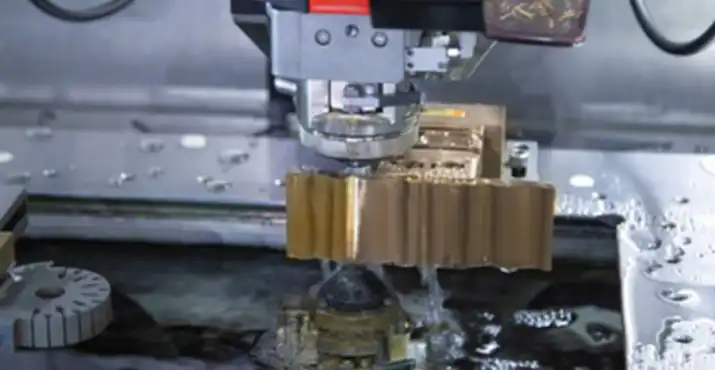
The machine works by using directed laser energy to melt or evaporate things along lines that have already been planned. Intelligent systems are different because they can change settings right away based on feedback. Sensors constantly check the cutting conditions and automatically adjust for changes in the thickness of the material or the roughness of the surface. This adaptability feature gets rid of the need to try things out and see what works and what doesn't in traditional cutting methods.
Key Features That Define Performance
A few things set intelligent high-speed cutting machines apart from others available on the market. Cutting speeds between 200 and 1200 mm/s cut production cycle times by a huge amount compared to the old way of doing things. The rated power of 7.5KW to 11KW is enough to cut materials up to 50 mm thick, based on the type of material and the density that is needed.
The smart control system makes sure that the setting is very accurate and that the machine stays stable during long production runs. Wide material compatibility means that a single machine can work with different metals, carbon steel, aluminum, stainless steel, and copper without needing to be completely rearranged. When cutting edges are clean and don't have any burrs, they don't need to be finished again, which cuts down on overall production costs and lead times. The fully automatic return type system can handle materials up to 1650 mm wide, so it can run continuously with little help from a person.
Comparison with Traditional Cutting Equipment
Blades, dies, or abrasive processes are used to apply a lot of physical force to traditional ways of cutting. These methods have built-in limits on accuracy, speed, and the types of materials they can work with. Over time, mechanical cutting tools lose their quality, which means they need to be replaced more often and cost more. Setting up new jobs can take a lot of time, which can really slow down production, especially when custom tools are needed.
Intelligent systems based on lasers get rid of all of these problems. Laser cutting doesn't wear down tools because it doesn't involve touch, so the quality stays the same over the equipment's lifetime. Because digital files are processed, it only takes seconds to switch between different cutting patterns instead of hours. The laser is much more energy efficient than mechanical systems because it only uses power when it's cutting, while mechanical systems need their motors to run all the time. Laser technology is very accurate and can reach limits that mechanical methods just can't match, especially when working with complicated shapes or soft materials.
Benefits and Applications of Intelligent High-Speed Cutting Machines
Productivity Enhancements Across Industries
When manufacturing companies use intelligent laser cutting technology with the intelligent high-speed cutting machine, their business numbers get a lot better. Increases in throughput are directly related to the machine's cutting speed, which lets shops meet tighter deadlines for bigger orders. As technology lowers the need for people to move and watch over things by hand, labor costs go down. Operators can control multiple machines at the same time, which makes the work more efficient.
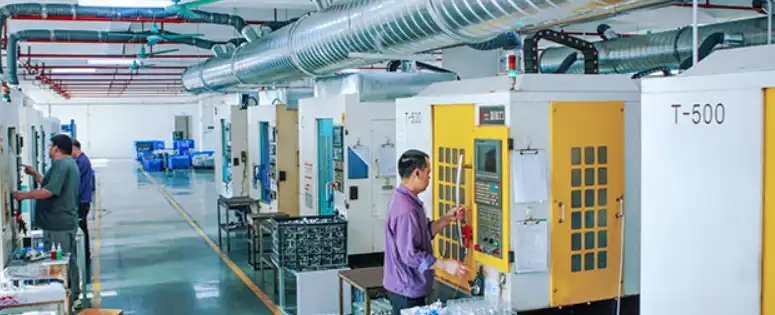
These skills are especially useful in the car interior production sector. For seats and headliner parts, it takes a lot of accuracy to work with difficult materials like microfiber, real leather, and soundproof cotton. Intelligent cutting systems keep the same dimensions even after thousands of cuts, so the end products always fit and look good.
For aerospace and wind energy uses, cutting multi-layer carbon fiber and glass fibre prepregs must meet the highest quality standards. Material integrity and fiber orientation are still very important, but traditional cutting methods often damage them. Laser cutting keeps the structural qualities of composite materials while getting the tight tolerances needed for aircraft applications.
Superior Quality and Waste Reduction
A big part of how much something costs in manufacturing is how well it is used. Intelligent nesting software figures out the best way to arrange parts, which cuts down on waste by 15 to 20 percent compared to human plans. This optimization has a direct effect on profits, especially when working with expensive materials like titanium metals or special composites.
Cutting quality measures get better in a lot of different ways. Edge quality gets good enough that deburring and finishing steps are often not needed at all. Because laser energy is directed, it doesn't affect large areas with heat. This keeps materials from warping or changing properties near the edges of cuts. The clean, exact cuts make it possible for tighter assembly standards and make the final goods look better.
Return on Investment and Cost-Efficiency
When purchasing managers look at investments in capital goods, they focus on investments that will bring in real money. Intelligent high-speed cutting machines provide a strong return on investment in a variety of ways. Compared to plasma or waterjet cutting devices, it uses less energy, which lowers the ongoing costs of running the business. Because there are no mechanical wear parts, there isn't much maintenance that needs to be done. This cuts down on both parts' costs and downtime.
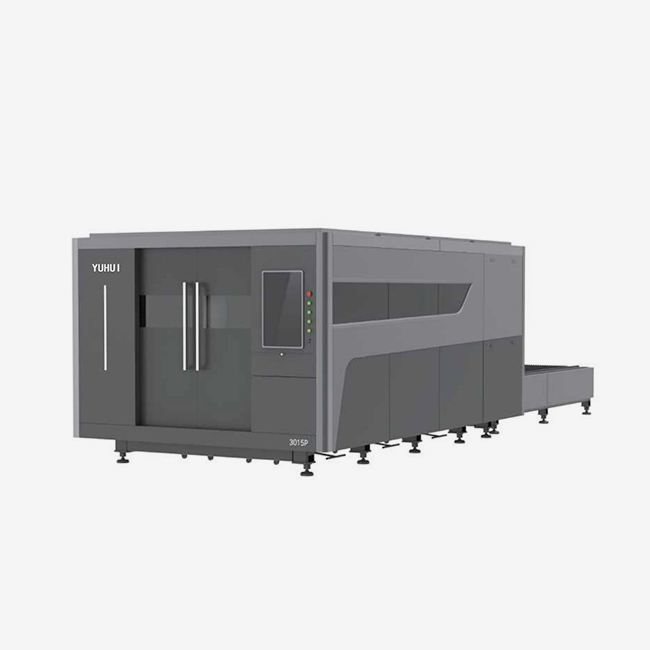
Another aspect of value is production flexibility. Being able to switch between jobs without having to change the tools lowers the need for inventory and makes just-in-time manufacturing possible. Small-batch customization can now be done economically, which opens up new market possibilities that can't be reached with standard high-volume methods. With its 1600x2500mm working area, equipment like the YH-1625 model has a large capacity while still having a manageable size that works with most building plans.
When to Use an Intelligent High-Speed Cutting Machine?
Evaluating Your Production Requirements
You need to be honest about a few things in order to figure out if intelligent laser cutting technology fits your business needs. The main thing to think about is the production volume. Automation and speed options help operations that have regular daily production plans the most right away. But even smaller producers can benefit when the accuracy and less waste these systems provide are worth the cost of the materials or the difficulty of the job.
The value argument is directly affected by the difficulty of the matter. When a facility works with a lot of different types of materials or thicknesses, it doesn't need to buy a lot of different specialized machines. One system can handle materials ranging from small foils to 50 mm plates, which gives operators more options than old ways of doing things. Needs for precision also play a big role in the choice. Mechanical cutting methods are usually not good enough for jobs that need margins closer than ±0.1mm.
Performance and Scalability Considerations
When you look at performance metrics, you can see that intelligent laser systems are very different from other options. When cutting thicker materials, traditional plasma cutting is faster, but the edges aren't as clean or precise. Waterjet cutting can be used on a wide range of materials, but it is much slower and needs a lot of upkeep. Straight cuts can be made with mechanical cutting, but it can't handle complex shapes.
Intelligent cutting technology has a strategic benefit in that it can be expanded. As the need for production rises, these systems can handle higher throughput without needing more workers or building room. The Ethernet transfer mode lets you connect to current ERP and MRP systems, which makes data-driven production management easier. Software updates and added features can make equipment more useful for longer without having to buy new hardware. This protects initial investments over longer periods of time.
Market Trends Driving Technology Adoption
As time goes on, manufacturing keeps changing to allow for more customization and faster lead times. Supply lines are under pressure to make smaller batches more cost-effective because customers want personalized goods. This flexibility is made possible by intelligent cutting technology, which doesn't sacrifice efficiency. Industry 4.0 programs stress the importance of connecting and using data. Modern laser cutting systems are very good at these things thanks to their digital processes and tracking features.
Manufacturers around the world are having trouble finding workers, which makes automation more and more necessary instead of optional. Intelligent systems don't need as much specialized knowledge from their operators as older methods did. This makes training easier and lessens the need for skilled workers, who are becoming harder to find. Environmental laws and pledges to sustainability make people interested in technologies that use less energy and make less trash. Laser cutting directly solves both issues by making better use of materials and using power more efficiently.
Procurement Considerations for Intelligent High-Speed Cutting Machines
Critical Decision Metrics for Equipment Selection
To find the best intelligent high-speed cutting machine maker, you need to carefully look at a lot of different factors. The speed standards should match the amount of work you need to do and leave room for growth. The cutting speed can be changed from 200 to 1200 mm/s, so it can handle a wide range of materials and sizes without lowering quality.
The precision of the equipment determines whether it meets the needs of your application. Specifications for positioning accuracy show how well the machine can stick to the paths that were programmed for it. Repeat precision metrics show how reliable something is over time and how quality might change over time. Software compatibility makes sure that new systems work well with old CAD systems and production processes. Standard forms like DXF, PLT, AI, and ISO G-codes are supported. This gets rid of the hassle of converting files and keeps the design's purity.
Supplier Evaluation and Support Services
Quality of support after the sale is often more important than the price of the equipment at first. At Yuhui Laser, we know this to be true and build our ties with customers around it. Our after-sales service lasts for 450 days, which is much longer than the industry standard. It includes extended technical support and worry-free use during critical production periods.
Long-term operating efficiency is directly affected by how easy it is to get real OEM spare parts. Yuhui Laser keeps a lot of parts in stock so they can be sent out quickly and keep production running smoothly. Our 14-day lead time for standard configurations shows how well our manufacturing processes work and how well we manage our supply chain. Quality assurance that is CE and ISO certified shows that we follow international standards. Our THF4 military-grade lens specification guarantees high performance and stable output in tough industrial settings.
When choosing a supplier, you should carefully look at their technical training and installation help skills. Full training for operators shortens the time it takes to learn and speeds up the return on investment. Our expert team helps with installation and trains your workers so they can get up to speed quickly and safely.
Pricing Structure and Purchasing Strategies
Prices for equipment vary a lot between providers depending on how it is configured, what it can do, and what services are included. By getting rid of markups and inefficiencies in the channel, factory-direct pricing gives you a competitive cost advantage. When you place a bulk order, you often get better guarantee terms, faster shipping, or extras that lower your total cost of ownership.
The total value, not just the buy price, should be the focus of negotiations. Make it clear what services and parts are included in the prices being quoted so that you can make accurate comparisons. The real cost and risk of buying equipment from another country are affected by the payment terms, shipping plans, and help with customs paperwork. Shandong Yuhui Laser Technology Co., Ltd. has strong, long-term relationships with transportation companies that make sure orders are delivered reliably and on time to customers all over the world.
Maintenance, Safety, and Troubleshooting Best Practices
Routine Maintenance Procedures
Systematic maintenance protocols must be followed to get the most out of equipment's performance and lifespan. Planning inspections helps find problems early on, before they stop production. The cooling system should be checked every day, optical parts should be checked for contamination, and all safety interlocks should be confirmed to work properly.
Lubricating linear guides and moving parts at the right time keeps them from wearing out too quickly and keeps the accuracy of the positioning. The regularity depends on how hard the machine is being used, but once a week is good for most business uses. Manufacturers' software updates often include bug fixes, performance improvements, and more features that make the software more reliable and productive.
It's very important to use original equipment manufacturer (OEM) parts. Aftermarket parts may look like they work the same, but they don't always have the exact specs and quality control that make sure they will work and last. Yuhui Laser offers full help for parts and thorough paperwork that makes it easier to find what you need and place your order.
Operator Safety Guidelines
Laser cutting tools have certain risks that can be reduced with the right training and safety rules. Eye protection rated for the laser wavelength is still required for everyone in the operating area. Modern laser cutters are protected by their enclosed design, but extra care may need to be taken during maintenance.
During cutting activities, ventilation systems must run all the time to get rid of the fumes and particles that are made when materials are processed. Checking and replacing filters on a regular basis keeps the air clean and protects people from harmful exposure. Reliable laser security systems built into the design of the equipment make sure it works steadily and improve safety and accuracy in the process.
The emergency stop devices should be easy to find and should be tried regularly to make sure they work right. Lockout-tagout methods keep repair workers from accidentally turning on equipment. Following foreign safety standards shields both employees and the company from potential liability.
Troubleshooting Common Issues
Problems with the mechanics usually show up as poor cut quality, mistakes in placement, or strange noises when the intelligent high-speed cutting machine is running. Most of the time, poor cutting performance is caused by optical parts that are contaminated. Cleaning regularly according to the manufacturer's instructions restores functionality without having to replace any parts. To keep the quality of the beam and the accuracy of the focus, misaligned optical paths need to be fixed by a professional.
Software problems can include problems with communication, processing files, or control systems acting in ways that aren't expected. Most connectivity problems can be fixed quickly by checking the cable connections and network settings. Problems with file corruption or mismatch are often fixed by using different software tools to convert the files. When control system problems keep happening, you should talk to expert help instead of trying to fix them yourself, which could be harmful.
Determining when professional technical help is needed depends on how complicated the problem is and how much internal knowledge is available. The support team at Yuhui Laser is still available to troubleshoot problems remotely and send out field service when needed. Our technical know-how guarantees a quick fix that has the least possible effect on output and keeps equipment working reliably.
Conclusion
For modern manufacturing operations looking to improve productivity, quality, and flexibility, intelligent high-speed cutting machines represent transformative technology. Using advanced automation, precise control systems, and a wide range of material handling options together solves important problems in many fields, from the automotive to the aerospace. Adopting new technologies that give you long-lasting competitive advantages requires a careful look at production needs, supplier capabilities, and long-term support services. As manufacturing moves toward more customization and efficiency, companies that invest in smart cutting solutions that have been shown to work will be able to succeed in markets that are becoming more demanding.
FAQ
What maximum material thickness can these machines process effectively?
Intelligent laser cutting systems can usually cut through materials up to 50 mm thick, but the exact thickness and type of material can affect how much they can cut. Stainless steel and aluminum can be cut well at their maximum thicknesses, but harder alloys may need lower thickness limits. The rated power of 7.5KW to 11KW is more than enough for most commercial uses without slowing down or ruining the quality of the cutting.
How does intelligent software improve material utilization rates?
AI-driven nesting algorithms look at the shapes of parts and figure out the best layouts that waste the least amount of material. The software takes into account the size of the material, the required grain direction, and the efficiency of the cutting path to get 15 to 20 percent better utilization than human planning methods. This optimization cuts the cost of materials by a lot, especially when working with expensive metals or composites.
Can existing operators learn to run these machines without extensive training?
Modern clever cutting systems have easy-to-use human-machine interfaces that make them easier to use than older machines. Because the tools are set up automatically and the programming is done visually, operators can become proficient after two to three days of structured training. The learning curve is still manageable for people who know how to use computers and have basic manufacturing experience.
Partner with Yuhui Laser for Your Intelligent High-speed Cutting Machine Supplier Needs
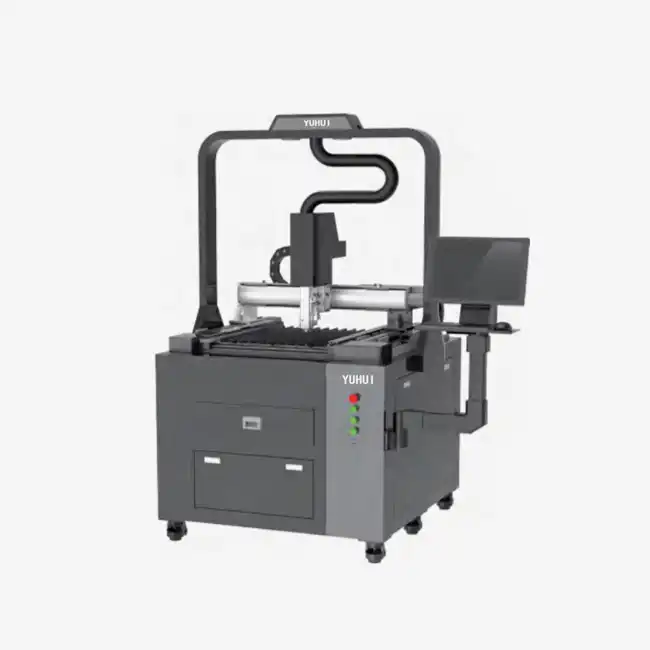
At Yuhui Laser, we offer great value for metal processing businesses around the world by combining modern production with customer-focused service. Our dedication to performance is shown by the Intelligent High-speed Cutting Machine YH-1625 model, which has accurate automatic edge recognition through high-precision industrial cameras that make sure the laser is placed correctly and cutting performance is better. Stable operation and reliable laser protection improve safety and regularity in processing, and high cutting accuracy meets the needs of precision machining uses in a wide range of industries.
Our factory-direct pricing lets us offer lower prices without lowering the quality of our products. Our dedication to international standards is shown by our CE and ISO licenses, and the THF4 military-grade lens ensures consistent performance even when production plans are tight. With a large inventory that supports quick 14-day lead times and the ability to customize production based on your needs, we get rid of the long delays that make it hard to plan production.
In addition to delivering the equipment, our 450-day after-sales service protects your investment and keeps your business running. You'll never have to deal with problems on your own thanks to technical training, fitting help, and quick access to parts. If you're a medium-sized distributor, an automation integrator, or a metal fabrication shop, Yuhui Laser has the knowledge, products, and partnership approach that will help your business succeed. Please email us at jianghui@yuhui-laser-tech.com right away to talk about how our smart cutting solutions can improve your production and put you ahead of the competition.
References
1. Chen, M., & Wang, L. (2023). Advanced Laser Cutting Technologies in Modern Manufacturing. Industrial Engineering Press.
2. Thompson, R. J. (2024). Automation and AI Integration in Metal Processing Equipment. Manufacturing Technology Journal, 45(3), 127-145.
3. International Organization for Standardization. (2022). Quality Management Systems for Laser Equipment Manufacturing (ISO 9001:2022). Geneva: ISO Publications.
4. Rodriguez, A., & Kim, S. H. (2023). Comparative Analysis of Cutting Technologies: Performance and Cost-Effectiveness. Journal of Manufacturing Processes, 58, 234-251.
5. European Committee for Standardization. (2024). Safety Requirements for Laser Processing Machines (EN 12626:2024). Brussels: CEN Publications.
6. Zhang, Y., & Mueller, K. (2023). Material Optimization Strategies in Computer-Aided Manufacturing. Applied Engineering Research, 18(2), 89-104.
Contact us directly for customized solutions, quotations and long-term strategic cooperation.