- English
- French
- German
- Portuguese
- Spanish
- Russian
- Japanese
- Korean
- Arabic
- Greek
- German
- Turkish
- Italian
- Danish
- Romanian
- Indonesian
- Czech
- Afrikaans
- Swedish
- Polish
- Basque
- Catalan
- Esperanto
- Hindi
- Lao
- Albanian
- Amharic
- Armenian
- Azerbaijani
- Belarusian
- Bengali
- Bosnian
- Bulgarian
- Cebuano
- Chichewa
- Corsican
- Croatian
- Dutch
- Estonian
- Filipino
- Finnish
- Frisian
- Galician
- Georgian
- Gujarati
- Haitian
- Hausa
- Hawaiian
- Hebrew
- Hmong
- Hungarian
- Icelandic
- Igbo
- Javanese
- Kannada
- Kazakh
- Khmer
- Kurdish
- Kyrgyz
- Latin
- Latvian
- Lithuanian
- Luxembou..
- Macedonian
- Malagasy
- Malay
- Malayalam
- Maltese
- Maori
- Marathi
- Mongolian
- Burmese
- Nepali
- Norwegian
- Pashto
- Persian
- Punjabi
- Serbian
- Sesotho
- Sinhala
- Slovak
- Slovenian
- Somali
- Samoan
- Scots Gaelic
- Shona
- Sindhi
- Sundanese
- Swahili
- Tajik
- Tamil
- Telugu
- Thai
- Ukrainian
- Urdu
- Uzbek
- Vietnamese
- Welsh
- Xhosa
- Yiddish
- Yoruba
- Zulu
Affordable double head laser engraving & cutting machines with warranty
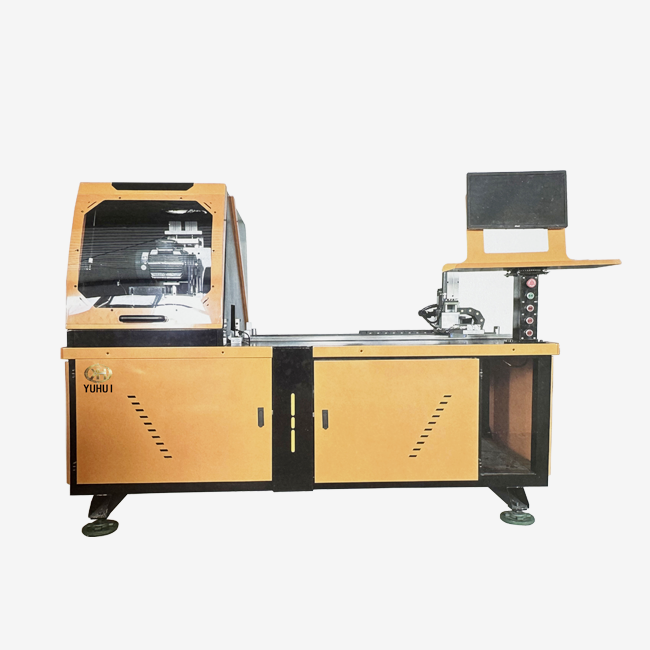
When my manufacturing company needed to double its output without taking up more space, I learned how powerful dual-head laser systems could be. A double-head laser engraving & cutting machine has two separate laser tubes and focal heads that work together on the same workspace at the same time. This doubles the amount of work that can be done while keeping the accuracy. These systems solve important production problems like limited room, high labor costs per unit, and limited capacity. This makes them necessary for businesses that want to grow in competitive markets without having to buy a lot of different machines.
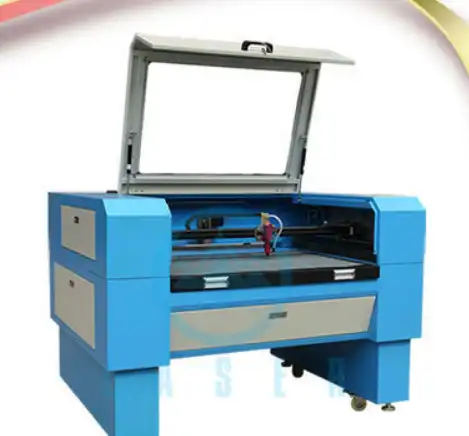
Understanding Double Head Laser Engraving & Cutting Machines
The dual-head configuration is a smart engineering answer to the problems that come up in modern manufacturing. Unlike standard systems with only one head, these machines have two full laser assemblies that can work together or separately, based on the needs of the job.
Core Components and Laser Technology
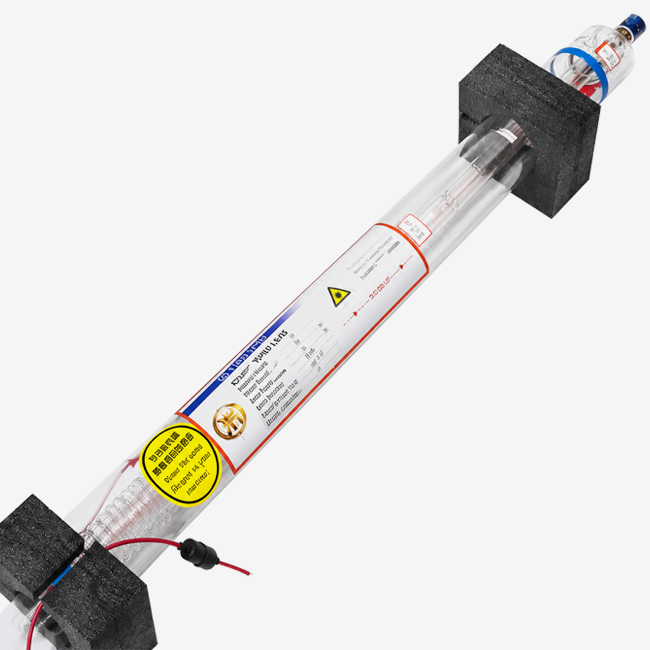
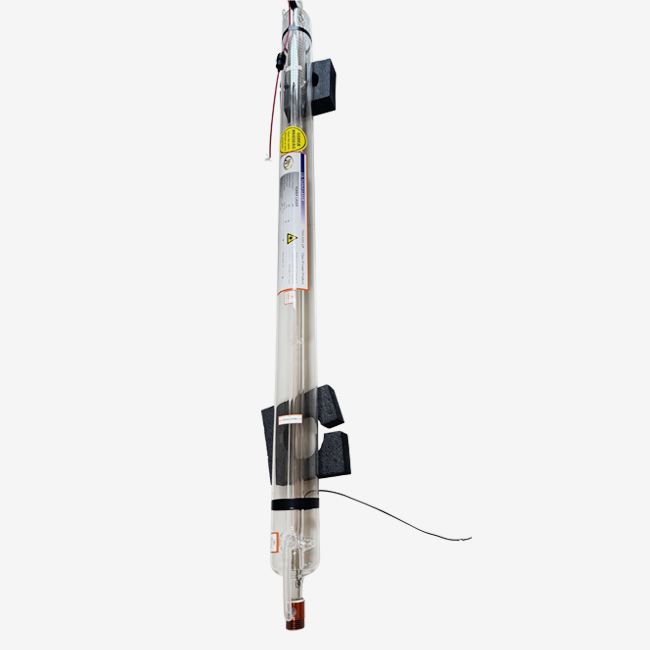
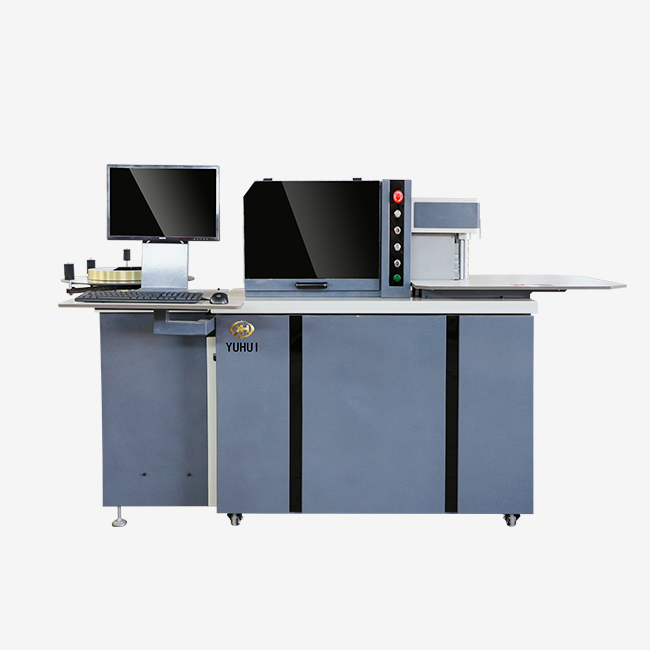
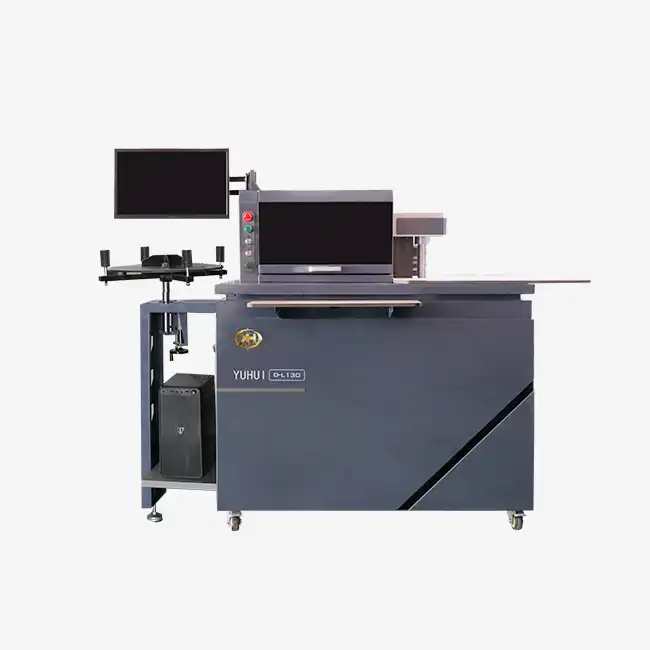
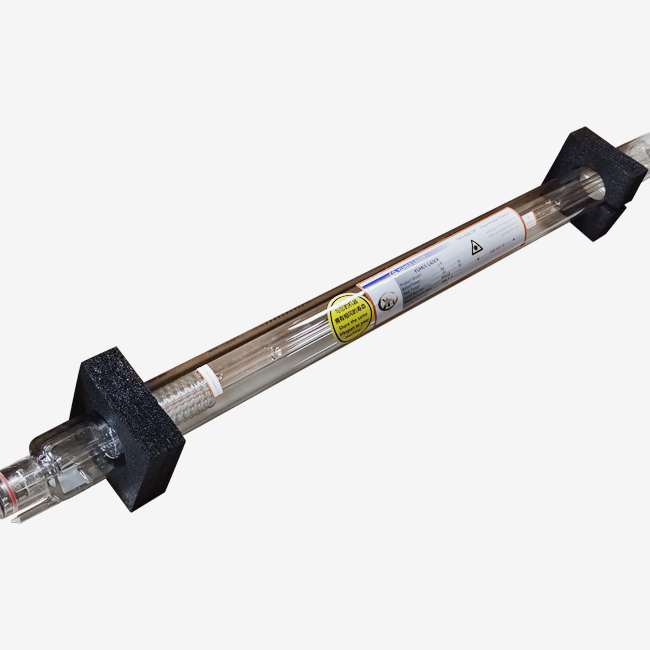
Our YH1390 and YH1610 models at Yuhui Laser use CO₂ sealed-off glass laser tubes from well-known names like Yongli and Reci. These tubes have advanced technology that keeps the laser power stable. These tubes make a beam with a wavelength of 10.6μm that works well on materials that aren't metal. The improved manufacturing methods make the structure more stable and improve the quality of the beam output. This way, cutting speeds stay the same and accuracy stays high over long operations.
When you combine the high-speed DSP control system with stepper motors and high subdivision drivers, you can get positioning accuracy of ≤±0.01 mm. This level of accuracy is important for making intricate designs on acrylic signs or cutting complicated gasket patterns, as dimensional tolerance has a direct effect on the quality of the product and how well it fits together.
Performance Specifications That Matter
Working areas of 1300x900mm or 1600x1000mm can handle different sizes of materials, and laser power options of 60W, 80W, 100W, or 150W give you options for working with materials of different thicknesses and densities. During constant production runs, the water cooling system keeps the machine at the best temperature, and the 0-100% laser output control lets you fine-tune for different materials without stopping work.
The fastest speed for engraving is 500 mm/s, and the fastest speed for cutting is 0 to 100 mm/s, depending on the type of material. The machines work reliably in temperatures between 0°C and 45°C and in humidity levels between 5% and 95%. This means they can be used in a wide range of industrial settings, from climate-controlled buildings to workshops.
How to Choose an Affordable Dual-Head Laser System?
To choose the right equipment, you need to carefully weigh your production needs against the machine's capabilities and the total cost of ownership. I've helped dozens of manufacturers make decisions like this, and long-term satisfaction is always based on the same factors.
Defining Your Production Requirements
First, look at your normal production volume and the types of materials you use. Businesses that make more than 500 identical pieces every day can benefit the most from dual-head systems, which can work at the same time and cut cycle times by 45 to 50 percent compared to single-head options. Types of materials are very important. CO₂ lasers work best with wood, plastic, leather, fabrics, and rubber, while fiber lasers work better with metals.
Needs for precision vary by business. Sign makers need edges that are clean and don't get charred, while cloth makers care most about speed and consistency. When you know these goals, you can match the specs of a double-head laser engraving & cutting machine to what it needs to do its job without spending too much on features that aren't needed.
Evaluating Core Machine Factors
How much power the laser uses directly affects how thick the material can be and how fast it can be processed. A 60W system works well with thinner materials like fabric and 3mm acrylic. On the other hand, 100W or 150W tubes cut through 10mm wood or 8mm acrylic more smoothly. Finding the right balance between power and the range of materials you usually work with is key. Higher wattage increases the initial investment and operating costs but decreases the time it takes to process each piece.
The size of the work area determines how well materials can be moved. The 1600x1000mm work area can hold bigger sheets, and better stacking cuts down on material loss. Smaller 1300x900mm systems work well for operations with standard smaller parts because they have lower start-up costs and need less floor room.
Understanding Warranty and Service Coverage
Comprehensive warranty coverage protects your investment after you've bought it. At Yuhui Laser, we offer 450 days of service after the sale, which is much longer than the norm in the business. This longer support period includes expert help, access to replacement parts, and online troubleshooting, which keeps production running as smoothly as possible when problems happen.
Check the warranty terms to see what they really cover, such as the laser tube's lifespan, the replacement of optical parts, problems with the control system, and mechanical wear parts. Good makers stand behind their goods with clear coverage terms and service networks that work with your needs. Our CE and ISO certifications show that we follow international quality standards, which gives you even more confidence in our long-term dependability.
Maintenance and Safety Protocols for Extended Equipment Life
Good maintenance habits have a direct effect on how long machines last and how consistently good their output is. I've seen machines that were exactly the same work very differently depending on how well they were maintained. One lasted 8+ years with few problems, while another needed major fixes within 3 years.
Essential Maintenance Procedures
Cleaning regularly keeps performance from going down. Beam quality is kept up by cleaning the optical lenses once a week and removing cutting dust from the worktable every day. Checking the coolant levels, filter cleaning, and flow rates of the water cooling system once a month keeps expensive laser tubes from getting damaged by burning. Our systems use sealed-off glass laser tubes that have a long useful life and a low failure rate. However, they still need to be cooled properly to reach their full operational lifespan.
Every 90 days, optical alignment checks make sure that both laser heads stay in the right place for the focus. If the two heads aren't lined up correctly, the cutting depth and edge quality will be different between them. With the right training, the process of making adjustments only takes about 30 minutes and keeps expensive materials from going to waste because of output that doesn't meet specifications.
When a manufacturer sends out software updates, they often include performance improvements and bug fixes that make the software work better. Keeping the DSP control system's firmware up to date makes sure that it works with modern design software and gives you access to better features.
Integrated Safety Features and Operator Training
Industrial laser systems have many safety features that keep both the operators and the equipment safe. Pressing the emergency stop button turns off the power right away, and interlock systems stop the laser from firing when the protective covers are open. If cooling fails, water flow monitors turn off the laser tubes automatically, which keeps the tubes from getting badly damaged.
Operator training includes more than just basic operation. It also includes safety rules, settings for specific materials, and ways to fix problems. Staff that has been properly trained can spot early warning signs of possible problems, such as strange sounds, uneven cutting quality, or error messages from the control system. This lets them take action before problems happen. As part of our installation support, we provide full training sessions so that your team can use the tools properly and with confidence from the start.
Real-World Applications Across Industries
Dual-head laser systems are useful in many types of industry because they can be used in different ways. By understanding specific use cases, you can figure out if this technology fits your business's needs.
OEM Manufacturing and Mass Customization
The ability to process multiple orders at once is very helpful for contract manufacturers who work for many clients. Being able to make copies of the same models at the same time cuts down on the time it takes to make each unit, which makes quotes more competitive while keeping delivery dates. Our customization options, which include changes to structure, function, and software, let OEM buyers make equipment fit their specific production processes and even private label needs.
Automotive parts suppliers use two-head systems to cut precise gaskets and interior trim parts that must be accurate in size and have a smooth edge finish. With a repositioning accuracy of ±0.01 mm, the fit will be the same across production runs of thousands of pieces.
Signage and Woodworking Industries
Sign makers are always under pressure to make complicated designs fast without lowering the quality. Double-head laser engraving & cutting machines can cut plastic channel letters, show stands, and decorative panels with clean lines and sharp details. Processing mirror-image parts or identical multiples at the same time cuts production time by almost half, which directly boosts profits on large orders.
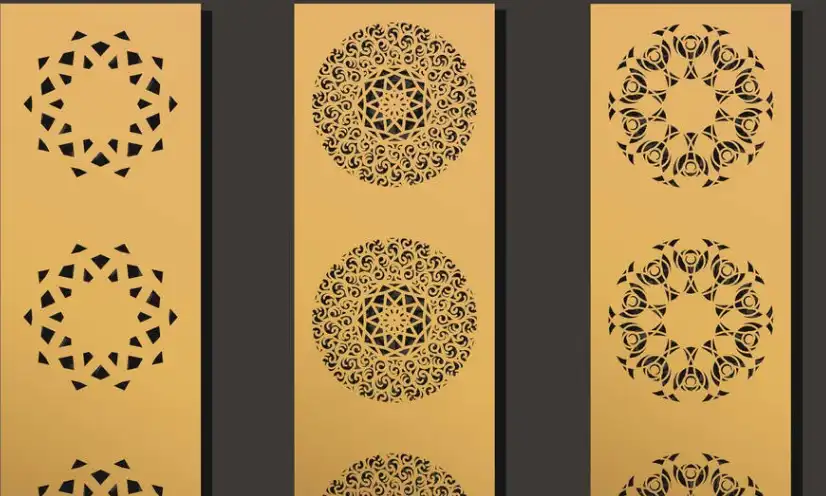
These systems are used by woodworking businesses to make decorative panels, architectural elements, and custom furniture parts. Since high cutting speeds can be used to engrave detailed patterns, even medium-sized production runs of complicated designs can be made cheaply.
Textile and Leather Production
Fashion companies and companies that make leather goods use dual-head systems to cut appliques, embroidered patches, and complicated garment parts. Precise control over the laser's power keeps people from getting burnt while making clean cuts through many layers of fabric. Support for making similar patterns in batches greatly lowers the amount of work that is usually needed for hand-cutting tasks.
Manufacturers of shoes use machines to cut leather uppers and plastic parts in a way that is hard to do by hand. The digital workflow, which works with formats like PLT, DST, DXF, DWG, and AI and gets direct output from AutoCAD and CorelDraw, gets rid of the need to make templates and lets designers make changes quickly.
Purchasing Considerations and Logistics
There's more to buying industrial equipment than just comparing prices and specs. Long-term satisfaction and business success are affected by the whole procurement process, from choosing the provider to installation and training.
Identifying Trusted Manufacturers and Certification Verification
Working directly with established manufacturers instead of going through middlemen has a number of benefits. Factory-direct pricing gets rid of markups for distributors, requests for customization are answered faster, and technical support is provided by engineers who know how the products are actually made instead of sales reps.
Check the certificates on your own. Our CE certification shows that we follow European rules for safety, health, and the environment, and our ISO9001 certification shows that we manage quality in a planned way during the whole design, production, and service processes. These certifications aren't just pieces of paper; they show that you've followed international standards and been audited to prove it.
Shipping, Installation, and Training Support
Logistics for international shipping require manufacturers, goods forwarders, and customs agents to work together. Because we have strong relationships with logistics companies, we can guarantee on-time deliveries, usually within 14 business days of proof of order. This is because we keep a lot of stock on hand. Knowing about import taxes and local rules keeps project budgets from getting thrown off by unexpected costs.
Mechanical setup, optical alignment, software setting, and first test cuts should all be part of installation help. At Yuhui Laser, our technical team gives detailed installation instructions, either over the phone or in person, depending on the customer's preference and where they are. This makes sure that the equipment works at its best before production starts.
Full training for operators includes setting up specific materials, doing routine maintenance, following safety rules, and fixing simple problems. When your team gets the right training, the learning curve goes from weeks to days. This means that they can get to work quickly and there is less chance that an operator will make a mistake that damages equipment or makes parts that don't work right.
Evaluating Total Cost of Ownership
The purchase price of the double-head laser engraving & cutting machine is only one part of the financial scenario. Over the life of the equipment, running costs like electricity (≤1500W total machine power), replacement parts like laser tubes and lenses, and repair materials add up. Our Yongli/Reci laser tubes last longer and break down less often than lower-quality alternatives, so they cost less to maintain over time.
For producers who work multiple shifts, the productivity gains from dual-head operation usually pay for themselves in 12 to 18 months. Figure out how much each unit of your current production costs, and then model how much those costs will go down when you double your output. This will help you come up with a realistic payback time for your case.
Conclusion
Investing in affordable dual-head laser technology changes how makers can make things when they are limited in volume and have to compete on price. When you combine the ability to process multiple things at once with precise engineering and full warranty support, you get measured improvements in productivity and costs per unit. To choose the right system, you need to weigh the technical specs against the real production needs, check the credentials and certifications of the maker, and make sure there is enough training and support infrastructure. These machines are long-term investments that get more valuable as production increases. This makes them especially appealing for businesses that want to grow and get a bigger share of the market.
FAQ
Can both laser heads process different designs simultaneously?
Standard synchronized models make sure that both heads have the same patterns, which is the most efficient way to make a lot of the same parts. Specialized asynchronous configurations with independent X-axis control let different designs be made at the same time, but they cost more and need custom engineering. Most manufacturers find that synchronous operation meets their needs because it makes operations easier and maintenance less difficult.
What happens if one of the laser tubes needs to be changed?
The control system lets you turn off a broken head while the single-head process keeps going until new tubes come. This design keeps production from stopping completely, but output simply drops to what a single head can handle. Yongli and Reci tubes usually work for 6,000 to 8,000 hours before they need to be replaced. Our service team keeps replacements in stock so that we can quickly ship them out.
How does electrical consumption compare to running two separate machines?
The laser uses twice as much power, but the motors, control electronics, and cooling pumps use about the same amount of power as single-head models. Total energy use stays about 60–70% of running two separate machines, which means that more energy is used per finished part. The 1500W total machine power rating includes both 150W laser tubes working at full power at the same time, as well as all mechanical and control systems.
Get Started with Yuhui Laser's Dual-Head Solutions
Yuhui Laser is an expert in offering low-cost laser printing and cutting services, and we stand behind our work with a 450-day service guarantee. The YH1390 and YH1610 are two-head systems that come with THF4 military-grade lenses, CE and ISO certifications, and factory-direct prices that make them a great value. As an experienced manufacturer of double-head laser engraving & cutting machines, we keep a lot of stock on hand so that lead times are only 14 days. We can also customize the equipment to fit your specific production needs. You can email our expert team at jianghui@yuhui-laser-tech.com or visit yuhui-laser-tech.com to talk about how our dual-head laser systems can help you with your production problems and come with full support.
References
1. Zhang, L., & Wang, H. (2023). Advanced Laser Processing Technologies for Industrial Manufacturing. Industrial Press.
2. Mitchell, R. T. (2022). CO2 Laser Systems: Design, Application, and Maintenance Best Practices. Manufacturing Technology Publishers.
3. European Committee for Standardization. (2024). EN ISO 11553: Safety of Machinery - Laser Processing Machines.
4. Chen, Y., Liu, M., & Anderson, K. (2023). "Comparative Analysis of Single and Dual-Head Laser Cutting Systems in High-Volume Manufacturing." Journal of Manufacturing Processes, 45(3), 234-248.
5. Thompson, G. (2024). Total Cost of Ownership Analysis for Industrial Laser Equipment. Manufacturing Economics Institute.
6. International Organization for Standardization. (2022). ISO 9001:2015 Quality Management Systems - Requirements and Implementation Guidelines.
Contact us directly for customized solutions, quotations and long-term strategic cooperation.