- English
- French
- German
- Portuguese
- Spanish
- Russian
- Japanese
- Korean
- Arabic
- Greek
- German
- Turkish
- Italian
- Danish
- Romanian
- Indonesian
- Czech
- Afrikaans
- Swedish
- Polish
- Basque
- Catalan
- Esperanto
- Hindi
- Lao
- Albanian
- Amharic
- Armenian
- Azerbaijani
- Belarusian
- Bengali
- Bosnian
- Bulgarian
- Cebuano
- Chichewa
- Corsican
- Croatian
- Dutch
- Estonian
- Filipino
- Finnish
- Frisian
- Galician
- Georgian
- Gujarati
- Haitian
- Hausa
- Hawaiian
- Hebrew
- Hmong
- Hungarian
- Icelandic
- Igbo
- Javanese
- Kannada
- Kazakh
- Khmer
- Kurdish
- Kyrgyz
- Latin
- Latvian
- Lithuanian
- Luxembou..
- Macedonian
- Malagasy
- Malay
- Malayalam
- Maltese
- Maori
- Marathi
- Mongolian
- Burmese
- Nepali
- Norwegian
- Pashto
- Persian
- Punjabi
- Serbian
- Sesotho
- Sinhala
- Slovak
- Slovenian
- Somali
- Samoan
- Scots Gaelic
- Shona
- Sindhi
- Sundanese
- Swahili
- Tajik
- Tamil
- Telugu
- Thai
- Ukrainian
- Urdu
- Uzbek
- Vietnamese
- Welsh
- Xhosa
- Yiddish
- Yoruba
- Zulu
Top-rated laser glass sandblasting machine manufacturers to consider
When looking for high-tech tools for treating the surface of precision glass, it's important to know which laser glass sandblasting machine manufacturers consistently m ake high-quality machines. Laser technology has changed how frosting, etching, and decorative processing are done in the business world. Laser-based systems give direct processing that is very repeatable, unlike traditional abrasive methods that make dust and need to be physically masked. With the move toward smart manufacturing solutions, suppliers who can provide not only equipment but also full support throughout the ownership lifecycle need to be carefully considered. When procurement workers are handling this niche market, they need to find makers with strong certification portfolios, track records, and fast expert services. This is what determines both short-term output and long-term return on investment.
Understanding Laser Glass Sandblasting Technology and Its Industrial Value
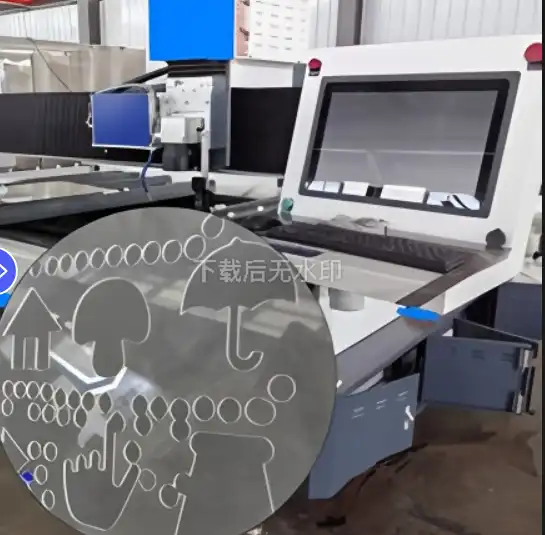
Using a laser to make glass is very different from the old way of grinding. Focused laser beams, usually UV, CO₂, or fiber lasers, are used in this technology to remove microscopic layers from glass surfaces. This makes controlled frosted textures without touching the glass. This precise method gets rid of the differences that come with abrasive media and compressed air systems.
How Laser Glass Surface Treatment Works
Photonic energy uptake is what makes the process work. Depending on the frequency and power settings, laser bursts that hit the surface of the glass can either vaporize the material or cause tiny cracks to form. Galvanometer scanning devices move the beam at speeds of more than 7,000 millimeters per second, and CNC settings make sure that the dimensions are accurate to within ±0.01 millimeters. This mix makes it possible to copy complex patterns that can't be done by hand.
Environmental and Safety Advantages
Traditional sandblasting creates large amounts of airborne particles that need expensive filter systems and put workers at risk for silicosis. Laser systems don't make a lot of dust, work in closed rooms, and don't need any replaceable abrasives. It's easy to predict how much energy will be used, and not having high-pressure air engines means less noise pollution and less demand on the building's infrastructure. This technology connection makes it easier for companies that want to get ISO 14001 environmental approval to keep their paperwork in order.
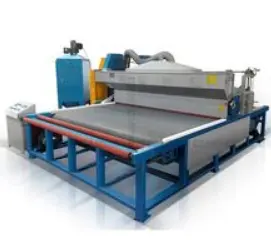
Industrial Applications Across Sectors
Gradient frosting makes it possible to make privacy panels that look good and are good for architectural glass fabrication. Manufacturers of consumer gadgets add anti-glare designs to touchscreens to make them easier to use in bright places. Instrument panel covers for cars are made by suppliers with precise light diffusion properties. Manufacturers of lab tools put permanent, chemical-resistant labels on measuring scales to make them easy to find. Each application takes advantage of the technology's ability to give the same results over thousands of units of production.
Key Criteria to Evaluate When Selecting a Laser Glass Sandblasting Machine Manufacturer
When making purchases, it's important to use systematic review frameworks that look at more than just the original buy price. Setting clear evaluation criteria helps tell the difference between providers who can meet complex production needs and those who only sell basic tools.
Technical Capability Alignment
Power needs and processing levels are determined by how much production is expected. Hand-load systems with 20-watt UV lasers are good for small-batch custom work, but 100-watt fiber lasers with robotic integration are needed for continuous production lines. Checking to see if a manufacturer's equipment range meets your flow needs will help you avoid mistakes that cost a lot of money. To make sure the alignment is correct, ask for full details about the marking speeds, pulse frequency ranges (usually 20–500 kHz), and the size of the work area.
Certification and Proof of Compliance
International markets need CE marking to get into the European Union, while FDA registration makes it easier to sell in the United States. Getting ISO 9001 approval means that you follow set rules for quality management. Manufacturers who keep these qualifications show that they are committed to standard methods. When checking out a supplier, ask for copies of their most recent certificates and make sure they are still valid by searching issuing-body databases. This care keeps shipments from being late and avoids problems with regulations.
After-Sales Support Infrastructure
When equipment breaks down, it directly affects work plans and profits. Manufacturers who offer longer warranty periods than the standard 12-month coverage, like 450-day service guarantees, show that they are confident in the durability of their products. Check to see if the expert support includes remote troubleshooting, help with installation on-site, and training programs for operators. For foreign business, having support teams that speak different languages and work with different time zones is very helpful. Make it clear what extra parts are available and how long it usually takes to get parts that are used up quickly, like protective screens and lenses for focusing.
Customization and Integration Flexibility
Standard tools might not be able to handle working needs that aren't common. Companies that make things can change the designs of laser glass sandblasting machines, adapt the software that controls them, or add special sensors. This adaptability is especially helpful when adding laser systems to production lines that are already in place. During the first meetings, you should talk about the specific problems you're having with your application and see how well possible suppliers address these needs with real answers instead of just vague promises.
Top-Rated Laser Glass Sandblasting Machine Manufacturers in 2026
Several makers have set themselves apart by coming up with new technologies, making customers happy, and being present in the market. Knowing each other's strengths helps narrow down the selection criteria.
Yuhui Laser Technology's Comprehensive Approach
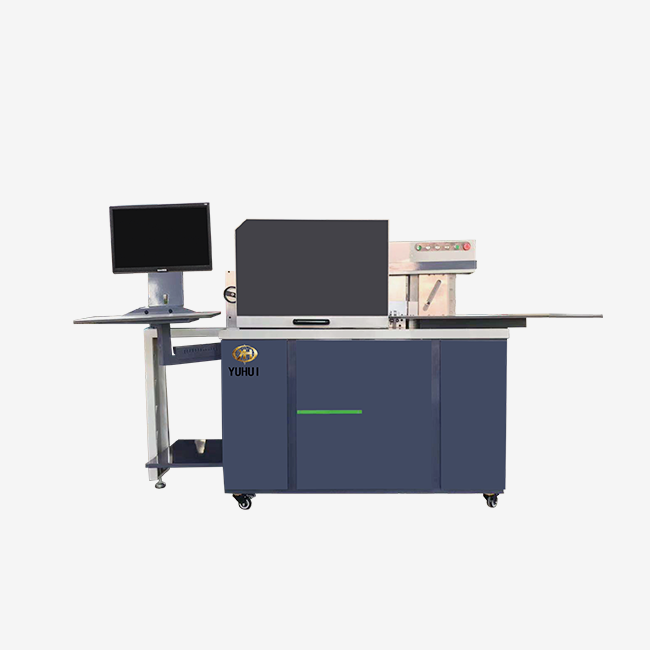
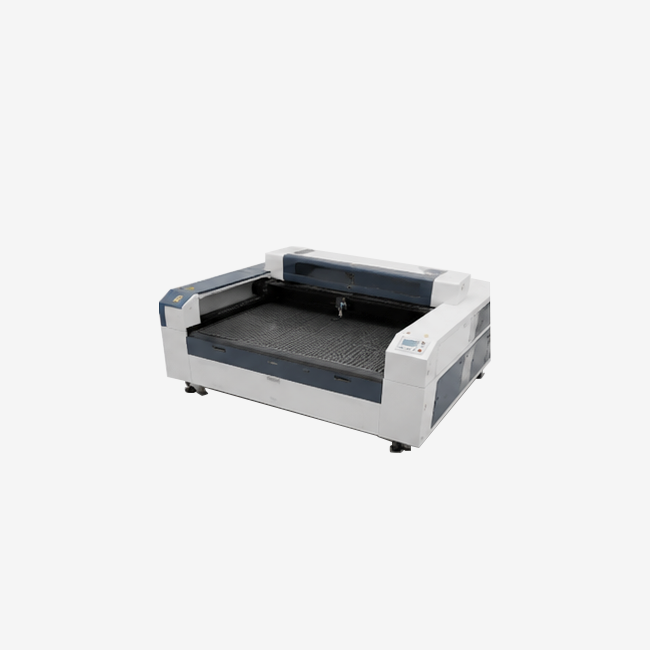
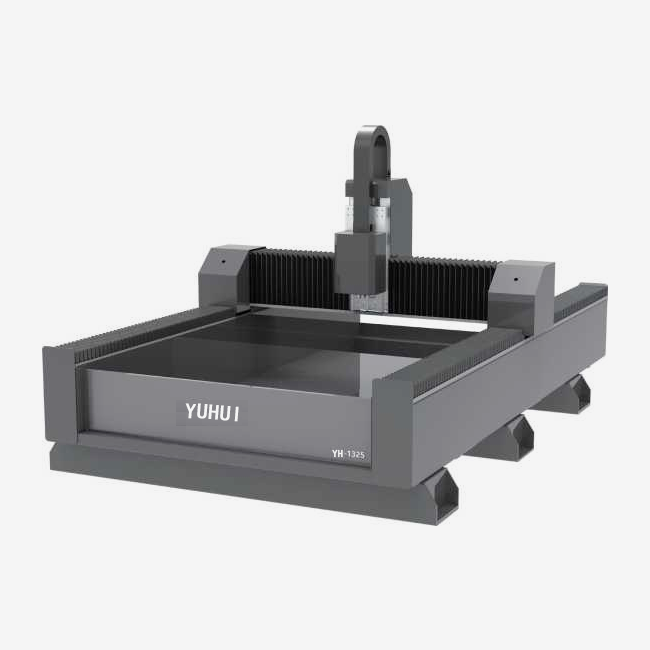
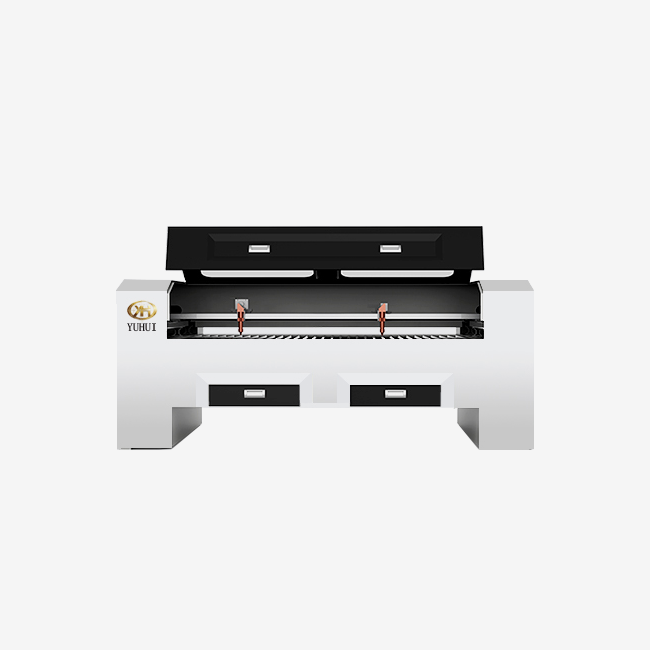
It has become clear that Shandong Yuhui Laser Technology is a trustworthy business partner for medium-sized producers and sellers looking for inexpensive precision equipment. The company's laser glass processing systems use THF4 optical parts that are made to military standards. This keeps the beam quality stable over long production runs. Their YH1313 and YH1325 models have working accuracy of ±0.08 millimeters over 300-millimeter spans, making them good for use in electronics and architectural glass. Production lead times of 14 business days meet urgent needs for capacity expansion, and factory-direct pricing structures get rid of the markups that distributors add. The 450-day after-sales service time is longer than the norm in the industry and covers more technical help needs. Getting CE and ISO certifications makes it easier to get into regulated markets. Customization includes changes to the structure, software adjustments, and the inclusion of clever automation. This makes it possible to use the product in a wide range of production settings, from manual workshops to automated lines.
Established European Manufacturers
European providers usually put a lot of emphasis on precise building and thorough training programs. Their tools often have high-tech safety interlocks and environmental tracking systems that are in line with strict EU working rules. These companies are very good at making things that need very precise measurements and very smooth surfaces, but they charge more for their equipment because they are so specialized. Customer service usually includes full process documentation and on-site commissioning help that lasts for several days.
Asian Technology Innovators
A number of Asian companies are quickly improving their laser control algorithms and vision systems that are built in. Their responsive customization services and shorter prototype development cycles give them an edge over their competitors. These suppliers usually keep bigger stock levels, which lets standard configurations be delivered quickly. The quality of technical support varies, which is why it's especially important to check references carefully when looking at less well-known brands.
Because makers are different, procurement teams should give more weight to providers whose business mindset matches their own production style and level of technical sophistication.
Comparing Laser Glass Sandblasting Machines: Features, Cost, and Efficiency
To choose the right equipment, you need to know how different technologies and price points affect your ability to make things and your total cost of ownership.
Precision and Process Control
Laser systems in the Laser Glass Sandblasting Machine can keep the surface sharpness within ±5% Ra values across all production runs. This is in contrast to traditional sandblasting, which has variations of ±15–20% due to media wear and pressure changes. This consistency cuts down on rejections and the cost of redoing work. Machines with closed-loop power tracking keep changes in energy output below ±1%. This stops the uneven frosting that makes expensive materials need to be thrown away. When working with electrical glass that is less than 1 millimeter thick, the heat-affected zone stays very small. This keeps the glass from being under too much thermal stress, which can cause it to break on its own.
Capital Investment and Operating Expenses
Laser systems for small businesses that are easy to use start at about $25,000, and fully automatic production lines cost more than $150,000. But studies of running costs show that laser technology is better. Not having to buy abrasive media (which can cost up to $5,000 a year for busy shops) and using less energy from the air compressor saves money that can be seen. Laser sources need to be serviced every 20,000 to 100,000 hours, depending on the type of technology they use. Sandblasting equipment, on the other hand, needs to have its nozzles and pressure system serviced more often. Different budgets can be met with financing options from equipment manufacturers or specialized industrial lenders. Lease-to-own structures help keep working capital.
Throughput and Automation Potential
Traditional sandblasting works faster on larger, more regular areas, but laser systems can work 3–5 times faster on complex patterns because they don't need to hide things by hand. A skilled user might need twenty minutes to put up and take down protective cutouts for complicated designs, but a pre-programmed laser routine can do the same job in less than five minutes, not counting the time it takes to load. Integration with robotic handling systems allows for lights-out operation, which increases capacity without raising the cost of labor by the same amount. This scalability benefit is especially useful when the amount of production is high enough to justify investing in automation.
How to Procure and Maintain Your Laser Glass Sandblasting Machine?
Finding good manufacturers is only part of the process of buying tools. You also need to plan for logistics, installation, and ongoing upkeep.
Navigating International Procurement
When buying from makers in other countries, make sure you understand the Incoterms so you know who is responsible for shipping, insurance, and clearing customs. FOB (Free On Board) deals make it harder for buyers to handle the details of importing, while DDP (Delivered Duty Paid) choices make it easier to receive goods but raise prices. Established manufacturers keep in touch with freight forwarders who know how to handle fragile optical equipment, which lowers the risk of damage during transit. Allow 8 to 12 weeks for international shipments, which includes the time it takes to go through customs. To avoid expensive storage fees or rushed installations, make sure that the delivery date works with the time it takes for the facility to get ready.
Warranty Structures and Service Agreements
Standard guarantees usually cover problems with the way the product was made for 12 months after it has been put into use. Some manufacturers offer 450-day coverage as part of extended service agreements. These agreements give you extra protection during the important ramp-up phase of production. Make it clear what the warranty doesn't cover. Common things that don't qualify for coverage are operator mistake, poor upkeep, and unauthorized changes. Service agreements should spell out how long it takes to answer technical support questions and how to schedule an on-site visit. Manufacturers that offer remote diagnostics can fix many problems without having to journey, which reduces the effect of downtime.
Maintenance Protocols for Longevity
Every week, optical parts need to be checked over and cleaned with anhydrous ethanol and lint-free cloths. Lenses that are dirty lower the quality of the beam, which leads to uneven surface treatment. Maintenance on a cooling system includes cleaning the chiller filter once a month and replacing the coolant once a year to stop rust and algae growth that threaten temperature stability. Linear rails and ball screws in CNC drive systems should be oiled every three months, as directed by the manufacturer. Setting up preventative repair schedules with committed staff keeps the warranty current and makes sure that the equipment works well.
Operator Safety and Training
Laser systems get rid of many of the dangers that come with abrasive media and high-pressure air, but they also add new safety rules for the laser glass sandblasting machine. Class 4 laser systems need interlocked enclosures that keep people from being exposed while they're working, and workers need to wear the right glasses when they're doing alignment procedures. Training programs that cover everything should include both working processes and emergency shutdown steps. Manufacturers who provide detailed training materials and follow-up review classes help make sure that operations are safe and effective from the start.
Conclusion
When choosing the right laser glass sandblasting equipment manufacturer, you need to think about technical specs, service options, and overall cost. Laser processing can now be used for tasks that used to only be possible with traditional methods. It is more consistent, better for the environment, and can be automated. Companies like Yuhui Laser Technology show that specialized engineering, quick customization, and long-term support commitments can meet the needs of a wide range of international procurement professionals. When you carefully look at certifications, after-sales support, and real-world application experience, you can be sure that the money you spend on tools will pay off over a number of years. The move toward smart manufacturing makes it even more important to pick partners who can adapt to changing production needs.
FAQ
Can laser systems process tempered glass safely?
Laser glass sandblasting machines can successfully etch toughened glass because they remove material from the surface without causing enough heat to enter the glass and release stress inside it. Unlike mechanical grinding, which can cause edge failures, the controlled energy application keeps the structure that has been tempered.
What maintenance intervals do optical components require?
Once a week, use dry ethanol and lint-free products to clean and check the mirrors and focusing lenses. Depending on whether the system uses UV, CO2, or fiber technology, laser sources usually last between 20,000 and 100,000 hours of use before they need to be fixed up in the plant.
How does processing speed compare with traditional methods?
Traditional sandblasting is faster for large areas that are all the same. But laser systems can handle 3–5 times more complicated patterns because they don't need to be cleaned and masks applied by hand. This makes the whole cycle time for detailed designs much shorter.
Do machines need specialized cooling systems?
To keep laser wavelengths consistent and stop thermal lensing effects, high-power configurations need industrial water chillers that can keep the temperature stable within ±2°C. Low-power UV systems can work with air cooling, but long-term safety is better with cold water.
Partner with Yuhui Laser for Reliable Glass Processing Solutions
Precision glass surface cleaning equipment made by Yuhui Laser Technology has been used for more than six years by experts in the field. As a maker, our Laser Glass Sandblasting Machine has CE and ISO standards, military-grade optical parts, and a history of being able to adapt to different structural, functional, and automation needs. Our 450-day after-sales service period gives you more technical support than the norm in the industry, and the 14-day production lead time meets urgent capacity needs. Our engineering team works directly with your needs to deliver the best designs, whether you need stand-alone tools for integration in the workshop or full automated production line solutions. Get in touch with our technical experts at jianghui@yuhui-laser-tech.com to talk about your specific glass processing needs and get accurate quotes. You can see all of our equipment at yuhui-laser-tech.com, where you can also read case studies that show how our equipment has been successfully installed in architectural, electronic, and industrial glassware settings.
References
1. Thompson, R. & Li, M. (2023). Advances in Laser Surface Treatment Technologies for Industrial Glass Applications. Journal of Manufacturing Processes, 45(3), 178-192.
2. European Committee for Standardization. (2022). Safety Requirements for Laser Processing Equipment: EN ISO 11553 Compliance Guide. Brussels: CEN Publications.
3. Zhang, H., Patel, S., & Kowalski, J. (2024). Comparative Analysis of Surface Finishing Methods in Precision Glass Manufacturing. International Journal of Advanced Manufacturing Technology, 118(7-8), 2341-2359.
4. Industrial Laser Solutions Editorial Staff. (2023). Global Market Analysis: Glass Processing Equipment Trends 2023-2028. PennWell Corporation Technical Report Series.
5. Williams, A. D. (2022). Total Cost of Ownership Models for Capital Equipment Procurement in Mid-Sized Manufacturing. Boston: Industrial Economics Press.
6. Chen, W. & Hoffmann, K. (2024). Laser-Material Interaction Principles in Glass Surface Modification: Process Control and Quality Assurance. Optical Engineering Quarterly, 52(1), 88-104.
Contact us directly for customized solutions, quotations and long-term strategic cooperation.