- English
- French
- German
- Portuguese
- Spanish
- Russian
- Japanese
- Korean
- Arabic
- Greek
- German
- Turkish
- Italian
- Danish
- Romanian
- Indonesian
- Czech
- Afrikaans
- Swedish
- Polish
- Basque
- Catalan
- Esperanto
- Hindi
- Lao
- Albanian
- Amharic
- Armenian
- Azerbaijani
- Belarusian
- Bengali
- Bosnian
- Bulgarian
- Cebuano
- Chichewa
- Corsican
- Croatian
- Dutch
- Estonian
- Filipino
- Finnish
- Frisian
- Galician
- Georgian
- Gujarati
- Haitian
- Hausa
- Hawaiian
- Hebrew
- Hmong
- Hungarian
- Icelandic
- Igbo
- Javanese
- Kannada
- Kazakh
- Khmer
- Kurdish
- Kyrgyz
- Latin
- Latvian
- Lithuanian
- Luxembou..
- Macedonian
- Malagasy
- Malay
- Malayalam
- Maltese
- Maori
- Marathi
- Mongolian
- Burmese
- Nepali
- Norwegian
- Pashto
- Persian
- Punjabi
- Serbian
- Sesotho
- Sinhala
- Slovak
- Slovenian
- Somali
- Samoan
- Scots Gaelic
- Shona
- Sindhi
- Sundanese
- Swahili
- Tajik
- Tamil
- Telugu
- Thai
- Ukrainian
- Urdu
- Uzbek
- Vietnamese
- Welsh
- Xhosa
- Yiddish
- Yoruba
- Zulu
Large Format vs. Small and Medium Laser Engravers: Which Is Worth the Investment?
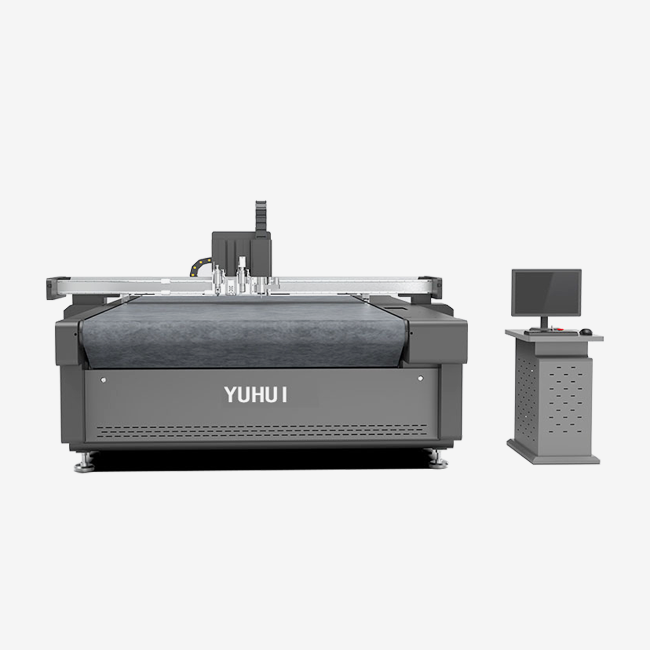
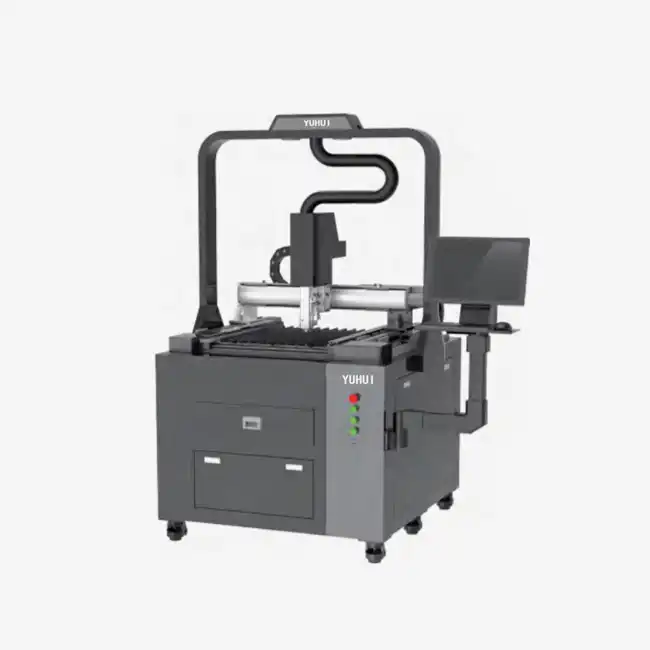
When deciding between large format and small to medium laser engravers, the answer depends on your production scale, budget constraints, and application requirements. A Small and Medium Format Laser Engraving Machine offers precision, compact design, and cost-effectiveness—making it ideal for businesses focused on custom signage, electronics marking, and artisanal leather goods. These machines typically feature working areas between 300x200mm and 900x600mm, delivering industrial-grade accuracy without the substantial floor space demands of large gantry systems, which suits small to mid-sized manufacturers seeking stable performance and rapid production cycles.
Introduction
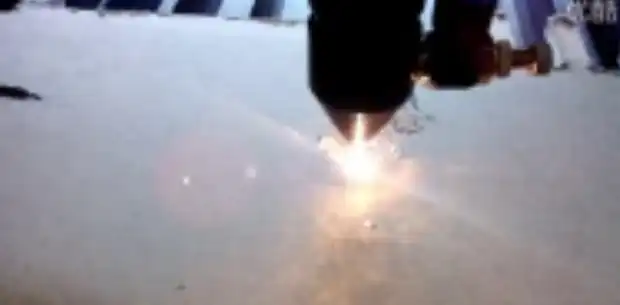
Laser printing is now an important part of modern manufacturing and business-to-business purchasing, and it has changed how companies mark, cut, and customise materials. From shops that make metal parts to businesses that make unique signs, the need for accurate and quick laser solutions keeps growing. Now procurement managers and engineers have to make a big decision: should they buy big machines with big work areas, or should they choose Small and Medium Format Laser Engraving Machines that are both powerful and take up little room?
This guide answers that question by looking at how well different types of laser engravers work, how much they cost, how much maintenance they need, and what kinds of jobs they can do. We will talk about how Small and Medium Format Laser Engraving Machines are used in fields like marking electronics, making architectural signs, and high-end leatherwork. We will also talk about how large format systems are used for heavy industrial tasks and making parts for cars. Businesses can make smart purchasing choices that are in line with their working goals and budgets by learning about important things like precision levels, energy use, and software integration.
Understanding Laser Engraving Machines: Small, Medium, and Large Formats
Laser engraving machines come in a wide range of sizes, abilities, and uses. Businesses can better match equipment to production needs when they know these differences.
Core Technologies: CO2 and Fiber Lasers
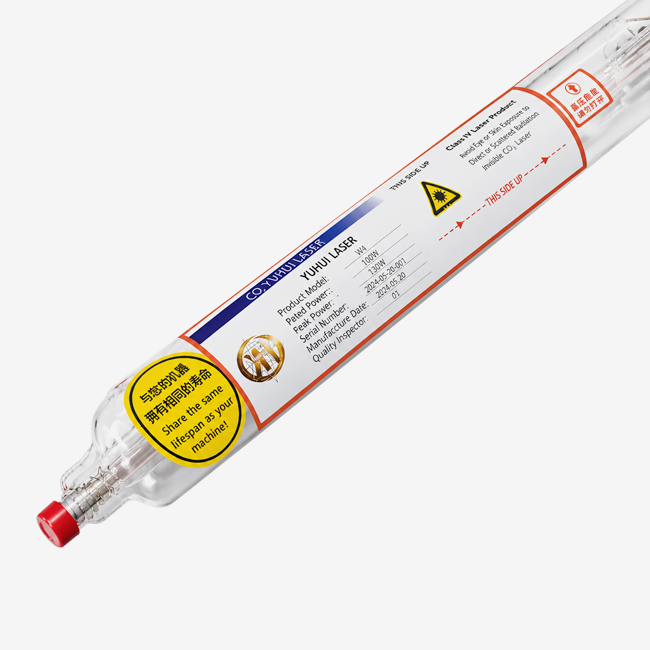
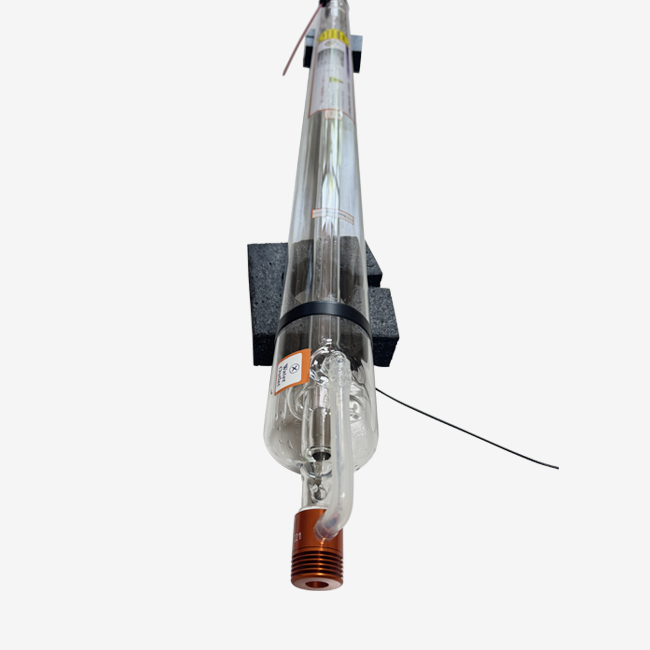
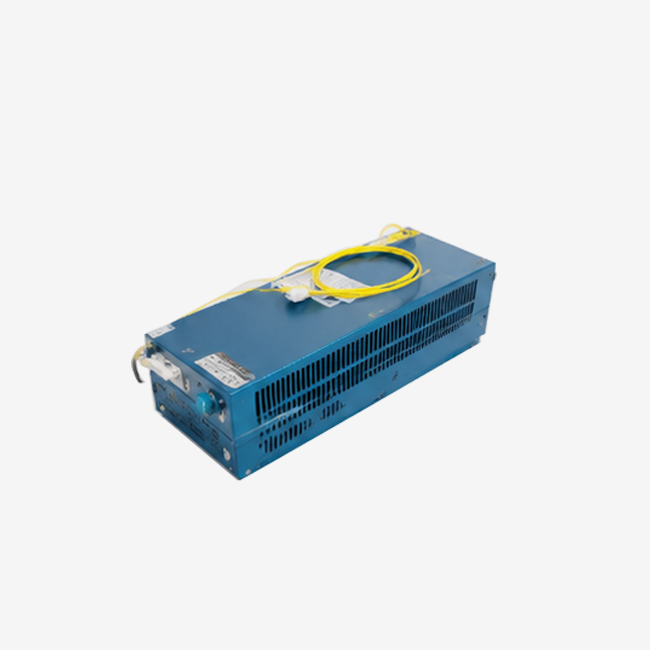
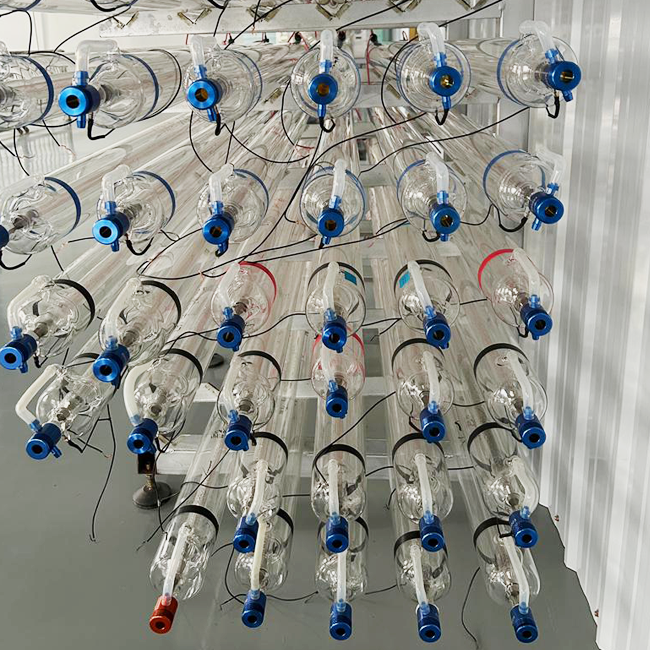
Small and Medium Format Laser Engraving Machines usually use CO2 sealed laser tubes with a frequency of 10.6μm, which works great on non-metal materials like leather, wood, plastic, and rubber. Fiber lasers, on the other hand, are better at marking metal and cutting thin plates while using less energy. Because they can work with both natural and man-made materials, CO2 systems are very popular in sign shops and artisanal production. Fiber choices work well for electronics makers and car suppliers who need to permanently mark stainless steel or aluminium parts with serial numbers.
Workspace Dimensions and Capacity
Most Small and Medium Format Laser Engraving Machines have work areas that are between 600x400mm and 1500x900mm. Yuhui Laser makes models like the YH-6040P, YH-1060P, and YH-1390P that can be used for a range of production sizes while still maintaining high levels of accuracy. These measurements make it possible to store groups of smartphone cases, building model parts, and branded leather accessories without taking up too much floor room. Large format machines, on the other hand, have work areas that are bigger than 2000x3000mm. These machines can handle full car panels or large building elements, but they need a lot of space and equipment.
Precision Levels and How Much Power They Use
Professional-grade Small and Medium Format Laser Engraving Machines can position accurately within ±0.01mm, which lets you do complex pattern work and high-contrast writing. Cutting speeds of up to 100mm/s and engraving speeds of up to 500mm/s make sure that medium-batch production runs can get work done quickly. When machines have laser tube powers between 60W and 150W, they usually use less than 1000W of power, which makes them cheaper to run than big industrial gantries. This level of efficiency is especially important for small manufacturers who have to stick to strict quality standards while working with limited funds.
By knowing these basic features, procurement teams can figure out if Small and Medium Format Laser Engraving Machines can handle their production volume and material processing needs or if they need to buy large format equipment to handle their operational scale.
Comparing Performance and Durability: Which Format Suits Your Needs?
When deciding what laser engraving equipment to buy, performance metrics and long-term dependability are very important.
Precision and Output Quality
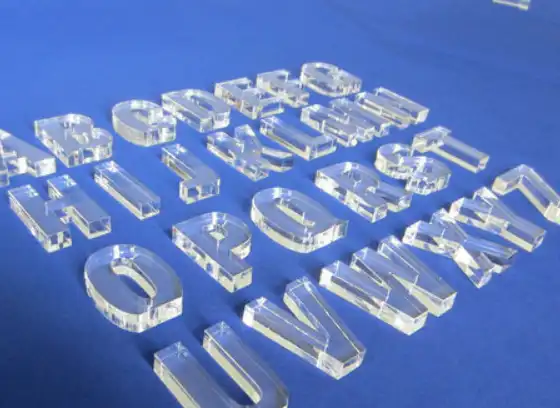
For very precise work, Small and Medium Format Laser Engraving Machines with high-tech motion control systems are the best choice. Leadshine drivers and high-performance stepper motors are built into Yuhui Laser's models. This cuts down on noise and heat production while maintaining smooth operation. The optional red-light positioning system improves the accuracy of alignment, and the automatic focal length change keeps the quality of the cuts the same for all types of material. These qualities are very important for tasks that need clean edges without any extra work, like marking electronic parts and acrylic signs.
Maintenance Requirements and Operational Reliability
Modern Small and Medium Format Laser Engraving Machines don't need to be debugged, which cuts down on maintenance and production downtime. By using anhydrous alcohol to clean the focus lenses and mirrors every day, you can stop residue from building up and lowering the quality of the beam. During long production runs, water cooling systems keep the temperature stable, and industrial chillers keep temperature changes to within ±1°C at peak load. Because their gantry systems are more complicated and their optical paths are longer, large format machines need more thorough maintenance plans. This could make running costs go up over time.
Energy Efficiency and Cost-Effectiveness
Small and Medium Format Laser Engraving Machines that work on standard 110V or 220V AC power can be easily added to existing buildings without the need for special electrical wiring. During processes with multiple shifts, their lower power use means lower energy costs. When you look at the total cost of ownership, these machines are more competitive because they are sold directly from the factory and come with 450 days of service after the sale. This longer support time gives expert help during the initial optimisation of production and long-term operation, which protects the value of the investment.
When you combine accurate positioning with reliable motion control, you get stable equipment performance that can handle companies that need accurate processing over thousands of production runs every year.
Market Overview and Buying Guide for Laser Engraving Machines
To get around in the business world of laser engraving equipment, you need to know how prices work, what certification standards are, and how reliable a supplier is.
Price Ranges and Financing Options
Prices for Small and Medium Format Laser Engraving Machines range from $3,000 to $15,000, based on how much power they have, how much space they take up, and how much automation they have. Beginner 60W models work well for small shops that only do a few custom jobs here and there, while 150W systems are better for large factories that make metal things and supply automakers. When distributors set up regional inventories, bulk buying deals with makers like Yuhui Laser can cut unit costs by 10–20%. Leasing spreads out the cost of capital over 24 to 48 months, which makes it easier for growth businesses to handle their cash flow.
Certifications and Quality Standards
Professional laser equipment sold in international markets must meet at least the minimum quality standards set by CE and ISO certifications. CE approval proves that a product meets the safety, health, and environmental protection standards of the European Union. This is very important for wholesalers who do business with European clients. The ISO9001 quality management system certification means that strict production controls are used throughout the whole manufacturing process. FDA certification is only valid for certain uses and markets, mainly when it comes to marking medical devices and packaging food. Instead of depending only on what the seller says, buyers should check these certifications with official paperwork.
Software Compatibility and System Integration
Professional Small and Medium Format Laser Engraving Machines can read files in standard file types like PLT, DST, DXF, BMP, and AI, and they work with design tools like AutoCAD and CorelDraw. Quality machines usually have the RUIDA control system, which makes them easy to use and lets you change the power in steps from 0 to 100% through software interfaces. Because of this, workers can fine-tune settings for different materials without having to change the hardware by hand. Modern systems increasingly have cloud connection and remote tracking features that make it easier to run operations across multiple sites and plan preventative repair.
To get the most out of their tools and boost output, businesses should look for suppliers that offer full technical training, help with installation, and quick after-sales service networks in the areas where they do business.
Practical Considerations for Using Small and Medium Format Laser Engravers
To get the most out of laser engraving equipment, you need to pay close attention to safety rules, optimising parameters, and regular maintenance.
Optimizing Laser Settings for Different Materials
The best settings for power, speed, and frequency depend on the properties of the material. When cutting acrylic, you need 60–80W of power at 20–40mm/s for clean lines that don’t melt, and when cutting 3mm plywood, you need 80–100W at 15–25mm/s. For high-contrast results without hurting surface coats, anodised aluminium marking needs higher frequency sets and less power. Testing different combinations of parameters on sample materials before production runs stops waste and makes sure quality is always the same. Control software that lets you save material-specific settings speeds up the setup process for jobs that you do again and again.
Safety Protocols and Operator Training
Proper ventilation systems that remove fumes and particles protect workers' health and follow safety rules at work. Static pressure testing of exhaust systems shows that they remove enough smoke during long-term cutting operations. Electrical dangers can be avoided by checking the insulation for high voltage and making sure the chassis is properly grounded. This is especially important in places with a lot of workers or where people are training. In case of an emergency, operators should be taught how to shut down the machine, put out a fire, and handle reflective materials that could unexpectedly redirect laser beams.
Installation Logistics and Warranty Terms
Installation needs to be done on stable, level areas with enough space for moving materials and trash. Running environments with temperatures between 0°C and 45°C and humidity levels between 5 and 95% without condensation ensure consistent performance and stop parts from breaking down. As part of a full guarantee, the laser tube should be replaced within a certain number of operating hours. For CO2 glass tubes, this is usually between 8,000 and 10,000 hours. Businesses that need to keep up with production plans can feel safer with extended service agreements that cover technical help, remote diagnostics, and urgent shipping of parts.
Throughout the lifetime of an item, these practical factors have a direct effect on its output, safety compliance, and total cost of ownership.
Future Trends and Innovations in Laser Engraving Technology
Laser engraving capabilities and business uses are always changing as technology improves.
Automation Integration and Smart Manufacturing
More and more modern Small and Medium Format Laser Engraving Machines have automatic loading and unloading systems that cut down on manual work and speed up production cycles. Vision systems with camera-based placement allow exact alignment of oddly shaped workpieces without having to set up fixtures, which takes time. Integration with manufacturing execution systems lets you track production in real time and collect quality data, which helps with strategies for continuous improvement and Industry 4.0. With these automation features, laser engraving stations go from being separate workspaces to being linked production cells that are part of larger manufacturing processes.
Energy Efficiency and Sustainable Operations
The wall-plug efficiency of next-generation laser sources is higher, turning more electrical power into useful laser output while lowering waste heat. Better thermal management systems reduce the need for cooling, which saves energy and is better for the environment. Manufacturers who make equipment with modular designs can upgrade parts instead of replacing the whole machine. This extends the machine's useful life and cuts down on electronic waste. As companies work to meet both efficiency and environmental responsibility goals, these sustainability factors become more important in their purchasing decisions.
Adapting to Market Demands
As the need for customised goods and small-batch production grows, Small and Medium Format Laser Engraving Machines that can quickly switch between projects become more popular. New software that lets you use parametric design and automated nesting optimisation cuts down on waste and programming time. Businesses that work with innovative equipment providers can get new technologies and advice on how to use them. This helps them stay ahead of the competition as customer needs change. Strategic procurement focuses on scalability, which lets capacity grow by adding more small units instead of a single large machine. This gives operations more freedom and spreads out the risk.
By keeping up with changes in technology, companies can time the purchases of new equipment to get the most out of the new features and avoid throwing out old equipment too soon.
Conclusion
The choice between large format and small laser engraving systems comes down to how much you need to produce, how much room you have, and the types of jobs you need to do. Small and Medium Format Laser Engraving Machines are ideal for companies that do custom manufacturing, electronics marking, and speciality production because they are accurate, cost-effective, and easy to use. Because they take up less space, use less energy, and need less upkeep, they are good choices for places that don't have a lot of floor space or that need to switch between products often. Advanced motion control, automatic focal adjustment, and full software compatibility in equipment ensures consistent quality and operating reliability across a wide range of uses, protecting investment value through longer production lifecycles.
FAQ
What advantages do medium format engravers offer over smaller desktop units?
Small and Medium Format Laser Engraving Machines can work with much larger areas (usually 600x900mm to 1500x900mm) than desktop units, which can only work with 300x400mm. They have industrial-grade parts like high-performance stepper motors, precision linear guide rails, and water cooling systems that let them work nonstop during production plans with multiple shifts. Professional models keep their positions within ±0.01mm across the whole work area, which is important for batch production that needs consistent quality. Most desktop computers don't have the precise motion control and temperature steadiness needed for long-term business use.
Can small format CO2 laser machines engrave metals effectively?
Because the 10.6μm wavelength doesn't reflect well off of bare metal, CO2 laser systems need special marking compounds or anodised coatings on metal surfaces to make engravings that can be seen. When focused correctly, they are great at cutting thin metals like stainless steel that are less than 2 mm thick. Fiber lasers in Small and Medium Format Laser Engraving Machine forms are better at marking metal because they can permanently engrave serial numbers and QR codes on aluminium, stainless steel, and brass without needing any extra surface treatments. This makes them the first choice for electronics manufacturers and auto suppliers who need to mark things that need to be identified for a long time.
How often should optical components be cleaned and inspected?
Focus lenses and mirrors need to be looked at every day before production shifts start to find buildups of cutting fumes and material particles. Cleaning with anhydrous alcohol and lint-free optical cloths should be done whenever contamination can be seen. This is usually every two to four hours when cutting things that make a lot of smoke for a long time. Deep cleaning and aligning checks by trained experts once a month keep the beam quality at its best and stop performance from slowly declining over time, which would affect cutting edge quality and processing speed.
Partner with Yuhui Laser for Precision Engraving Solutions
If you want to make the right investment in laser engraving technology, you need a seller that is dedicated to quality, expert help, and a long-term relationship. Yuhui Laser specialises in making affordable CO2 laser etching tools that combine precise engineering with useful features for everyday use. Our small systems come with THF4 lenses made for military use, RUIDA control systems, and Leadshine drivers that make sure they work well in tough production environments. As an experienced Small and Medium Format Laser Engraving Machine provider, we keep a large inventory to meet 14-day shipping times and offer full 450-day after-sales service, which includes installation training and technical support.
Our CE and ISO-certified equipment meets international quality standards, and the factory-direct price gives makers and distributors a cost edge over others. Our engineering team is available to help you through the whole procurement process, whether you need standard models like the YH-1390P or solutions that are made to fit your exact material processing needs. You can email us at jianghui@yuhui-laser-tech.com to talk about your production needs and get detailed technical specifications that match your operational goals with laser engraving technology that has been used for years.
References
1. Anderson, M. & Roberts, K. (2023). Industrial Laser Systems: Technology and Applications. Manufacturing Technology Press.
2. Chen, L. (2024). "Precision Motion Control in Compact Laser Engraving Systems," Journal of Manufacturing Engineering, vol. 45, no. 3, pp. 127-143.
3. European Committee for Standardization (2022). EN ISO 11553: Safety of Machinery – Laser Processing Machines. Brussels: CEN Publications.
4. Mitchell, S. & Thompson, J. (2023). Cost-Benefit Analysis of Laser Engraving Equipment for SME Manufacturing. Industrial Economics Institute.
5. Wang, H. & Liu, X. (2024). "Comparative Performance Analysis of CO2 and Fiber Laser Systems in Material Processing," International Journal of Advanced Manufacturing Technology, vol. 128, pp. 2445-2461.
6. Zhao, P. (2023). Quality Control Standards for Laser Equipment Manufacturing. China Machine Press.
Contact us directly for customized solutions, quotations and long-term strategic cooperation.