- English
- French
- German
- Portuguese
- Spanish
- Russian
- Japanese
- Korean
- Arabic
- Greek
- German
- Turkish
- Italian
- Danish
- Romanian
- Indonesian
- Czech
- Afrikaans
- Swedish
- Polish
- Basque
- Catalan
- Esperanto
- Hindi
- Lao
- Albanian
- Amharic
- Armenian
- Azerbaijani
- Belarusian
- Bengali
- Bosnian
- Bulgarian
- Cebuano
- Chichewa
- Corsican
- Croatian
- Dutch
- Estonian
- Filipino
- Finnish
- Frisian
- Galician
- Georgian
- Gujarati
- Haitian
- Hausa
- Hawaiian
- Hebrew
- Hmong
- Hungarian
- Icelandic
- Igbo
- Javanese
- Kannada
- Kazakh
- Khmer
- Kurdish
- Kyrgyz
- Latin
- Latvian
- Lithuanian
- Luxembou..
- Macedonian
- Malagasy
- Malay
- Malayalam
- Maltese
- Maori
- Marathi
- Mongolian
- Burmese
- Nepali
- Norwegian
- Pashto
- Persian
- Punjabi
- Serbian
- Sesotho
- Sinhala
- Slovak
- Slovenian
- Somali
- Samoan
- Scots Gaelic
- Shona
- Sindhi
- Sundanese
- Swahili
- Tajik
- Tamil
- Telugu
- Thai
- Ukrainian
- Urdu
- Uzbek
- Vietnamese
- Welsh
- Xhosa
- Yiddish
- Yoruba
- Zulu
What materials should you never use in a CO2 laser cutter?
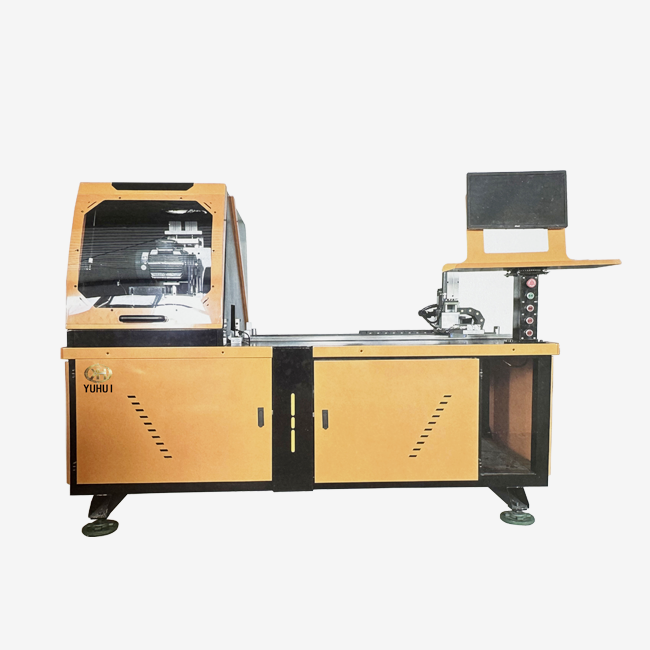
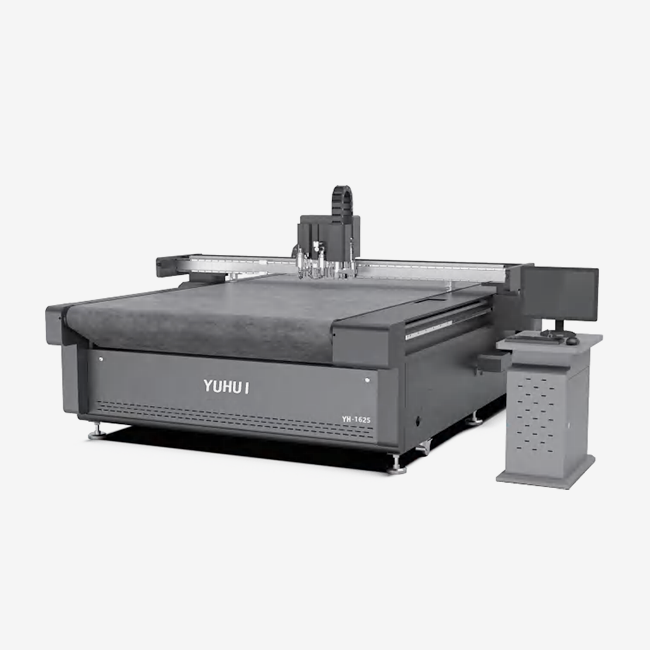
When operating advanced CO2 laser cutting equipment, understanding which materials to avoid can save your business from costly equipment damage, safety hazards, and production downtime. The G Model CO2 Laser Engraving & Cutting Machine by Yuhui Laser, engineered with precision optics and a reinforced gantry structure, delivers exceptional performance when paired with compatible materials. However, certain substances produce toxic fumes, corrode optical components, or create fire risks that compromise both operator safety and machine longevity. Knowing these limitations protects your investment while ensuring workplace compliance with safety standards.
Understanding Material Compatibility in CO2 Laser Cutting
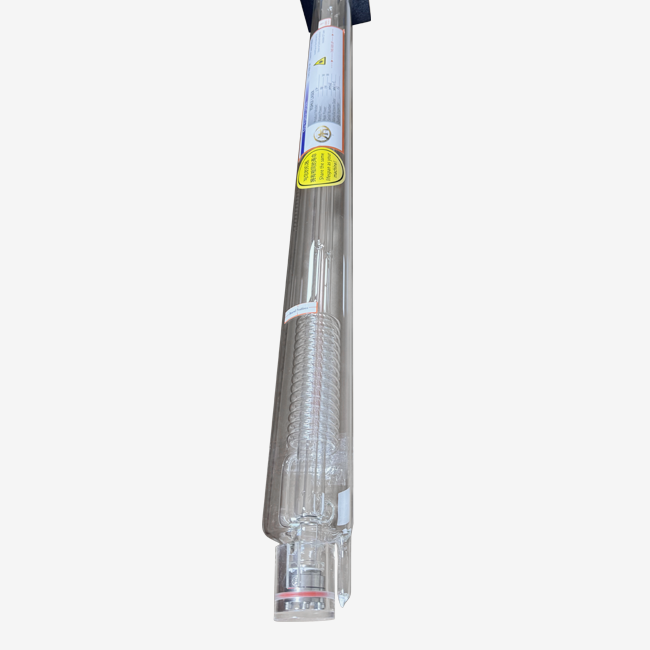
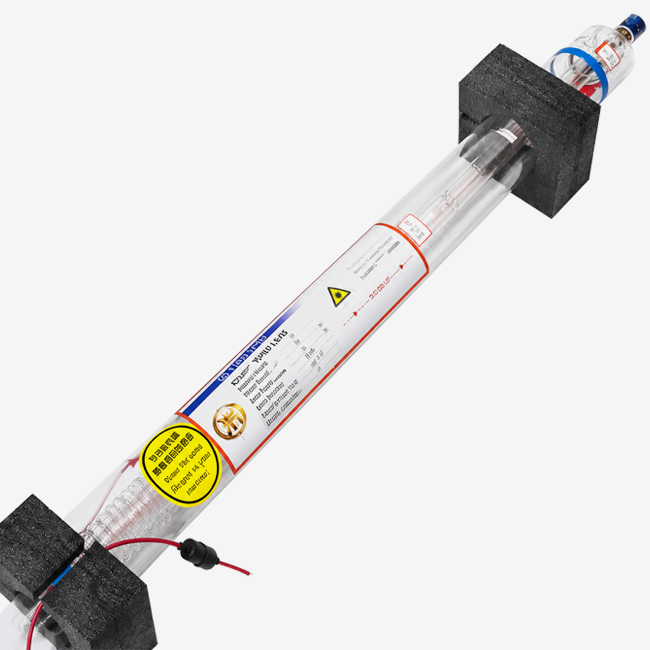
How well your laser cutting job goes depends on how well the materials you use work together. CO₂ lasers work at a wavelength of 10.6 μm, which is easily absorbed by both metals and non-metals. Natural fabrics, leather, plastic, wood, and glass all work really well with lasers because they turn the energy into clean cuts with no waste. With its Yongli/Reci laser tubes and THF4 military-grade lenses, the Yuhui Laser system keeps its output stable across these allowed materials.
Why Material Selection Matters?
Three important parts of your business will be affected by the wrong choice of material. When acidic gases or too much dust damage mirrors and lenses, the equipment doesn't last as long. When toxic fumes build up in your workspace, they make it less safe to do work. When materials reflect laser energy or make edges that aren't consistent, the process is less efficient. These risks are kept to a minimum by our machine's advanced cooling system and digital offline control, but choosing the right material is still your first line of defense.
Absorption Properties and Cutting Quality
When the 10.6μm frequency hits a material, it makes clean, accurate cuts with little thermal stress. Acrylic has sides that are flame-polished in a single pass, and high-density plywood cuts without burning because the power transfer is better. With a repositioning accuracy of ≤±0.01mm, the machine makes sure that the results are the same on all acceptable materials. If you put something outside of this range, it will either reflect energy back into the optical system or break down into harmful compounds that build up inside your equipment.

Chemical Reaction Considerations
When lasers cut through materials, the intense heat sets off chemical reactions. Wood and other safe materials give off carbon dioxide and water vapor, which can be controlled with enough air flow. When dangerous materials are chlorinated, heavy metal vapors are released, or chemicals that cause cancer are made. Our equipment's exhaust system works well with normal byproducts, but it can't get rid of dangerous chemicals from materials that don't work well together. Knowing about these reactions can help you set clear material rules for your building.
Materials You Should Never Use in a CO₂ Laser Cutter
To keep your laser cutting tools safe, you need to know what materials are immediately dangerous. Based on how dangerous they are, these substances can be put into a number of groups.
PVC and Vinyl Materials
The most dangerous thing to cut with a CO₂ laser is polyvinyl chloride. When heated, PVC gives off chlorine gas and hydrochloric acid, which are both very dangerous for workers and bad for precision parts. The ZnSe focal lenses and molybdenum reflection mirrors that keep the beam quality high in our system get worn down by even short exposures. The acid vapor hurts the machine's electrical settings and structural parts all over. Many makers won't honor warranties if PVC damage is found, so this material can't be used at all in industrial laser applications.
The risks are the same for vinyl products that contain PVC. PVC chemistry is often used in banners, sign platforms, and artistic films. Visual inspection alone can't tell the difference between safe plastics and substances that contain chlorine, so always check the makeup of a material before processing it.
Polycarbonate and ABS Plastics
Polycarbonate doesn't receive laser energy very well in the G Model CO₂ Laser Engraving & Cutting Machine, so the edges melt instead of being cut cleanly. Thick smoke is made by the material, and it sticks to optical parts, making beam transfer and cutting quality worse. ABS plastic causes the same issues because it gives off styrene vapors, which are likely carcinogens and need special air systems in addition to normal exhaust systems.
While these engineering plastics work well in other ways of making things, they don't work with CO₂ laser technology. If a client wants to work with similar thermoplastics, they should look into other cutting methods or switch to acrylic, which can be machined cleanly at up to 600mm/s on our equipment.
Reflective Metals and Coated Materials
Standard CO2 lasers can't cut through bare metal because the wavelengths of 10.6μm are too reflective. Metals like aluminum, copper, brass, and stainless steel can damage the laser tube and focusing assembly by reflecting energy back through the optical path. The machine can cut metals with certain coats, but if you try to work with metals that aren't covered, the machine could break down completely.
Because shorter frequencies can better enter metal surfaces, fiber laser technology is better for processing metal. As you go through the buying process, our technical team can help you choose the right tools for your needs.
Materials with Unknown Composition
Composites, treated woods, and recovered plastics often have dangers that are hard to see. When vaporized, pressure-treated wood gives off arsenic and chromium compounds. Laminated materials have safe layers on the bottom and dangerous layers of glue on top. Foam core boards may have PVC parts that can't be seen at first glance.
Testing new materials away from the main work area helps find problems before they hurt the tools. The motorized ball screw table on the machine lets you try samples at lower power levels so you can see the color of the fumes, how much dust forms, and how the cutting works before you commit to full production runs.
Preventive Measures and Best Practices Using the G Model CO2 Laser Cutter
Using systematic safety practices protects your workers and extends the life of your tools. These steps add to the safety features built into the machine.
Material Testing Procedures
Do a small-scale test in a well-ventilated area before working with any new material. Set the laser's power to 60 to 70% of what it's supposed to be and cut out a simple shape. Pay attention to the color of the fumes. If they are white or light gray, the process is safe, but if they are yellow, green, or brown, the chemicals are dangerous. Check the cutting board for too much dust and strange smells that could mean toxic breakdown. Our red-light positioning system makes it possible to precisely place test cuts on the sides of materials, which cuts down on waste during assessment.
Optical System Maintenance
The high-precision optical parts in this equipment need to be checked often to keep the beam quality high. Isopropyl alcohol and lint-free optical wipes should be used once a week to clean the ZnSe focusing lens. Every day, check the molybdenum mirrors for dust or residue buildup. During manufacturing, a 48-hour aging test is done to make sure that the machine will work reliably at first. Regular servicing will keep these standards up throughout the machine's working life.
Thermal stress fractures happen when optics that are dirty absorb laser energy. Cleaning them properly stops these fractures from happening. Every 500 hours of use, you should schedule major maintenance, which should include checking the alignment using the four-point beam test protocol that our technicians use during factory calibration.
Ventilation and Fume Extraction
Even safe materials give off smoke that needs to be cleared from the area where the cutting is happening. Place exhaust ports near the area where the material is being processed in the G Model Co2 Laser Engraving & Cutting Machine to catch fumes before they get to the areas where workers are breathing. The 1300mm × 900mm work area gets enough oxygen because the machine works with industrial filtration systems. Check the condition of the filter once a month and replace the activated carbon elements as directed by the manufacturer to keep the extraction working well.
Power Optimization Techniques
Running at too high of a power level wastes energy and speeds up the wear and tear on parts. The feature that automatically changes the focal length helps get the most power to different thicknesses of material. For materials less than 3 mm, 60–80W of power is usually enough. For 6 mm plexiglass, 100–130W is best. The DSP control system syncs the power output with the cutting speed. This keeps the machine from overheating at corner changes and keeps the edge quality uniform across complicated designs.
Comparing CO₂ Laser Engraving with Other Technologies
Matching the technology's capabilities to your output needs is key to choosing the right tools. Based on how well they work with different materials and how they can be processed, CO2 and fiber lasers serve different types of customers.
CO2 Versus Fiber Laser Systems
CO2 lasers are great for working with glass, plastics, organic materials, and covered surfaces. The frequency of 10.6 μm works very well to absorb light in these materials, making clean cuts with little damage to the surrounding areas from the heat. Fiber lasers have widths of 1.06μm, which are better for working with bare metal and allow them to cut steel, aluminum, and copper more quickly.
Our CO2 device can engrave wood and plexiglass at speeds of up to 1200mm/s, which is a lot faster than fiber technology on these materials. The flame-polished edge quality of plexiglass is a big plus because it means you don't have to do any extra finishing. Instead of seeing these technologies as competing solutions, clients who are processing mixed material portfolios would be better off understanding how they work together.
Precision and Edge Quality Considerations
With a repositioning accuracy of ≤±0.01mm, the machine can work on very small details, like English letters as little as 1mm and Chinese forms as little as 1.5mm. This accuracy comes from the heavy-duty frame that was made by heat-treating square tube welding. This keeps the frame from shaking when it moves quickly. Other technologies may be about the same speed, but they often give up edge quality or positional accuracy.
The quality of the edge finish depends on both the equipment and the properties of the material. Cutting acrylic with CO2 systems makes edges that are clear and shiny, so they can be used for displays without any extra work. When the parameters match the density of the material, cuts in wood don't burn as much. These benefits in quality directly lead to lower labor costs and faster turn-around times in production settings.
Maintenance Requirements and Operating Costs
Based on how many hours they are used, CO2 laser tubes need to be replaced every so often. With proper care, they should last between 8,000 and 10,000 hours. Our equipment uses Yongli/Reci tubes, which have been shown to be reliable and have stable output properties that make repair intervals longer. Although fiber lasers have longer source lives, they are much more expensive to buy at first.
In addition to the price of buying the G Model CO2 Laser Engraving & Cutting Machine, the total cost of ownership includes things like repairs, utilities, and supplies. The machine's water cooling system keeps it running at the right temperature while using less than 1500W of power. Strategic inventory management at our Shandong plant makes sure that new parts are shipped within the standard 14-day wait time. This keeps production running as smoothly as possible during regular repair cycles.
Safe Procurement and Usage Tips for B2B Clients
When buying industrial tools, it's important to carefully evaluate the suppliers to make sure the business will be successful in the long run. Before deciding to use laser cutting technology, procurement teams should think about a number of important factors.
Supplier Verification and Certification
Buying from authorized sellers like Yuhui Laser makes sure that the parts you buy are real and that the certifications are true. Our CE and ISO certifications show that we meet international standards for quality and safety, which is necessary to do business in regulated markets. The long warranty period of 450 days is longer than the norm in the industry and shows confidence in the quality of the manufacturing and the dependability of the parts.
Request proof that the certification is valid and ask about the specific testing methods used for quality control. Our diagonal squareness checks and four-point beam alignment checks make sure that the geometry is correct in a way that cheaper options can't. These standards for manufacturing have a direct effect on the consistency of production and the long-term dependability of equipment.
Training and Technical Support
The ability of the equipment means nothing if the person operating it isn't skilled. Comprehensive training programs teach how to choose the right materials, optimize parameters, do regular maintenance, and fix problems. Our expert team helps with installation and gives training on how to use the equipment. This speeds up the start of production and stops common mistakes that operators make that damage equipment or put people in danger.
How quickly you fix problems that come up out of the blue depends on how much ongoing support is available. Quick access to technical support cuts down on downtime when questions come up during production. Having access to experienced engineers who know how to set up your equipment is very helpful when you're trying to find the best way to do things for new materials or uses.
Customization and Integration Options
Standard equipment setups work well for many tasks, but customization is often needed in specialized production settings. Our OEM and ODM services can make structural changes, functional improvements, and software adaptations that make equipment work better with your workflow. The motorized ball screw table can raise up to 260 mm, but this range can be extended for specific uses by making changes to the setup.
When adding laser cutting to bigger production systems, automation engineers value the ability to make changes as needed the most. The machine can read and write PLT, DST, DXF, DWG, and AI files, which makes it easier to connect to existing CAD/CAM systems. Direct output from AutoCAD and CorelDraw gets rid of the need to convert files, which can cause mistakes and slow down production.
Logistics and Delivery Considerations
Buying equipment internationally involves complicated logistics that need partners with a lot of experience. Our long-term partnerships with professional goods companies guarantee safe delivery to places around the world. The 14-day production lead time is supported by strategic inventory management, which lets standard configurations be filled quickly and custom orders be filled within reasonable timeframes.
When sending precision equipment across international borders, good packaging keeps it safe. Our workshop uses safety measures that are made to protect optical parts and precise mechanical systems. The delivery paperwork includes thorough review steps that make sure the equipment is in good shape when it arrives, making sure that everyone in the supply chain is responsible.
Conclusion
In conclusion, when using G-Model Co2 Laser Engraving & Cutting Machines, the choice of material has a huge effect on both safety and performance. Staying away from dangerous materials like PVC, polycarbonate, shiny metals, and unknown blends will protect your investment and keep your workplace safe. With its precise engineering and high-quality parts, the G Model Co2 Laser Engraving & Cutting Machine does a great job on wood, plastic, leather, and fabrics, among other materials. Using the right testing methods, maintenance schedules, and operational procedures will make equipment last longer and increase production efficiency. Business-to-business procurement teams can achieve long-term operational success by working with certified manufacturers who offer full support, the ability to customize products, and a reliable logistics infrastructure.
FAQ
Can I cut PVC materials on a CO₂ laser cutter?
Do not use a CO2 laser to try to cut PVC or plastic products. When heated, these materials give off chlorine gas and hydrochloric acid, which are immediately harmful to workers' health and damage expensive optical parts. ZnSe lenses, mirrors, and electrical switches all over the system are damaged by the chemicals. Most manufacturers will not honor equipment warranties if PVC damage is found, so this rule applies to everyone in the industry.
What thickness of wood can the G Model process effectively?
Depending on the stiffness and moisture level of the wood, the machine can cut up to 10 mm of width in a single pass. Dense hardwoods, like oak, process more slowly than softwoods, like pine. The automatic focal length change keeps the quality of the edges even across the full 260mm vertical range while optimizing the cutting settings for different thicknesses. For thicker materials, you have to make more passes at slower speeds to get all the way through without too much charring.
How often should optical components be cleaned?
In production areas, check focusing lenses and mirrors every day and clean them when visible dirt or dust appears. Cleaning once a week with isopropyl alcohol and optical tissues keeps the beam transmission at its best. Every 500 hours of operation, you should plan for full repair, which should include checking the alignment and doing a mechanical checkup. When processing materials that leave little residue, cleaning times are longer. On the other hand, heavy smoke-producing uses need to be cleaned more often to keep performance from dropping.
Ready to Enhance Your Production with Safe, Reliable CO2 Laser Cutting?
The G Model CO2 Laser Engraving & Cutting Machine from Yuhui Laser is the best choice for makers and dealers who want to use lasers but don't want to spend a lot of money on them. As an established CO2 laser cutting machine manufacturer, we offer CE and ISO-certified machines with Yongli/Reci laser tubes, THF4 military-grade optics, and heavy-duty construction that guarantees stable performance over years of demanding production. Our 14-day production lead time, factory-direct pricing, and 450-day warranty give you and your procurement team the competitive advantages they want. Our engineering team is ready to help you succeed, whether you need standard configurations or solutions that are made just for your needs. Get in touch with jianghui@yuhui-laser-tech.com right away to talk about your material processing needs and find out how our tried-and-true technology can help you improve your production processes while protecting your investment through top-notch quality and dedicated technical support.
References
1. Bass, M. (2017). Laser Materials Processing: Industrial Applications and Safety Standards. New York: Academic Press.
2. International Labour Organization. (2019). Chemical Safety in Industrial Laser Operations: Hazard Assessment and Control Measures. Geneva: ILO Publications.
3. Steen, W. M., & Mazumder, J. (2020). Laser Material Processing: Fifth Edition. London: Springer-Verlag.
4. American National Standards Institute. (2018). ANSI Z136.1: Safe Use of Lasers in Industrial Manufacturing Environments. Washington: ANSI Standards Committee.
5. Powell, J. (2021). CO2 Laser Cutting: Technology, Applications, and Material Compatibility. Cambridge: Woodhead Publishing.
6. European Committee for Standardization. (2020). EN 60825: Safety of Laser Products in Industrial Applications. Brussels: CEN Technical Standards.
Contact us directly for customized solutions, quotations and long-term strategic cooperation.