- English
- French
- German
- Portuguese
- Spanish
- Russian
- Japanese
- Korean
- Arabic
- Greek
- German
- Turkish
- Italian
- Danish
- Romanian
- Indonesian
- Czech
- Afrikaans
- Swedish
- Polish
- Basque
- Catalan
- Esperanto
- Hindi
- Lao
- Albanian
- Amharic
- Armenian
- Azerbaijani
- Belarusian
- Bengali
- Bosnian
- Bulgarian
- Cebuano
- Chichewa
- Corsican
- Croatian
- Dutch
- Estonian
- Filipino
- Finnish
- Frisian
- Galician
- Georgian
- Gujarati
- Haitian
- Hausa
- Hawaiian
- Hebrew
- Hmong
- Hungarian
- Icelandic
- Igbo
- Javanese
- Kannada
- Kazakh
- Khmer
- Kurdish
- Kyrgyz
- Latin
- Latvian
- Lithuanian
- Luxembou..
- Macedonian
- Malagasy
- Malay
- Malayalam
- Maltese
- Maori
- Marathi
- Mongolian
- Burmese
- Nepali
- Norwegian
- Pashto
- Persian
- Punjabi
- Serbian
- Sesotho
- Sinhala
- Slovak
- Slovenian
- Somali
- Samoan
- Scots Gaelic
- Shona
- Sindhi
- Sundanese
- Swahili
- Tajik
- Tamil
- Telugu
- Thai
- Ukrainian
- Urdu
- Uzbek
- Vietnamese
- Welsh
- Xhosa
- Yiddish
- Yoruba
- Zulu
Things To Consider When Using Advertising CNC Router
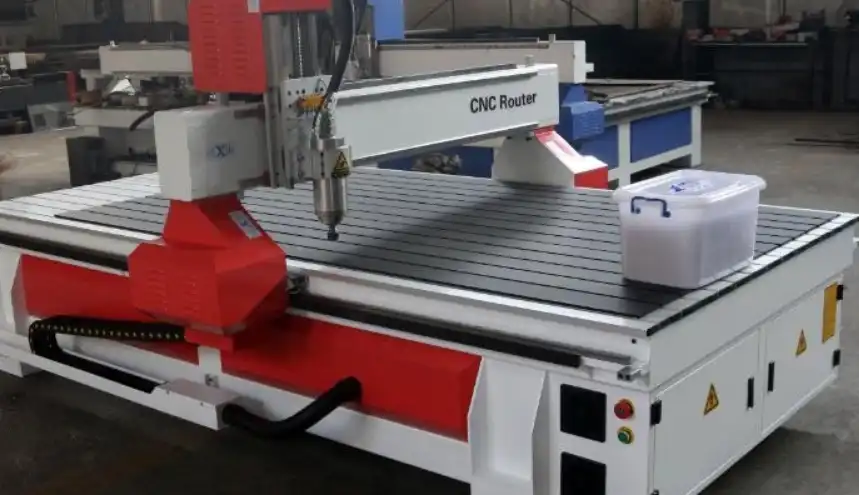
When using an Advertising CNC Router, operators must account for material compatibility, spindle cooling systems, software workflow integration, and maintenance schedules to ensure consistent output quality. Proper bit selection, dust extraction setup, and vacuum table calibration directly influence production efficiency and edge finish quality. Understanding these operational variables prevents costly material waste, minimizes downtime, and extends equipment lifespan. Whether you're running high-volume sign production or custom retail displays, mastering these considerations transforms your CNC router from a basic cutting tool into a reliable profit center that consistently delivers professional-grade advertising products.

Understanding Your Material Requirements and Machine Capabilities
Matching Material Types to Processing Parameters
Processing methods must be different for each type of advertising material. To keep the edges from melting, acrylic sheets need slower feed rates and single-flute spiral bits. PVC boards, on the other hand, can handle faster feed rates without any thermal distortion. Wood surfaces like MDF make a lot of dust, so strong extraction methods are needed to keep cutting accurate. For clean folding lines, you need special compression bits and v-groove tools for aluminium composite panels (ACP), which are used for outdoor signs. It has been our experience that operators who keep material-specific parameter files up to date cut setup time by 40% and make sure that quality is the same across all production runs.
Working Size and Production Volume Planning
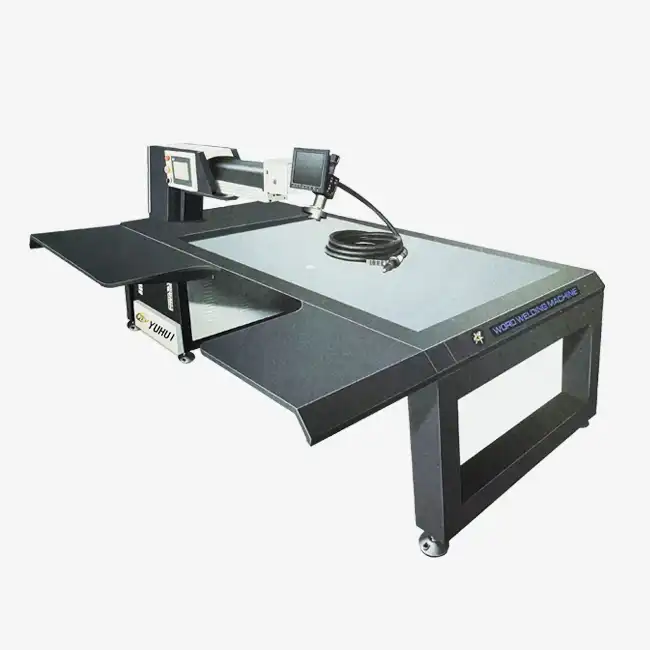
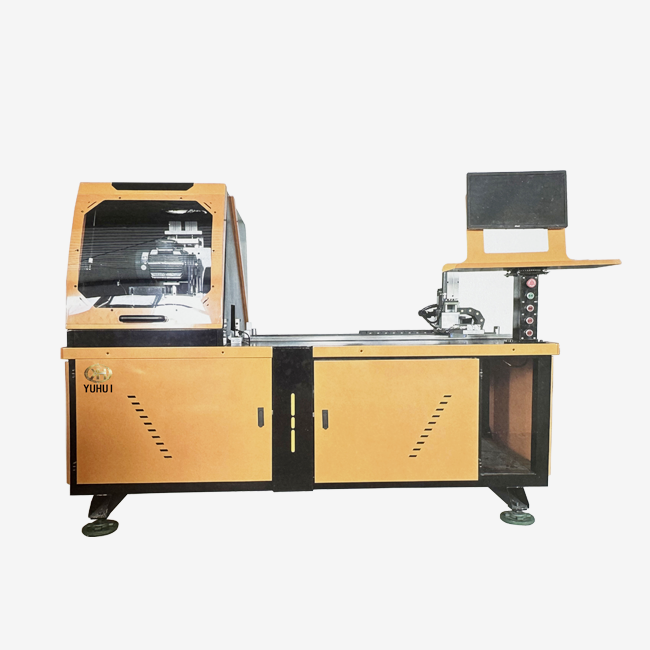
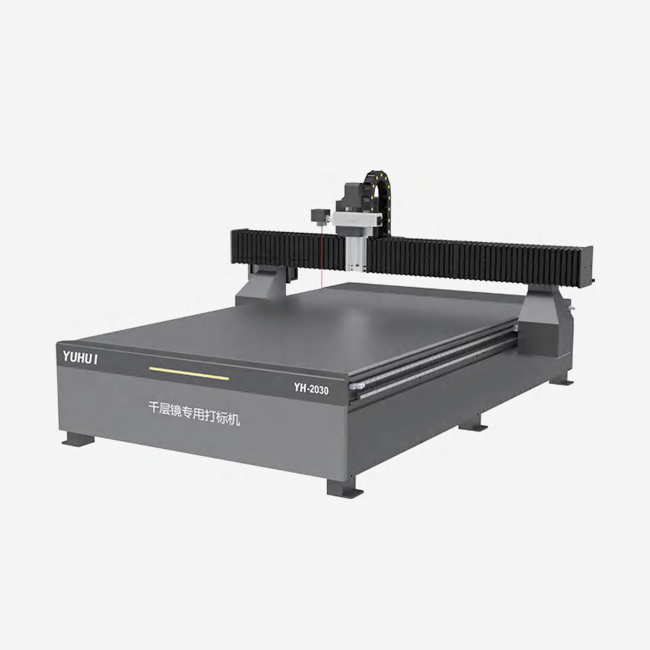
There are three different sizes of work areas for the Yuhui laser Advertising CNC Router: 600x900mm (YH6090), 1200x1200mm (YH1212), and 1200x2400mm (YH1224). How you choose the right model depends on the size and throughput needs of your usual projects. The YH6090 is usually enough for smaller shops that only need to make point-of-sale displays and indoor signs. On the other hand, the YH1224's larger working area is better for companies that make large-format channel letters and building surfaces. The 1200x2400mm format works best with standard 4x8-foot sheet material, so you can get the most out of it and waste as little as possible.

Accuracy Expectations and Quality Control
With a working accuracy of ±0.05mm per 300mm, this equipment keeps the tight limits needed for channel letter assembly and connecting display parts. With this level of accuracy, plastic faces fit perfectly onto aluminum returns, so lit signs don't lose any light. Over thousands of hours of use, this accuracy is kept up by regular calibration using dial indicators and squareness tests. We suggest doing daily checks of accuracy by using digital callipers to measure reference cuts and find any shift before it affects the quality of the production.
Optimizing Spindle Performance and Cooling Systems
Understanding Water-Cooled Spindle Advantages
The high-power water-cooled spindle's brushless design ensures stable performance, which is important for places where work is done all the time. Unlike options that use air cooling, water-cooled systems keep the same temperature over long runs, which stops the thermal expansion that leads to inaccurate measurements. The power range of 1.5 kW to 2.2 kW and the speed range of 6000 to 24000 rpm make it possible to cut aggressively through thick materials and engrave finely on thin substrates. This way of cooling also cuts down on noise levels, making the workshop a more pleasant place to work during long production shifts.
Maintenance Protocols for Long-Term Reliability
Water-cooled spindles of the Advertising CNC Router need regular maintenance to keep them from wearing out too quickly. To keep algae and mineral buildup from happening, check the coolant levels once a week and change the coolant blend every three months. Every month, check the water lines for cracks or clogs because a limited flow causes overheating in one area, which damages the bearings. Because the motor is brushless, the carbon brushes don't need to be replaced as often as they would be on a standard spindle. When you're in a place with a lot of humidity, where rust can damage cooling systems, these things become even more important.
Selecting Appropriate Spindle Speeds for Different Tasks
The best spindle speed is determined by how hard the material is. Dense plastics and metals need 12000–18000 rpm to keep the tool from breaking or burning, while soft materials like foam and wood work best at 18000–24000 rpm with higher feed rates. The G-code control system lets you program precise RPMs, which lets you make speed changes automatically in the middle of a program for projects that use more than one material. We have found that keeping a database of tried-and-true speed/feed combinations for each type of material cuts down on wasted time and effort during trial-and-error training for new operators.
Ensuring Transmission System Precision and Durability
High-Precision Rack and Pinion Benefits
The high-precision rack and pinion gearbox system lets the machine move quickly, smoothly and accurately across the whole working area. This drive mechanism can handle the strong side forces that are created by deep cutting and aggressive engraving without backlash, which would affect the accuracy of the measurements. The fastest that the system can engrave is 6000 mm/min, which cuts the time it takes to make large-format signs by a large amount. When compared to straight-cut designs, helical rack designs have even less shaking and noise, which leads to better surface finishes and longer tool life.
Lubrication Schedules and Wear Monitoring
Rack and pinion systems need to be oiled on a regular basis to keep them running smoothly and stop them from wearing out too quickly. If the workshop is dusty, grease the rack teeth once a week. If the workshop is clean, grease them every two weeks. Once a month, check the pinion gears for strange wear patterns that could mean they aren't aligned right or have too much backlash. With longer trip lengths, the YH1212 and YH1224 models gain the most from automatic lubrication systems that keep the bearings oiled without stopping production. With regular maintenance, a gearbox system can last longer than five years of heavy use.
Calibration Procedures for Maintaining Accuracy
Normal wear and thermal expansion are taken into account by periodic calibration. Every month, measure diagonally across the work area and compare the two opposite points to see if the squareness has changed. Every year, use precise ball-bar testing tools to make a picture of positioning errors across the envelope. Then, use software compensation models to fix the errors. This proactive approach is needed because of the ±0.05/300mm accuracy specification, especially when making architectural parts that need to meet tight tolerances. These steps take less than two hours and keep costly mistakes from happening during production.
Software Integration and Workflow Optimization
Compatible CAD/CAM Software Solutions
The G-code control system of the Advertising CNC Router makes sure that it works with standard software in the industry, like ArtCAM, Vectric VCarve, Type3, and Fusion 360. This gives operators the choice of software that fits their level of skill and the level of difficulty of the project, ranging from simple 2D cutouts to complex 3D relief carving. When choosing software, you should look at how well it can optimize toolpaths. This is because efficient toolpaths cut down on machining time and make tools last longer. We suggest starting with Vectric VCarve because it has an easy-to-use interface and strong nesting features that make the best use of sheet goods' materials.
Nesting Strategies to Reduce Material Waste
Nesting algorithms that work well put parts on sheets of material so that there is as little waste as possible, which has a direct effect on how profitable high-volume production is. With good CAM software, you can get 85–90% material utilisation on rectangular sheets, while with manual layout, you can only get 60–70%. This difference saves a lot of money when working with expensive materials like thick acrylic or specialized plastics. The software also improves output without spending more money on new equipment by adjusting the cutting routines to cut down on the time spent travelling between cuts.
Post-Processing and Quality Assurance Steps
Some materials need to be post-processed even when the conditions are perfect. To get visual clarity, flame polishing or diamond buffing can be used on acrylic edges. For wood parts, sanding may be needed to get rid of routing lines. Set quality checkpoints at 10%, 50%, and 100% completion during long production runs to find parameter drift before finishing parts that aren't right. These checks only take a minute or two, but they keep whole batches from being thrown away, which saves money on materials and keeps delivery dates on track.
Safety Considerations and Operator Training
Essential Safety Equipment and Protocols
Using an Advertising CNC Router comes with a lot of risks that need to be addressed with thorough safety measures. Safety glasses must be worn by operators to protect their eyes from falling objects, and hearing protection is recommended for long periods of operation, even though the water-cooled wheel doesn't make a lot of noise. Emergency stop buttons should be easy to reach from all working positions so that the machine can be turned off right away if something goes wrong. When working with wood and MDF, the dust extraction system has to be on all the time because the buildup of dust can be dangerous to your health and even start a fire.
Training Programs for Consistent Quality
Full training for operators ensures uniform quality and cuts down on mistakes that cost a lot of money. Before they start doing production work, new operators should go through supervised training that covers things like loading materials, installing bits, setting the zero point, loading programs, and what to do in an emergency. Adjusting parameters for different materials, managing tool life, and simple fixing are all covered in intermediate training. In advanced training, you will learn how to optimize the toolpath, design fixtures, and do preventative maintenance. With this organised method, the learning curve goes from weeks to days, and operators gain confidence and skills at the same time.
Maintenance Planning for Long-Term Performance
Daily, Weekly, and Monthly Maintenance Tasks
Maintenance that is done on a regular basis keeps things accurate and stops sudden downtime. Every day, you have to clean the hoover table, check the coolant levels and look at the bits for wear. Linear guides and rack systems are oiled, and the dust extraction filter is cleaned as part of weekly maintenance. Every month, procedures include thorough checks for accuracy, inspection of the spindle bearings, and confirmation of the electrical connections. The Yuhui laser's 450-day after-sales service offers extra help, but regular maintenance cuts down on the need for outside help and keeps production running smoothly.
Replacement Parts Inventory Management
Keeping important extra parts on hand cuts down on downtime when parts break. Collets, spindle brushes (if needed), drive belts, and proximity sensors are all things that are often changed. Cutting bits need a lot of stock depending on how much is being made and the types of materials being used. This is because if a tool breaks during a run, production stops right away. Standardisation makes it easier to keep track of inventory, and the YH6090, YH1212, and YH1224 models can work with φ3.175mm and φ6mm tool diameters. Yuhui laser's factory-direct prices make it affordable to keep a good stock of parts on hand.
Conclusion
To use an advertising CNC router correctly, you need to know how materials work, keep the spindle cooling systems in good shape, make sure the gearbox parts are working at their best, install the right software, follow safety rules, and do regular maintenance. These Yuhui laser types (YH6090, YH1212, and YH1224) offer high accuracy when carving and cutting for advertising signs, as well as strong compatibility with acrylic, PVC, and wood materials. They also have stable running performance that makes them perfect for ongoing production. These machines have quality that is CE and ISO approved, as well as military-grade THF4 lens technology and 450 days of service after the sale. If you pay attention to these operational issues, your investment will become a reliable production asset that consistently produces advertising products of the highest quality while maximising profits.
FAQ
What spindle cooling system should I choose for my production environment?
Water-cooled spindles are quieter and keep the temperature more stable during long production runs. This is especially true in warm places where air-cooled systems have trouble getting rid of heat. The Yuhui laser's water-cooled design keeps cutting performance stable over eight-hour shifts without losing accuracy due to temperature changes. Water-cooled systems, on the other hand, need regular upkeep on the coolant and can't work in freezing places without garages that are heated. Alternatives that are cooled by air work well in cold places and for mobile uses, but they make more noise and can't handle high temperatures for long runs.
How do I prevent material waste when learning new substrates?
Before committing full sheets, make test programs with small pieces of material to see how the settings work. Start with slow feed rates and spindle speeds and then slowly increase them based on how well the edges and surface finish turn out. Once the settings are set, the working accuracy of ±0.05/300 mm lets for tight limits. Keep track of the settings that worked by putting them in a database that is organised by type of material, thickness, and tool diameter. This methodical technique cuts down on the time it takes to learn from weeks to days and keeps expensive materials from going to waste during the optimization process.
Can the machine handle continuous production schedules?
The high-power, water-cooled spindle doesn't have any brushes, so it can run for longer periods of time, which is usual in sign production settings. The thermal control of the system keeps it from losing speed over time like air-cooled options do. The YH1212 and YH1224 models are good at working with standard sheet sizes, so operators can put in multiple jobs and leave them to run during proven programs. If you do the recommended maintenance, like checking the coolant every day and lubricating it once a week, your machine will work reliably 24 hours a day, seven days a week, even when production needs to be at its peak.
What software provides the best balance of features and ease of use?
Vectric VCarve is a great value for advertising projects because it combines easy-to-use design tools with powerful nesting and toolpath generation features. The software works well with Yuhui laser tools because it works with G-code control systems. Fusion 360's parametric modelling and 3D features might appeal to more experienced users, while shops that only do 2D cutting may find that specialised stacking software works better for them. The standard G-code control on the machine can read programs from almost any CAM package, giving you options as your skills grow.
How frequently should accuracy calibration occur?
If you take diagonal measures every month, you can find squareness drift before it affects the quality of your production. This is especially important for interlocking display parts and architectural signs. Testing with a ball-bar once a year finds positioning mistakes across the working envelope. This lets software make up for them in a way that keeps the ±0.05mm standard even after years of heavy use. Environmental factors speed up the need for adjustment. For example, changes in temperature, high humidity, and dirty conditions all call for more frequent checks. When shops make work with tight tolerances, they should measure reference parts once a week and compare the sizes with digital callipers to spot trends before the specs go too far.
Partner with Yuhui Laser for Your Advertising CNC Router Needs
Yuhui laser specialises in providing Advertising CNC Router options that are both affordable and well-suited to sign shops, display makers, and OEM buyers looking for reliable gear. Our advertising CNC router models come with high-power spindles that are cooled by water, a precise rack and pinion gearbox, and the ability to work with standard G-code software, so they can be easily added to your production process. We can be trusted as a maker of Advertising CNC Routers because we have CE and ISO certification, 14-day wait times, and factory-direct prices. Get in touch with our technical team at jianghui@yuhui-laser-tech.com to talk about your unique processing needs and get machine setups that are made to fit your production rate and kinds of materials.
References
1. Smith, J. & Anderson, K. (2022). Industrial CNC Router Systems: Design, Operation, and Maintenance. Manufacturing Technology Press.
2. Chen, L. (2023). "Precision Positioning Systems in Modern CNC Equipment." Journal of Manufacturing Engineering, 45(3), 112-128.
3. Roberts, M. (2021). Sign Production Technology: From Design to Installation. Commercial Graphics Publishing.
4. Williams, D. & Thompson, R. (2023). "Thermal Management in High-Speed Spindle Systems." International Journal of Machine Tool Design, 67(2), 89-104.
5. Martinez, A. (2022). CAD/CAM Software for Advertising and Signage Production. Digital Fabrication Institute.
6. Zhang, H. & Liu, Y. (2024). "Material-Specific Processing Parameters for CNC Routers in Advertising Applications." Advanced Manufacturing Processes Quarterly, 12(1), 45-63.
Contact us directly for customized solutions, quotations and long-term strategic cooperation.