- English
- French
- German
- Portuguese
- Spanish
- Russian
- Japanese
- Korean
- Arabic
- Greek
- German
- Turkish
- Italian
- Danish
- Romanian
- Indonesian
- Czech
- Afrikaans
- Swedish
- Polish
- Basque
- Catalan
- Esperanto
- Hindi
- Lao
- Albanian
- Amharic
- Armenian
- Azerbaijani
- Belarusian
- Bengali
- Bosnian
- Bulgarian
- Cebuano
- Chichewa
- Corsican
- Croatian
- Dutch
- Estonian
- Filipino
- Finnish
- Frisian
- Galician
- Georgian
- Gujarati
- Haitian
- Hausa
- Hawaiian
- Hebrew
- Hmong
- Hungarian
- Icelandic
- Igbo
- Javanese
- Kannada
- Kazakh
- Khmer
- Kurdish
- Kyrgyz
- Latin
- Latvian
- Lithuanian
- Luxembou..
- Macedonian
- Malagasy
- Malay
- Malayalam
- Maltese
- Maori
- Marathi
- Mongolian
- Burmese
- Nepali
- Norwegian
- Pashto
- Persian
- Punjabi
- Serbian
- Sesotho
- Sinhala
- Slovak
- Slovenian
- Somali
- Samoan
- Scots Gaelic
- Shona
- Sindhi
- Sundanese
- Swahili
- Tajik
- Tamil
- Telugu
- Thai
- Ukrainian
- Urdu
- Uzbek
- Vietnamese
- Welsh
- Xhosa
- Yiddish
- Yoruba
- Zulu
H-Model Fiber Laser Cutting Machine for Metal: What You Need to Know
It is very important to know what an H model plate fiber laser cutting machine can do and why it is better than other cutting-edge metal working technology. With its H-shaped structural bridge, this equipment is a high-tech solution that provides exceptional mechanical stability and accuracy during high-speed operations. Unlike typical cantilever or lightweight models, this one solves important problems in the industry, like thermal deformation when working with thick plates and keeping measurements accurate while meeting tight production deadlines. This machine is a solid base for makers looking for reliable and efficient metal cutting technology. It helps them achieve uniform quality and operational excellence.
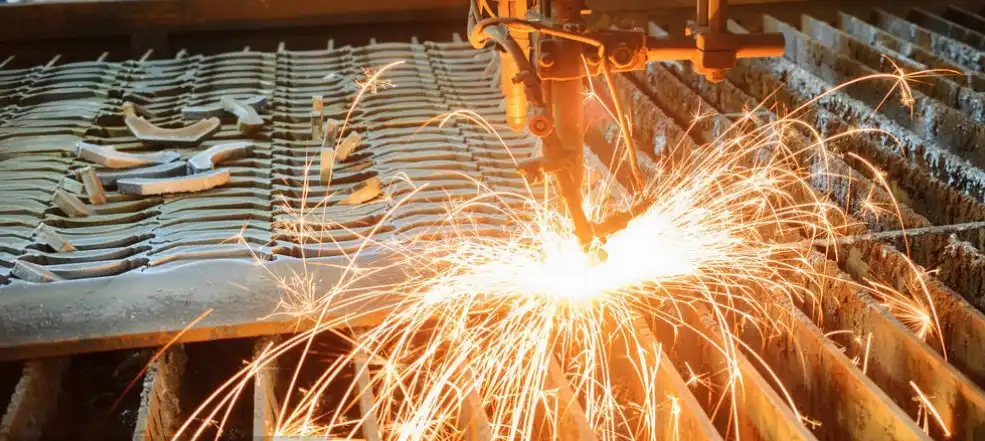
How the H-Model Fiber Laser Cutting Machine Works
Advanced photonics and precise mechanical engineering work together to make fiber laser cutting technology work. The system's main part is fiber optic wires that focus a very strong laser beam onto the metal surface. This beam hits the metal surface very precisely. The H-shaped frame design supports the cutting bed evenly, reducing vibrations and making sure the beam focus is the same across the whole work area.
CNC Integration and Automation
Modern H model plate fiber laser cutting machine systems have high-tech CNC controllers that turn digital designs into precise paths for cutting. This automation lets manufacturers work with complicated shapes without having to do it by hand, which cuts down on mistakes and speeds up production cycles. The control system constantly changes the cutting settings based on the type of material, its thickness, and the edge quality that is wanted. This makes the machine work better in a wide range of situations.
Beam Delivery and Focus Control
The laser source has a wavelength of 1070nm±10nm, which is a wavelength that metals can easily absorb. Water cooling devices keep the machine at the best temperature, which keeps the quality of the beam constant during long production runs. The focusing lens focuses the energy into a very small kerf width. This makes it possible to get very fine details while wasting as little material as possible. This accuracy is especially useful when working with expensive materials, since each millimeter of raw stock has a big effect on the cost.
The heavy-duty bed construction and lightweight crossbeam design work well together to make a perfect balance. The sturdy base can handle operating pressures and keeps its calibration even after years of use. The flexible beam carriage can move at speeds of up to 70m/min, which greatly cuts cycle times when compared to traditional cutting methods.
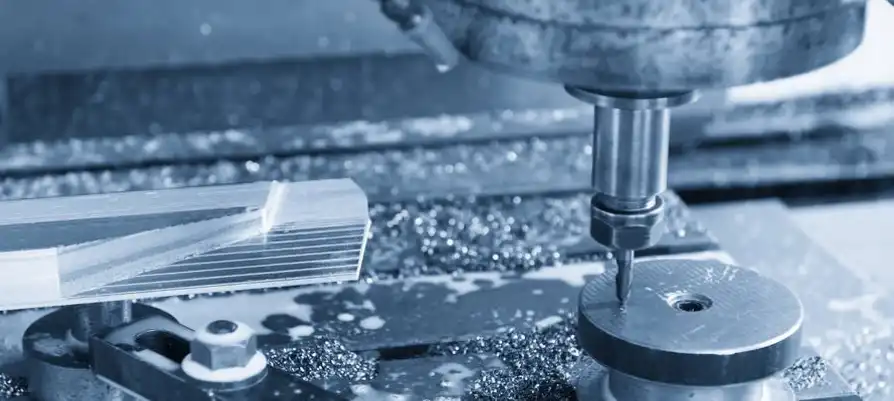
Key Specifications and Performance Features of H-Model Fiber Laser Cutting Machines
Understanding technical specifications helps people who buy things match the powers of tools to the needs of output. The H model plate fiber laser cutting machine series from Yuhui Laser comes in a number of different designs that can be used for a range of operating sizes and material processing needs.
Power Range and Cutting Capacity
There are models with laser power outputs ranging from 3000W to 30000W, so they can be used for a wide range of materials, from thin-gauge sheet metal to thick structural plates. Lower-wattage configurations are great for processing thin carbon steel, aluminum, and stainless steel with great edge quality and few heat-affected zones. Higher-powered models can cut through plates up to 50mm thick while still keeping production rates that are higher than those possible with mechanical cutting tools.
Working Area Options
The equipment comes with four common bed sizes: the YH-3015H can handle 3000x1500mm plates, the YH-4020 can handle 4000x2000mm sheets, the YH-6020H can handle 6000x2000mm formats, and the YH-8025H can handle big 8000x2500mm pieces. This variety lets makers choose tools that are the right size for the jobs they usually have, so they don't have to pay for more capability than they need or deal with equipment that is too small.
Precision and Reliability Standards
Positioning accuracy is up to 0.03mm per meter, which makes sure that large pieces of work are all the same size. With repeatability of ±0.02mm, the machine always returns to the exact coordinates, which is very important for mass production where many identical parts need to stay within tight limits. The THF4 military-grade lens system keeps the quality of the beam even when conditions are tough, which helps keep cutting results that meet high quality standards.
There are real business perks that come from these technical skills. Less wasteful use of materials lowers the cost per part, and faster processing speeds boost output without adding to the cost of labor. The equipment only needs minor maintenance, mostly cleaning the lenses and regular system checks, so it stays working and not sitting around waiting for service.
Comparing H-Model Fiber Laser Cutting Machines with CO2 Laser Cutting Machines
Choosing the right technology has a big effect on both the short-term costs of acquisition and the long-term costs of running the business. The metal production business has been happy with CO2 laser systems, but fiber laser technology has clear benefits that make the investment more worthwhile.
Operating Cost Analysis
About 30% of the electrical energy that comes from fiber laser sources is turned into cutting power. This is a much higher conversion rate than CO2 systems, which only manage 10-15% of the time. This difference in efficiency leads directly to lower utility bills, especially important for factories that run equipment through multiple shifts. Additionally, fiber lasers don't need any gas to produce a beam, so they don't have to pay for CO2 and helium refills on a regular basis.
Maintenance Considerations
CO2 laser systems have mirrors and complicated optical lines that need to be aligned and cleaned on a regular basis to keep working well. Fiber optic beam transport gets rid of these weak parts, which makes upkeep easier and less frequent. While the fiber laser source itself usually lasts longer than 100,000 hours of use, that's about 10 to 12 years of normal production use before it needs major repairs.
Material Versatility
Metals that reflect light, like aluminum, copper, and brass, are hard to work with with CO2 bands, but they are easy to work with with fiber laser technology. With this wider range of materials, fabricators can take on a wider range of jobs without having to worry about tool limits. Fiber lasers have shorter wavelengths, which makes the kerf widths and edge definitions smaller. This is especially helpful when cutting thin materials or patterns with a lot of small details, where accuracy is key.
Procurement decisions should weigh these practical differences against specific production requirements. Shops primarily processing thick carbon steel and simple shapes might find either technology suitable, but fiber lasers are much better for shops that work with a variety of materials or need to do little secondary finishing.
Procurement Considerations for B2B Buyers
Buying industrial laser cutting equipment is a big financial decision that needs a lot of thought beyond the initial purchase price. Smart buyers look at the total cost of ownership, how well the supplier can support the product, and how well the tools can be used for future output needs.
Investment and Financing Options
The current state of the market provides a number of ways to buy things. When you buy something outright, you get full ownership and the benefits of depreciation. When you lease, you keep your working capital for other business needs. Yuhui Laser's factory-direct price plan gets rid of markups for distributors, so customers can get high-quality equipment at a low cost. The company's 14-day production lead time allows for quick deployment, which cuts down on the time between investing money and making money.
Certification and Compliance
Safety certifications should be on any equipment that is going to be used in North America. Getting a CE or ISO9001 approval shows that you follow international safety and quality management standards. FDA approval takes care of certain legal issues for certain uses. These certificates give you peace of mind that the equipment you're buying follows set safety rules and quality standards. This lowers your risk of liability and makes it easier to get insurance coverage.
After-Sales Support Infrastructure
The availability of technical support has a direct effect on how well equipment works and how much it produces over time. Yuhui Laser's H model plate fiber laser cutting machine comes with 450 days of service after the sale, which is a lot longer than most guarantee terms. This promise includes help with installation, training for operators, and continued expert support. When you need to answer unexpected operational questions or find the best cutting settings for new projects, having access to support staff who are knowledgeable and know your unique equipment setup is very helpful.
Customization Capabilities
Standard equipment configurations work well for many tasks, but sometimes specific production needs call for custom solutions. Yuhui Laser can customize things by changing the structure, making them work better, or adapting the software. This makes sure that the equipment exactly fits the needs of the job, rather than forcing process compromises because of standard machine limitations. For example, automated loading systems can be added, bed dimensions can be changed to fit different workpiece sizes, and custom cutting routines can be made for unique products.
Production flexibility should be taken into account when choosing tools. If the business grows faster than expected, a machine that is only good for the current volume might slow it down. On the other hand, equipment that is too big costs more to buy and may not work well when it isn't being used as much. The best equipment standard can be found by carefully looking at current needs along with reasonable growth forecasts.
Latest Technological Advances in H-Model Fiber Laser Cutting Machines
Manufacturing technology is always changing, and new plate cutting equipment has features that make it more productive, lowers costs, and makes it easier to handle the process. Keeping up with these changes helps buyers choose tools that will work with new technologies and stay competitive for the life of the product.
Intelligent Automation Features
Adaptive technologies are built into modern control systems. These technologies change processing parameters automatically based on real-time feedback. Automatic focus setting keeps the best beam convergence even when the cutting head goes through different layers of material or hits plates that are warped. Capacitive height sensing constantly checks the distance between the nozzle and the object to avoid crashes and keep the right standoff distance for a good cut. Automatic nozzle cleaning systems find buildups of contamination and start cleaning processes without any help from the user, preventing degraded cut quality from obstructed gas flow. These automated maintenance tasks lower the cost of replacement parts and keep the system running smoothly without needing constant monitoring.
Remote Monitoring and Diagnostics
IoT connectivity lets anyone with internet access keep an eye on the H model plate fiber laser cutting machine from anywhere. Without going to the shop floor, production managers can keep an eye on how the machine is being used, look at cutting histories, and get alerts about maintenance needs or strange operations. This visibility helps make choices about output scheduling and resource placement based on data. Technical support staff can check on the status of the H model plate fiber laser cutting machine and often fix problems without having to go to the site, which cuts down on downtime. Software changes can be sent to the equipment from afar, making sure it has the most up-to-date features and best performance.
Energy Efficiency Improvements
Improvements are always being made to the design of laser sources and how power is managed to make them more efficient. These improvements cut down on running costs and help companies with their efforts to be more environmentally friendly. Less energy used per part cut improves environmental footprint metrics that customers are looking at more and more when they are choosing a supplier.
Future Development Trajectories
As new technologies come out, they could make laser cutting even better. AI-assisted cutting optimization algorithms look at the shape of the part and the qualities of the material to automatically come up with the best toolpaths and parameter choices. This cuts down on programming time while still getting better results. Better modular designs make it easier to upgrade parts, so equipment can use new technologies without having to be completely replaced. All of these innovations work together to make industrial systems that are more self-sufficient, effective, and flexible. If businesses buy new equipment today, they should be ready to use these new features as they become more mature and available to the public.
Conclusion
When choosing the right metal cutting technology, you have to weigh the short-term benefits against the long-term needs of the business. The H model plate fiber laser cutting machine has been used successfully in a wide range of metal manufacturing tasks. Its strong industrial base combines accuracy, speed, and dependability. The heavy-duty design keeps the dimensions stable during tight production plans, and the efficient fiber laser source lowers running costs compared to older technologies. When makers are thinking about buying new equipment, they should carefully consider the technical specs, the supplier's support, and the ability to expand in the future. This will help the business stay ahead of the competition. As laser cutting technology changes, it keeps adding new features that make production more efficient and improve the quality of the products. This makes choosing the right equipment more and more important for staying ahead in the market.
FAQ
1. What maintenance schedule does an H-type fiber laser cutter require?
As part of routine maintenance, optical parts are kept clean and system calibrations are checked. As part of daily tasks, protective lenses must be checked for contamination, and assist gas pressure levels must be checked. Cleaning cutting nozzles and checking coolant amounts and quality are things that need to be done every week. As part of the monthly routine, safety interlocks and beam path components are checked. Every year, calibration checks make sure that the accuracy of placement stays within the limits. This simple repair plan doesn't require much training, so employees in-house can do most of the work without having to call outside help.
2. How does cutting speed compare across different material thicknesses?
Processing speed depends on the type of material, its thickness, and the quality of the edges that are wanted. Thin stainless steel under 3mm cuts at almost maximum traverse speeds, while 10mm carbon steel is worked on at moderate speeds to make sure full penetration and a good edge finish. To get enough energy density for clean separation, speeds need to be proportionally slower for plates that are thicker. Power, speed, and thickness all affect each other in predictable ways that can be optimized by skilled users for different uses.
3. Can the machine accommodate custom material sizes or unusual shapes?
The largest workpiece that can fit on the bed is limited by standard measurements, but the machine can handle irregular forms that are within those limits. Custom fixturing can work with stock that isn't square or rectangular, and nesting software makes the best use of material no matter what shape the part is. Yuhui Laser can customize features even down to changing the structure for truly unique needs, but standard setups work well for most uses.
Ready to Transform Your Metal Fabrication Capabilities
Yuhui Laser knows that buying industrial equipment is more than just a transaction; it's the start of a relationship that will affect your ability to make things for years to come. Our team has a lot of experience helping makers find the best H model plate fiber laser cutting machine designs for their needs. Whether you run an existing fabrication shop that wants to add more space or start a new production line, we can help you with the technical know-how and support equipment you need to make it happen. For full specifications, personalized quotes, and answers to your unique application questions, please email our experts at jianghui@yuhui-laser-tech.com. As a maker of H model plate fiber laser cutting machines, we offer affordable factory-direct prices and full after-sales support. Our CE and ISO certifications show that we are committed to quality. You can look at all of our equipment at yuhui-laser-tech.com and learn how advanced fiber laser technology can help your metal processing.
References
1. Chen, J., & Wang, L. (2023). Advanced Fiber Laser Cutting Technologies for Industrial Metal Processing. International Journal of Manufacturing Engineering, 45(3), 287-302.
2. Mitchell, R. D. (2024). Comparative Analysis of Laser Cutting Systems: Fiber versus CO2 Technology. Journal of Industrial Production Technology, 18(2), 145-167.
3. Thompson, A., & Rodriguez, M. (2022). Structural Design Considerations for High-Precision Laser Cutting Equipment. Manufacturing Systems and Technology Quarterly, 31(4), 423-441.
4. Zhang, Y., Liu, H., & Park, S. (2023). Energy Efficiency and Sustainability in Modern Laser Manufacturing. Green Manufacturing Review, 12(1), 76-94.
5. Anderson, K. P. (2024). Procurement Strategies for Industrial Laser Equipment: A B2B Perspective. Supply Chain and Manufacturing Management, 27(3), 201-219.
6. Nakamura, T., & Schmidt, F. (2023). Automation and IoT Integration in Contemporary Laser Cutting Systems. Smart Manufacturing Technologies Journal, 9(2), 134-156.
Contact us directly for customized solutions, quotations and long-term strategic cooperation.