- English
- French
- German
- Portuguese
- Spanish
- Russian
- Japanese
- Korean
- Arabic
- Greek
- German
- Turkish
- Italian
- Danish
- Romanian
- Indonesian
- Czech
- Afrikaans
- Swedish
- Polish
- Basque
- Catalan
- Esperanto
- Hindi
- Lao
- Albanian
- Amharic
- Armenian
- Azerbaijani
- Belarusian
- Bengali
- Bosnian
- Bulgarian
- Cebuano
- Chichewa
- Corsican
- Croatian
- Dutch
- Estonian
- Filipino
- Finnish
- Frisian
- Galician
- Georgian
- Gujarati
- Haitian
- Hausa
- Hawaiian
- Hebrew
- Hmong
- Hungarian
- Icelandic
- Igbo
- Javanese
- Kannada
- Kazakh
- Khmer
- Kurdish
- Kyrgyz
- Latin
- Latvian
- Lithuanian
- Luxembou..
- Macedonian
- Malagasy
- Malay
- Malayalam
- Maltese
- Maori
- Marathi
- Mongolian
- Burmese
- Nepali
- Norwegian
- Pashto
- Persian
- Punjabi
- Serbian
- Sesotho
- Sinhala
- Slovak
- Slovenian
- Somali
- Samoan
- Scots Gaelic
- Shona
- Sindhi
- Sundanese
- Swahili
- Tajik
- Tamil
- Telugu
- Thai
- Ukrainian
- Urdu
- Uzbek
- Vietnamese
- Welsh
- Xhosa
- Yiddish
- Yoruba
- Zulu
Unveiling the Power of Sheet Metal Laser Cutting Machines
Precision, speed, and cost-effectiveness are always at the top of the list when we talk about how to change metal manufacturing. In modern industry, you need tools that make clean cuts while still being easy to use. The S Model Plate Fiber Laser Cutting Machine is a great example of this growth. It is a specialized fiber laser system designed to work with metal sheets and has the smallest possible size while still providing the best performance. This technology fills the gap between old-fashioned mechanical cutting and the needs of modern production settings. It gives producers a reliable way to boost productivity without lowering quality standards.
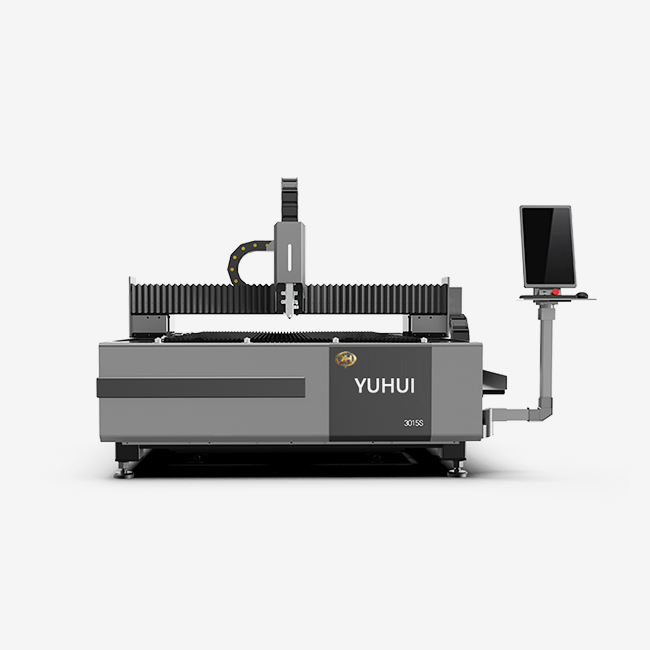
Understanding Fiber Laser Cutting Machines for Model Plates
Core Technology Behind Fiber Laser Systems
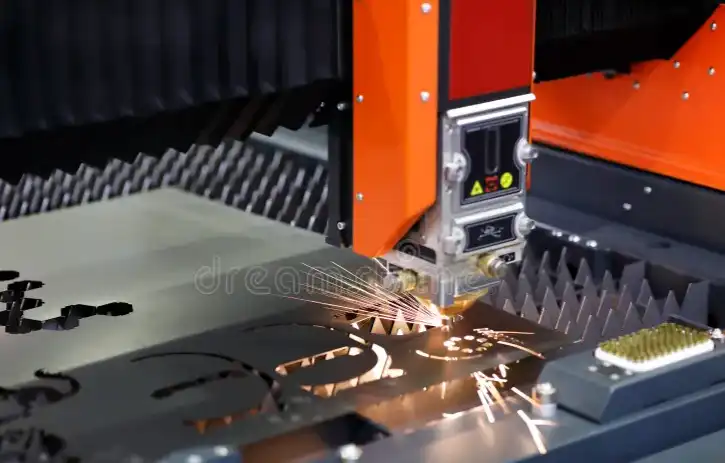
Fiber laser cutting tools use solid-state laser sources to send focused beams of light through optical wires. These machines are easier to use than older ones because they don't need to adjust mirrors or maintain beam paths. The laser source works at a frequency of about 1070 nm, which metals can absorb well. This means that the cuts are cleaner and less energy is used.
The CNC processor controls movement with accuracy of a few micrometers, and the cutting head always stays at the right focal distance. The machine can accurately work with carbon steel, stainless steel, aluminum, brass, and copper because its parts work together.
Performance Advantages in Metal Fabrication
Fiber laser technology is useful for many reasons for people who work with sheet metal. Cutting speeds of up to 60 meters per minute are possible with thin gauge materials, which greatly shortens cycle times when compared to plasma or waterjet options. The quality of the edges gets a lot better, and most uses don't need any extra cleaning, which saves time and money on labor.
Material waste goes down because nesting is tighter and kerf lengths are narrower, usually between 0.1mm and 0.5mm based on the thickness of the material. The water cooling system keeps the temperature stable during long production runs, and the non-contact cutting process keeps tools from wearing out. Because of these features, fiber laser cutting works especially well in fields where exact standards and surface finish have a direct effect on the quality of the result.
Material Compatibility and Processing Range
The Yuhui S Model can work with metal sheets on areas ranging from 1300x1300mm to 6000x2000mm, so it can meet a wide range of output needs. Lasers with power levels between 1500W and 6000W can cut through carbon steel up to 25 mm thick, stainless steel up to 12 mm thick, and aluminum up to 8 mm thick.
The machine can use either a standard AC380V or AC110V power source, so it can adapt to different electricity standards without having to make a lot of changes. This versatility includes working with shiny metals, which have been tricky in the past, thanks to improved beam delivery systems that keep the laser source from getting damaged by back-reflection.
Comparing Fiber Laser Cutting Machines with Alternative Technologies
Fiber Laser Versus CO₂ Laser Systems
For decades, CO₂ lasers were the most popular way to cut things in industry, but fiber technology is much better. In CO₂ systems, electrical efficiency goes up from about 10 to 15 percent to 25 to 35 percent in fiber lasers, which immediately lowers operating costs. Because fiber lasers don't need gas refills, mirror cleaning, or beam path changes like CO2 systems do, they require a lot less upkeep.
Cutting speed is 30–50% faster with fiber systems on thin materials, but both methods work about the same on bigger plates. Fiber lasers are useful in facilities with limited space because they take up little room, and their solid-state design makes them more reliable in harsh production settings.
Plasma Cutting Considerations
Plasma cuts are great for working with thick plates and have lower start-up costs, which makes them appealing for some uses. However, the quality of the edges is still worse, and heat-affected areas go deeper into the base material. The costs of consumables add up quickly, and the cutting process makes more noise and fumes, so air systems need to be improved.
Fiber laser devices make lines smoother and produce less dross, which means less post-processing is needed. When parts need to be made with very tight tolerances or when material output has a direct effect on profits, the precision edge becomes very important. Fiber laser quality is always better than plasma cost-effectiveness in industries that make ornamental metalwork, electronic casings, or precision parts.
Evaluating Leading Equipment Providers
Global companies like TRUMPF and Han's Laser have been improving their products' performance for decades. Most of the time, these systems come with high-tech software packages that let you handle nesting, watch in real time, and get maintenance alerts before they happen. Support networks for after-sale services cover several countries, so technology questions are answered quickly.
Because they offer similar technology at better prices, Chinese makers have become strong rivals. This trend is shown by Yuhui Laser, which offers quality products approved by CE and ISO and cheap prices from the plant. The company's S Model Plate Fiber Laser Cutting Machine has THF4 military-grade lenses and heavy-duty structural parts, such as cylindrical tubing with a 6mm wall thickness and a 3,000kg machine body, which keep the dimensions stable during fast moves. This building theory solves a common problem in the industry: when lighter machines are used for long periods of time, their accuracy starts to drift.
Best Practices for Operating and Maintaining Fiber Laser Cutting Machines
Achieving Optimal Cutting Precision
Preparing the materials correctly is the first step to a successful job. Sheets must lie flat on support slats; any twisting changes the focus distance and lowers the quality of the cut. To make sure the right power and speed settings are used, operators should check that the material type and thickness settings in the CNC software match the real workpieces.
Positioning systems stay accurate over time as long as they are regularly calibrated. When you do diagnostic cuts on a regular basis, you can find drift before it affects production parts. The environment is important. For example, steady temperatures keep the machine frame from expanding too much, and good airflow gets rid of fumes that could damage the optics.
Common Operational Mistakes to Avoid
Quality problems can be avoided by not doing the necessary inspections for consumables. As cutting goes on, dirt builds up on protective glasses, which gradually blocks the beam. The state of the nozzle has a direct effect on how gas flows around the cutting zone, which changes the finish of the edge. Both parts need to be checked regularly and replaced when they wear out, depending on how often they are used.
When you push the machine past its recommended job cycles, parts are more likely to break down early. Even though the system can work continuously, letting it cool down for a short time during shift changes makes it last longer. If you don't install software updates, you'll miss out on speed improvements and bug changes that companies release based on feedback from users.
Maintenance Protocols for Long-Term Reliability
Unexpected downtime can be avoided with a structured repair routine. Every day, you have to clean the protected windows, check the temperature and amount of the cooling water, and check the gas supply pressure. Once a week, the manufacturer's monitoring tools should be used to check the beam's alignment, and all wire connections should be checked for wear or looseness.
Every month, mechanical parts are inspected to make sure they are still properly torqued, linear guides are oiled, and belt tension is checked. The laser source itself usually needs professional service once a year, but if you pay close attention to the systems that support it, you can greatly reduce the number of times you need major repairs. Yuhui Laser helps customers through this process with 450 days of service after the sale, which includes professional training and help with fixing problems remotely.
Strategic Procurement Guide for Fiber Laser Cutting Machines
Critical Selection Criteria for B2B Buyers
When buying equipment, the skills should match both the current work needs and the expected growth. The size of the cutting area needs to be big enough to handle the biggest sheets that your business usually works with, plus some extra space in case there are some jobs that are too big. Which laser power to use varies on the type of material and the thickest layer that can be used. Machines that aren't powered enough have trouble being efficient, while machines that are powered too much cost more in capital costs.
Looking at the specs of a motion system shows how well it might work. Cycle times are directly affected by acceleration rates and the highest travel speeds. This is especially true for complicated parts that have a lot of direction changes. Tolerances that can be reached depend on how rigid the machine is. Frames that are heavier and stronger fight shaking and keep their accuracy better than frames that are lighter and less rigid. The S Model Plate Fiber Laser Cutting Machine solves this problem with its stronger design, which keeps the bed in place for 20 years when used normally.
Financial Considerations and Ownership Models
Prices for equipment vary a lot depending on its features and where it comes from. When comparing prices, Chinese brands with similar specs usually offer 30–50% lower prices than European or North American names. This pricing scheme is based on lower production costs, not lower quality, especially when working with well-known manufacturers that have foreign certifications.
There are different ways to pay for a purchase, such as buying the item directly, leasing it to own it, or getting a loan from a specialized lender. Each option has different effects on cash flow and taxes, which financial advisers should look at based on the specifics of the business. To find the total cost of ownership, you have to add up all the costs that come after the initial purchase price, such as repairs, upkeep, replacement parts, and possible downtime.
Advantages of Chinese Manufacturing Partners
Buying from Chinese companies like Yuhui Laser has many strategic perks besides just getting the best prices. With flexible customization, customers can ask for changes to the structure, the addition of new functions, or changes to the software that make the equipment work perfectly with the production process. The 14-day production lead time that Yuhui keeps up by keeping a lot of goods on hand speeds up project timelines compared to the long wait times that some global names have.
Concerns about foreign sources are eased by full warranty coverage and longer after-sales support. In a sign of trust in the stability of their products, Yuhui's 450-day service promise goes above and beyond what is required by the industry. Technical training programs make sure that workers fully understand what the equipment can do, and installation help makes the process of commissioning go more smoothly. These service factors turn the connection between the manufacturer and the customer into a real partnership, not just a transaction.
Future Trends and Innovations in Sheet Metal Laser Cutting
Advancing Laser Source Technology
Fiber laser sources are still being improved so that they can produce more power and better beam quality. Manufacturers now make systems with more than 12000W of power, which lets you cut thicker materials in a single pass instead of multiple runs. In advanced industrial applications such as the S Model Plate Fiber Laser Cutting Machine, beam-shaping technologies make the best use of energy for different materials and sizes, which improves edge quality while keeping speed the same.
When production needs change, modular laser source designs let you add more power without having to buy whole new tools. This protects your capital investments. As efficiency keeps going up, running costs keep going down. Some next-generation sources are getting close to 40% electrical-to-optical conversion efficiency. Over the course of years of operation, these small wins add up to big cash gains.
Software Intelligence and Automation Integration
Modern CNC software uses artificial intelligence to automatically improve the process. Systems look at the results of cutting in real time and change settings automatically to account for changes in the material or the surroundings. Predictive repair algorithms keep an eye on the states of parts and plan service visits before they break.
Integration with corporate resource planning tools and factory execution software makes managing output easier. Automated nesting modules use complex methods to get the most out of the materials they use in ways that human code can't. Technical staff can figure out problems or change settings without being there in person, thanks to remote tracking. This cuts down on response times and downtime.
Sustainability and Energy Efficiency Initiatives
Concern for the environment drives innovation in industrial tools. Fiber laser systems naturally use less electricity than CO₂ systems, but improvements are always being made to make them even more efficient. Better designs for cooling systems use less water, and better designs for smoke extraction lower the energy needed for airflow.
By getting more finished parts from each sheet, better nesting and smaller kerfs directly help reach environmental goals by reducing material waste. Getting rid of electrodes that need to be replaced and cutting down on extra processes both have a positive effect on the environment. These things are important for producers who want to be more environmentally friendly and cut costs at the same time by using resources more efficiently.
Conclusion
Laser cutting for sheet metal has grown into an important part of industry, and the S Model Plate Fiber Laser Cutting Machine shows how this growth can be used in real life. Strong construction, a wide range of work areas (from 1300x1300mm to 6000x2000mm), and power choices ranging from 1500W to 6000W make this machine suitable for a wide range of production needs in many businesses. Matching machine specs to real operating needs when choosing equipment ensures the best return on investment and avoids both undercapacity problems and spending too much money on things that aren't needed. Partnering with well-known makers who offer a good mix of quality certification, customization options, and quick customer service can help you succeed in the long run in markets that are very competitive.
FAQ
What safety measures should operators follow when running fiber laser cutting equipment?
Even though sealed systems keep the beam inside when they're not in use, operators must wear the right laser safety glasses that protect against 1070 nm wavelengths. There should be clear lines around the work area with warning signs, and the emergency stop buttons should always be easy to reach. Regular checks of the interlocks make sure that the laser turns off right away when the safety shields open. Proper airflow gets rid of metal fumes that are harmful to your lungs, and metal fire-extinguishing tools need to be easy to get to. Safety at work is still based on thorough training that covers both operational methods and emergency measures.
Can fiber laser systems process various metal types and thicknesses effectively?
With the right settings, fiber laser cutting tools can cut carbon steel, stainless steel, aluminum, brass, copper, and many other metals. The S Model Plate Fiber Laser Cutting Machine can handle materials ranging from thin foils to plates more than 20 mm thick made of metallic metals. Its power ranges from 1500W to 6000W. How well a laser can cut relies on the type of material, its thickness, and its power. Higher power increases the maximum thickness boundaries. Aluminum and copper are reflective materials that need special settings for their parameters, but current fiber systems can consistently work with these materials if they are set up correctly.
How often does fiber laser cutting equipment require maintenance?
Every day, care tasks include cleaning the protective optics, making sure the cooling system works, and checking the supplies. Checking the alignment of the beams and inspecting the motor parts are among the weekly chores. Maintenance is done once a month and includes greasing, checking the belt tension, and cleaning the cutting zones very well. Professional repair for laser sources usually happens once a year or after certain hours of operation. Following the manufacturer's suggested plans stops most service problems and greatly increases the life of equipment.
Partner with Yuhui Laser for Your Metal Cutting Solutions
Yuhui Laser can set up a CE-certified S Model Plate Fiber Laser Cutting Machine in a way that fits your production needs. Our equipment is built with industrial-strength materials and military-grade THF4 optical components, so it will work well for decades. As a maker of fiber laser cutting machines with a large inventory, we keep production wait times at 14 days, even for special orders. Factory-direct pricing gets rid of markups from middlemen, and our 450-day after-sales service promise, which includes expert training and installation support, makes sure that our products work well with yours. Email our engineering team at jianghui@yuhui-laser-tech.com to talk about the problems you're having with metal manufacturing and find out how our S Model Plate Fiber Laser Cutting Machine supplier can help you reach your goals for purchase. You can look at full specs and get prices on systems for sale at yuhui-laser-tech.com.
References
1. Chen, W., & Liu, M. (2023). Advanced Fiber Laser Technology in Industrial Metal Processing. Manufacturing Technology Press.
2. International Journal of Precision Engineering and Manufacturing. (2024). "Comparative Analysis of Laser Cutting Systems in Modern Fabrication Environments," Vol. 25, Issue 3, pp. 487-503.
3. Rodriguez, J. (2024). Strategic Procurement Guide for Industrial Laser Equipment. B2B Industrial Publishing.
4. Schmidt, H., & Weber, K. (2023). "Energy Efficiency and Sustainability in Laser Cutting Operations," Journal of Manufacturing Processes, Vol. 89, pp. 234-249.
5. Tanaka, Y. (2024). Maintenance Best Practices for Fiber Laser Systems. Industrial Equipment Service Association.
6. Zhang, L., Wang, Q., & Li, H. (2023). "Evolution of CNC Control Systems in Laser Cutting Technology," International Journal of Advanced Manufacturing Technology, Vol. 128, pp. 1567-1582.
Contact us directly for customized solutions, quotations and long-term strategic cooperation.