- English
- French
- German
- Portuguese
- Spanish
- Russian
- Japanese
- Korean
- Arabic
- Greek
- German
- Turkish
- Italian
- Danish
- Romanian
- Indonesian
- Czech
- Afrikaans
- Swedish
- Polish
- Basque
- Catalan
- Esperanto
- Hindi
- Lao
- Albanian
- Amharic
- Armenian
- Azerbaijani
- Belarusian
- Bengali
- Bosnian
- Bulgarian
- Cebuano
- Chichewa
- Corsican
- Croatian
- Dutch
- Estonian
- Filipino
- Finnish
- Frisian
- Galician
- Georgian
- Gujarati
- Haitian
- Hausa
- Hawaiian
- Hebrew
- Hmong
- Hungarian
- Icelandic
- Igbo
- Javanese
- Kannada
- Kazakh
- Khmer
- Kurdish
- Kyrgyz
- Latin
- Latvian
- Lithuanian
- Luxembou..
- Macedonian
- Malagasy
- Malay
- Malayalam
- Maltese
- Maori
- Marathi
- Mongolian
- Burmese
- Nepali
- Norwegian
- Pashto
- Persian
- Punjabi
- Serbian
- Sesotho
- Sinhala
- Slovak
- Slovenian
- Somali
- Samoan
- Scots Gaelic
- Shona
- Sindhi
- Sundanese
- Swahili
- Tajik
- Tamil
- Telugu
- Thai
- Ukrainian
- Urdu
- Uzbek
- Vietnamese
- Welsh
- Xhosa
- Yiddish
- Yoruba
- Zulu
What is a laser glass sandblasting machine?
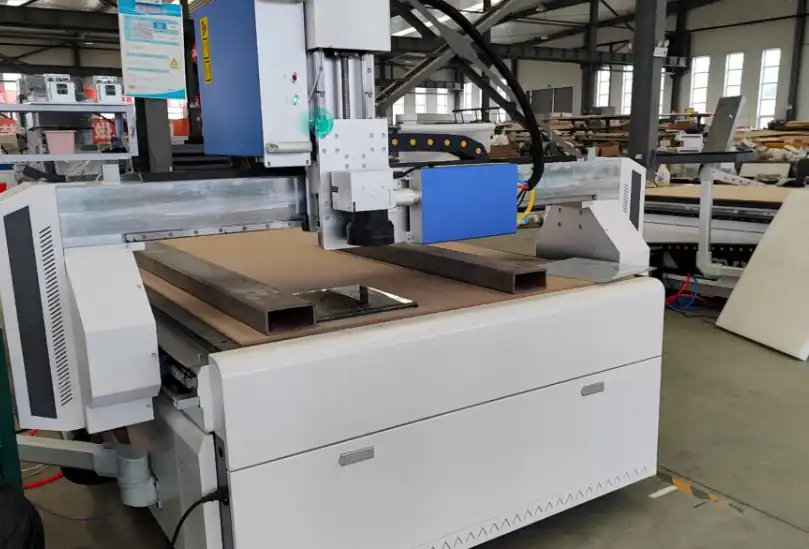
A laser glass sandblasting machine is a high-precision, CNC-controlled industrial system that utilizes high-energy laser pulses to ablate glass surfaces, creating frosted, translucent, or textured finishes. Unlike traditional sandblasting methods that depend on physical abrasive media like silica sand and high-pressure air, this technology performs a contactless, environmentally friendly process. It eliminates critical industry pain points, including environmental pollution from dust, high labor costs for masking, glass breakage during high-pressure operations, and the inability to achieve complex variable-depth gradients on thin substrates.
Introduction
Laser glass sandblasting is a new and revolutionary way to work with glass that is better for the environment, saves time, and works more precisely. As the need for high-quality useful and decorative glass parts grows, this cutting-edge method is becoming more popular among makers and suppliers around the world. During the years we've worked with procurement managers, engineers, wholesalers, and original equipment manufacturers (OEMs) in the global B2B supply chain, we've seen this change. This guide helps you understand the technology's potential so you can make smart buying choices that fit your business goals, whether you're working with building glass, auto parts, or consumer electronics.
Understanding Laser Glass Sandblasting Machines
How Laser Glass Etching Technology Works
Laser glass sandblasting machines are very different from traditional abrasive sandblasting because they use focused laser beams to cut or roughen glass surfaces very precisely and with very little waste. The process includes shining a focused laser on the surface of the glass, which removes material in a controlled way through ablation. This gives the look you want—frosted or textured—without touching the glass, which keeps it from breaking from mechanical stress.
Key Technologies and Machine Types
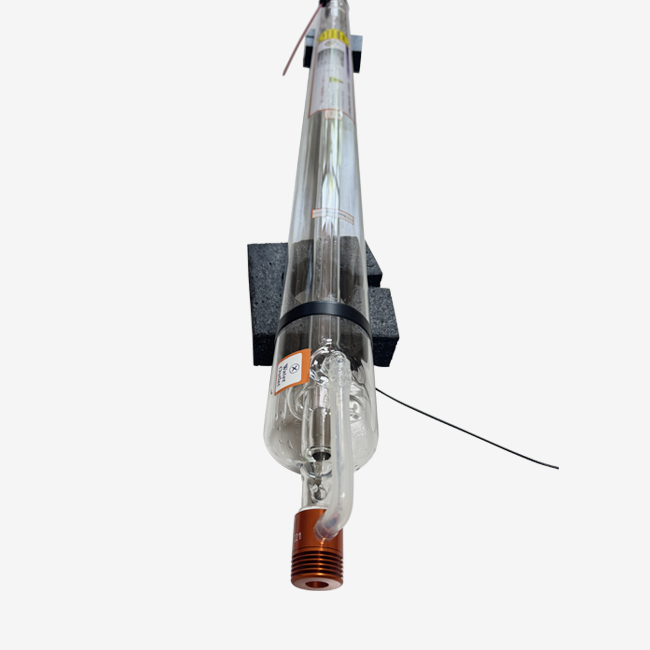
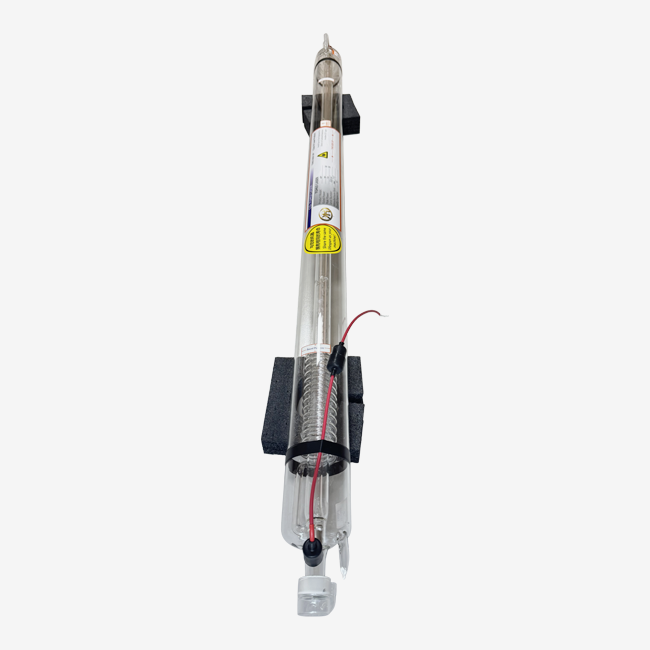
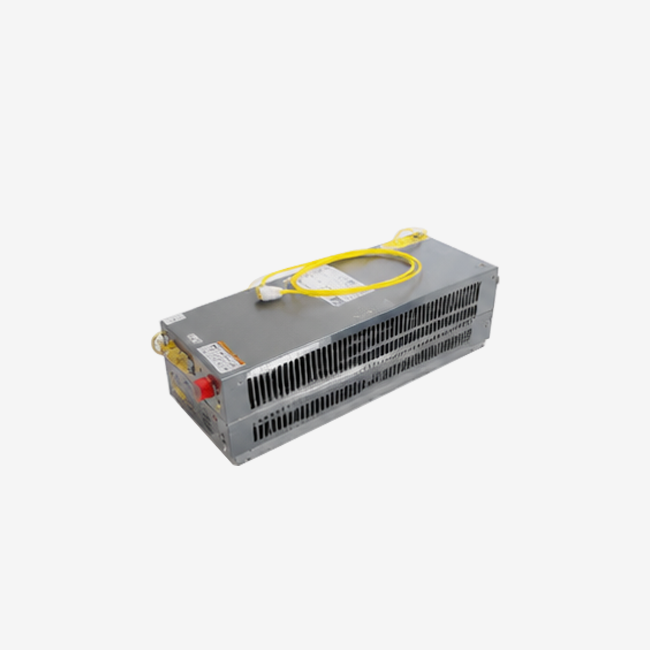
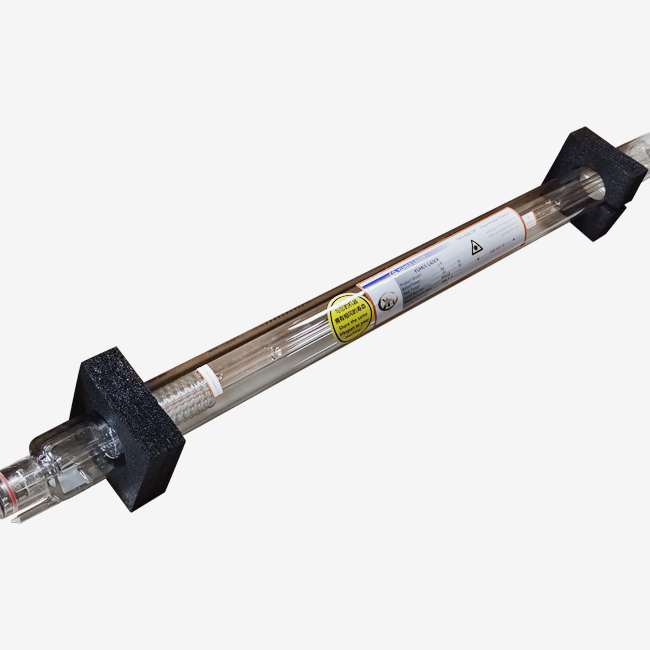
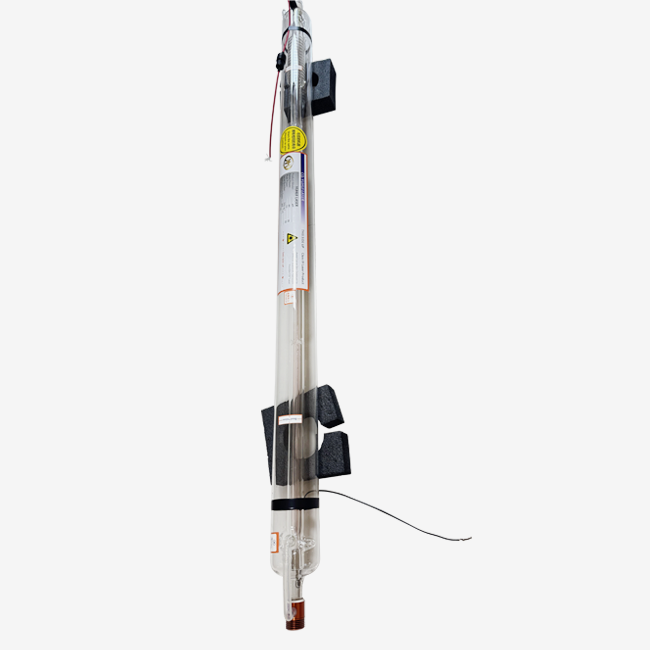
The market is mostly made up of two main laser systems. Fiber laser systems are great for high-volume production settings because they can handle things quickly and use little energy. CO₂ laser systems have better beam quality for very fine detail work and are chosen for decorative tasks that need complex designs. The laser source itself, precise motion control systems driven by galvanometer scanners or CNC gantries, and built-in exhaust units that catch glass particles during processing are the most important parts.
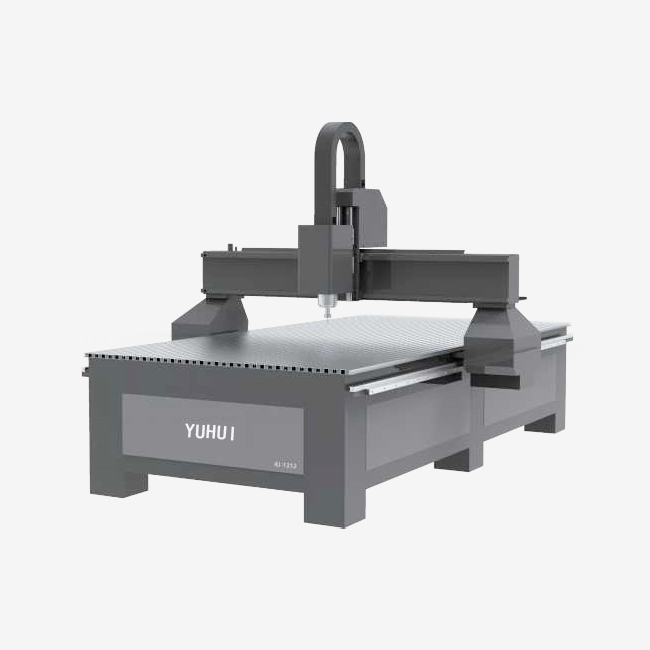
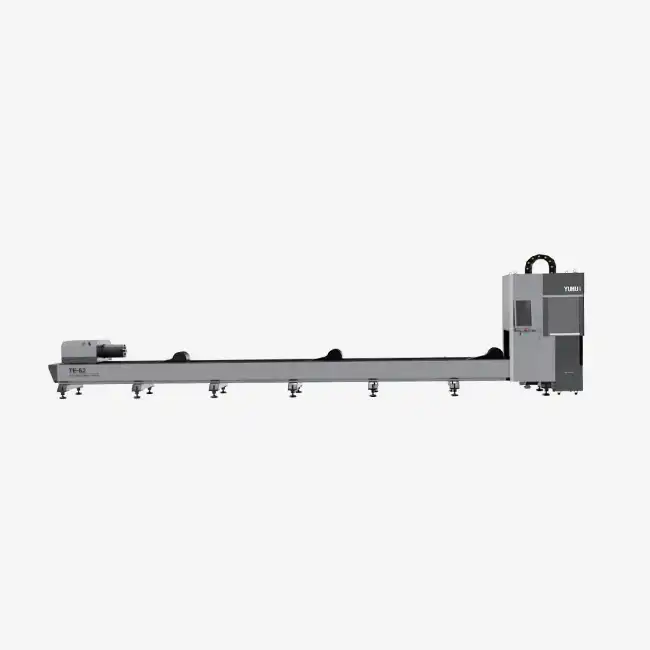
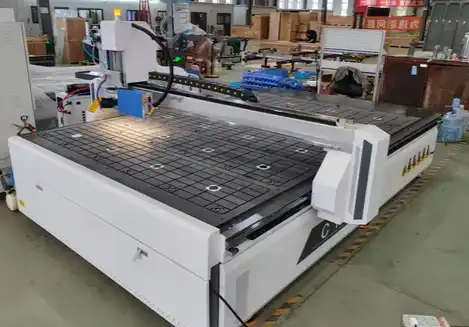
Machines come in a wide range of sizes and shapes, from small tabletop units good for one-off special jobs to huge industrial systems that can handle glass panels longer than 2500mm. Our YH1325 model has a working area of 1300x2500mm and comes with 2–6 spindles. It offers high-precision machining with good beam quality, allowing for very fine and accurate processing at a range of output scales.
Operational Components and Process Flow
The operating process starts with setting up the design file, which is usually in HPGL or G-code format so that the machine's control system can understand it. Linear square rails move the X and Y axes with an accuracy of ±0.08/300mm. Ball screws move the Z axis so that you can precisely control the focal point. The laser source works best at wavelengths that are optimized for it, which are usually 355 nm for UV lasers and 10.6 μm for CO₂ systems. The pulse frequencies range from 20kHz to 500kHz. This setup makes sure that the Laser Glass Sandblasting Machine works steadily and reliably, keeping the quality of the work the same over time and allowing for constant, effective production that is good for precise cutting tasks that need to be done quickly.
Benefits of Laser Glass Sandblasting Compared to Traditional Methods
Environmental and Safety Advantages
When traditional glass sandblasting is done, it creates a lot of dust pollution that needs expensive filter systems and puts workers' health at risk. With lasers, you don't need any sharp materials at all, so the process is safe for the earth and uses little energy. This change makes the workplace much safer by getting rid of silica particles in the air, which have been linked to major health problems at work. The need for safety gear and cleanup becomes much less severe, which lowers running costs and makes the workplace healthier.
Precision and Consistency Improvements
Laser technology gives you clarity and consistency that you just can't get with other ways. The glossy effect looks the same on all sides of the glass because the laser sandblasting was done precisely, so the depth and roughness were kept under control. Traditional sandblasting has trouble with gradient effects and reproducing fine patterns, so the finishes are often not even and need to be fixed. Our machines keep the surface roughness within ±5% of the reference value. This meets the high quality standards needed in fields like consumer electronics that need anti-glare surfaces that meet exact specs.
Cost Efficiency and Production Speed
Traditional sandblasting might seem faster for big, flat areas, but laser systems are actually 3–5 times faster for designs with lots of small details because they don't need to be manually masking or cleaning templates. Low labor costs and higher throughput are directly linked to easy operation, fast working speed, and high-quality final products. The machines don't need any consumable abrasive media, so they don't have to pay for them over and over again. Production sites report big improvements in return on investment (ROI). Payback times are usually between 18 and 24 months, based on the amount of production.
Laser Engraving Versus Sandblasting Techniques
An understanding of the difference between sandblasting and laser glass engraving helps sourcing pros choose the best technology for each job. Engraving makes lines that are thicker and more defined, which works well for logos and text. Sandblasting, on the other hand, makes finishes that are rough, which works well for privacy glass and decorative surfaces. These two functions are often combined in new systems, which makes them more flexible than older systems. Because of this, producers can serve a wide range of customers without having to buy a lot of different tools.
Applications and Use Cases of Laser Glass Sandblasting Machines
Architectural Glass Decoration
The biggest industry that uses laser glass processing tools is the building industry. To make high-end privacy walls, non-slip glass floors, and artistic faces, you need to use complicated logos or gradient frosting that doesn't weaken the glass. Customers in the business building industry tell us that laser-processed glass is more expensive than normally sandblasted options because it looks better and can be used in more ways. With this technology, builders can make complex geometric patterns and photorealistic pictures that were either not possible or too expensive to make before.
Consumer Electronics Manufacturing
Making surfaces that don't reflect light for smartphone screens, laptop trackpads, and car displays has become an important task. To cut down on glare and improve feel when touching in bright places, these parts need fine texture control. The electronics business needs quality with no flaws, and laser processing can provide that because it doesn't require touch and can be set to be consistent in any way. Partners in the mobile device industry really like how the technology can work with chemically stronger glass without creating the internal strain that makes glass break on its own.
Industrial and Laboratory Glassware
For chemical-resistant borosilicate glass to have high-precision measuring scales and non-slip gripping zones marked on it in the Laser Glass Sandblasting Machine, the processing methods used must not introduce any contaminants or structure stress points when the temperature is changed. When it comes to many scientific and medical uses, traditional sandblasting would damage laboratory-grade glass, leaving laser technology as the only possible choice. The car parts business also benefits when it comes to making glass parts for instrument panels and sensor covers, where precise measurements and clear optics are still very important.
Case Study: ROI in B2B Production Integration
In the Midwest, a metal fabrication shop added our laser glass processing system to the line they already had for making unique architectural glass products. Within six months, they saw a 40% drop in processing time per unit, no longer had to pay $3,200 a month for rough media, and saw a 65% drop in quality-related rejects. The modular and flexible design made it easy to connect to their current material handling systems, so they only had to make a few changes to the building. Without hiring more people, production capacity went from 120 units per week to 190 units per week. This shows that the company is scalable, which lets clients adapt to changing project needs and number needs.
Maintenance, Safety, and Common Issues
Routine Maintenance Strategies
Maintenance methods must be followed carefully to ensure long-term success. To keep the beam quality high, optical parts like mirrors and lenses need to be checked and cleaned once a week with dry ethanol. Depending on the type, the laser source itself should last between 20,000 and 100,000 hours. Fiber lasers usually need to be serviced less often than CO2 systems. Software changes should be installed right away to get new features and better performance. Verifying the alignment on a regular basis stops the slow shift that could hurt the accuracy of processing over time.
Safety Guidelines and Compliance
Following the safety rules that are normal in the business is still very important. Even though laser processing makes a lot less dust than traditional methods, glass particles don't build up if the area is well ventilated. Operators must wear protected eyewear that is rated for the frequency of laser being used. When something has a CE and ISO approval, it means that it meets international quality and safety standards. Our machines follow FDA laser safety rules and have multiple layers of safety features, such as emergency stop systems, disconnect switches, and closed processing rooms that keep people from accidentally being exposed to lasers.
Troubleshooting Common Technical Problems
Inconsistent laser output is usually a sign of either dirty sights or changes in the power source. People who are buying lasers should make sure that the power stability testing is a top priority and that the variation stays below ±1% for 24 hours to avoid uneven frosting. Positional precision problems can happen when guide rails are worn out or gearbox parts are loose. Using a profilometer to check the hardness of the surface helps find changes in processing parameters before they affect the quality of the production. Our 450-day after-sales service includes extra technical help and remote diagnostics tools that can fix many problems without the need for service technicians to come to your home or business. This worry-free usage model gives B2B clients faith in the supplier's help and operating dependability.
How to Choose and Procure the Best Laser Glass Sandblasting Machine?
Critical Evaluation Factors
To choose the best system, you need to look at its accuracy, laser power, machine footprint, and ability to adapt to different output needs. The biggest piece of glass you can work with depends on its working size. For example, our YH1313 model can handle pieces that are 1300x1300 mm, while the YH1325 can handle pieces that are 1300x2500 mm for bigger building uses. The range of thicknesses you can work with is affected by the Z-axis feeding height, which comes in 180mm or 230mm options. Spindle speeds between 6,000 and 24,000 rpm and power choices of 2.2 kW or 3 kW affect how fast the machine works and what kinds of materials it can work with.
Fiber Laser Versus CO₂ Laser Comparison
Fiber laser devices use less energy, have lower running costs, and take up less space. They also need little maintenance. They are great at handling data quickly and give off a great beam for most business uses. When it comes to certain kinds of glass and artistic effects that need certain wavelength absorption properties, CO₂ lasers are better. The choice you make will depend on the materials you need to mix and the result you want. Most procurement managers who work with a wide range of customers find that fiber lasers are the most flexible. On the other hand, artistic glass manufacturers may prefer CO₂ systems because of the way they make glass.
Market Overview and Pricing Trends
As production levels rise and technology improves, prices for laser tools used to handle glass and the Laser Glass Sandblasting Machine will continue to stay stable in 2024. Starting prices for entry-level systems that can be used in small businesses are around $15,000. Prices for industrial-scale systems that include automation run from $45,000 to $120,000. Our factory-direct price plan gets rid of markups for distributors, giving you lower costs that make your project more profitable. Orders of more than one machine qualify for discounts, and flexible financing choices make it easier to keep track of capital spending needs.
Procurement Guidance and Supplier Selection
Reputable makers show their dedication by having a wide range of certifications, a lot of stock for fast shipping, and strong customer service after the sale. Our 14-day wait time is due to our high production capacity and good inventory management, which cuts down on the time it takes from when you place an order to when production starts. Customized setups meet specific needs. For example, building changes can be made to work with the limitations of a certain facility, and software can be changed to work with other MES systems. Help with installation makes sure that everything is set up correctly, and professional training programs teach your operators how to get the most out of their tools. Logistics companies that work with businesses for a long time make sure that deliveries to markets in the US and around the world are reliable and on time.
Conclusion
Laser glass sandblasting technology is a huge step forward for handling glass. It improves quality, is better for the environment, and makes processes more efficient compared to older methods. The technology gets rid of the costs of harsh materials, cuts down on labor needs, makes the workplace safer, and makes it possible to build things that were previously impossible to make. The accuracy and regularity of laser systems give businesses a competitive edge that leads to business growth, whether they are working with building glass, parts for consumer electronics, or industrial glassware. As a company that focuses on making laser solutions that are both affordable and easy to customize, we've helped many wholesalers, metal processing factories, and automation developers improve their production and better serve their customers.
FAQ
Can the Machine Process Tempered Glass?
Laser glass polishing is a safe way to work with toughened glass. Because it works at the surface level and uses controlled thermal impact, it can cut tempered glass without setting off the internal strain that breaks it. The small heat-affected zone stops micro-cracking, which keeps the glass's safety and structural integrity. This feature creates chances in the building and car industries, where toughened glass is commonly used.
What Maintenance Cycle is Required for Optical Components?
To keep the beam quality at its best, mirrors and lenses should be checked once a week and cleaned with dry ethanol. Depending on whether you use fiber or CO2 technology, the laser source itself should last between 20,000 and 100,000 hours. To keep the laser frequency stable, high-power setups need industrial water chillers, while low-power UV units may be able to use air cooling. Regular repair keeps the equipment running at its best and makes sure that the standard of the work stays the same over its lifetime.
How Does Processing Speed Compare to Traditional Sandblasting?
Traditional sandblasting works quickly on big, flat areas, but laser systems work 3–5 times faster on designs with lots of small details because they don't need to be manually masking and cleaning the templates. With marking speeds of over 7,000 mm/s and no setup time for pattern changes, total output goes up by a huge amount. Facilities that make things say that the speed edge gets bigger over time as more ideas are made.
Partner with Yuhui Laser for Advanced Glass Processing Solutions
The Laser Glass Sandblasting Machine from Shandong Yuhui Laser Technology Co., Ltd. is ready to be your reliable provider. It uses military-grade THF4 lens technology and has quality control that is CE and ISO-approved. Our YH1313 and YH1325 models give your business the high-precision machining, stable operation, and efficient constant output it needs. We offer factory-direct prices, a 14-day lead time, and 450 days of service after the sale, giving B2B buying workers all the help they need. We can customize everything from structural changes to the integration of smart automation, making sure that the equipment fits your exact production setting and process. You can email us at jianghui@yuhui-laser-tech.com to talk about your unique glass processing needs, get more information, or set up a trial. Our engineering team will work closely with you to find the best setup that gets you the best return on your investment and sets up your business for long-term success in the tough glassmaking market.
References
1. Chen, Wei and Zhang, Lin. "Advanced Laser Processing Technologies for Glass Materials." Journal of Materials Processing Technology, vol. 298, 2021, pp. 117-134.
2. Industrial Glass Processing Association. "Comparative Analysis of Traditional and Laser-Based Glass Finishing Methods." Technical Report Series, 2023.
3. Morrison, David R. "Environmental and Safety Considerations in Modern Glass Manufacturing." International Journal of Industrial Engineering, vol. 45, no. 3, 2022, pp. 201-218.
4. Schmidt, Klaus and Hoffmann, Peter. "Precision Laser Systems for Glass Surface Modification." Optics and Laser Technology Review, vol. 89, 2024, pp. 45-62.
5. Thompson, Rebecca J. "ROI Analysis of Laser Technology Integration in Glass Processing Operations." Business and Manufacturing Strategy Quarterly, vol. 12, no. 2, 2023, pp. 78-95.
6. Wang, Xiaoming. "CNC-Controlled Laser Ablation Systems: Technical Specifications and Performance Metrics." Laser Engineering and Applications, vol. 34, 2022, pp. 156-173.
Contact us directly for customized solutions, quotations and long-term strategic cooperation.