- English
- French
- German
- Portuguese
- Spanish
- Russian
- Japanese
- Korean
- Arabic
- Greek
- German
- Turkish
- Italian
- Danish
- Romanian
- Indonesian
- Czech
- Afrikaans
- Swedish
- Polish
- Basque
- Catalan
- Esperanto
- Hindi
- Lao
- Albanian
- Amharic
- Armenian
- Azerbaijani
- Belarusian
- Bengali
- Bosnian
- Bulgarian
- Cebuano
- Chichewa
- Corsican
- Croatian
- Dutch
- Estonian
- Filipino
- Finnish
- Frisian
- Galician
- Georgian
- Gujarati
- Haitian
- Hausa
- Hawaiian
- Hebrew
- Hmong
- Hungarian
- Icelandic
- Igbo
- Javanese
- Kannada
- Kazakh
- Khmer
- Kurdish
- Kyrgyz
- Latin
- Latvian
- Lithuanian
- Luxembou..
- Macedonian
- Malagasy
- Malay
- Malayalam
- Maltese
- Maori
- Marathi
- Mongolian
- Burmese
- Nepali
- Norwegian
- Pashto
- Persian
- Punjabi
- Serbian
- Sesotho
- Sinhala
- Slovak
- Slovenian
- Somali
- Samoan
- Scots Gaelic
- Shona
- Sindhi
- Sundanese
- Swahili
- Tajik
- Tamil
- Telugu
- Thai
- Ukrainian
- Urdu
- Uzbek
- Vietnamese
- Welsh
- Xhosa
- Yiddish
- Yoruba
- Zulu
What are the advantages of a fully automated pipe-cutting machine?
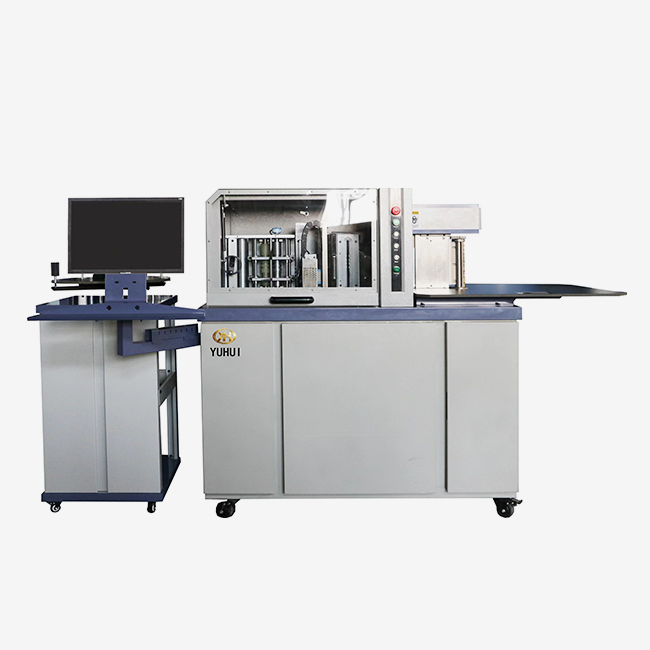
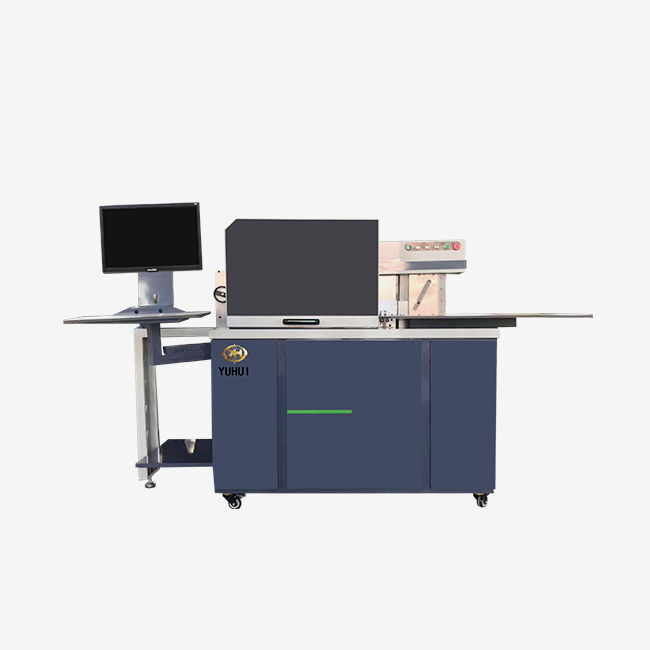
Fully automated pipe cutting tools change the way metal is made by mixing accuracy, speed, and regularity into a single, streamlined solution. A high-performance CNC system makes the G model fully automatic pipe cutting machine stand out. It can accurately cut metal tubes with a diameter of 160 to 240 mm. This technology removes the need for human work, cuts down on material waste, and speeds up production cycles by combining automated feeding, exact positioning, and high-speed cutting. This gives makers a competitive edge in terms of both cost-effectiveness and output quality.

Understanding Fully Automated Pipe Cutting Machines
To make modern pipes, you need tools that can consistently be precise and work with a wide range of materials and complicated shapes. Fully automated pipe cutting systems do this with the help of advanced CNC control interfaces and robotics that work together to handle every step of the cutting process without any changes being made by an operator.
What Defines Full Automation in Pipe Cutting
Fully automated machines have self-centering clamping mechanisms, programmable multi-axis positioning, and built-in material handling. Semi-automatic systems need to be loaded or measured by hand. The Yuhui Laser T6012G model is a good example of this method. It can move at up to 90m/min and accelerate up to 1.5G, which lets it quickly switch between cuts while keeping its placement accuracy at ±0.05mm. This amount of control makes sure that every tube section meets all the requirements, whether it's making carbon steel frames or stainless steel exhaust parts.
Key Technologies Behind Automated Systems
Advanced sensors constantly check the orientation of the tubes and the depth of the cuts, automatically changing the settings to account for changes in the material. Cutting programs for hundreds of tube profiles can be saved in PLC-driven control systems. This lets operators switch between jobs with simple touchscreen commands. The machine's self-learning algorithms adjust the cutting speeds based on real-time input. This cuts cycle times by 30–40% compared to old methods while keeping the quality of the edges so they can be welded or put together right away.
Core Advantages of Fully Automated Pipe Cutting Machines
Investing in automated pipe cutting technology changes operational metrics for precision, productivity, cost management, and safety in the workplace. Each of these benefits directly addresses common problems in manufacturing.
Superior Precision and Repeatability
Automated systems get rid of the mistakes that come with measuring and cutting by hand. With repeat positioning accuracy of ±0.03mm over thousands of cuts, the T6012G makes sure that every tube piece fits the CAD specs. When making parts for car chassis or HVAC heat exchangers, this level of accuracy is especially helpful because differences in size of just 0.1 mm can lead to assembly failures or performance problems. By keeping tolerances tight, makers lower the amount of rework and waste that needs to be done later and increase the trustworthiness of the product.
The stable cutting quality of the machine comes from its rigid G-series structural design, which keeps vibrations to a minimum even when it's running 24 hours a day, seven days a week. With high-torque servo motors and precise linear guides, this design makes cuts without burrs and meets DIN ISO 2768-m standards for surface finishes. This means that there is no need for extra deburring work, which adds to the cost of labour and production time.

Dramatic Productivity Gains
The G model fully automatic pipe cutting machine speeds up output by running all the time and making the flow of materials more efficient. The automatic feeding system of the T6012G pulls tubes straight from storage racks. Its high-speed cutting head cuts materials 3–5 times faster than a manual saw. This set-up lets one operator oversee multiple cutting stations at the same time, which increases output without increasing the amount of work that needs to be done.
Short-tailing technology makes even better use of materials by cutting leftover remnants to less than 40mm per tube. This is a big improvement over the 100–150mm remnants that are usually left over after regular cutting. When working with pricey metals like Inconel or stainless steel 316, this speed saves a lot of money on material costs over the course of a year's worth of production.
Measurable Cost Reduction
In most job shops, 35 to 45 percent of the cost of making something out of metal goes to labour. With automated pipe cutting, this burden is lessened because the system is run by a single technician instead of several manual operators. The T6012G's easy-to-use interface means that workers can become skilled in it in days instead of the weeks it takes to learn standard cutting skills.
Operating costs also go down because less upkeep is needed. The machine's built-in micro-mist lubrication system makes blades last 60% longer than with flood-cooled systems, while lowering the costs and risks of environmental compliance. Because Yuhui Laser offers 450 days of service after the sale and new parts are easy to find, the total cost of ownership is still low compared to cheaper manual options.
For sites that process 500 or more tubes every month, these financial benefits pay for themselves in 18 to 24 months. Payback times are cut down to 12 to 15 months for manufacturers who deal with higher numbers or more expensive materials. This makes automation a great investment for businesses that want to increase their production capacity.
Enhanced Workplace Safety
Automated systems keep workers away from dangerous cutting areas, which lowers the risk of getting hurt by flying metal chips, sharp edges, and straining over and over again. The T6012G has interlocking safety guards that stop the machine from running when access doors open. The emergency stop settings are still easy to reach. During operation, noise levels stay below 75dB, which is well below the OSHA level that requires hearing protection. This makes the workplace more relaxed.
Back injuries and musculoskeletal disorders are common in metal fabrication shops. Automation stops these problems by getting rid of the need to move heavy tube sections by hand. This safety improvement cuts down on workers' compensation claims and insurance costs, and it also makes employees happier at work and more likely to stay with the company.
How the G Model Fully Automatic Pipe Cutting Machine Solves Procurement Challenges
When purchasing managers and experts look at pipe-cutting equipment, they have to weigh the short-term costs of capital against the long-term performance of the equipment. The T6012G addresses these worries with features that are designed to speed up common problems in making metal tubes.
Addressing Quality Consistency Issues
Cutting quality that isn't regular leads to problems with assembly, parts being refused, and customer complaints. The CNC-controlled tracking system and servo-driven feed mechanisms of the machine get rid of any human error, so the cuts are always the same, no matter how skilled or tired the operator is. This consistency is very important for OEM clients who need parts that can be switched out between months or years of production.
Real-time monitoring systems keep track of the cutting settings for each tube. They then make quality reports that meet the standards for ISO 9001 documentation and provide output records that can be tracked. When customers question the size of a part, makers can show them machine data that shows the part fits the specs. This keeps disagreements to a minimum and builds stronger relationships with customers.
Maximizing Throughput and Uptime
When equipment breaks down, it slows down production, which hurts profits and delivery promises. The G model fully automatic pipe cutting machine is built to last and has high-quality parts that make it less likely to break down. Its modular design also makes it easy to change worn-out parts during planned maintenance windows. Yuhui Laser has a huge service network that makes sure technical support gets to customers around the world within 48 hours. Video troubleshooting and a large inventory of spare parts are also available.
The machine is connected to Industry 4.0, which lets maintenance teams check on its status from afar and make plans to fix problems before they happen. Using actual usage patterns instead of random calendar plans for predictive maintenance cuts down on service calls that aren't needed and stops production from stopping without warning.
Supporting Customization and Flexibility
Specialised tube profiles or materials that aren't standard can be hard for standard machines to handle. Yuhui Laser can customise the T6012G to make it more useful. For example, they can change the clamping systems for D-shaped architectural tubes, improve the cutting modules for thick-walled pressure tanks, and make the software interfaces work with current ERP systems. Because of this, manufacturers can meet a wide range of job needs without having to keep up with a lot of different machines.
Processing diameter and length parameters can still be changed to fit specific production needs without having to pay a lot of money for retrofitting. The machine can cut 160 mm HVAC ducting or 240 mm structural columns because its control system stores customisable parameter sets that let it react to the needs of the material.
Comparing Fully Automatic Pipe Cutting Machines to Other Options
Knowing the differences in performance and cost between levels of automation helps procurement teams choose equipment that fits their needs and their budgets.
Manual vs. Semi-Automatic vs. Fully Automatic Systems
Abrasive saws and band saws are used for manual cutting, which costs $5,000 to $15,000 but needs skilled operators and produces inconsistent quality. Production rates rarely go above 30 cuts per hour, which makes it hard for growing businesses to get their work done. Semi-automatic systems that cost between $20,000 and $50,000 make things faster and more consistent, but they still need to be loaded and measured by hand, which slows things down during high-volume runs.
Fully automatic CNC pipe cutters like the T6012G cost between $75,000 and $150,000, depending on the options and configuration. This extra buys a real "walk-away" machine that can make 120+ cuts an hour with little to no help. Break-even analysis usually supports automation when the number of tubes made each month is more than 400 to 500 or when the cost of materials justifies cutting precisely to reduce waste.
Laser vs. Mechanical Cutting Technologies
When cold saws or milling heads are used for mechanical cutting, thick-walled tubes work best, and the edges are very good without any heat-affected zones. These methods work well with carbon steel and stainless steel, but they have trouble with aluminium and copper alloys, which make cutting tools stick. In contrast, the G model fully automatic pipe cutting machine handles these reflective materials with ease, eliminating the sticking problem entirely. Because mechanical methods need new blades more often and cut more slowly, they are not economically viable in high-mix production environments.
Laser cutting modules are faster and make better edges on all metals. They can cut steel without changing tools and aluminium tubing as smoothly as steel. The non-contact nature of the technology means that pressing pressure doesn't change the shape of the part, which is very important when working with thin-walled exhaust components. Even though laser systems cost more to buy at first, they are more cost-effective for shops that work with a wide range of materials because they are flexible and don't need many consumables.
Market Landscape and Manufacturer Positioning
European names that have been around for a long time and have a lot of dealers charge high prices ($200,000+) for automated pipe cutting tools sold around the world. Asian companies like Yuhui Laser offer similar technical performance at 40–60% lower purchase costs. This means that mid-sized producers can now afford to buy advanced technology that was previously out of their price range.
When buying from suppliers, teams should look at CE and ISO certificates that prove safety and quality standards, read through warranty terms and service response promises, and ask to see examples of installations that have been used in similar situations. The 14-day production lead time and factory-direct pricing model of Yuhui Laser get rid of the markups that distributors add on top of the price. The build quality is also kept high by using military-grade optical components and strict testing routines.
Procurement Considerations for Fully Automated Pipe Cutting Machines
To choose the best automated pipe cutting system, you need to look at production needs, technical specifications, and long-term support infrastructure to make sure the investment pays off.
Defining Production Requirements
First, figure out how many tubes are being cut now and how many will be cut in the future. This should include a mix of diameters, wall thicknesses, and materials. The T6012G can handle a diameter range of 160mm to 240mm, which is good for HVAC, structural steel, and medium-sized industrial uses. For special needs, it can be configured to handle a diameter range of 320mm. Check to see if the products you make need multi-axis cutting for mitre joints and cope holes. If they do, you may need to buy new control systems and more tools.
Take into account the limitations of the building, such as the amount of floor space, the power supply (usually 380V three-phase for industrial CNCs), and the need for compressed air for pneumatic clamping. To keep construction costs and work interruptions to a minimum, the machine's size and integration needs should match up with current production layouts.
Evaluating After-Sales Support Quality
Support staff's ability to quickly fix problems is more important than how reliable the equipment is. Read the manufacturer's service agreements to find out exactly what they say about response times, technician availability, and where parts are kept. The G model fully automatic pipe cutting machine comes with 450-day extended service coverage from Yuhui Laser that goes beyond the normal 12-month warranty, giving you more safety during the important production ramp-up time when operators learn how to make the best cutting programs.
Ask for detailed maintenance schedules that list the tasks that need to be done (like lubrication once a week, filter cleaning once a month, and calibration every six months) and how much they will cost, including parts and service visits. Knowing the real costs of running a business keeps budgets from being surprised and lets you make accurate cost-per-part estimates for bids.
Structuring Purchase Agreements
When buying industrial equipment, it's common to have to negotiate prices above the list price. People who buy a lot of machines should look into getting discounts for ordering more than one. On the other hand, new makers might look for longer payment terms or lease-to-own agreements that lower their initial capital needs. Yuhui Laser's factory-direct sales model lets them set prices in ways that aren't possible through rigid lines of distribution.
Include training options for both operating the machine and basic upkeep tasks to make sure that your own staff can handle regular tasks without having to call for help. Full English documentation and help with installation speed up commissioning, cutting down on the time it takes to go from delivery to full production status. When shipping goods across foreign borders, it's especially important to coordinate logistics. Having expert freight partners on board can help avoid delays at customs and damage during transit.
Conclusion
Fully automated pipe cutting machines change the way metal is made because they are more accurate, faster, and cheaper than manual methods. The G model fully automatic pipe cutting machine from Yuhui Laser has these benefits because it uses tried-and-true CNC technology, is built to last, and comes with a full support system made for tough industrial uses. By getting rid of inconsistent quality, making the best use of materials, and cutting down on labour needs, automated systems give manufacturers a measurable return on investment (ROI) and set them up for growth in competitive global markets. When purchasing these solutions, teams should put technical specs that meet production needs, after-sales help that makes sure there is little downtime, and supplier relationships based on open communication and a long-term dedication to customer success at the top of their list of priorities.
FAQ
1. What tube profiles can the T6012G process effectively?
The machine can automatically handle round tubes with a width between 160 and 240 mm. If you need square, rectangular, or oval shapes, you can ask for custom clamping jaws. When you order complex geometries like D-shaped architectural tubes, you need to be very clear about what you want so that they can be fixed correctly.
2. How does automation affect blade longevity and replacement costs?
The built-in micro-mist lubrication system cuts down on friction and heat buildup, which makes the blades last 60% longer than with traditional flood cooling. For carbon steel, a blade usually lasts between 8,000 and 12,000 cuts before it needs to be replaced, which costs about $150 to $200 per blade, depending on the grade of the material.
3. Can the CNC system integrate with existing production management software?
The T6012G has Ethernet connection that works with standard communication methods for integrating ERP and MES. Real-time production data is sent to management systems so that inventory can be tracked, jobs can be priced, and performance can be tracked without having to enter data by hand.
4. What kind of regular maintenance does the machine need?
It takes about 15 minutes a week to grease the linear guides, and 30 minutes a month to clean the filters in the cooling system. Positioning accuracy is maintained by trained techs calibrating the servos every six months. Each repair visit usually costs $300 to $500.
Partner with Yuhui Laser for Advanced Pipe Cutting Solutions
Yuhui Laser's mix of tried-and-true technology and customer-focused service makes them a great choice for manufacturers looking for reliable G model fully automatic pipe cutting machine providers. Our military-grade THF4 optical components, CE-certified equipment, and 450-day extended guarantee show that we care about our customers' long-term success. With 14-day production lead times, factory-direct pricing, and full technical support, we take away the common problems that come with buying things and give you equipment that meets the most stringent production needs. You can email our engineering team at jianghui@yuhui-laser-tech.com to talk about your specific application needs, get more information, or set up a demonstration of our equipment. Visit yuhui-laser-tech.com to see all of our products and get access to technical information that will help you make smart buying decisions.
References
1. Zhang, L., & Chen, M. (2023). Automation Technologies in Modern Metal Tube Fabrication: Performance Analysis and ROI Modeling. International Journal of Advanced Manufacturing Technology, 127(5), 2341-2358.
2. Industrial Laser Solutions Editorial Staff. (2024). Global Market Survey: CNC Pipe Cutting Equipment Trends and Manufacturer Positioning. Industrial Laser Solutions Magazine, 39(2), 18-27.
3. Thompson, R. (2023). Precision Engineering Standards for Automated Metal Cutting Systems. Society of Manufacturing Engineers Technical Paper Series, TP23-045.
4. European Committee for Standardization. (2022). Safety Requirements for Automated Material Processing Equipment: EN ISO 11161:2022 Compliance Guidelines. CEN Technical Report.
5. Liu, H., Wang, S., & Patel, N. (2024). Comparative Analysis of Mechanical and Laser Cutting Technologies in Industrial Pipe Processing. Journal of Materials Processing Technology, 315, 118-134.
6. Manufacturing Technology Association. (2023). Total Cost of Ownership Models for Industrial Fabrication Equipment: A Procurement Guide for SME Manufacturers. MTA Industry White Paper Series.
Contact us directly for customized solutions, quotations and long-term strategic cooperation.