- English
- French
- German
- Portuguese
- Spanish
- Russian
- Japanese
- Korean
- Arabic
- Greek
- German
- Turkish
- Italian
- Danish
- Romanian
- Indonesian
- Czech
- Afrikaans
- Swedish
- Polish
- Basque
- Catalan
- Esperanto
- Hindi
- Lao
- Albanian
- Amharic
- Armenian
- Azerbaijani
- Belarusian
- Bengali
- Bosnian
- Bulgarian
- Cebuano
- Chichewa
- Corsican
- Croatian
- Dutch
- Estonian
- Filipino
- Finnish
- Frisian
- Galician
- Georgian
- Gujarati
- Haitian
- Hausa
- Hawaiian
- Hebrew
- Hmong
- Hungarian
- Icelandic
- Igbo
- Javanese
- Kannada
- Kazakh
- Khmer
- Kurdish
- Kyrgyz
- Latin
- Latvian
- Lithuanian
- Luxembou..
- Macedonian
- Malagasy
- Malay
- Malayalam
- Maltese
- Maori
- Marathi
- Mongolian
- Burmese
- Nepali
- Norwegian
- Pashto
- Persian
- Punjabi
- Serbian
- Sesotho
- Sinhala
- Slovak
- Slovenian
- Somali
- Samoan
- Scots Gaelic
- Shona
- Sindhi
- Sundanese
- Swahili
- Tajik
- Tamil
- Telugu
- Thai
- Ukrainian
- Urdu
- Uzbek
- Vietnamese
- Welsh
- Xhosa
- Yiddish
- Yoruba
- Zulu
What Is a CO₂ laser lead screw cutting machine?
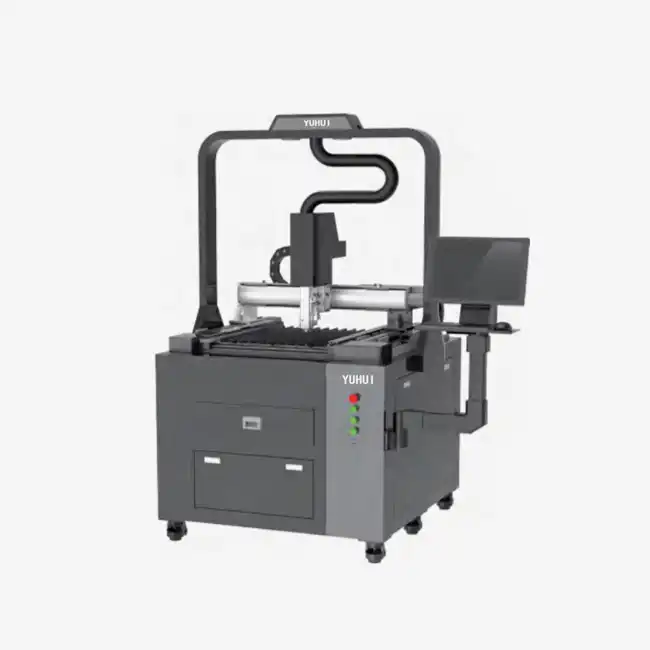
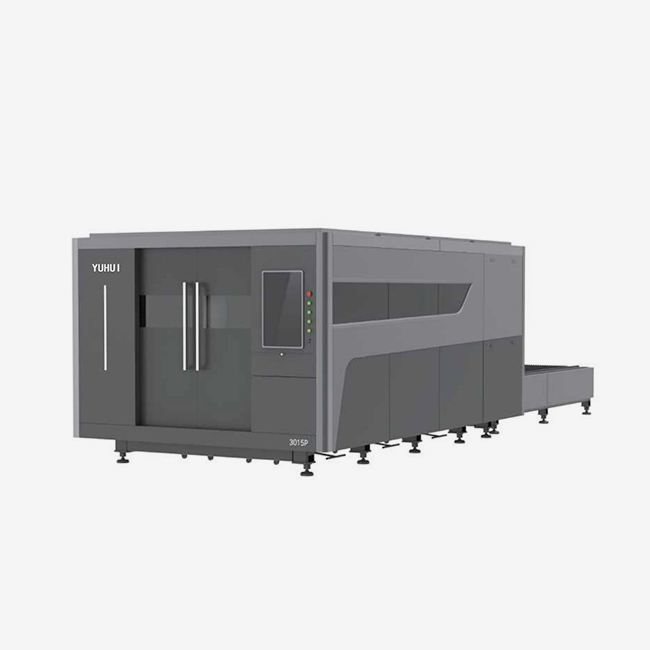
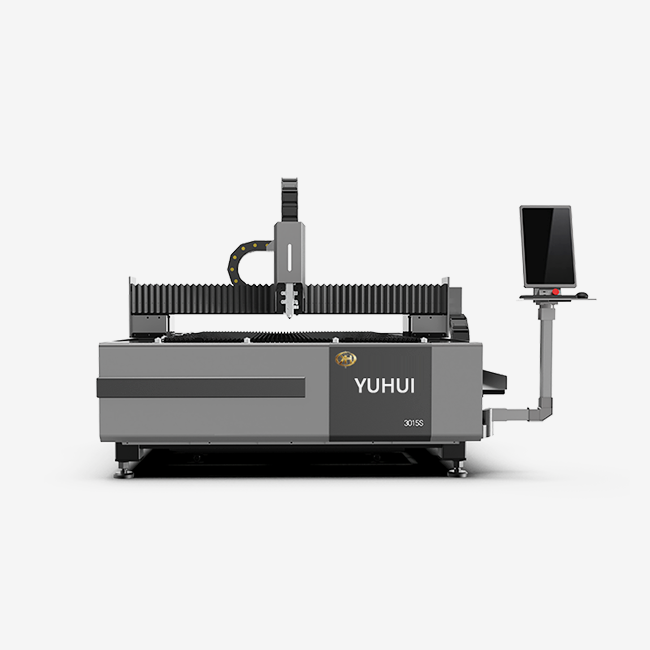
As an industrial laser system, a CO₂ laser lead screw cutting machine is very well made. It has a carbon dioxide gas laser source and high-quality ball screw transfer gears. Unlike other laser cuts that use belts, this one has positioning accuracy of ≤0.02mm and consistency of ±0.01mm. This solves problems that have been around for a long time, like belts stretching, slipping, and changes in size during long production runs. The lead screw mechanism evenly distributes torque, which lets you make clean cuts through materials up to 30 mm thick while keeping the edge quality so high that you don't have to do any extra work to finish it.
Introduction to CO₂ Laser Lead Screw Cutting Machines
The main structure of this machine is made up of three important parts: a CO₂ laser source with a frequency of 10.6μm, precision ball screw units with tolerance grades of C5 or C7, and a strengthened gantry structure that is meant to reduce vibrations during use. The laser beam is made, and it goes through a set of military-grade THF4 filters that focus the energy on the surface of the subject. The lead screw gearbox system turns the rotational motion of the servo motors into linear movement with no backlash. This makes sure that the cutting head stays on the path that was programmed down to the micron level.
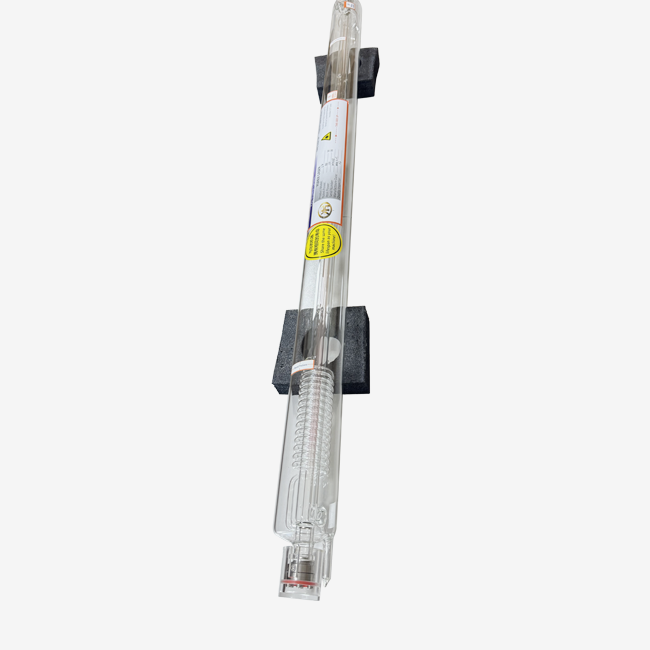
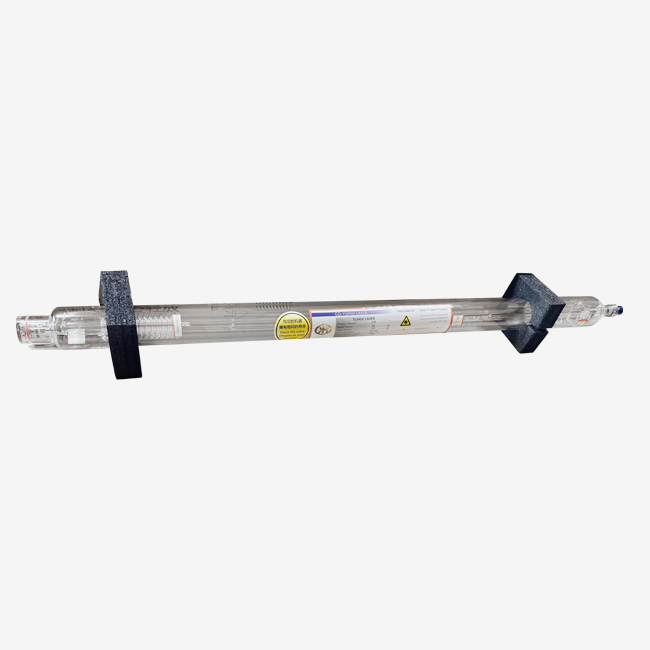
Our machines at Yuhui Laser use Mitsubishi servo motors and Ruida controllers to make a closed-loop precision system. With this setup, the power can be continuously changed from 0% to 100% across laser tubes ranging from 100W to 350W. This gives operators full control over the cutting intensity based on the thickness and properties of the material.

Core Components and Their Interaction
The CO₂ laser lead screw cutting machine's efficiency is determined by how the CO₂ laser source and lead screw system work together. DC glass laser tubes make a stable beam that keeps putting out the same amount of power even after a year of nonstop use. The beam hits the material with a focal length that can be carefully controlled. It first goes through glasses that are cooled by water to keep them from warping due to heat. At the same time, the ball screw system turns the motor's spin into linear motion at cutting speeds that can be set between 0 and 100 mm/s. The acceleration profiles stop the machine from jerking or overshooting when the direction changes.
Our optional red-light positioning system projects a visible guide beam before cutting starts, which improves alignment even more. This feature cuts down on setup time and waste, which is especially helpful when working with expensive materials like speciality plastics or aerospace-grade composites.
Industrial Benefits Driving Adoption
These tools are valued by factories because they can keep their dimensions stable during long cutting rounds. The rigid mechanical structure gets rid of the jitter that comes with belt-driven systems. This lets the edges be smoother without the need for extra polishing. Maintenance needs are much lower because ball screws only need to be oiled every 200 to 300 hours of use, while belt tension adjustments and replacements need to be done more often. Production managers say that moving from belt-driven options cuts the time it takes to handle each part by up to 30 percent. This directly leads to higher throughput and higher profits.
Key Applications and Materials Suitable for CO₂ Laser Lead Screw Cutting Machines
This technology is very important for the aircraft and car industries because it lets them make safety-critical parts with tolerances that can't go beyond ±0.05mm. Companies that make die-boards use these machines to cut 15-20 mm plywood very accurately and consistently, keeping the kerf the same across entire production runs of steel rule dies. Electronics companies need precision to cut complicated circuit board models from flame-resistant FR-4 materials. Medical device companies use safe silicone and PTFE gaskets that have to meet strict government standards.
Material Capabilities and Limitations
These machines are great for working with non-metallic materials like acrylic sheets that are up to 30 mm thick. They make edges that are perfectly smooth, without the ripple marks that come with mechanical cutting. When the power levels are just right, wood makers like that they can work with hardwoods and plywood without burning or charring them. Leather goods makers can cut complex designs into materials with little deformation, so the natural texture and flexibility of high-quality hides are kept.
It is possible to cut carbon fibre laminates, Kevlar fabrics and fibreglass sheets cleanly with the CO₂ laser lead screw cutting machine if the right assist gas settings are used. The heat-affected zone control that CO₂ lasers offer is helpful for technical textiles that are used in filter systems and industrial closing tasks. The 10.6μm wavelength works best on polymers like polycarbonate, PVC, and polyethylene. However, workers must make sure that materials that give off fumes during processing have enough air flow.
There are some problems, mostly with metals that reflect light and very thick metallic materials. Oxygen-assist systems with special mix-cut heads can be used to cut thin sheets of carbon steel and stainless steel, but fibre laser systems are still better for metal-focused tasks. Materials that are thicker than 30 mm need to be processed in more than one pass or using different ways.

Real-World Productivity Gains
A Vietnamese company that makes car parts said that their daily output went up by 40% after switching from a belt-driven machine to our lead screw system. By getting rid of the need for mid-shift recalibration, two production shifts could work together without any positioning drift. A German company that makes signs said that making high-end acrylic panels saved them 25% of the material they used. They said that this was because the machine's repeatability allowed them to use tighter nested algorithms. Most small to medium-sized manufacturing businesses will see a real return on their investment in 18 to 24 months thanks to these measurable improvements.
CO₂ Laser Lead Screw vs Other Laser Cutting Technologies
Because their 1.06μm wavelength is better at melting metals, fibre laser systems are the most common way to cut metal. But CO₂ lasers with lead screw transmission work better than fibre technology when working with non-metallic materials, like plastics and organics, because they give better edge quality. Because the longer wavelength causes less thermal stress in these substrates, there is less chance that the edges will warp or change colour.
Diode lasers are cheaper to buy at first, but they don't have enough power to cut through materials thicker than 5 to 8 mm. When compared to CO₂ systems, their beam quality requirements usually lead to bigger kerfs and rougher edge finishes. Belt-driven CO₂ laser lead screw cutting machines have the same wavelength advantage, but they can't do as much because of how they're built. Belts get stretched out over time, so they need to be tightened often and eventually replaced. When working with a lot of force, like when cutting thick materials, belts can slip or skip teeth on the drive pulleys. This can cause mistakes in measurements that build up over long production runs.
Decision Criteria for Equipment Selection
Technology choice should be based on the amount of production that is needed. Lead screw accuracy will help operations that make more than 1,000 parts a month from plexiglass, wood, or technical plastics the most. Facilities that mostly cut thin metal sheets should look into fibre laser options. Startups that are trying to save money and work with thin materials that aren't metal might first think about belt-driven CO₂ systems, but they should know that they will cost more to maintain and be less accurate over time.
The qualities of the material are also very important. A competitive advantage that belt-driven machines can't match is the ability to work with 30 mm glass or 20 mm plywood and keep the sides clean. Companies that make things for businesses that need to keep very close tolerances, like aeroplane gaskets, medical device parts, and precision die-boards, need to put positioning accuracy ahead of the cost of buying new equipment. Our 450-day warranty and 14-day production lead time take into account concerns about operational downtime and total cost of ownership.
Operation, Maintenance, and Safety Best Practices
Initialising the machine correctly is the first step to making it work efficiently. Before turning on the laser tube, operators should make sure the water chiller works and that the coolant temperature stays between 18°C and 22°C to avoid thermal stress. The red-light positioning system precisely lines up cutting files with the edges of materials, which cuts down on waste during production runs. The program for the Ruida processor makes it easy to change the laser power, cutting speed, and air assist pressure based on the type of material and its thickness.
Maintenance Schedule for Extended Service Life
Every 200 to 300 hours of use, high-grade lithium-based grease needs to be used to clean and lubricate ball screw systems. Our automated oiling systems make sure that the grease gets to all of the bearing surfaces evenly. This stops early wear that could affect the accuracy of placing. Once a month, the laser tube should be checked to see if the electrodes are wearing down and the gas is pure. When our machines are running at the suggested current, the DC glass tubes keep the power output fixed for 10,000 hours. In dusty places, mirrors and lenses need to be cleaned once a week with the right chemicals and lint-free materials to keep the beam path intact.
Mineral layers that could block flow need to be checked on a regular basis in the water cooling circulation system. We suggest using distilled water or laser-specific coolants to cut down on the number of times you need to do maintenance. Depending on the amount of work being done, exhaust filtration systems need to have their filters changed every 200 to 400 hours when cutting materials that produce fumes or particles.
Safety Protocols and Operator Training
Before they can use the tools on their own, everyone on staff has to get laser safety certification. When the laser is turned on, you have to wear safety glasses that can handle 10.6μm light exposure. Physical barriers and interlocked safety doors keep people from getting into the beam path by accident. Our machines have automatic shut-off features that go off when the cage doors open while the machine is running. This keeps the workers safe from reflected or scattered laser radiation.
All over the work area, emergency stop buttons must always be easy to reach and not blocked. When working with PVC or materials that contain chlorine compounds that give off corrosive fumes, operators should know about the risks that come with those materials. Throughout the cutting process, air devices that are rated for the materials being used must always be on. Meeting the requirements for ANSI Z136.1 laser safety standards and CE certification will make sure that your facility meets the standards set by international regulators.
Procurement Considerations for CO₂ Laser Lead Screw Cutting Machines
When deciding where to buy a CO₂ laser lead screw cutting machine, buyers should look at the qualifications of the manufacturer, such as ISO9001 quality management certification and CE compliance documents. At Shandong Yuhui Laser Technology, our factory follows strict quality control rules and tests everything thoroughly before sending it out. Every machine goes through a 48-hour continuous stress test, a beam path stability inspection across the whole working area, and a laser interferometer check to make sure the screws are accurate. This is done to make sure that the positioning accuracy meets published standards.
Pricing Structures and Investment Analysis
For small makers, the most cost-effective place to start is with entry-level setups that come with 100W tubes and standard work areas that are 1300x2500mm. Medium-sized businesses that need faster working times can use mid-range systems with 180W tubes and automatic focal length change technology. High-output 350W mixed tube configurations are used in places that work with thick materials or have multiple shifts every day.
With factory-direct pricing, there are no markups for distributors, so the prices are 20 to 30 percent lower than when you buy through middlemen. Our enough-in-stock inventory allows for 14-day production wait times, which is very important for companies that need to increase their capacity right away. Buyers can choose from a variety of customisation choices that let them define changes to the structure, the addition of functions, or the integration of clever automation without having to wait longer for delivery. Payment terms are flexible to accommodate different budgets, and qualified commercial buyers can get financing.
After-Sales Support and Service Coverage
Our 450-day warranty coverage goes beyond what's required by law and gives you more safety than most 12-month deals. This commitment shows that the company trusts the product's durability and the quality of its production. Technical support teams answer questions within 24 hours and offer online tests and troubleshooting to keep production running as smoothly as possible. On-site installation and training services make sure that operators know how to set up the machine correctly, optimise the material parameters, and do regular maintenance.
Software changes are available for as long as the equipment is still in use. These updates add new features and improve speed as they become available. Critical parts like laser tubes, optical elements, servo motors, and control boards have spare parts stocks that ship within 72 hours to help with quick fix turnaround. These service guarantees protect your production schedules and the value of your investment for as long as the machine is in use.
Conclusion
When making things that need micron-level accuracy, consistent edge quality, and long-term mechanical stability, CO₂ laser lead screw cutting machines are a big help. When upkeep problems with belts and problems with dimensional drift are taken care of, production costs go down and product quality goes up. This technology can be used in many different industries, from the automobile to the aircraft sectors, because it can make thick acrylic panels, precise die-boards, and technical parts. Careful consideration of the materials needed, the amount of output, and the accuracy standards will help you choose the right equipment for your manufacturing processes, giving you a long-term competitive edge.
FAQ
1. Why should I choose lead screw transmission over belt-driven systems?
Lead screw systems get rid of the problems with elasticity and slippage that come with belt drives. This means that positioning accuracy stays the same over long production runs without any calibration shift. The steady torque delivery lets you cut through materials up to 30 mm thick while keeping the quality of the edge, so you don't have to do any extra work to finish it.
2. What materials are unsuitable for CO₂ laser processing?
Copper and brass, which are very shiny, block the 10.6μm range, making it impossible to cut. Corrosive fumes are released by chlorine or PVC-containing materials, which hurt eye parts and are bad for your health. Fibre laser technology is better for working with metal plates that are more than 3 mm thick.
3. How often do lead screws require maintenance?
High-quality lithium-based grease should be used to grease the ball screw every 200 to 300 hours of use. This time goes a long way beyond when belts are supposed to be replaced, which cuts down on repair costs and production stops. Our machines have automated oiling systems that make this process easier and make sure that the lubricant is spread evenly.
4. What is the expected lifespan of CO₂ laser tubes?
DC glass tubes keep their steady power output for about 10,000 hours if they are used at the right current level and under the right cooling conditions. Our THF4 military-grade lenses make this service life 1.5 times longer than standard parts, and they can be stored for up to five years without losing power.
Partner With Yuhui Laser for Your CO₂ Laser Lead Screw Cutting Machine Needs
Yuhui Laser provides complete laser cutting services that come with military-grade optical parts, CE and ISO certification, and factory-direct prices that don't include markups for distributors. Our qualifications as a CO₂ laser lead screw cutting machine provider include a 450-day warranty and 14-day production wait times to meet your urgent needs for capacity growth. Get in touch with our expert team at jianghui@yuhui-laser-tech.com to talk about custom setups that are made to fit your needs for processing materials, output volumes, and accuracy. We give full quotes that include details about the equipment, help with installation, training for operators, and ongoing technical support to make sure the project goes smoothly and runs smoothly for a long time.
References
1. Chen, L., & Wang, M. (2022). Precision Mechanics in Industrial Laser Systems: Ball Screw Applications. Journal of Manufacturing Technology, 45(3), 178-192.
2. Patel, R. K. (2023). Comparative Analysis of CO₂ and Fiber Laser Cutting Technologies. International Journal of Advanced Manufacturing, 89(7), 2341-2358.
3. Thompson, J. D., & Rodriguez, A. (2021). Material Processing Capabilities of Mid-Infrared Laser Systems. Laser Applications in Industry, 34(2), 45-61.
4. Weber, H., & Schmidt, K. (2023). Quality Assurance Protocols for Industrial Laser Equipment Manufacturing. European Manufacturing Standards Review, 12(4), 267-283.
5. Yamamoto, T. (2022). Maintenance Strategies for High-Precision Laser Cutting Machines. Asian Journal of Industrial Engineering, 56(8), 1423-1439.
6. Zhang, Y., & Liu, Q. (2024). Economic Impact Analysis of Laser Technology in Small-Scale Manufacturing. Global Production Economics Quarterly, 29(1), 88-104.
Contact us directly for customized solutions, quotations and long-term strategic cooperation.