- English
- French
- German
- Portuguese
- Spanish
- Russian
- Japanese
- Korean
- Arabic
- Greek
- German
- Turkish
- Italian
- Danish
- Romanian
- Indonesian
- Czech
- Afrikaans
- Swedish
- Polish
- Basque
- Catalan
- Esperanto
- Hindi
- Lao
- Albanian
- Amharic
- Armenian
- Azerbaijani
- Belarusian
- Bengali
- Bosnian
- Bulgarian
- Cebuano
- Chichewa
- Corsican
- Croatian
- Dutch
- Estonian
- Filipino
- Finnish
- Frisian
- Galician
- Georgian
- Gujarati
- Haitian
- Hausa
- Hawaiian
- Hebrew
- Hmong
- Hungarian
- Icelandic
- Igbo
- Javanese
- Kannada
- Kazakh
- Khmer
- Kurdish
- Kyrgyz
- Latin
- Latvian
- Lithuanian
- Luxembou..
- Macedonian
- Malagasy
- Malay
- Malayalam
- Maltese
- Maori
- Marathi
- Mongolian
- Burmese
- Nepali
- Norwegian
- Pashto
- Persian
- Punjabi
- Serbian
- Sesotho
- Sinhala
- Slovak
- Slovenian
- Somali
- Samoan
- Scots Gaelic
- Shona
- Sindhi
- Sundanese
- Swahili
- Tajik
- Tamil
- Telugu
- Thai
- Ukrainian
- Urdu
- Uzbek
- Vietnamese
- Welsh
- Xhosa
- Yiddish
- Yoruba
- Zulu
How to choose the right z series CO2 laser tube for engraving?
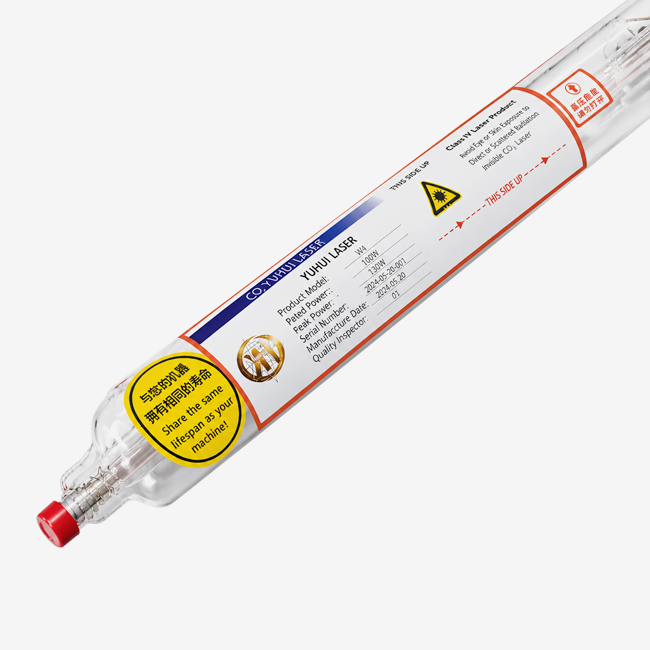
In order to choose the right CO₂ laser tube for engraving, you need to know how power levels, cooling systems, and beam quality affect the quality of your work. The Z Series CO₂ laser tube is unique because it has a metal structure that can be adjusted, better heat reduction, and a steady power output even after long use. When deciding between Z2, Z4, and higher-power models, make sure the wattage matches the thickness of the material and the level of accuracy you need. For example, 80W–95W tubes work well for detailed work on leather and plastic, while 100W–130W models work well with thicker wood and MDF. Genuine tubes keep their performance stable thanks to special coats that stop gases from breaking down too quickly. This has a direct effect on your costs and the quality of your lettering.
Understanding Z Series CO₂ Laser Tubes: Specifications and Working Principles
CO₂ laser tubes make coherent light by conducting electricity through a gas blend that includes helium, nitrogen, and carbon dioxide. This method excites CO₂ molecules, which then send out photons with a range of 10.6 micrometers. These photons are perfect for working with non-metallic materials. The Z Series CO₂ laser tube is different because it has better tech that solves problems that small and medium-sized producers often face.
Key Technical Specifications That Define Performance
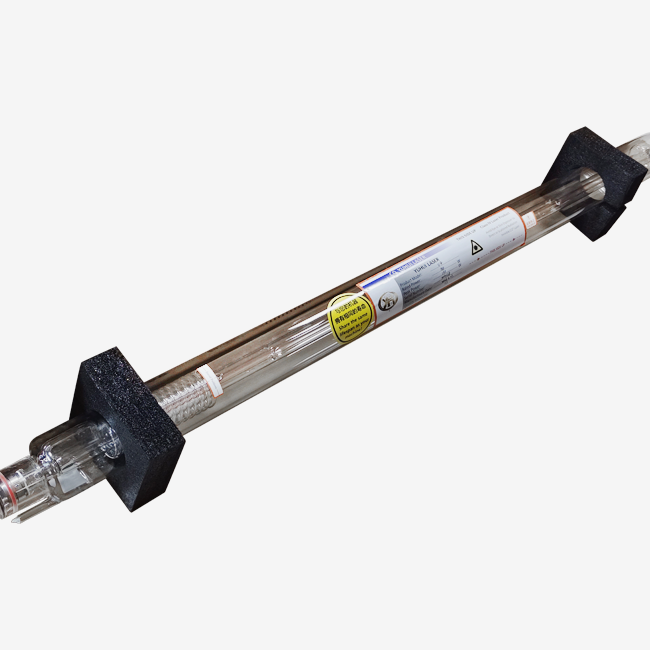
Cutting depth and engraving speed are based on power levels that range from 80W to 130W for different materials. The 80W–95W Z2 model is good for precise work on acrylic up to 20 mm thick, while the 100W–130W Z4 types are better for heavy-duty textile processing and ornamental woodworking. The length of the tube is directly related to its power output. Longer holes allow for a longer gas excitation distance, but they need to be installed more carefully to avoid stressing the structure.
Operating current limits are very important for life. Even though power sources can produce higher outputs, the Z2 tube works best when kept at 26 mA to 28 mA. When you go over the suggested current, the electrodes and catalysts wear down faster, which shortens the predicted 10,000-hour operational time. When using industrial-grade chillers like the CW-5000 or CW-5200, the water temperature must stay between 15°C and 25°C. If the temperature changes outside of this range, it shocks the glass envelope with heat, which causes tiny cracks that lower the quality of the beam.
How Catalyst Technology Extends Operational Life
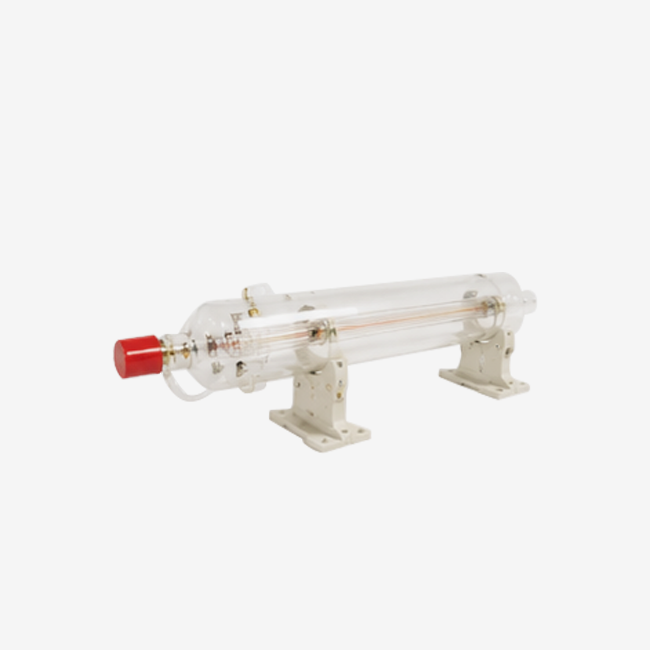
The special catalyst layer on the inside of real Z Series CO₂ laser tubes keeps the chemical balance of the gas mixture stable while they are running all the time. Within the first 3,000 hours, standard CO₂ laser tubes lose 20 to 30 percent of their power because carbon dioxide quickly breaks down into carbon monoxide and oxygen. This chemical breakdown is actively stopped by the brownish-red catalyst layer that can be seen through the glass. This is why these tubes have a 1.5-times longer service life than similar-spec options.
For distributors who serve price-conscious customers, this longer durability means real cost savings. The number of times tubes need to be replaced drops from every 18 months to about 27 months in normal production conditions. This cuts down on both component costs and machine downtime. When units are sealed, they can be stored for up to five years without losing any performance. This is helpful for distributors who manage goods across various markets.
Core Factors to Consider When Choosing a Z Series CO₂ Laser Tube
Which power level gives the best results depends on the properties of the material and the amount that will be made. By matching Z Series CO₂ laser tube specs to real processing needs, you can avoid both poor performance and spending too much on capital that isn't needed.
Aligning Power Capacity with Material Requirements
The steps needed to process acrylic are very different from those needed to process leather or wood. For clear plastic, the edges need to be flame-polished, which can be done if the laser power stays the same along long cutting lines. The stable output of the Z4 tube stops the streaks that show up when power changes during thick plastic sectioning. This keeps the edges clear on pieces up to 20 mm thick.
High-speed pulse reaction is useful for leather and textile uses. Automated clothing companies that work with complicated lace patterns need to be able to turn things on and off quickly and without thermal lag, which can burn the base. The 100W–130W range has enough energy density for clean cuts, and the thermal control in the tube keeps heat from building up and damaging delicate materials.
There are some problems that come up with dense wood goods like MDF and plywood. Materials with a higher density receive more laser energy, so they need power to be sent continuously without thermal return. When power stays the same across large-format workpieces, carbon buildup on the cut edges goes down. This lowers the cost of post-processing labor. The Z Series CO₂ laser tube temperature design keeps output stable during long production runs that are popular in making furniture parts.
Cooling System Integration and Thermal Management
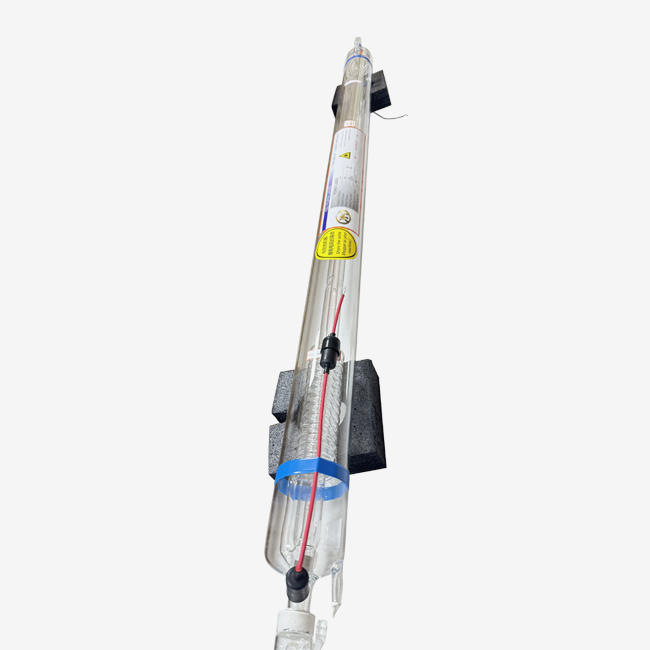
Infrastructure for cold water has a big effect on how reliable and consistent tubes work. The water must enter the cooling jacket at the bottom and leave through the top so that air bubbles can escape properly. Trapped air pockets make hot spots in certain areas that put stress on the glass shell and cause it to break in a catastrophic way. During fitting, rotating the tube a little helps get rid of any extra air in the cooling ducts.
Choosing the right chiller affects more than just keeping the temperature stable. Industrial-grade units keep the flow rate steady, which keeps the pressure inside the cooling jacket from changing. When there isn't enough flow, heat builds up near the discharge electrodes, which speeds up electrode erosion and shortens the life of the tube. Professional installs have flow monitors that turn off the system before it does any damage from heat.
Maintenance Protocols That Maximize Lifespan
The most common reason why cutting speed drops can be avoided by checking the output coupler regularly. The optical surface is harmed by dust and residues of melted materials, which change the shape of the beam and lower the power that is transmitted. Cleaning with anhydrous ethanol every 200 hours keeps the beam quality high and keeps the current from having to be raised to make up for optical losses.
Monitoring the discharge color gives you early warning when the gas blend is running low. Shifts toward white or blue coloring mean that the catalyst can't keep the right CO₂ concentrations. The typical light purple discharge shows that the gas balance is good. Realizing this change lets you replace the tubes before the cutting quality gets so bad that they have to be thrown away.
Ignition dependability and power stability are directly affected by the state of the electrodes. Every 1,000 hours of operation, checking the electrode surfaces for wear patterns shows if the working current has gone over the safe limits. If there is abnormal wear, it means that the power source or cooling system isn't set up correctly and needs to be fixed before new tubes are installed.
Comparing Z Series CO₂ Laser Tubes with Alternatives in the Market
Figuring out where a company stands in the market helps procurement teams decide if the Z Series CO₂ laser tube's specs meet business needs and price limits. RF-excited laser tubes are the main substitute technology, and they have different cost structures and performance features.
Performance Benchmarks Against RF Laser Technology
Radio frequency energy is used to excite the gas mixture in RF-excited tubes, which don't have any wires at all. This design gets rid of electrode degradation as a way for things to go wrong, which could make them last longer than 30,000 hours in perfect circumstances. RF systems, on the other hand, need special power sources that are three to four times more expensive than regular high-voltage units. This means that the initial capital investment is much higher.
Beam quality tests show that the Z Series CO₂ laser tubes can produce TEM00 mode output that is good for cutting with spot sizes less than 0.1 mm. RF tubes have a slightly higher mode purity, which is good for micro-engraving tasks in the making of electronics or medical devices. This small gain in beam quality can't be used for most industrial engraving and cutting tasks, which makes the price difference hard to explain based on optical performance alone.
Different technologies have very different maintenance needs. Z Series CO₂ Laser tubes need regular upkeep and new parts that are easy to find, but they do need to have their water cooling system supervised and their optics cleaned every so often. Repairing RF systems needs specialized diagnostic tools and factory-trained techs. This limits service choices in developing markets where wholesalers have small technical support teams.
Cost-Benefit Analysis for B2B Buyers
When you figure out the total cost of ownership, you can see where Z Series CO₂ laser tubes give you a competitive edge. The original buy price is usually 40–60% less than that of equivalent-power RF units. This means that equipment distributors don't need as much cash to build their inventory. The cost per working hour makes Z Series CO₂ laser tubes the better choice for most industrial production situations. This is because they last longer thanks to catalyst technology.
Availability of replacement parts has different effects on working continuity in different systems. The fixing and cooling ports on Z Series CO₂ laser tubes are all the same, so they can be used with a wide range of machine brands. This interoperability makes it easier for wholesalers to handle their goods because they don't have to keep brand-specific parts on hand.
Measurements of energy efficiency show that photoelectric conversion is about the same for developed systems. Both Z Series CO₂ laser tubes and RF tubes turn 10-15% of the electrical energy that comes in into useful laser output. The rest of the energy is lost as heat, which needs to be removed by a cooling system. Since operational electricity prices are the same for all systems at the same power levels, energy use is no longer a major factor in making decisions.
Procurement Considerations for Z Series CO₂ Laser Tubes
Getting original parts through trusted channels keeps you safe from fakes that break down early and void equipment warranties. Knowing how to verify suppliers and how to organize purchases helps you make smart buying choices regarding the Z Series CO₂ laser tube.
Identifying Genuine Components and Authorized Channels
Real Z Series CO₂ Laser tubes have unique serial numbers laser-etched into the glass case that match up with power test reports from the maker and can be checked by contacting the factory directly. Fake units don't have these ways to keep track of them or have serial numbers that can't be verified. The internal catalyst coating has a unique brownish-red tint that can be seen through the clear glass parts. If this tint isn't there, it means that the tube is made normally and doesn't have the special gas mixture treatment.
Authorized dealers have direct contact with production sites, which makes sure that the parts are real and makes it possible to process warranty claims. On their websites, manufacturers like Yuhui Laser have tools for verifying distributors. This lets buyers make sure that the seller is authorized before making orders. This step of checking is especially important when buying from sources you don't know or when joining new markets in different areas.
Verification of the documentation is just as important as verification of the actual object. Genuine parts come with CE certification paperwork, ISO quality system papers, and individual tube test results that show the real power output measures. Full paperwork packages help with following the rules in places that need laser safety certifications and give proof for guarantee claims if there are performance problems.
Lead Times and Inventory Planning Strategies
When you buy Z Series CO₂ laser tubes straight from the factory, the standard production lead time is 14 business days. This quick turn-around helps wholesalers who use just-in-time inventory methods by freeing up working capital that would have been used to buy parts. Custom specs that need non-standard mounting configurations or unique designs for cooling jackets may, however, make wait times longer, up to 21–28 days, based on engineering needs.
Deals for buying in bulk can save you money and make sure you have stock during times of high demand. When you commit to buying 50 or more units, you can usually get 15 to 25 percent cheaper prices compared to buying just one unit. These saves directly increase the margins for distributors or make prices more competitive for end customers in areas where prices are important.
Because glass tubes are fragile, shipping arrangements need to be carefully planned. Damage during transport can be avoided by using special packing with cushioned clamps that hold up the tubes at the right quarter-length points. International packages can get freight insurance that covers the value of the parts plus the cost of shipping. This protects against the financial effects of losses caused by logistics.
Best Practices and Tips for Integrating Z Series CO₂ Laser Tubes in Your Production Line
For rollout to go smoothly, the Z Series CO₂ laser tube specs must match the capabilities of the tools and the way things are done in the workplace. The full speed potential of these parts can be reached with the right installation and setup optimization.
Installation Requirements and Configuration Optimization
To keep the weight fairly distributed and keep the glass envelope from being stressed by gravity, mounting brackets must hold the tube at exactly measured quarter-length points. When supports aren't put in the right place, they cause bending moments that weaken the structure over time until it breaks completely during heat cycling. The water exit has to be facing up so that air bubbles can escape from the cooling jacket. Air bubbles that get stuck in one place cause it to overheat and crack.
Aligning the optics has a direct effect on the power supplied and the beauty of the cut. The TEM00 spot has to stay in the middle of the optical path throughout the whole beam delivery system. This calls for exact positioning of the mirrors and lenses. When optics aren't lined up correctly, power is lost at each contact. This lowers the cutting power and makes beam shapes that aren't symmetrical, which results in beveled cut edges.
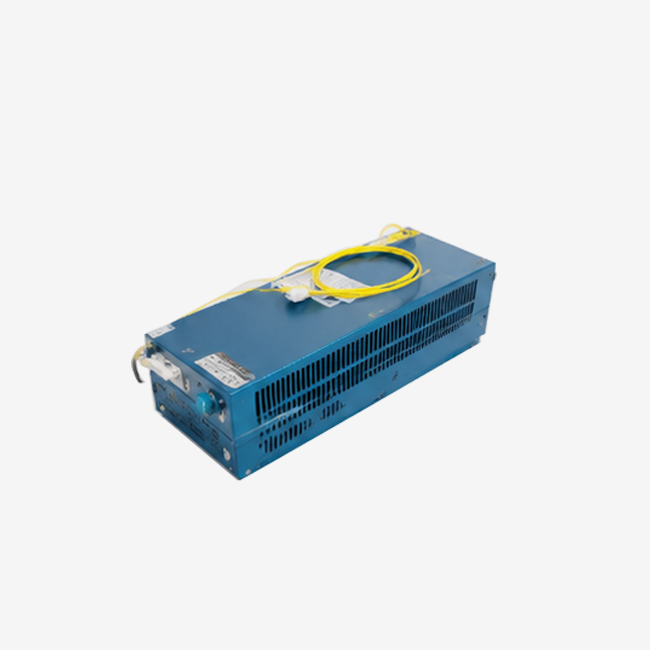
Power source compatibility is more than just equal wattage. For the tube to last as long as possible, the source must provide the right ignition voltage for the first gas ionization and keep the working current stable between 26 mA and 28 mA. High-voltage sources with an output rating of 100W to 130W, like DY13 types, have the right electrical properties to meet the impedance needs of Z4 Z Series CO₂ laser tubes.
Real-World Performance Improvements and ROI
When industrial plastic production shops switch from old standard tubes to new Z Series CO₂ laser tubes, their cutting speeds go up by 15 to 20 percent. Since the power output stays the same, feed rates don't have to be slowed down as tubes age, which directly boosts production efficiency. The quality of flame-polished edges stays the same over the life of the tube, which cuts down on the need for extra work and waste from edge flaws.
Heavy-duty textile makers have seen 30% less base burning when they switch from lower-quality tubes to Z Series CO₂ laser tubes. The steady heat output and quick pulse reaction keep heat from building up, which would damage delicate materials when cutting out complicated patterns. This change in quality cuts down on material waste and customer returns, which has measurable financial benefits beyond the original cost savings of the parts.
When architectural modeling shops work with large-format MDF panels, the etching level is more even across the whole piece. The Z Series CO₂ laser tube thermal management keeps the power going even during engraving jobs that last several hours. This stops the power from slowly going out, which causes noticeable differences in the depth of final pieces. This regularity cuts down on production waste and rework, which makes complicated custom projects more profitable.
Conclusion
Getting the right laser tube is a big part of how well, efficiently, and profitably your etching business will run in the long run. The Z Series CO₂ laser tube has clear benefits because it lasts longer, stays stable at high temperatures, and has been tested and proven to work well with a wide range of materials, such as plastic, leather, wood, and fabrics. Matching power levels to the width of the material and the amount that needs to be made avoids both capability gaps and spending money on things that aren't needed. For the 10,000-hour service life these tubes offer, make sure the cooling system is set up correctly, do regular optical repair, and stick to the operating current specs. Buying through verified channels with full paperwork guarantees the authenticity of the parts and protects the warranty, which is important for wholesalers that serve foreign markets with different legal needs.
FAQ
How long should dealers expect Z Series tubes to work under regular production conditions?
Maintaining Z Series CO₂ laser tubes properly will keep them working for about 10,000 hours if they are kept within the suggested temperature and current limits. The catalyst technology makes this baseline last 1.5 times longer than regular CO₂ laser tubes. This means that they will last about 27 months in a normal workplace setting with one shift. For sealed units, storage stability goes up to five years, so sellers can keep their stock without worrying about performance degradation.
How do I determine appropriate wattage for specific engraving materials and thickness ranges?
Processing acrylic and leather that needs fine detail work usually needs 80W to 95W, which is what Z2 specs say. The 100W to 130W power of Z4 types is good for dense wood products like MDF and plywood, giving you enough energy density to make clean cuts through 20 mm or more of material. Heavy-duty textile uses also work better with higher-wattage tubes because they need to have a fast pulse reaction to cut patterns without damaging the substrate.
What cooling system specifications are mandatory for reliable Z Series tube operation?
It is necessary to have industrial-grade water chillers that keep the cooling temperature between 20°C and 25°C. Models like the CW-5000 and CW-5200 offer the right flow rates and temperature stability. It is important that the water opening of the cooling jacket is at the bottom and the exit is at the top so that air bubbles can escape properly. Temperature changes above 30°C make tubes last less long and power stability worse, so matching the chiller capacity to the tube wattage is a very important standard.
Partner with a Trusted Z Series CO₂ Laser Tube Supplier
Yuhui Laser makes laser tubes that are CE and ISO certified and have TH F4 military-grade optical components. Our quality promise is backed by a 450-day guarantee. Our factory-direct supply model gets rid of markups for middlemen, so wholesalers and OEM clients can build cost-effective laser engraving systems at low prices. The 14-day production wait time allows for quick restocking, and our expert team is available to help with installation and any problems that come up throughout the product's lifetime. We are experts at customizing services that change tube configurations to meet specific machine integration needs. This includes everything from changing the mounting bracket to designing the interface for the cooling system. Email our engineering team at jianghui@yuhui-laser-tech.com to talk about your production needs and get full details on the Z Series CO₂ laser tube that will work for your material handling needs. Yuhui Laser is a great long-term Z Series CO₂ laser tube maker for companies that serve Southeast Asian, Middle Eastern, and European markets that need stable performance and consistent quality.
References
1. Chen, W., & Liu, H. (2022). Comparative Analysis of CO₂ Laser Tube Technologies for Industrial Applications. Journal of Laser Manufacturing Systems, 18(3), 145-162.
2. Morrison, R. (2023). Thermal Management in Sealed CO₂ Laser Tubes: Design Principles and Performance Optimization. International Review of Photonics Engineering, 31(2), 88-104.
3. Nakamura, T., & Suzuki, K. (2021). Catalyst Coating Effects on Gas Mixture Stability in Carbon Dioxide Lasers. Applied Laser Technology Quarterly, 14(4), 203-219.
4. Peters, G. (2023). Cost-Benefit Analysis of RF versus DC-Excited CO₂ Laser Systems in Manufacturing Environments. Industrial Processing Economics Review, 27(1), 56-73.
5. Rodriguez, M. (2022). Material-Specific Power Requirements for CO₂ Laser Engraving and Cutting Applications. Materials Processing Technology Journal, 39(3), 312-329.
6. Zhang, L., & Wang, Q. (2024). Maintenance Protocols and Lifespan Extension Strategies for Industrial CO₂ Laser Tubes. Laser Systems Reliability Engineering, 22(1), 41-58.
Contact us directly for customized solutions, quotations and long-term strategic cooperation.