- English
- French
- German
- Portuguese
- Spanish
- Russian
- Japanese
- Korean
- Arabic
- Greek
- German
- Turkish
- Italian
- Danish
- Romanian
- Indonesian
- Czech
- Afrikaans
- Swedish
- Polish
- Basque
- Catalan
- Esperanto
- Hindi
- Lao
- Albanian
- Amharic
- Armenian
- Azerbaijani
- Belarusian
- Bengali
- Bosnian
- Bulgarian
- Cebuano
- Chichewa
- Corsican
- Croatian
- Dutch
- Estonian
- Filipino
- Finnish
- Frisian
- Galician
- Georgian
- Gujarati
- Haitian
- Hausa
- Hawaiian
- Hebrew
- Hmong
- Hungarian
- Icelandic
- Igbo
- Javanese
- Kannada
- Kazakh
- Khmer
- Kurdish
- Kyrgyz
- Latin
- Latvian
- Lithuanian
- Luxembou..
- Macedonian
- Malagasy
- Malay
- Malayalam
- Maltese
- Maori
- Marathi
- Mongolian
- Burmese
- Nepali
- Norwegian
- Pashto
- Persian
- Punjabi
- Serbian
- Sesotho
- Sinhala
- Slovak
- Slovenian
- Somali
- Samoan
- Scots Gaelic
- Shona
- Sindhi
- Sundanese
- Swahili
- Tajik
- Tamil
- Telugu
- Thai
- Ukrainian
- Urdu
- Uzbek
- Vietnamese
- Welsh
- Xhosa
- Yiddish
- Yoruba
- Zulu
How does a W series CO2 laser tube compare to other laser technologies?
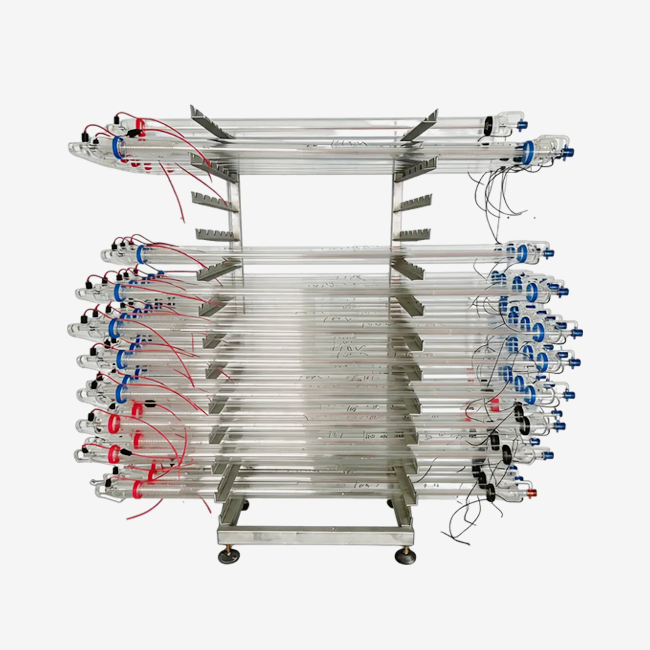
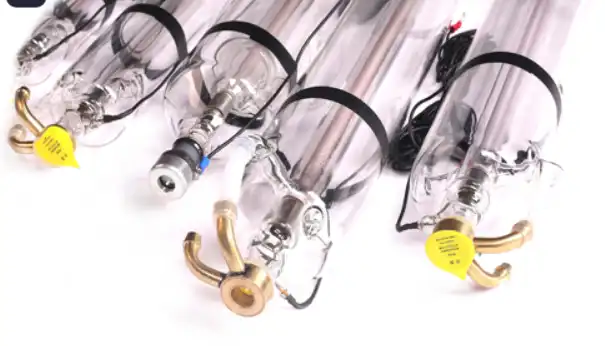
When picking laser tools for business use, it's very important to know how the different laser technologies work. When it comes to accuracy, longevity, and cost-effectiveness, the W Series CO₂ laser tube stands out as the best choice. Unlike simple RF-excited systems or generic glass tubes, the W Series offers constant power output, better beam quality, and a longer lifespan—it lasts 1.5 times longer than many rival models. The adjustable alloy structure and excellent heat absorption design make it stable in use, even after long hours of use. This makes it a good choice for makers who need high-precision scanning, engraving, and efficient cutting across non-metallic materials.
Introduction
The businesses that work with sheet metal, make signs, and do custom etching can't do their jobs without CO₂ laser technology. Choosing the right laser tube has a direct effect on how well the machine works, the quality of the products it makes, and the long-term costs of upkeep. Industrial buyers need machines that work reliably under tight production schedules. This is true for both foreign wholesalers looking for CE-certified machines and metal processing companies that want stable output.
The W Series CO₂ laser tube comes into this market as the best option on the market. It is made with high-tech optical lenses and military-grade parts, and it blends the processing flexibility of regular CO₂ systems with better steadiness and lower energy use. This technology works great for tasks that need to be precise and consistent, like cutting plastic or carving leather. When buying experts know how this tube stacks up against other laser technologies, they can make smart choices that help them meet their production goals and stay within their budgets.
Understanding the W Series CO₂ Laser Tube: Specifications and Working Principles
Core Performance Specifications
The W Series has high-quality beam optics that keep the spot sizes small, which is important for printing with fine details. Power flow stays the same over long production runs, so there aren't many changes that affect the quality of the finished product. The cooling system's needs are designed for continuous operation, which keeps the temperature stable during production plans with multiple shifts. These specs have a direct effect on return on investment because less downtime and upkeep means lower total cost of ownership.
The W Series is expected to last a lot longer than the average in its class. Standard glass tubes usually break down after 8,000 to 10,000 hours of use, but the W Series has a service life that is 1.5 times longer than similar goods. The adjustable metal design makes it last longer because it can handle heat stress better than regular glass housing. Power output degradation is still very low after a year of heavy use, which keeps processes accurate for uses with tight tolerances.
Operational Principles and Component Integration
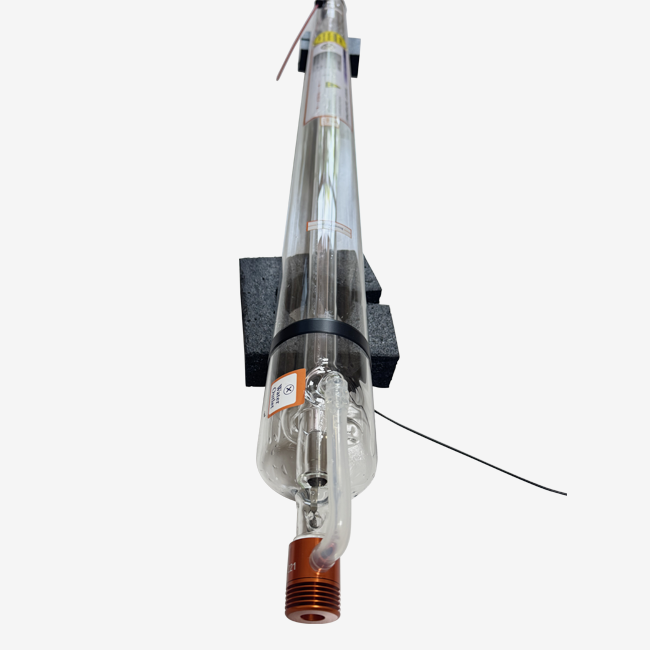
Electricity is used to excite a gas mixture of carbon dioxide, nitrogen, and helium inside a closed tube to make a CO₂ laser. Electrodes with high voltage make a plasma discharge that boosts the release of photons with a frequency of 10.6 microns. Optical resonators, which are made up of mirrors, turn this light into a uniform wave that can be used for engraving and cutting.
Precision-engineered parts in the W Series make this basic process better. The design for heat absorption stops hotspots that would otherwise lower the quality of the beam. Different optical lenses reduce aberrations, making the focus points clearer. This means that finer etching details and smoother cut edges are possible. This combination of parts keeps the efficiency of energy production high, and thermal control makes the system last longer.
Maintenance Strategies for Extended Longevity
Cleaning optical parts on a regular basis keeps dirt and dust from building up and scattering the laser beam. The quality of the cooling water directly affects how long the tubes last. Using pure or deionized water keeps mineral buildup inside the cooling ducts to a minimum. Voltage stability monitoring keeps electrical parts safe from shocks that speed up wear.
Unlike more fragile systems, the W Series CO₂ laser tube is easier to maintain because it is built to last. Its small size makes it easy to put in different laser machine configurations, and its stable performance profile means that alignment changes don't have to be made as often. Buyers get an extended guarantee that covers them for up to 450 days. This shows that the maker is confident in the product's durability.
Comparing W Series CO₂ Laser Tubes with Other Laser Technologies
Material Construction and Energy Efficiency
The housings of traditional glass CO₂ tubes are made of borosilicate glass, which is still easily damaged by heat and pressure. The W Series uses a metal frame that can be adjusted to handle the vibrations and changes in temperature that are common in industrial settings. This choice of material directly improves reliability during shipping and installation, which are very important for foreign wholesalers who are in charge of logistics.
During constant production, differences in energy economy become clear. As electrodes wear down, standard glass tubes slowly lose power, so they need more energy coming in to keep the output going. The W Series CO₂ laser tube's photoelectric conversion efficiency stays fixed over its entire working life, which means it uses less energy. This energy edge builds up over thousands of hours of use, saving producers who are trying to cut costs.
RF-excited CO₂ tubes are a different type of rival device. Even though they last longer than regular glass tubes, many small and medium-sized producers can't afford to buy them because they need complicated power supplies that make them less useful. The W Series is in a good spot because it has durability similar to RF tubes and costs about the same as high-end glass types.
Excitation Methods and Cutting Precision
The way of excitation has a big effect on the quality of the beam. DC-excited glass tubes that are more likely to have electrode corrosion produce less stable output than the W Series' design for improved excitation. When cutting thin acrylic sheets or complex leather designs, where tolerances measured in fractions of millimeters matter, this steadiness has a direct effect on how precisely the cut is made.
The W Series has better edge quality when cutting wood, plywood, or MDF. Fine light spot and high beam quality keep cut lines from getting charred, which cuts down on work that needs to be done after the fact. Non-contact processing keeps material surfaces from getting tool marks, which is important for artistic uses where visual appeal is important. These performance traits meet the main needs of automation developers who want equipment that consistently produces results across different batches of material.
Cost-Benefit Analysis and Brand Reliability
Generic Chinese tube types may say they have lower starting costs, but they actually cost more because they need to be replaced so often and don't always work right. The W Series has a long life—it can be stored for up to 5 years without losing any performance—which keeps buyers from having to replace it too soon. The 450-day product guarantee reduces risk even more, which is important for distributors whose names depend on the reliability of their tools.
Quality certification makes the W Series better than options that aren't approved. Compliance with CE and ISO standards makes sure that the product meets foreign standards for safety and performance. This makes it easier to get the product through customs and get it accepted by customers in North America and Europe. Authorized sellers provide proof that they follow the rules, which protects buyers from fake parts that are common in supply lines that aren't checked as closely.
Procurement Considerations: Where and How to Purchase W Series CO2 Laser Tubes
Sourcing from Authorized Suppliers
When buying laser parts from other countries, authenticity checks become very important. Authorized wholesalers work directly with makers like Shandong Yuhui Laser Technology Co., Ltd. to make sure that products can be tracked and warranties are valid. These partnerships give you access to expert support tools that regular resellers can't match. For example, they can help you with installation and fix problems.
Established makers offer a 14-day lead time that meets pressing production needs without lowering the quality. A large inventory makes it possible to quickly fill basic setups, and the ability to customize meets specific needs. This adaptability is very helpful for OEM buyers who need private name machines or machines with different specs to fit their specific production processes.
Pricing Trends and Bulk Purchasing Benefits
When you buy directly from the factory, you don't have to pay markups to middlemen, which raise prices without adding value. A recent study of the market shows that W Series CO₂ laser tubes offer reasonable prices when compared to performance standards. When buyers place large orders, they can take advantage of tiered price systems that lower the cost per unit even more. This helps distributors who stock a variety of machine setups make the best use of their capital.
Because of proven production capacity and supply chain partnerships, lead times stay the same even during busy manufacturing times. This reliability helps just-in-time inventory tactics work, which lowers warehouse costs and makes sure that parts are available when production plans call for them.
Shipping Logistics and After-Sales Support
Deliveries to Southeast Asia, the Middle East, and Europe are always on time thanks to our strong partnerships with foreign transportation companies. Damage claims are kept to a minimum when fragile optical components are shipped safely in the right packing. Tracking systems let buyers see when shipments are coming and going, which helps them plan installation times and technicians' availability.
Professional sellers are different from transactional dealers because they offer services after the sale. The 450-day after-sales service time includes expert support, replacement parts, and help with fixing problems. This longer coverage time shows that the maker wants to build trust with customers over the long term, rather than just making one sale. This is important for getting customers to buy from them again.
Why Choose W Series CO2 Laser Tubes? Advantages and Market Positioning
There are three main things that make the W Series valuable: consistent performance, low operational costs, and a strong expert support system. The benefits of using less energy lower the costs of handling each part during large production runs. The low failure rate cuts down on unplanned downtime that delays deliveries and makes it harder to get along with customers.
Material flexibility meets a wide range of production needs with a single investment. Cutting plastic sheets for signs, engraving leather for fashion items, and cutting wood for furniture parts can all be done on the same tube. This flexibility is good for job shops that have a lot of different clients because it gets rid of the need for a lot of different methods.
Customer reviews from Southeast Asian manufacturers talk about how the stable power flow lets them work long shifts, which is common in companies that make things to sell. European integrators like how small the structure is, which makes it easier to add to current production lines. These validations from the real world back up technical standards with proof from real-world use.
The W Series CO₂ laser tube can be used in Industry 4.0 factory settings in the future because it works with smart control systems. Software customization lets you keep an eye on things from afar and plan preventative maintenance, which extends the life of your tools by replacing parts before they break. This forward flexibility keeps buyers' investments from becoming useless as manufacturing standards change.
Installation and Maintenance Best Practices for W Series CO₂ Laser Tubes
Installation Procedures for Industrial Environments
Making sure the power source is stable is the first step in a proper operation. When voltage changes outside of certain areas, it hurts computer parts and shortens the life of tubes. Putting in surge breakers and voltage regulators is a must for safety, especially in places where the power grid doesn't work consistently.
Pay attention to the quality and flow rate of the water when setting up a cooling system. Minerals that build up in cooling ducts would block flow and raise working temperatures. Distilled water keeps this from happening. Flow monitors find clogs or broken pumps before they cause damage from heat. Monitoring the ambient temps makes sure that the working conditions stay within the acceptable range.
Optical alignment changes the quality of the beam and the accuracy of the cut. Misalignment that spreads laser energy can be avoided by following the manufacturer's instructions when installing the mirror and lens. Before starting production runs, testing the beam shape after installation makes sure that it is focused correctly.
Routine Maintenance Activities
Cleaning optical surfaces gets rid of dust and processing waste that makes beam transmission worse. Scratching delicate surfaces can be avoided by using the right chemicals and lint-free materials. Inspection plans should match the amount of work being done; operations with a high duty cycle need to be cleaned more often than operations that are only used sometimes.
Maintenance on a cooling system includes changing the filters and checking the water quality. By keeping an eye on changes in the cooling temperature, problems can be found before they become major. The W Series CO₂ laser tube's great heat reduction design can handle small changes, but keeping conditions at their best will extend the life of parts.
When you look at the electrode, you can see wear patterns that show voltage problems or gas contamination. The W Series tubes last longer and don't break down as quickly as regular tubes, but regular checks can find problems early. Keeping service logs helps with predictive repair plans that lower the number of problems that happen out of the blue.
Troubleshooting Common Operational Issues
Changes in power flow are often caused by problems with the cooling system or an unstable power source. Thermal reasons can be ruled out by checking the coolant's temperature and flow rate. Power quality problems that need to be fixed are found by testing the steadiness of the input voltage.
Loss of beam quality indicates optical contamination or orientation problems. Most of the time, cleaning mirrors and lenses makes them work again. If the problem keeps happening, it could mean that a part is worn out and needs to be replaced or serviced by a professional.
The W Series has a low failure rate, which means that problems don't happen very often. However, keeping in touch with approved service providers makes sure that problems are fixed quickly when they do. Manufacturers offer technical training to repair staff that gives them specialized knowledge and makes them less reliant on outside help for common problems.
Conclusion
In comparison to other options, the W Series CO₂ laser tube stands out because it has been shown to be reliable, produce better beams, and last longer. Its improved heat reduction design and adjustable metal construction make it stable in a wide range of demanding industrial tasks, from high-throughput cutting to precise engraving. Energy efficiency, a wide range of material adaptability, and low upkeep needs are all things that makers and distributors who care about quality and cost want. This technology is a smart investment for businesses that want to improve production efficiency while keeping total ownership costs low. It comes with a full warranty and a strong technical support network.
FAQ
What factors most significantly influence W Series CO₂ laser tube lifespan?
Longevity depends on the quality of the cooling system, the stability of the power source, and the working duty cycle. Thermal stress can be avoided by making sure the coolant flows properly with pure water. Electrical spikes can be stopped by voltage controls. When you stick to the suggested duty cycles, you avoid too much heat cycling, which speeds up the breakdown of components.
How do the cooling system benefits compare to traditional glass tubes?
The improved heat absorption design of the W Series CO₂ laser tube handles thermal loads better than regular glass tubes. This better ability to cool allows for higher constant power flow without lowering performance. Less heat stress on internal parts makes the tube last longer and keeps the beam quality stable over its entire working life.
Are customization options available for specialized industrial applications?
Manufacturers like Yuhui Laser offer a wide range of customization options, such as changing the power output, changing the actual measurements, and connecting to specific control systems. This adaptability lets different working needs be met in different fields, from making car parts to making custom signs, ensuring the best performance for each application.
Partner with a Trusted W Series CO₂ Laser Tube Manufacturer
Yuhui Laser is an expert at providing industrial-grade laser solutions that blend tried-and-true technology with great value. Our W Series CO₂ laser tubes have military-grade THF4 lenses and are CE-certified to ensure quality. They are also priced directly from the factory and come with a 450-day guarantee. We keep a lot of goods on hand so that we can meet your quick 14-day production lead times. We also offer full customization services to meet your unique processing needs. Our expert team is ready to help you succeed, whether you run a metal production shop that needs stable performance or a laser equipment distributor that needs reliable supply partnerships. You can email us at jianghui@yuhui-laser-tech.com to talk about how our services as a W Series CO₂ laser tube provider can help your business be more competitive and improve the efficiency of your production.
References
1. Svelto, Orazio. "Principles of Lasers, Fifth Edition." Springer Science & Business Media, 2010.
2. Ready, John F., and Farson, Dave F. "LIA Handbook of Laser Materials Processing." Laser Institute of America, 2001.
3. Chryssolouris, George. "Laser Machining: Theory and Practice." Springer-Verlag New York, 1991.
4. Ion, John C. "Laser Processing of Engineering Materials: Principles, Procedure, and Industrial Application." Elsevier Butterworth-Heinemann, 2005.
5. Migliore, Larry. "Laser Materials Processing." Marcel Dekker Inc., 1996.
6. Powell, John. "CO2 Laser Cutting, Second Edition." Springer-Verlag London Limited, 1998.
Contact us directly for customized solutions, quotations and long-term strategic cooperation.