- English
- French
- German
- Portuguese
- Spanish
- Russian
- Japanese
- Korean
- Arabic
- Greek
- German
- Turkish
- Italian
- Danish
- Romanian
- Indonesian
- Czech
- Afrikaans
- Swedish
- Polish
- Basque
- Catalan
- Esperanto
- Hindi
- Lao
- Albanian
- Amharic
- Armenian
- Azerbaijani
- Belarusian
- Bengali
- Bosnian
- Bulgarian
- Cebuano
- Chichewa
- Corsican
- Croatian
- Dutch
- Estonian
- Filipino
- Finnish
- Frisian
- Galician
- Georgian
- Gujarati
- Haitian
- Hausa
- Hawaiian
- Hebrew
- Hmong
- Hungarian
- Icelandic
- Igbo
- Javanese
- Kannada
- Kazakh
- Khmer
- Kurdish
- Kyrgyz
- Latin
- Latvian
- Lithuanian
- Luxembou..
- Macedonian
- Malagasy
- Malay
- Malayalam
- Maltese
- Maori
- Marathi
- Mongolian
- Burmese
- Nepali
- Norwegian
- Pashto
- Persian
- Punjabi
- Serbian
- Sesotho
- Sinhala
- Slovak
- Slovenian
- Somali
- Samoan
- Scots Gaelic
- Shona
- Sindhi
- Sundanese
- Swahili
- Tajik
- Tamil
- Telugu
- Thai
- Ukrainian
- Urdu
- Uzbek
- Vietnamese
- Welsh
- Xhosa
- Yiddish
- Yoruba
- Zulu
CO₂ laser lead screw cutting machine | How It Works, Benefits, and Best Uses
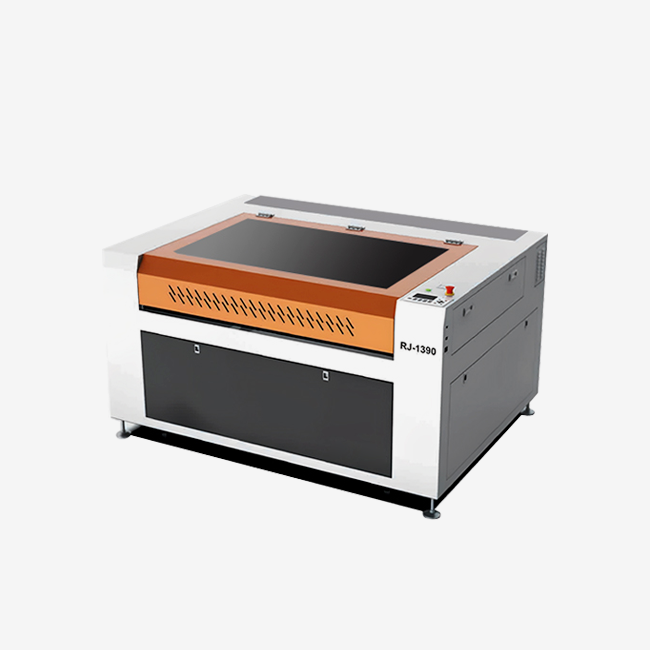
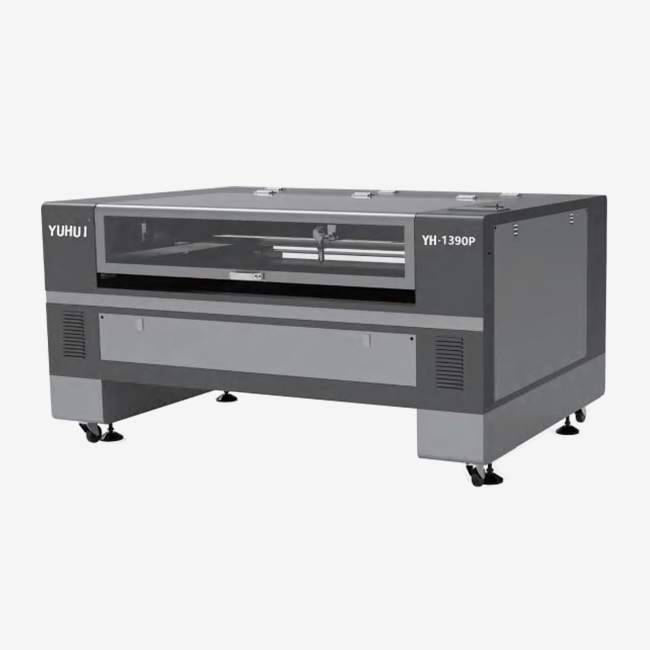
An industrial cutting machine called a CO₂ laser lead screw cutting machine uses carbon dioxide laser technology with ball screw motion mechanics to make precise cuts. This design offers positioning accuracy of ≤0.02mm and repeatability of ±0.01mm, while traditional belt-driven systems tend to stretch and lose precision. Because it is rigidly built, the system doesn't have any mechanical jitter and can handle materials up to 30 mm thick with steady force. This technology solves important manufacturing problems in areas like die-board fabrication, premium acrylic processing, and the production of technical parts that need micron-level accuracy to ensure quality and make the production profitable.
How Does a CO₂ Laser Lead Screw Cutting Machine Work
Understanding how this cutting technology works helps you understand why companies all over the world are switching from mechanical methods to laser-based ones.
The Core Technology Behind CO₂ Laser Cutting
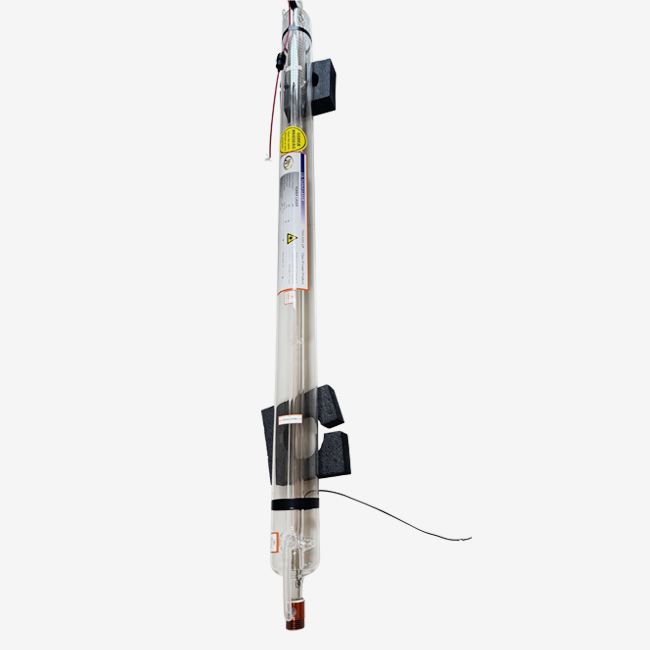
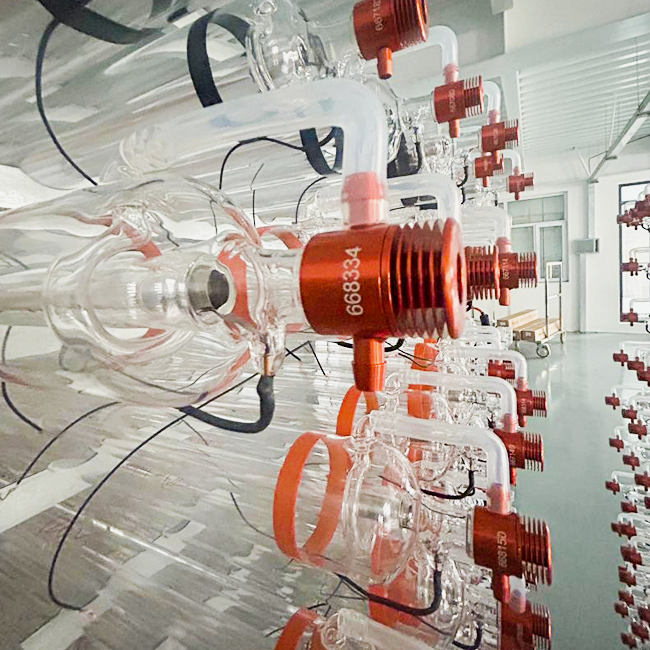
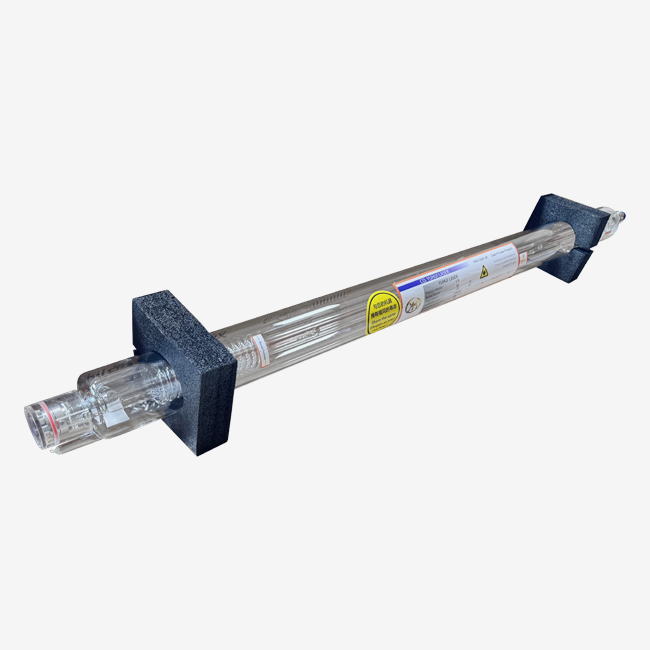
A strong infrared laser beam with a wavelength of 10.6µm is sent through a DC glass tube that is filled with a mixture of carbon dioxide gas by the machine. The beam goes through military-grade THF4 lenses that focus the energy on a single point, reaching temperatures high enough to quickly vaporize objects. The focused lenses keep the beam stable across the whole working area, so the quality of the edges stays the same whether you're cutting the first part or the thousandth. This optical system tells the difference between high-end and low-cost options, which has a direct effect on your production output and repair rates.
Precision Ball Screw Transmission Systems
The lead screw system is the most important part of this machine. Top-notch C5 or C7 ball screws from companies like TBI or HIWIN change rotary motion into linear motion with no backlash. When your CNC controller tells these screws where to go, Mitsubishi servo motors drive them with closed-loop precision. This gets rid of the problems that come with belt systems being too flexible. This gearbox delivers power without deflection when cutting thick materials that need steady torque. The screw system and the strengthened gantry framework work together to stop vibrations that would damage edge finishes on tough materials like 20 mm plywood die-boards.
Digital Workflow Integration
Modern CO₂ laser lead screw cutting machines can read both PLT and DXF files, so they can work with your existing CAD/CAM workflow without any problems. The Ruida controller takes vector data and turns it into exact motion orders based on what the designer wanted. Operators can constantly change the laser's power from 0% to 100%, matching the amount of energy delivered to the properties of the material. The red-light positioning system, which is available, shows the cutting line before it is carried out. This keeps expensive materials from going to trash. During the cutting process, automatic focal length adjustment technology keeps the focus at its best, reducing the need for operator error and manual work. This smart integration cuts down on setup time and makes sure that the process is the same across all production batches.
Quality Control Checkpoints
Before leaving Yuhui Laser's plant, every machine goes through a laser interferometer check to make sure the screws are accurate along their entire journey length. We do constant stress testing for 48 hours, which is like months of heavy production and helps us find weak spots before shipping. The laser spot stays in the middle of the 1300x2500 mm work area thanks to the beam path stability check. Checks of the lubrication system's integrity make sure that all bearing surfaces are automatically oiled, which stops wear before it's time. With CE and ISO certifications to back them up, these thorough testing methods give you the trust your production schedule needs.
Key Benefits of Using CO₂ Laser Lead Screw Cutting Machines
When you switch to laser cutting technology, you get measured improvements in a number of performance areas that have a direct effect on your bottom line.
Superior Precision and Accuracy
Technical parts can have dimensional errors of ±0.05mm when laser beam focusing and ball screw positioning are used together. This level of accuracy is very important when working with PTFE gaskets or silicone covers for safety-critical vehicle uses. When you use traditional mechanical cutting methods, the quality of your work decreases over time because the tools bend and wear down. Laser cutting doesn't involve touching the workpiece with the tool, so the kerf thickness stays the same from one part to the last. For companies that make die-boards, this means that the cuts in 15-20 mm plywood will be very straight, which keeps steel rule dies in place without gaps that lower the quality of the punch.
Reduced Production Time and Labor Costs
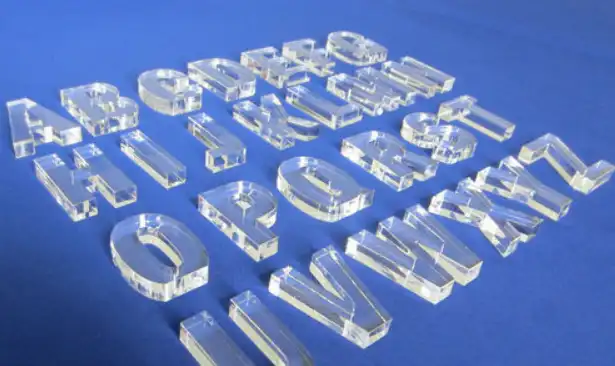
A CO₂ laser lead screw cutting machine can cut through thick acrylic at speeds that belt-driven machines can't match, and the edges stay perfectly smooth. Because the focal length changes automatically, there is no need to manually calibrate the focus between different thicknesses of material, which cuts down on changeover time. Simplified controls and effective automation make it possible for one person to run multiple tools at the same time. These gains in efficiency add up over multiple shifts, increasing output without raising labour costs by the same amount. We keep a 14-day production lead time by keeping enough goods on hand. This means that your capital investment starts making money right away, instead of sitting idle while we wait for equipment to arrive.
Versatility Across Materials and Applications
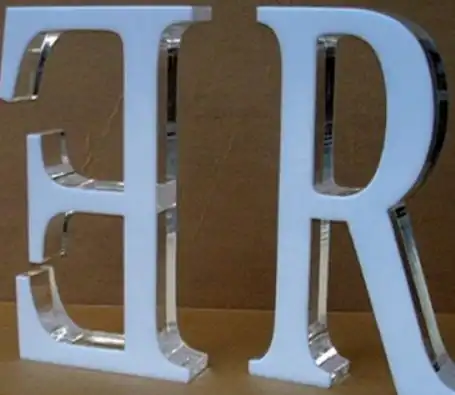
Crafts made of wood, leather, plastic parts, and advertising signs can all be cut on the same CO₂ laser base with the same tools. The power can be changed continuously from 100W to 350W, so it can be used for everything from cutting fine fabrics to 30mm composite materials. This makes your capital equipment size smaller than if you had to keep separate mechanical cutting tools for each material. OEMs of industrial machines use this freedom to make a lot of different types of parts at once, which makes the best use of the equipment. Laser cutting is perfect for businesses with changing demand patterns because it can be used for both mass production and custom one-off parts.
Energy Efficiency and Long-Term Cost Savings
Modern DC glass laser tubes keep putting out the same amount of power even after being used nonstop for a year, and they last 1.5 times longer than similar goods. The water cooling circulation system works well in temperatures between 0°C and 45°C, which keeps the material from warping during heavy cutting cycles. Our THF4 lenses don't break down easily, so the quality of the beam stays high without having to be replaced often. When you figure out the total cost of ownership, the 450-day after-sales service warranty we offer saves you from the sudden upkeep costs that come with some imported equipment. These factors work together to give a better return on investment over the equipment's useful life.
Common Applications and Industries Using CO₂ Laser Lead Screw Cutting Machines
Manufacturers can find opportunities in their own operations by figuring out where this technology is most useful.
Automotive and Aerospace Component Manufacturing
Manufacturers who work with these industries have to meet strict tolerance and material tracking standards. Laser cutting of composite gaskets gets the precise measurements and smooth edges that are needed for safety certifications. The clean, burr-free cuts get rid of the need for extra deburring steps that cost more and could spread contamination. CO₂ laser lead screw cutting machines are great for cutting materials without vibration, which keeps thin-wall parts from warping. This is especially helpful for making aviation gaskets. The CNC controller's ability to record cutting parameters helps meet the needs of aerospace supply chains' quality management systems.
Medical Device Production
Medical-grade parts need to be very clean, which is hard to do with mechanical cutting. When compared to saw or machine cutting, laser processing creates less dust contamination. The accuracy reached on silicone seals and polymer parts meets the strict limits medical devices need to work properly and get regulatory approval. Laser cutting's ability to quickly switch between jobs works perfectly with the small batch production runs that are common in medical manufacturing. Processing different medical-grade plastics and elastomers without worrying about tool wear makes production planning easier for companies that make medical devices and handle multiple product lines at the same time.
Industrial Machinery OEM Operations
Original equipment makers like how laser cutting can be used to make changes to prototypes and production runs. On the same machine platform, the equipment can work with both the 15 mm steel rule die-boards and the decorative wood parts. This consolidation makes it easier to set up the production floor and train operators. When the customer's needs change, it only takes minutes to update the digital cutting file instead of hours or days for mechanical gear changes. The quality of the precision ball screw gearbox stays the same over long production runs, which cuts down on the number of in-process inspections and the labor costs that come with them.
Electronics and Robotics Sectors
When making electronics, tiny parts need to be precise, which is something that mechanical cutting can't always do. Lasers can cut circuit board substrates and enclosure materials with a level of accuracy measured in hundredths of a millimeter. Because the beam is focused and the cutting speed is fast, the heat-affected zone stays small. This keeps sensitive electronic materials from being damaged by heat. Robotics companies use laser cutting for both solid parts and artistic panels, so they can make parts with a variety of shapes on the same platform. Because PLT and DXF files can be opened and saved in CAD systems, these technology-focused businesses can use them without any problems.
Maintenance and Troubleshooting Best Practices
For equipment uptime to be maximised, it needs to be maintained in a planned way and be able to be diagnosed when problems arise.
Regular Maintenance Schedules
To keep the quality of the beam and the cutting performance, we suggest cleaning the laser lenses every 200 to 300 hours of use. As part of the cleaning process, the mirror alignment and glass state are checked for damage or contamination. The automated oiling system should reach all bearing surfaces, so lubrication of the ball screws should happen at the same time every time. The water cooling circulation system needs to be checked on a regular basis to make sure the flow rates are right and the coolant is in good shape. Updating the software on the Ruida controller improves accuracy and may open up new features as our tech team makes changes. These precautions, which are spelt out in our detailed guidebook, keep small problems from getting worse and stopping production.
Common Issues and Solutions
Power changes in lasers are often caused by issues with the cooling system or an unstable power source. Most power problems can be fixed before they affect the quality of the cut by checking the coolant's temperature and flow. Cutting errors could mean that the ball screws aren't oiled properly or that the controller parameters have changed. During the 450-day warranty period, our technical support team can be reached and leads workers through thorough tests. Problems with the servo motor feedback wire or electromagnetic interference in the building can cause motion control mistakes. The heavy-duty chassis design reduces vibrations from the outside, but proper electrical grounding is still needed. During installation, we give your maintenance team technical training that covers these troubleshooting steps. This gives them the tools they need to fix problems quickly.
Safety Protocols and Compliance
Following safety rules very carefully is necessary when using a CO₂ laser lead screw cutting machine to protect both people and the equipment. For upkeep, protective glasses with a wavelength of 10.6 μm must be worn when the laser is working with the interlocks turned off. Every week, emergency stop buttons should be checked to make sure they can immediately turn off the power. The enclosed cutting area keeps people from getting accidentally exposed, but operators must check that the whole beam path is enclosed before they start working. Our CE certification shows that we meet European safety standards, and our quality management system paperwork backs up the safety rules at your own site. Regular safety audits that look for potential dangers keep the workplace safe so that both people and equipment can do their best work.
Choosing the Right CO₂ Laser Lead Screw Cutting Machine for Your Business
When choosing equipment that fits your budget and operational needs, you need to look at more than just the initial purchase price.
Performance Metrics Comparison
Specifications for positioning accuracy only tell part of the story. What really matters is how well the system works over thousands of rounds. Our placement accuracy of ≤0.02mm and consistency of ±0.01mm make us much better than belt-driven systems. To give cutting speed specs, you need to know about the type of material and its width. If a machine says it can go 300 mm/s on thin plexiglass, it might not work well on 20 mm board. We give you accurate information about performance based on real production testing of the materials your business works with. Our power range, from 100W to 350W, covers most commercial uses. Our expert team can help you match the right power level to the needs of your materials.
Evaluating Suppliers and Support
Reputable makers keep enough stock on hand to deliver quickly, and they back up their claims with actual lead times instead of just making hazy promises. The 14-day production lead time for typical setups shows how much manufacturing capacity we have and how well we've built relationships with our suppliers. When you buy directly from the factory, you don't have to pay the markups that distributors charge, and you can talk to the engineering teams that made the equipment without any problems. The length of the warranty shows how confident the manufacturer is in the quality of the product. For example, our 450-day coverage is longer than the norm because we control quality throughout production. When production problems happen, having access to technical support is important. Our team offers installation training and ongoing help to make sure your workers get the most out of their investment.
Understanding Total Cost of Ownership
The initial buying price is only one part of the total investment in a CO₂ laser lead screw cutting machine. Over the machine's useful life, its energy use, replacement parts costs, and maintenance needs add up. When used according to the instructions, our DC glass laser tubes have a 10,000-hour service life, and the power output stays the same during that time. The THF4 military-grade glasses don't break down easily, so they don't need to be replaced as often as cheaper sights. Belt systems tend to stretch and slip, so ball screw transmissions need to be serviced more often. When figuring out the payback period, you should take into account the fact that precision equipment cuts down on rework and increases throughput. Because of these total cost factors, it is often okay to buy more expensive equipment that has cheaper long-term running costs.
Conclusion
CO₂ laser lead screw cutting machines are a type of precise manufacturing technology that helps modern businesses deal with important problems. Focused laser beam technology and ball screw mechanical systems work together to make setting more accurate and consistent than belt-driven options. This equipment is used for many different tasks in the automotive, aerospace, medical device, and OEM industries. It can be used to make die-boards that need to be very vertically aligned or to process technical parts that need to be dimensionally accurate to within 0.05 mm. Yuhui Laser's dedication to quality is shown by its CE and ISO certifications, 450-day warranty coverage, and 14-day production lead times. These features give manufacturers who are looking to save money the reliability they need. When operations managers know how this technology works, what its measured benefits are, and how to keep it in good shape, they can make smart investment choices that boost production while keeping total ownership costs low.
FAQ
1. Why should I pick a lead-screw gearbox over a belt-driven one?
Lead screw gearbox gets rid of the problems with flexibility, stretching, and slippage that happen when belt-driven tools are used for long periods of time. The stiff structure stops jittering and shaking, which is especially helpful when cutting thick materials that need steady force. While belt systems may have faster travel speeds, lead screw setups are better for cutting precisely and delivering torque where it matters most for output quality. In straight terms, this means less waste and higher profit rates on high-value uses.
2. What kind of maintenance schedule should I follow to get the best results?
To keep the repeatability accuracy of ±0.01mm, clean the laser optics and grease the ball screws every 200 to 300 hours of use. Check the water cooling circulation system often to make sure the flow rates are right and the coolant is in good shape. When new versions of controller software come out, you should update them to get better accuracy and functionality. Our detailed manual explains these steps in detail, and our 450-day guarantee covers technical help during the first few weeks of use.
3. Can this equipment process materials beyond those mentioned?
CO₂ laser lead screw cutting machines can be used on a wide range of non-metallic materials, such as leather, linens, plastics, alloys, and wood. The power can be changed constantly from 0 to 100%, which lets different types of materials be optimized. Get in touch with our expert team to talk about the materials you need. We can give you test cuts to make sure the equipment works well before you buy it, so you can be sure it meets your production needs.
Get Started with Yuhui Laser's Precision Cutting Solutions
Industrial-grade CO₂ laser lead screw cutting machines made by Yuhui Laser change the way makers in the car, aerospace, medical device, and OEM sectors can make things. Positioning accuracy of ≤0.02mm is possible with our lead screw cutting tools, which have CE and ISO certifications that show they meet international quality standards. As a reliable provider with factory-direct prices, we don't have to pay markups to distributors, and our strategic inventory management lets us keep our 14-day production wait times. Get in touch with our expert team at jianghui@yuhui-laser-tech.com to talk about your specific cutting needs and find out how our customization options, such as changing the structure or adding clever automation, can help your production process. You can look at all of our products and download technical specs by going to yuhui-laser-tech.com.
References
1. Steen, W.M. & Mazumder, J. (2010). Laser Material Processing: Fourth Edition. Springer-Verlag London Limited.
2. Ready, J.F. & Farson, D.F. (2001). LIA Handbook of Laser Materials Processing. Laser Institute of America.
3. Powell, J. (1998). CO₂ Laser Cutting: Second Edition. Springer-Verlag London.
4. Ion, J.C. (2005). Laser Processing of Engineering Materials: Principles, Procedure, and Industrial Application. Elsevier Butterworth-Heinemann.
5. Chryssolouris, G. (1991). Laser Machining: Theory and Practice. Springer-Verlag New York.
6. Dahotre, N.B. & Harimkar, S.P. (2008). Laser Fabrication and Machining of Materials. Springer Science+Business Media.
Contact us directly for customized solutions, quotations and long-term strategic cooperation.