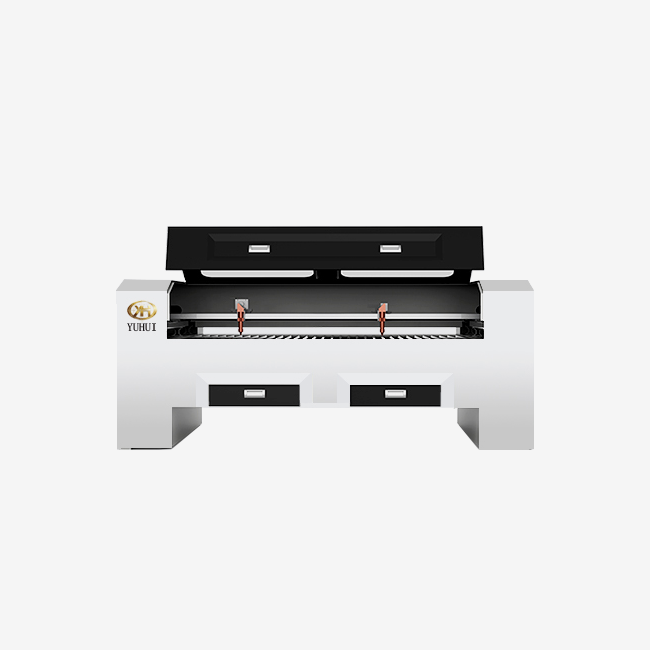
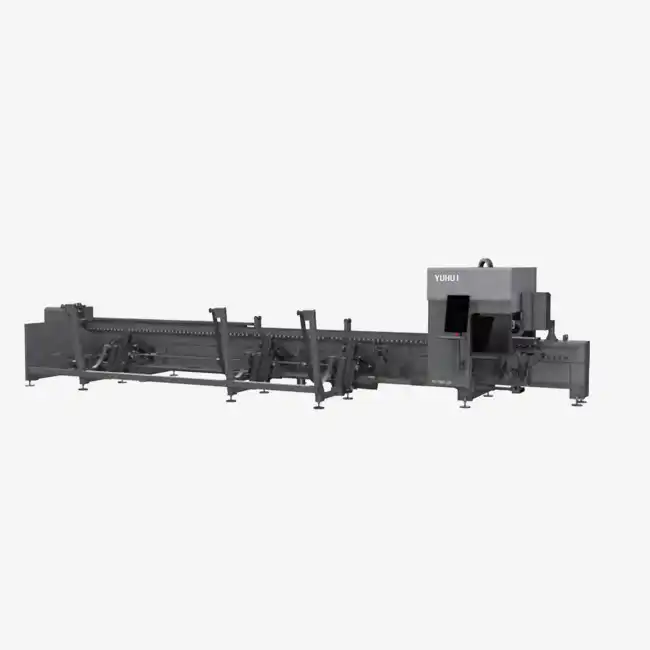
- English
- French
- German
- Portuguese
- Spanish
- Russian
- Japanese
- Korean
- Arabic
- Greek
- German
- Turkish
- Italian
- Danish
- Romanian
- Indonesian
- Czech
- Afrikaans
- Swedish
- Polish
- Basque
- Catalan
- Esperanto
- Hindi
- Lao
- Albanian
- Amharic
- Armenian
- Azerbaijani
- Belarusian
- Bengali
- Bosnian
- Bulgarian
- Cebuano
- Chichewa
- Corsican
- Croatian
- Dutch
- Estonian
- Filipino
- Finnish
- Frisian
- Galician
- Georgian
- Gujarati
- Haitian
- Hausa
- Hawaiian
- Hebrew
- Hmong
- Hungarian
- Icelandic
- Igbo
- Javanese
- Kannada
- Kazakh
- Khmer
- Kurdish
- Kyrgyz
- Latin
- Latvian
- Lithuanian
- Luxembou..
- Macedonian
- Malagasy
- Malay
- Malayalam
- Maltese
- Maori
- Marathi
- Mongolian
- Burmese
- Nepali
- Norwegian
- Pashto
- Persian
- Punjabi
- Serbian
- Sesotho
- Sinhala
- Slovak
- Slovenian
- Somali
- Samoan
- Scots Gaelic
- Shona
- Sindhi
- Sundanese
- Swahili
- Tajik
- Tamil
- Telugu
- Thai
- Ukrainian
- Urdu
- Uzbek
- Vietnamese
- Welsh
- Xhosa
- Yiddish
- Yoruba
- Zulu
What are the best P-Series fiber laser cutting machines for metal fabrication?
If you're looking for high-performance metal cutting options, the P-series fiber laser cutting machines are always the best choice for speed, accuracy, and dependability. These machines are a big step forward in industrial cutting technology. They were made for heavy-duty metal fabrication environments where accuracy and uptime are key to making money. At their heart, these systems have professional-grade mechanical structures and advanced fiber optic delivery. They can make clean, burr-free cuts in a wide range of materials, from aluminum and copper metals to stainless steel. With the right machine, your production floor can go from being reactive to proactive, cutting down on waste while still meeting the tight delivery dates that B2B clients expect.
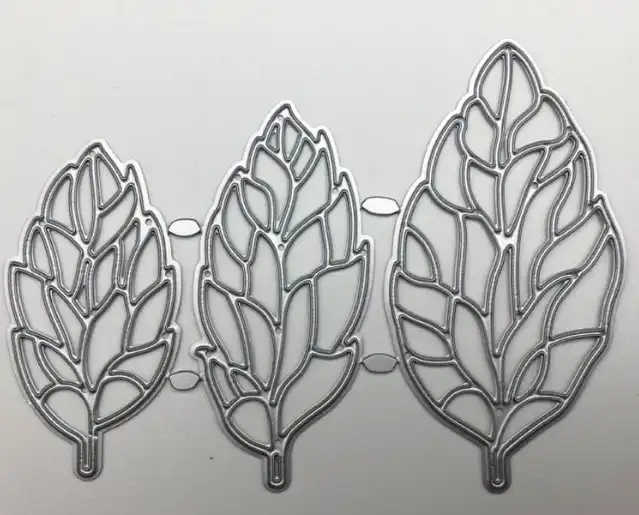
Understanding P-Series Fiber Laser Cutting Machines
The use of industrial fiber laser cutting technology has changed the way fabrication shops work with metal. Fiber laser systems send the beam through flexible wires, so they don't need to be serviced as often as older CO2 systems, which need to have their mirrors aligned and their gas refills. The letter "P" usually means that the building is professional-grade and was made to work continuously in harsh industrial environments.
Core Technology Behind Fiber Laser Systems
The main benefit is that it converts energy more efficiently. Fiber lasers have a wall-plug efficiency of 35–40%, while traditional CO2 lasers only get 10-15%. As a direct result, this means lower electricity costs and fewer cooling needs. Through rare-earth-doped optical fibers, the laser source sends out a very focused beam with wavelengths of about 1.06 micrometers, which are perfect for absorbing metal. When this focused energy is sent through the cutting head, it quickly burns away material along predetermined paths, making kerfs that are as exact as 0.1 mm.
Key Performance Advantages
Using a fiber laser cutting system makes things better in a number of ways that can be measured. When working with thin-gauge stainless steel, speed gains of 40 to 60 percent over CO2 systems are instantly clear. The small area of heat that is affected keeps the material from distorting too much, which is very important for keeping tight tolerances for automotive brackets or enclosure panels. Machinery can work with metals that reflect light, like brass and copper, without the back-reflection risks that can damage older lasers. The beam quality measure stays the same across all power settings, so the quality of the edges stays the same whether the thickness being cut is 1 mm or 25 mm.
New improvements in control systems let power be changed dynamically in the middle of a cut, which improves energy transfer based on feedback from the material. Acceleration rates of up to 1G make it possible to quickly move between cut paths, which cuts down on cycle times for complicated layouts with many levels. By getting rid of optics that need to be replaced and cutting down on gas use, per-part costs go down by a lot, which helps earnings on large projects.
Technical Specifications and Applications for Metal Fabrication
Knowing the specifics of an item helps match its powers with the needs of the production. The YH-3015P to YH-8025P series shows how scalable platforms can be used for a variety of fabrication tasks.
Yuhui Laser's P-Series Model Range
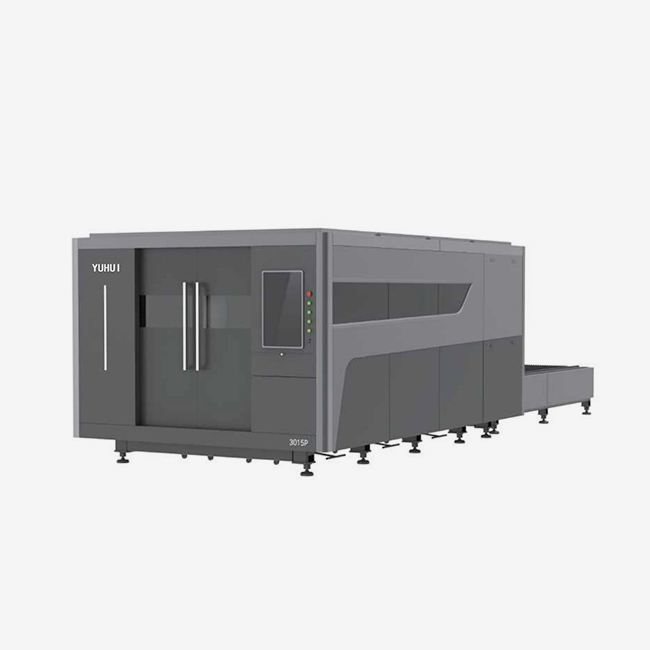
Our engineering team made these enclosed P-series fiber laser cutting machines for tasks that need to be flexible and last a long time in the industrial setting. The YH-3015P has a 3000x1500mm work area and can handle standard sheet sizes. This makes it perfect for job shops that are working on a mix of orders. The YH-4015P can handle 4000x1500mm plates, which are common in HVAC ductwork and machinery fabrication. The YH-6020P (6000x2000mm) and YH-8025P (8000x2500mm) models are built to handle large-format production. They make structural steel parts for heavy equipment and construction companies.
All models have important performance specs in common. For example, when cutting thin materials, the fastest speed can hit 60 meters per minute, and the repeat placement accuracy stays at ±0.02mm, which is necessary for multi-station hole patterns. The laser power ranges from 3000W to 80000W, so processors can choose a capacity that matches the thickness of the material they usually work with. Standard 380V three-phase power coupling makes it easier to connect to current electrical systems in factories.
Structural Engineering for Reliability
When it comes to consistent performance, mechanical rigidity is the key. Heavy-duty welded lathe beds made of high-strength carbon structural steel are used in our machines. This framework has great tensile strength and sound damping, which directly improves the quality of the edges and makes the machine last longer. Stress-relieving methods are used on the welded construction to keep it from warping over time. This means that the geometry stays the same even after years of temperature cycles.
In production settings, these machines stand out because they have an automatic swap worktable system. On one table, the laser works on parts, and on the other table, workers put new materials on it. This non-cutting downtime-free workflow increases effective utilization rates by 30–45% compared to single-table systems. The fully sealed protection structure does two things: it protects workers from laser radiation and holds on to smoke and particulate emissions, making the workplace safer and making it easier to meet air quality standards.
Industry Applications and Material Capabilities
Metal production includes a lot of different fields, each with their own needs. These tools are used by companies that make parts for cars to make chassis brackets, exhaust flanges, and structural supports that need to be strong while also being light. When expensive metals are used, the thin kerf keeps the material yield. When cutting complicated ventilation grilles, electrical enclosures, and decorative architectural panels, sheet metal fabrication businesses do well. The ten-thousandth part is just as good as the first because the tools haven't worn down.
Companies that make heavy machinery that works with thick structural steel find that higher-power designs are useful. With oxygen help, the machines cut through 25 mm carbon steel, keeping the edges straight, which makes the preparation work for welding later easier. Cutting stainless steel for food equipment, pharmaceutical parts, and marine hardware uses nitrogen-assisted cutting to make edges that are free of oxidation and ready to be welded or finished right away.
Aluminum is becoming more important in tactics to make transportation lighter, so handling it efficiently is very important. These fiber systems can work with aluminum metals that are between 1 mm and 20 mm thick. They can control how reflective the material is without putting it at risk of damage. Cutting copper and brass for electrical parts, heat exchangers, and artistic gear becomes cost-effective at production levels where older methods fail.
Maintenance Considerations
To keep performing at your best, you need to know how to do routine care. The fiber laser source doesn't need much maintenance—no mirror cleaning or positioning changes are needed. Coolant systems need to be checked once a month to make sure they keep the right temperature and keep contaminants out. The main consumable is the cutting head protection window, which needs to be checked every 40 to 80 hours of operation, based on the material and the cleaning of the assist gas. A lens that is scratched or pitted lowers the quality of the beam, making cuts and edges that aren't smooth.
The state of the nozzle has a direct effect on the quality of the cut. Operators should keep a variety of nozzle sizes on hand that are matched to the thickness of the material and use inspection tools to make sure the geometry of the circle is correct. The automatic swap table system works better when the train systems are oiled and the sensors are checked from time to time. Control system software updates can sometimes improve performance or add more materials to libraries. They are easy to install during scheduled maintenance windows.
Comparing P-Series Fiber Laser Cutting Machines With Alternatives
To make smart choices about capital tools, you need to know how different technologies compare to practical needs and budget limits.
Fiber vs. CO2 Laser Technology
For decades, traditional CO2 devices were the best way to cut metal, but new technologies have changed the game. When cutting mild steel that is more than 30 mm thick, CO2 lasers work best because their longer range gives them some benefits. Running costs, on the other hand, say something different. Every few days, the mirrors and optics need to be cleaned, which takes time and could cause them to become out of alignment. Using gas to make beams adds ongoing costs that aren't there in fiber systems.
Fiber lasers work best on thin to medium materials (0.5 mm to 25 mm), which is exactly where most of the fabrication volume is. Over three shifts, the benefits of using less electricity add up, lowering energy bills by 40 to 60 percent. Because it is solid-state, there are fewer places where it can go wrong, and it can be serviced more often. Fiber systems are faster and make better edges than CO2 systems when working with stainless steel or aluminum.
Internal Model Differentiation
Knowing the differences between platforms within the same type of fiber laser helps match skills to needs. To keep costs down, entry-level tools may not have the fastest acceleration rates or most accurate placement. P-series fiber laser cutting machines designed for production put mechanical stability and long-term high-speed operation at the top of their list of priorities. The precision linear guides and reinforced gantry construction keep the accuracy even after millions of cycles of use.
Some companies make the M-series or related models to appeal to different types of customers. They might put more emphasis on portability than raw speed, or they might make them work best with certain types of materials. By looking at your typical job mix, you can see which requirements have a real effect on your bottom line. A shop that mostly cuts thin stainless steel doesn't gain much from being able to work with thick plates, but they do gain a lot from having rapid acceleration and table exchange systems.
Evaluating Total Cost of Ownership
The purchase price is only one part of the financial scenario. To figure out the total cost, you have to add up the machine's output, consumables, energy use, and upkeep labor over its entire life. A cheap machine that breaks down often and cuts slowly may end up costing more in the long run than a high-end system that costs more up front but has lower running costs and more output.
Think about how much assist gas you use—the cost of nitrogen quickly adds up when cutting a lot of stainless steel. Machines with better gas delivery methods use 15% to 25% less gas each year, which saves a lot of money. In large operations, differences in how much energy each system uses can add up to thousands of dollars a year. When you compare systems that need expensive replacements every 10,000 to 20,000 hours to ones that last 100,000 hours, you can see how important a reliable laser source is.
How to Procure the Best P-Series Fiber Laser Cutting Machine
There's more to strategic buying than just looking at different standard sheets. If you know how the purchase process works, you can avoid mistakes that hurt ROI.
Pricing Structures and Financial Planning
Setting prices and making financial plans. Not only do hardware costs affect the price of capital tools, but so do regional market conditions, shipping operations, and service networks. Direct factory pricing from well-known manufacturers usually gives you the best value because you don't have to pay markups to distributors and the quality of the service stays the same. Different suppliers offer different payment terms. Some allow staged payments based on production milestones, while others offer leasing options that keep working capital safe.
Bulk orders get savings based on the number of items ordered, which makes coordinated buying across multiple sites a good financial idea. There are options for buyers on a budget in the used equipment market, but it's important to check the laser source hours and mechanical condition very carefully. The savings are lessened if important parts need to be replaced right away.
Lead Times and Logistics
Delivery times that can be relied on affect the scheduling of production. Standard setups of P-series fiber laser cutting machines usually ship from stock within 14 business days, which is what Yuhui Laser does for key types. Custom specs that need structure changes or the merging of specialized software add 6 to 8 weeks to the time frame. International shipping adds more factors. Depending on the ports of arrival, ocean freight takes 4 to 6 weeks, while air freight cuts transit time by a huge amount but costs a lot more.
Manufacturers with a lot of experience work together with logistics companies that specialize in moving industrial machinery. Because of these connections, the right crating, insurance coverage, and correct customs paperwork are all made possible. Customs delays caused by missing paperwork can stop production plans, so it's important to coordinate everything carefully before shipping.
Installation and Training Support
For lifting, leveling, and connecting utilities, mechanical construction usually takes two to three days. Before cutting tests start, qualified technicians use laser interferometry to check the geometric calibration. Full training for operators includes how to use the machine, find your way around the software, choose the right material parameters, and do regular repair. Well-trained operators get the most out of their equipment and keep it from breaking down because they didn't follow the right steps or settings.
Different suppliers have very different ways of providing support after the sale. Premium products are set apart by longer warranty periods and quick technical support. Yuhui Laser's 450-day after-sales service time is longer than the standard in the industry. This gives customers peace of mind during the crucial production ramp-up phase and beyond. Having access to remote diagnostics cuts down on downtime when problems happen by letting technicians look at the issues and often fix them without having to visit the site.
Why Choose Yuhui Laser's P-Series Fiber Laser Cutting Machines?
The success of manufacturing relies on tools that consistently do their job and can handle harsh work environments. Our method blends tried-and-true tech with service that is focused on the customer.
Quality Certifications and Manufacturing Standards
Yuhui Laser is certified in ISO9001 quality management, which makes sure that every step of the production process is controlled in a planned way. Our machines have CE approval, which means they meet European safety and emissions norms that are needed for trade between countries. The THF4 military-grade lens system shows our dedication to high-quality parts. These optics keep the beam quality even in harsh conditions, so they can focus clearly for long periods of time without needing to be serviced.
Before it is shipped, every machine goes through a lot of tests. We make sure the setting is correct across the whole work area, test the cutting performance on common materials, and put systems through 72-hour operating cycles to find any weak spots. This quality control process keeps your investment safe and keeps you from being surprised after installation to a minimum.
Customization Capabilities for Specific Requirements
Standard goods work well for many uses, but sometimes production needs require solutions that are specifically made for those needs. Our P-series fiber laser cutting machines can be customized by our engineering team, who works with clients to make changes to structures, like adding automated material handling systems or making the beds longer for unique uses. You can also make material sets that work best with your metals and thickness ranges by customising software.
Customizing functions could mean adding vision systems to automatically find edges or setting up special help gas delivery for difficult materials. When custom features are added, the 14-day production lead time for standard models grows a little, but the end system perfectly fits your workflow instead of forcing you to adapt to generic configurations.
Long-Term Partnership Approach
Getting the equipment is more like the start of our partnership than the end. Technical support is available for as long as your machine is working. Our applications engineers help you keep performance at its best even as production needs change or new materials come into your workflow. Training doesn't end with the initial installation. Refresher classes and workshops on advanced techniques keep your team up to date on the latest best practices.
Many buyers who are looking at international suppliers worry about the availability of parts. We keep a lot of important wear parts and products in stock and ship replacement parts within 48 hours to keep production running as smoothly as possible. When you buy from the maker directly, you don't have to rely on distributors, which can make it harder to find items years after you bought them.
Conclusion
To choose the best fiber laser cutting system, you have to weigh the technical features against the needs of your business and your budget. Yuhui Laser's P-series fiber laser cutting machines offer industrial-level performance thanks to careful engineering, the choice of high-quality parts, and manufacturing methods that focus on long-term dependability. These systems are good investments for fabricators who want to gain a competitive edge through equipment capability because they are mechanically strong, use advanced fiber laser technology, and come with a full support infrastructure. Whether you're handling parts for heavy machinery, architectural metalwork, or car parts, making sure your needs are met by the right specs will give you the best return on your investment while still letting you adapt to changing market conditions.
FAQ
1. What power level do I need for my typical materials?
The right laser power is chosen based on the type and thickness of the material. With 3000–4000W tools, you can easily cut stainless steel and aluminum up to 6 mm thick. Higher power is better for cutting carbon steel—6000W can cut up to 12mm of steel cost-effectively, while 12000W can cut 20–25mm solid plate. 20000W or more is needed for thicker materials or high-volume work. By matching power to actual needs, you can avoid paying too much for capacity that isn't being used and still have enough power for occasional thick-section work.
2. How does enclosed design improve operations?
Fully enclosed protective structures have more benefits than just making sure people are safe. They have laser radiation inside them, so there are no exposure risks that come with open-bed systems that need a lot of changes to the facility. Fume extraction works well because it collects smoke and particles where they come from instead of letting them spread out on the shop floor. Acoustic damping lowers the noise level of operations, which makes the work environment better. The controlled environment also keeps the temperature stable around the cutting zone, which helps make sure that accurate parts are always the same size.
3. What makes automatic table exchange valuable?
When loading materials happens while cutting instead of delaying the process, production efficiency goes up by a lot. Automatic swap tables get rid of most of the time that you can't do anything in between jobs. A single-table system gets 75% of its time used after a 15-minute cutting job and 5 minutes of unloading and reloading. By doing these things at the same time, exchange tables raise this above 95%. Within a few months, the small increase in cost is more than made up for by the increase in productivity in job shops that handle a variety of orders.
Partner with a Trusted P-Series Fiber Laser Cutting Machines Manufacturer
You can get help from Yuhui Laser with your metal manufacturing goals. They have reliable fiber laser cutting technology and great customer service. As a well-known company that makes P-series fiber laser cutting machines, we offer factory-direct prices, quality that is CE-certified, and quick 14-day production times for common configurations. Our heavy-duty welding steel structure and THF4 military-grade optical systems give B2B relationships the dependability they need. Our dedication to your long-term success is shown by the 450-day extended after-sales service period. You can email our expert team at jianghui@yuhui-laser-tech.com to discuss your unique cutting needs, get detailed quotes, or set up virtual demos. You can look at our whole product line at yuhui-laser-tech.com and find out how our customization options can help you with your specific manufacturing needs.
References
1. Powell, J. (2021). Laser Cutting: Fundamentals and Advanced Techniques for Industrial Metal Fabrication. Industrial Press.
2. Steen, W. M., & Mazumder, J. (2023). Laser Material Processing: Technology and Industrial Applications, Fifth Edition. Springer Publishing.
3. International Organization for Standardization. (2022). ISO 9013:2022 - Thermal Cutting: Classification of Thermal Cuts and Dimensional Tolerances.
4. Caristan, C. L. (2020). Laser Cutting Guide for Manufacturing Engineering. Society of Manufacturing Engineers.
5. Weber, R., Graf, T., & Berger, P. (2022). "Fiber Laser Cutting: Process Dynamics and Quality Control Parameters." Journal of Laser Applications, 34(2), 152-168.
6. American Welding Society. (2023). AWS C7.1:2023 - Recommended Practices for Laser Beam Cutting. Miami: AWS Publications.
Contact us directly for customized solutions, quotations and long-term strategic cooperation.