- English
- French
- German
- Portuguese
- Spanish
- Russian
- Japanese
- Korean
- Arabic
- Greek
- German
- Turkish
- Italian
- Danish
- Romanian
- Indonesian
- Czech
- Afrikaans
- Swedish
- Polish
- Basque
- Catalan
- Esperanto
- Hindi
- Lao
- Albanian
- Amharic
- Armenian
- Azerbaijani
- Belarusian
- Bengali
- Bosnian
- Bulgarian
- Cebuano
- Chichewa
- Corsican
- Croatian
- Dutch
- Estonian
- Filipino
- Finnish
- Frisian
- Galician
- Georgian
- Gujarati
- Haitian
- Hausa
- Hawaiian
- Hebrew
- Hmong
- Hungarian
- Icelandic
- Igbo
- Javanese
- Kannada
- Kazakh
- Khmer
- Kurdish
- Kyrgyz
- Latin
- Latvian
- Lithuanian
- Luxembou..
- Macedonian
- Malagasy
- Malay
- Malayalam
- Maltese
- Maori
- Marathi
- Mongolian
- Burmese
- Nepali
- Norwegian
- Pashto
- Persian
- Punjabi
- Serbian
- Sesotho
- Sinhala
- Slovak
- Slovenian
- Somali
- Samoan
- Scots Gaelic
- Shona
- Sindhi
- Sundanese
- Swahili
- Tajik
- Tamil
- Telugu
- Thai
- Ukrainian
- Urdu
- Uzbek
- Vietnamese
- Welsh
- Xhosa
- Yiddish
- Yoruba
- Zulu
Best thousand layer mirror dedicated marking machines for industrial use
For makers and distributors to find the best thousand-layer mirror dedicated marking machines for commercial use, they need machines that are accurate, consistent, and quick. A thousand-layer mirror dedicated marking machine is a specialized fiber laser device designed to make complex infinity mirror effects by precisely treating the back surface. By using clean, exact laser technology instead of old methods like sandblasting and chemical etching, these tools have changed the way we make LED smart mirrors, decorative art mirrors, and advertising displays.
This book tells buying managers, production engineers, and OEM buyers everything they need to know to choose, use, and keep these special marking systems in good shape. If you want to make more building glass projects or switch to making high-end mirrors, knowing what this technology can and can't do will help you make smart investment choices that will have a direct effect on your bottom line and product quality.
Understanding Thousand Layer Mirror Dedicated Marking Machines
What Makes These Machines Different?
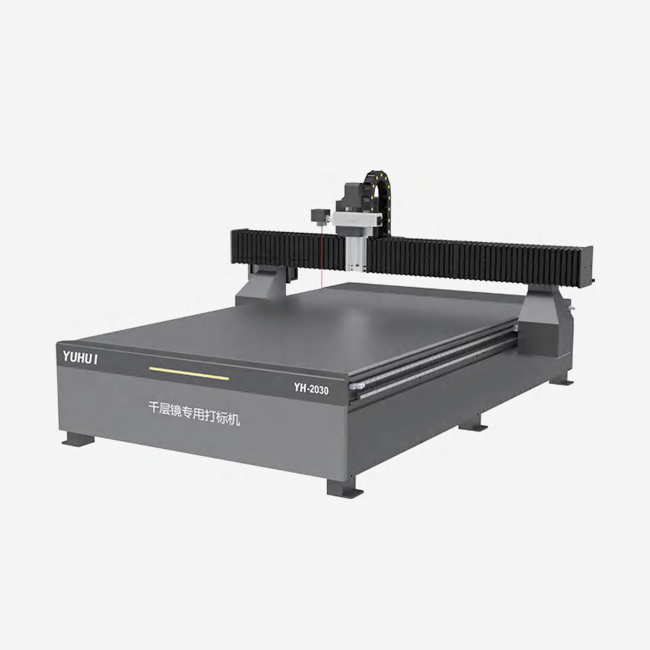
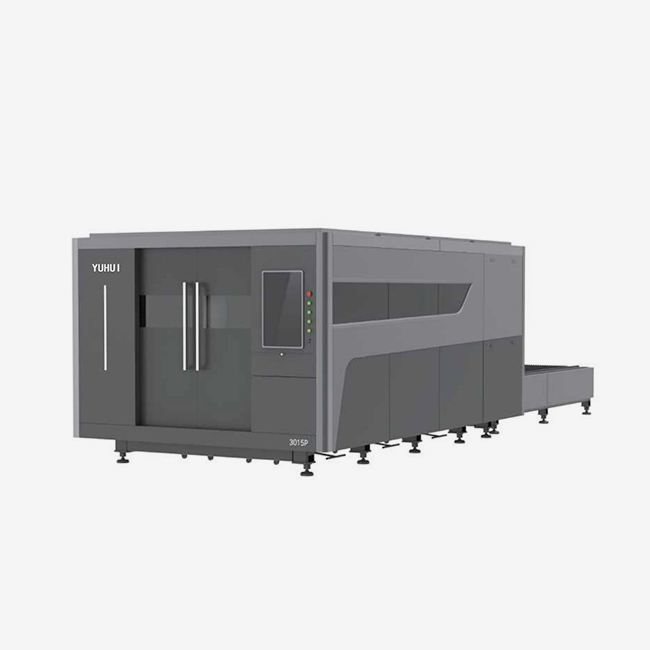
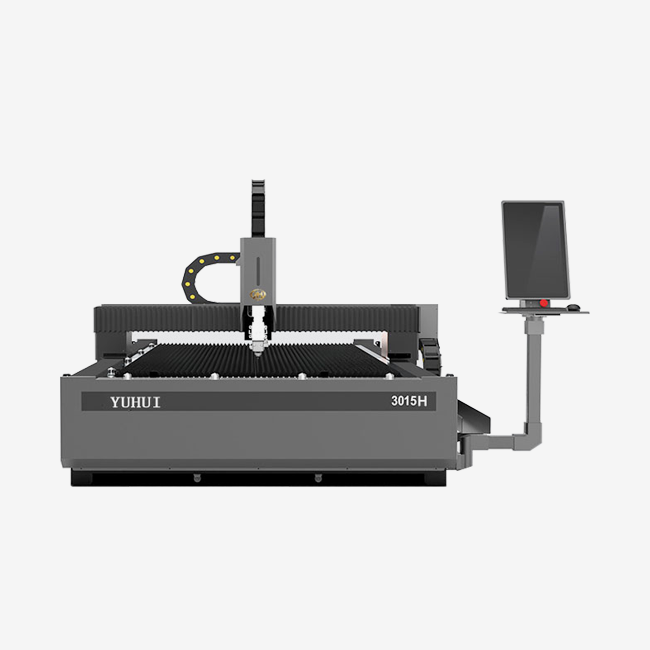
Fiber laser technology is used in thousand-layer mirror dedicated marking machines to clear reflective coatings, cut frosted patterns, and carve complex designs on the back of mirrors without hurting the front glass. In contrast to general-purpose laser markers, these machines work at particular wavelengths (usually 1064 nm) that interact exactly with mirror coatings while reducing the number of areas that get hot. Manufacturers can use this technology to make thousand-layer mirrors, which have the mesmerizing "infinite depth" effect. Light bounces between semi-transparent layers to create amazing 3D images.
The main benefit is the ability to handle food cold. Sandblasting and other old ways make dust and trash, and it's hard to control the depth. Chemical etching uses dangerous chemicals and is hard to get rid of properly. Laser writing machines get rid of all of these problems completely. They are clean to use, require few supplies, and can be repeated with accuracy measured in hundredths of a millimeter.
Key Technical Components
Today's dedicated marking machines have a number of important features that work together. The fiber laser source creates a focused beam with very stable power—fluctuations below 1% make sure that the writing level stays the same throughout the whole production run. High-speed galvanometer scanning devices point the beam with an accuracy of ±0.01mm, which makes it possible to make complex patterns that would not be possible by hand. With electric focusing and a red light preview, operators can see the writing area and change the focal depth without having to do test burns. This cuts down on waste and setup time.
Most of the time, servo motors and precision guide rail racks are used in the gearbox system to make movement smooth over big work areas. Full air cooling gets rid of the need for water cooling systems' maintenance and space needs, so these tools can be used in a variety of industrial settings. Software integration works with many file types, like AI, DXF, PLT, BMP, and JPG, so it's easy to connect to current design systems and keep working.
Top Thousand-Layer Mirror Dedicated Marking Machines in 2026
Industry-Leading Solutions
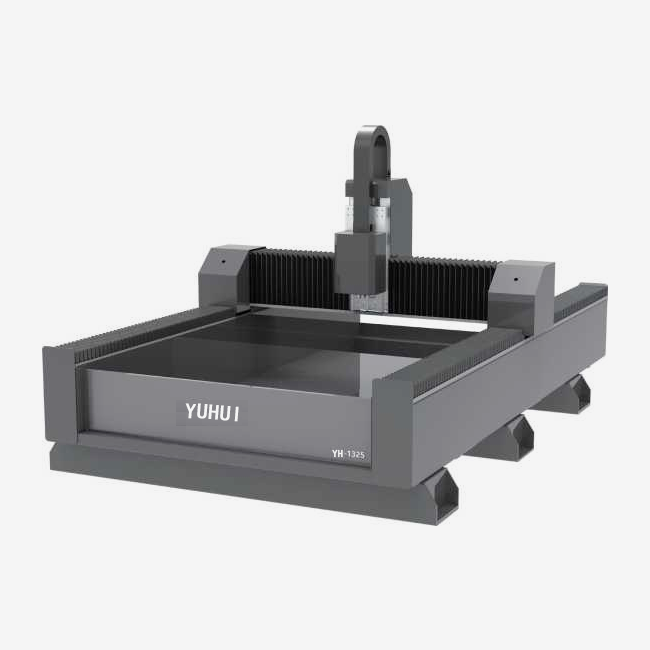
This year has been a great year for innovation in the industrial mirror processing sector. Manufacturers have been pushing the limits of working area size, writing speed, and computer integration. Leading Thousand-layer mirror dedicated marking machines now have working zones that can be customized from 1300 mm x 2500 mm to 1500 mm x 3000 mm. These can be used for a wide range of projects, from bathroom mirrors in homes to architectural installs in businesses. Between 50W and 100W of laser power gives you choices for different thicknesses of material and output speeds.
Smart control systems in more advanced models change settings automatically based on the type of coating and the complexity of the design. Some makers now make machines with automatic material detection sensors that improve power supply and scanning speed. This makes it easier for workers to learn how to use the machines and reduces the number of mistakes that happen when production changes. Connectivity for Industry 4.0 allows for remote tracking and maintenance reports that are planned ahead of time, which helps facilities avoid unplanned downtime.
Comparing Traditional Versus Laser Technology
When we compare mechanical marking methods like sandblasting or rotating cutting to laser marking, the differences are clear right away. Sandblasting makes surfaces of different depths and makes a lot of dust, so big air systems are needed. When you use a rotary tool more than once, you run the risk of scratching the surface. Chemical etching needs to be handled carefully, thrown away in a certain way, and takes longer to process.
Laser writing gives consistent results no matter how complicated the pattern is. It can be used in any workshop without any special cooling and finishes jobs much faster. With better edge clarity and depth uniformity, a design that would take 30 minutes to mark by hand can be laser-marked in less than 5 minutes. Even though the original investment is higher, the overall cost of ownership is usually lower because the costs of consumables drop to almost nothing and the rejection rate drops by a large amount.
How to Choose the Best Thousand-Layer Mirror Dedicated Marking Machine for Your Industrial Needs?
Assessing Your Production Requirements
When choosing the right tools, you should first take an honest look at your unique manufacturing situation. A lot of choices are based on how much is being made. Facilities that process fewer than 50 mirrors a month might be fine with entry-level systems, but facilities that process 200 or more mirrors a week would benefit greatly from higher-power thousand-layer mirror dedicated marking machines with bigger work areas and automatic loading systems. It doesn't matter how complicated the pattern is; simple geometric frosting doesn't need as complex of control systems as detailed digital carving with changing gradient depths.
Specifications for materials have a big effect on what machines need to do their job. Low-iron glass with multiple layers of coatings used in high-end uses works differently than standard float glass with a single layer of silver covering. Setting the parameters for acrylic-backed mirrors is different from setting the parameters for clear glass mirrors. Machines with adjustable pulse frequency and power modulation can work with a wider range of materials, giving you more production options as your product line changes.
Evaluating Supplier Credentials
The quality of equipment made by different companies changes a lot, so evaluating suppliers is very important for successful buying. Certifications are very important for basic peace of mind. For example, CE certification shows that a product meets European safety standards, and ISO9001 certification shows that the product manages quality in a structured way. Check out the supplier's expert help infrastructure in addition to their certifications. Can they offer help with installation and training for operators? What kind of extra parts do they have in stock, and how quickly can they ship you important parts?
The length and spread of after-sales support are often what set premium providers apart from budget options. Longer service times, like 450-day warranty plans, show that the maker trusts the equipment to work well and wants the customer to be happy. Ask for examples from people who are currently using similar apps and ask them about their experiences with how quickly and effectively technical help responded and solved problems.
Maintenance and Troubleshooting Tips for Thousand Layer Mirror Marking Machines
Routine Maintenance Protocols
Proper care makes Thousand Layer Mirror dedicated marking machines last longer and keeps the quality of the markings consistent. As part of daily maintenance, lenses should be cleaned with the right optical cleaning solutions and lint-free cloths. Protective screens should be checked for dirt buildup, and cooling fans should be made sure they can run freely. Every week, you have to do things like make sure the guide rails are well oiled, check that the mounting bolts for the servo motors are tight, and clean the exhaust systems to get rid of the vaporized coating material.
Full alignment checks should be part of monthly maintenance processes. Position repeatable tests show that the scanning system stays within the required level of accuracy, and power output tests show that the laser's performance stays within acceptable limits. These preventative checks find signs of wear and tear before they affect the quality of production. This lets planned fixes happen instead of having to be fixed quickly during important production runs.
Common Issues and Solutions
Even tools that are well taken care of sometimes have problems. Inconsistent writing depth across the work area is usually a sign of focal length variation. This is usually fixed by recalibrating the electric focusing system or making sure the material surfaces stay flat while they are being processed. Slower marking or patterns that don't run completely are usually caused by problems with how the software talks to each other. Most of the time, making sure the computer is connected properly and changing the control software will fix the problem.
Problems with edge quality, where writing lines look rough or crooked, are often caused by using the wrong power settings for the finishing type. Looking through the machine's library of material parameters and making small test pieces can help you find the best settings. If patterns are distorted or don't match up with their dimensions, the main reason is usually found by checking the guide rail system mechanically for wear or dirt. Knowing when to try operator-level troubleshooting and when to call maker technical help can keep small problems from getting worse and needing expensive fixes.
Procurement Insights: Where and How to Buy Thousand-Layer Mirror Dedicated Marking Machines
Sourcing From Reliable Manufacturers
To get things done in buying, you need to know the difference between original equipment makers and distributors. When you deal directly with a manufacturer, you usually get better prices, more customization options, and easier access to expert help. When looking at manufacturers, give more weight to those that can show they have a lot of production ability and well-established quality processes. Factory-direct suppliers like Yuhui Laser have big benefits for sourcing thousand-layer mirror dedicated marking machines, like shorter lead times (our normal production cycle is only 14 business days) and the ability to change the structure and functionality of equipment to fit your needs.
Geographical factors affect the total cost of buying, which goes beyond the price of the tools itself. Suppliers in the same country may be able to ship items more quickly and make guarantee service easier, but they usually charge more. Chinese companies that have been around for a while offer great deals by mixing low factory-direct prices with higher quality standards and international certification compliance. By looking at the supplier's past exports and current customer base in your area, you can get a sense of how well they can help foreign clients.
Understanding Total Cost of Ownership
The price of buying something is only one part of how much it will cost in the long run. Different types use different amounts of energy. Total power consumption can range from 1.2kW to 1.8kW, which is a big difference over thousands of hours of use per year. Laser systems still have low consumable costs compared to traditional methods, but you should plan your budget around the need for new optical components and regular repair.
Financing choices can lower the amount of original capital needed while still allowing the business to keep its operating capital for other purposes. A lot of manufacturers and outside companies that fund tools offer lease plans with terms ranging from 24 to 60 months. Maintenance coverage is often built into leases, which lowers the risk of having to pay for something unexpected. When looking at different ways to get financing, you should find the effective annual percentage rate and see if the lease-end buy choices fit with the time frame you have set for replacing the equipment.
Conclusion
When companies that want to sell high-end mirrors buy a specific thousand-layer mirror dedicated marking machine, it changes how they can make their products. The technology gives you unmatched accuracy for making visual effects with endless depth, and it doesn't cause any environmental problems or waste like old processing methods do. To be successful, you need to make sure that the specifications of the equipment you buy meet the needs of your production, choose suppliers with a track record of good support infrastructure, and follow disciplined upkeep procedures that keep the equipment working well for as long as it lasts. Careful consideration of the size of the work area, laser power options, and customization options will ensure that your investment gives you a long-term competitive edge. As the mirror-making industry moves toward more complex designs and automatic production, implementing cutting-edge laser marking technology early on will help your business grow and make money in markets that are becoming more demanding.
FAQ
Which industries benefit most from these specialized marking machines?
The biggest application area for thousand-layer mirror dedicated marking machines is making LED smart mirrors, where exact button marking and artistic pattern work have a direct effect on how well the product works and how it looks. Architectural glass makers who work on business interior design projects need these tools because they have big work areas and can change patterns easily. The technology is very important for furniture makers who use beautiful mirrors to keep the quality of their products the same from one production run to the next. The tools are used by people who make advertising displays to make eye-catching infinity mirror effects that get people's attention in stores.
How does energy efficiency compare with traditional sandblasting equipment?
When all of their needs are taken into account, laser writing systems use a lot less energy than sandblasting sets. The laser unit itself uses between 1 and 1.5kW while it's working, but sandblasting shops need powerful air fans, large ventilation systems, and tools to collect dust, all of which use between 5 and 10kW all the time. The selected material removal of the laser also speeds up work and lowers the total amount of energy used per piece. Managing sandblasting trash and emissions for environmental compliance costs adds to the practical price gap that favors laser technology.
Can manufacturers customize these machines for unique production needs?
Reliable makers give you a lot of freedom to customize your order. This includes making changes to the structure, adding new features, and adapting the software. The size of the work area can be increased beyond normal sizes to fit large building glass projects. When automatic loading systems and conveyor connections are added to machines, they are turned from stand-alone units into parts of a production line. Software customization lets you make your own design sets, add barcodes to track production, and run the software from afar. Talking to makers early on in the procurement process about your unique needs will make sure that the system they give fits perfectly with your operational workflow.
Partner With Yuhui Laser for Your Mirror Marking Solution
Industrial mirror processing uses are the focus of Yuhui Laser's expertise in the production of high-precision thousand-layer mirror dedicated marking machines. Our equipment uses THF4 military-grade optical parts and is quality assured by CE and ISO, so it can meet the needs of your production for stability and performance. With factory-direct prices, we don't have to pay markups to distributors, and our 450-day extended service program gives you full support.
We can customize our services to meet specific needs that standard tools can't meet. Our engineering team creates solutions that are exactly what you need, whether you need larger working areas for architectural projects, customized software integration for connecting production lines, or changes to the structure's plan to fit an existing building. As a well-known company that makes thousand-layer mirror dedicated marking machines, we keep a lot of stock on hand so that we can quickly fill orders. Most basic setups ship within 14 business days.
Contact our technical team at jianghui@yuhui-laser-tech.com to talk about your mirror writing needs. We give you clear quotes, detailed analysis of your needs, and equipment suggestions that help you feel good about your purchasing choices. You can look at our whole product line at yuhui-laser-tech.com and learn how our laser solutions can help you make your manufacturing better and be more competitive in the market.
References
1. Chen, W., & Zhang, L. (2023). Advanced Laser Processing Technologies for Decorative Glass Manufacturing. Industrial Laser Applications Press.
2. Morrison, D. R. (2024). Fiber Laser Systems: Principles and Industrial Applications. Optical Engineering Publications.
3. Tanaka, H., & Schmidt, K. (2023). Precision Marking Technologies in Modern Manufacturing. International Journal of Advanced Manufacturing Technology, Volume 127.
4. European Laser Institute. (2024). Guidelines for Safe Operation of Industrial Laser Marking Systems. Brussels: ELI Technical Standards Division.
5. Roberts, J. M. (2023). Cost-Benefit Analysis of Laser Versus Traditional Surface Processing Methods. Manufacturing Economics Quarterly, 45(3), 178-195.
6. Wang, Y., & Liu, S. (2024). Quality Control Protocols for High-Precision Laser Etching in Glass Processing. Materials Processing Technology Review, 89(2), 234-251.
Contact us directly for customized solutions, quotations and long-term strategic cooperation.