- English
- French
- German
- Portuguese
- Spanish
- Russian
- Japanese
- Korean
- Arabic
- Greek
- German
- Turkish
- Italian
- Danish
- Romanian
- Indonesian
- Czech
- Afrikaans
- Swedish
- Polish
- Basque
- Catalan
- Esperanto
- Hindi
- Lao
- Albanian
- Amharic
- Armenian
- Azerbaijani
- Belarusian
- Bengali
- Bosnian
- Bulgarian
- Cebuano
- Chichewa
- Corsican
- Croatian
- Dutch
- Estonian
- Filipino
- Finnish
- Frisian
- Galician
- Georgian
- Gujarati
- Haitian
- Hausa
- Hawaiian
- Hebrew
- Hmong
- Hungarian
- Icelandic
- Igbo
- Javanese
- Kannada
- Kazakh
- Khmer
- Kurdish
- Kyrgyz
- Latin
- Latvian
- Lithuanian
- Luxembou..
- Macedonian
- Malagasy
- Malay
- Malayalam
- Maltese
- Maori
- Marathi
- Mongolian
- Burmese
- Nepali
- Norwegian
- Pashto
- Persian
- Punjabi
- Serbian
- Sesotho
- Sinhala
- Slovak
- Slovenian
- Somali
- Samoan
- Scots Gaelic
- Shona
- Sindhi
- Sundanese
- Swahili
- Tajik
- Tamil
- Telugu
- Thai
- Ukrainian
- Urdu
- Uzbek
- Vietnamese
- Welsh
- Xhosa
- Yiddish
- Yoruba
- Zulu
Top 10 Benefits of an Intelligent High-Speed Cutting Machine for Your Business
Precision, speed, and dependability are all important in modern manufacturing. The way companies handle metal manufacturing has been revolutionized by the Intelligent High-Speed Cutting Machine, which blends advanced automation, AI-driven controls, and precise optics. These systems have military-grade optical parts, high-resolution cameras for finding edges, and smart control algorithms that make them able to provide cutting-edge solutions that regular tools just can't match. These machines are a smart investment for companies that make sheet metal, auto parts, and hardware. They solve important production problems and open up new market opportunities.
Enhanced Cutting Precision and Quality
The difference between good products and great ones is their precision. Modern cutting systems have high-precision industrial cameras that automatically find the edges of materials. This makes laser setting very accurate. This technology gets rid of the guesswork that comes with setting up things by hand.
Automatic Edge Detection Technology
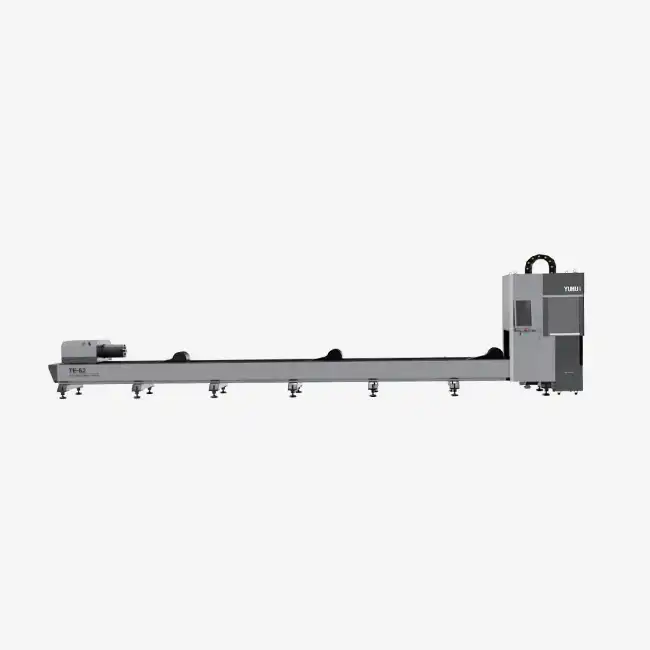
The YH-1625 model has high-tech vision systems that check the edges of the material and change the cutting paths instantly. This feature is very helpful when working with materials that aren't perfectly round or when working on several pieces at once. The method fixes any differences in where the materials are placed that would normally make cutting less accurate, keeping the tolerances at ±0.05 mm across the whole 1600x2500 mm work area.
Consistent Quality Across Production Runs
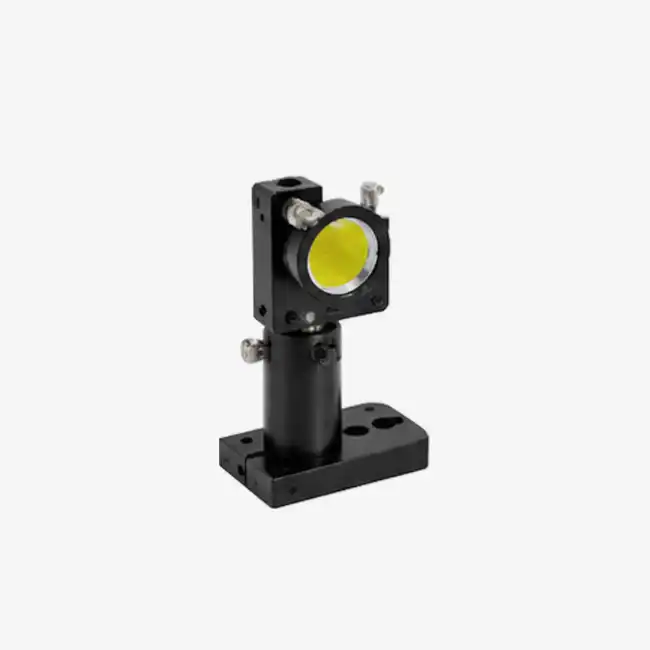
Industrial-grade lens technology, like the THF4 military-grade parts found in high-end systems, makes sure that the beam stays steady during long production runs. When there is uniformity, there is better product quality, fewer rejections, and less expensive repairs. Manufacturers say that switching from traditional cutting methods to clever systems with these advanced optical components cuts defects by more than 40%.
Material Waste Reduction
Cutting with precision naturally saves raw materials. Material utilization goes up by a huge amount when each cut takes the best path with the smallest kerf width and highest accuracy. Facilities that work with aluminum and stainless steel alloys report saving between 12 and 18% on materials every year. This has a direct effect on their profits while also helping with environmental efforts.
Increased Operational Efficiency and Production Speed
When it comes to making, speed is important. Intelligent high-speed cutting machines can go at speeds of 200 to 1200 mm/s and can be adjusted to get the best performance for the type of material and the thickness needed. This gives workers the freedom to find the best mix between speed and quality based on the needs of the job.
Adaptive Speed Control
Modern equipment changes the cutting speed on the fly, unlike systems with fixed speeds. The method speeds up to get the most work done when working with lighter materials that lose heat quickly. When it comes to bigger parts that need more energy, it automatically slows down to make sure that the whole section goes through and that the edges are formed cleanly. With this flexible method, there is no need for trial-and-error, which wastes important production time in standard setups.
Automated Feeding Systems
The fully automatic rewind-type feeding mechanism can handle materials up to 1650 mm wide and keeps moving the stock forward without any help from a person. This technology is especially helpful in situations where a lot of things need to be made quickly because the more quickly they can be made, the more output there is. When compared to manual loading, automated feeding increases throughput by 25 to 35 percent, according to production managers.
Reduced Setup Time
Ethernet transmission protocols make it easy to load programs quickly and set up machines quickly. Cutting patterns are downloaded directly from CAD systems, so there are no steps in between that slow down production. When automated calibration routines are added, setup times drop from hours to minutes. This makes it possible for facilities to accept smaller batch orders that weren't possible before.
Cost Reduction through Material and Energy Savings
Economic viability includes more than just the purchase price; it also includes the costs of running the equipment over its entire life. Intelligent high-speed cutting machines offer measurable cost benefits in a number of areas, which makes figuring out return on investment easier.
Energy Efficiency
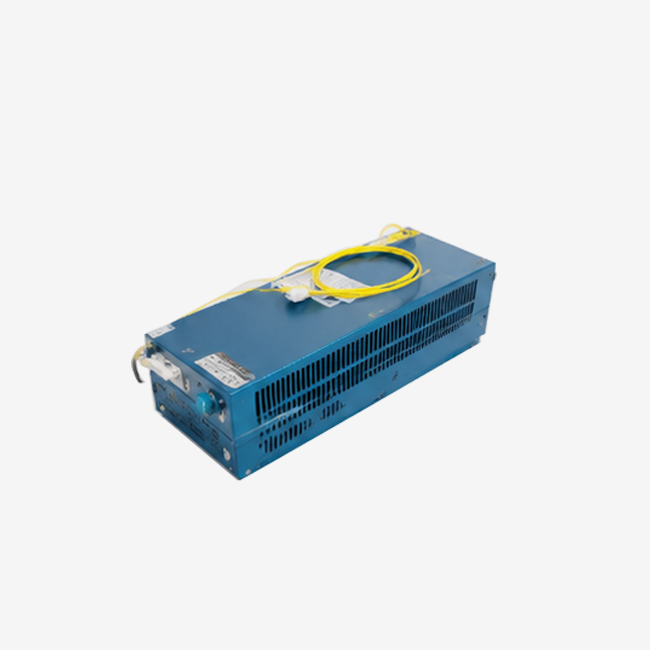
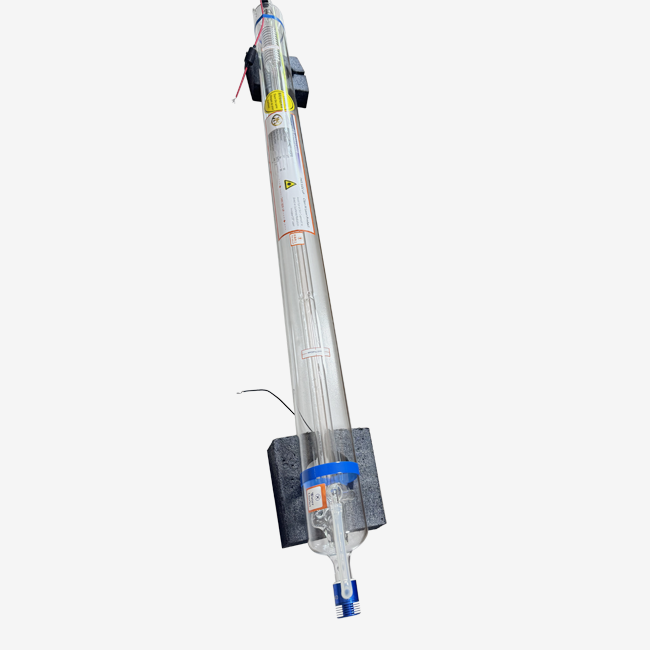
The amount of power used is a big practical cost in metal production. When compared to earlier CO₂ technology, modern fiber laser systems with rated powers between 7.5 kW and 11 kW use less energy. The precise beam control and optimized power delivery cut electricity use by about 30 to 45 percent per cutting hour, which saves a lot of money for facilities that work multiple shifts.
Predictive Maintenance Capabilities
Stable operation backed by dependable laser protection systems makes parts last longer and stops them from breaking down without warning. Smart monitoring constantly checks performance parameters and lets maintenance staff know about problems before they stop production. This preventative method lowers the cost of emergency repairs and increases the average time between breakdowns, which lowers the overall cost of ownership over the life of the equipment.
Lower Labor Requirements
Automation cuts down on the need for staff while also making output more consistent. Tasks that used to need more than one operator can now be overseen by a single person. This frees up skilled workers to do more important things, like quality control and process optimization. It is normal for labor costs to drop by 20 to 30 percent per hour after a clever system is put in place.
Flexibility and Adaptability Across Diverse Applications
Single-material, single-thickness production runs don't happen very often in manufacturing settings. Different needs must be met by equipment without having to be reconfigured in a big way. This is something that intelligent high-speed cutting machines do very well.
Wide Material Compatibility
These methods are just as good at working with stainless steel, carbon steel, aluminum, brass, and copper as they are with stainless steel. For many uses, the clean cutting edge made without burrs gets rid of the need for extra finishing steps. This flexibility is helpful for job shops and contract manufacturers that work with a lot of different industries that need different kinds of materials.
Customizable Thickness Range
These tools are good for a wide range of projects because they can cut materials up to 50 mm thick and can be customized to fit special needs. This range helps companies that make parts for cars make both thin bracket parts and bigger structure elements with the same tools. The system changes the power levels and cutting speeds on its own based on the thickness requirements set into each job file.
Integration with Existing Workflows
Standard CAD/CAM tools and ERP systems are compatible, so it's easy to add to existing production settings. Common design platforms can make files that can be sent directly to machine controllers without having to go through the trouble of format conversion. This ability to integrate speeds up the application process and makes it easier for engineering teams that already know how to use standard design tools in the industry to learn how to use the new ones.
Some manufacturers are hesitant to upgrade their automation at first because they are worried about how hard it will be to set up and how it will affect their workflow. Modern systems work well together when they are properly planned and installed, as we know from experience. Technical teams work with facility managers to make maps of current processes, find places where they can be integrated, and plan execution schedules that keep production running as smoothly as possible.
Enhanced Safety and Simplified Maintenance
Safety at work and reliable equipment are the building blocks of long-term manufacturing operations. Many safety features are built into modern cutting systems to protect both workers and the production process.
Comprehensive Laser Protection
Reliable laser protection systems keep people from being exposed to dangerous lasers while still allowing them to do their jobs. When access panels are opened, interlocked enclosures turn off beam generation immediately. This keeps repair workers safe during service procedures. Optical filters on viewing windows make it possible to watch the process without any danger. They meet international safety standards, such as the CE certification rules that say how equipment can be used in controlled markets.
Real-Time Performance Monitoring
Intelligent control systems keep an eye on dozens of operational parameters at the same time, looking for changes that might mean problems are starting to form. Temperature sensors check the state of the laser source, motion controls make sure the axes are positioned correctly, and power meters make sure the beam delivery is consistent. This thorough monitoring method allows condition-based maintenance planning, which stops failures before they happen instead of just fixing them when they happen.
Simplified Maintenance Procedures
The modular component design makes it easy to change worn-out parts quickly, without having to use special tools or take the whole thing apart. Quick-change interfaces on optical elements, nozzles, and protective windows cut down on service time from hours to minutes. This ease of access is especially helpful for factories that run nonstop production plans and can't afford to have long repair windows.
Leading equipment manufacturers know that proper maintenance and training for operators are very important for machines to work well. Long-term success is built on comprehensive support programs that include help with installation, training on how to use the equipment, and longer guarantee coverage. Our 450-day after-sales service commitment shows that we understand this and makes sure that technical help is always available during the crucial initial working time, when questions and chances to improve performance happen most often.
Intuitive Software and User-Friendly Interfaces
Operators can only get value from advanced technology when they know how to use it well. Modern cutting systems put usefulness first by using smart software architecture and well-thought-out interface design.
Simplified Control Systems
Touchscreens make it easy to use complicated machines by organizing menus in a way that makes sense. This makes training less necessary. Using familiar motions and easy-to-understand icons, operators move through screens for setting up jobs, changing parameters, and watching processes. When compared to older systems that needed a lot of computer understanding to run normally, this method makes learning a lot easier.
Data Analytics and Process Optimization
Built-in data keep track of production measures like how long it takes to cut, how much material is used, and how much energy is used per job. Managers look at this information to find ways to improve things and to compare how well different shifts or production lines are doing. Systematically collecting data gives us insights that help with ongoing efforts to make things better, which make things run more smoothly over time.
Remote Diagnostics Capabilities
Connecting to a network lets you monitor and get technical help from equipment suppliers from afar. When operators run into problems they don't understand or need expert advice, techs can check on the machines from afar, look at the error logs, and help operators right away without having to travel. This feature is especially useful for sites in places where getting computer help on-site takes a long time.
Future-Proof Technology Trends and Innovation Integration
As manufacturing technology changes all the time, there are worries that tools will become useless. This problem can be solved by intelligent high-speed cutting machines that have flexible designs and software-driven features that can be expanded in the future.
Industry 4.0 Compatibility
These systems follow the ideas of Industry 4.0 by being able to connect to networks, exchange data, and work with other systems to support smart factory projects. Production scheduling systems talk to machine managers immediately to make the best job scheduling decisions. Quality management systems, on the other hand, get cutting-edge data for statistical process control uses. Because of this connection, facilities can take advantage of new ways of making things without having to buy new tools.
Upgradeable Software Platforms
Software updates add new features, improve existing ones, and improve performance based on operational data that has been collected. Software-driven platforms get better over time as suppliers make changes based on user feedback and feedback from suppliers. This is different from mechanical systems where features stay the same after installation. This method increases the useful life of equipment while still allowing access to the newest technological advances.
Expandable Automation Options
Modular design lets you add small amounts of technology as production needs change or as the number of items being made increases. At first, facilities might only set up basic automated feeding systems. Later, when the business needs it, they could add material sorting systems or integrated storage solutions. This flexibility keeps people from spending too much on capacity that isn't being used and makes sure that growth paths are always open in case the situation calls for them.
Scalability and Support for Bulk and Lease Procurement
The choice to buy tools is heavily influenced by financial factors. Advanced cutting technology is available to businesses of all kinds and budgets thanks to flexible buying options and big discounts.
Volume Discount Programs
When distributors and manufacturers with different facilities buy a lot of units at once, they get big price breaks. These big rates make projects that aim to grow more affordable while also making sure that production sites all have the same abilities. Standardizing on common bases for tools also makes it easier to handle training, maintenance, and extra parts stock.
Factory-Direct Pricing Advantages
Direct relationships with manufacturers get rid of the markups that come from middlemen and raise the cost of equipment. When facilities buy from well-known makers, they get better prices and know they're getting genuine parts with full warranty support. Manufacturers who are good at what they do offer a 14-day production lead time that helps keep projects on schedule and meet the quality standards of CE and ISO-approved production sites.
Customization Without Premium Pricing
Strong OEM capabilities allow structure customization, function modification, and software adaptation to meet specific application needs without the big cost increases that come with custom manufacturing. This adaptability is very helpful for automation integrators who are making turnkey production cells because normal equipment setups might not exactly match what the system needs.
Reliable Brand Reputation and Customer Support
Investing in equipment means making a big financial commitment that goes beyond the initial purchase price and includes years of being dependent on the equipment for operations. When choosing a supplier, you should carefully think about the things that show that they will be around for a long time and be able to help you.
Established Manufacturing Heritage
Companies with long histories show stability and knowledge that newer companies entering the market can't match. Manufacturing experience that spans several years means that production processes have been fine-tuned, quality control systems are mature, and supply chains are well-established. All of these things help to ensure stable product quality and reliable delivery performance.
Transparent Quality Certifications
CE and ISO approvals are objective ways to make sure that factory standards are met and that products are safe. These certifications need to be checked by outside groups on a regular basis, making sure that documented quality procedures are always being followed. Facilities that work with regulated industries or that export to markets with strict compliance requirements should make sure that their suppliers keep their certifications up to date so that they can sell to those markets.
Comprehensive Service Infrastructure
Support after the equipment is installed is what makes the difference between it being a reliable production tool and an ongoing source of frustration. Suppliers who offer installation help, operator training, technical support, and replacement parts that are easy to find show that they care about their customers' success beyond the initial sales transaction. Longer warranty terms than the standard in the industry show that the maker is confident in the product's long-term reliability and performance.
Environmental and Regulatory Compliance Benefits
As companies take care of their environmental tasks and plan for changes in the law, sustainability factors are becoming more important in their purchasing decisions. Multiple aspects of the world are improved by intelligent high-speed cutting machines.
Reduced Material Waste
Precision cutting naturally makes less waste that needs to be thrown away. The clean edges that are made without any secondary finishing get rid of the extra waste that comes from grinding or deburring. Facilities record 30–50% less trash than with mechanical cutting methods, which lowers disposal costs and supports the company's green goals.
Energy Efficiency and Carbon Footprint
Lowering the amount of power used leads directly to lower carbon pollution, especially in places where fossil fuels are used a lot to make energy. Modern fiber laser technology uses less energy, which helps companies meet their carbon reduction goals and lowers their running costs at the same time. This double benefit aligns environmental and economic goals instead of making people choose between competing ones.
Compliance with International Standards
Equipment that meets CE safety and environmental standards meets the rules in most of the world's big markets. This compliance gets rid of barriers to entering new markets and keeps businesses from having to make expensive changes or replace expensive equipment when they go global. Being proactive about following strict standards protects against changes in regulations that could make equipment that doesn't follow the rules useless before it's time.
Conclusion
Intelligent high-speed cutting technology has huge advantages in accuracy, efficiency, cost control, and the ability to change how things are done. Automatic edge detection, military-grade optical components, and adaptive control systems work together to solve basic manufacturing problems and set businesses up for future growth. Buying advanced cutting platforms from well-known companies with solid support networks is a smart move that goes beyond current production needs and considers long-term competitive standing in industrial markets that are always changing.
FAQ
What material thicknesses can intelligent cutting machines process effectively?
Modern systems can work with materials as thin as a gauge sheet and as thick as 50 mm. Their abilities depend on the type of material and the laser power. The YH-1625 configuration, which has a rated power of 7.5–11 kW, can work with typical metals of this thickness range. It also has customization choices for unique uses that need more than standard features.
How do intelligent systems reduce operational costs compared to traditional cutting equipment?
Cost benefits build up in a number of ways, such as less waste due to precise cutting, lower energy use due to laser technology that works more efficiently, less need for labor due to automation, and less downtime due to predictive maintenance. After installing an intelligent system, facilities usually see a 25–40% drop in their overall running costs within the first year.
What training requirements exist for operators transitioning to intelligent cutting systems?
Compared to older tools, training takes a lot less time with user-friendly interfaces and simple controls. Operators who know the basics of computers usually become operationally proficient within two to three days of hands-on training. Over the next few weeks, they gain advanced optimization skills through hands-on experience and ongoing technical support from equipment suppliers.
Partner with Yuhui Laser for Advanced Cutting Solutions
Yuhui Laser is ready to help your manufacturing progress with smart cutting technology that has been tested and is backed by a full service guarantee. Precision, effectiveness, and dependability are all delivered by our YH-1625 Intelligent High-Speed Cutting Machine. As a well-known company that makes fiber laser cutting machines, we offer quality that is CE-certified, factory-direct pricing, and 450 days of service after the sale to protect your investment during the important first few months of use.
Our engineering team works closely with distributors, metal processing plants, and technology developers to create unique solutions that meet the needs of each application. Our 14-day manufacturing lead time and flexible OEM capabilities allow us to get projects done quickly without sacrificing quality. This is true whether you need standard configurations that can be used right away or custom systems that are designed to work in specific production environments.
Email our technical experts at jianghui@yuhui-laser-tech.com to talk about your cutting needs and find out how Yuhui Laser's Intelligent High-speed Cutting Machine for sale can help you make more things. Visit yuhui-laser-tech.com to explore our complete product portfolio and request detailed specifications tailored to your manufacturing needs.
References
1. Anderson, Michael R. Advances in Laser Cutting Technology: Precision Manufacturing in the Digital Age. Industrial Press, 2023.
2. Chen, Wei, and Thompson, Robert J. "Intelligent Control Systems for High-Speed Material Processing." Journal of Manufacturing Science and Engineering, vol. 145, no. 3, 2024, pp. 112-128.
3. European Commission Joint Research Centre. Energy Efficiency in Metal Fabrication: Comparative Analysis of Cutting Technologies. Publications Office of the European Union, 2023.
4. Martinez, Sofia L. Automation Integration in Modern Manufacturing: Strategic Approaches to Production Optimization. McGraw-Hill Education, 2024.
5. National Institute of Standards and Technology. Precision Measurement and Quality Control in Automated Manufacturing Systems. U.S. Department of Commerce, 2023.
6. Zhang, Huimin, and Patel, Rajesh K. "Cost-Benefit Analysis of Intelligent Cutting Systems in Metal Processing Industries." " International Journal of Production Research," vol. 62, no. 8, 2024, pp. 2847-2865.
Contact us directly for customized solutions, quotations and long-term strategic cooperation.