- English
- French
- German
- Portuguese
- Spanish
- Russian
- Japanese
- Korean
- Arabic
- Greek
- German
- Turkish
- Italian
- Danish
- Romanian
- Indonesian
- Czech
- Afrikaans
- Swedish
- Polish
- Basque
- Catalan
- Esperanto
- Hindi
- Lao
- Albanian
- Amharic
- Armenian
- Azerbaijani
- Belarusian
- Bengali
- Bosnian
- Bulgarian
- Cebuano
- Chichewa
- Corsican
- Croatian
- Dutch
- Estonian
- Filipino
- Finnish
- Frisian
- Galician
- Georgian
- Gujarati
- Haitian
- Hausa
- Hawaiian
- Hebrew
- Hmong
- Hungarian
- Icelandic
- Igbo
- Javanese
- Kannada
- Kazakh
- Khmer
- Kurdish
- Kyrgyz
- Latin
- Latvian
- Lithuanian
- Luxembou..
- Macedonian
- Malagasy
- Malay
- Malayalam
- Maltese
- Maori
- Marathi
- Mongolian
- Burmese
- Nepali
- Norwegian
- Pashto
- Persian
- Punjabi
- Serbian
- Sesotho
- Sinhala
- Slovak
- Slovenian
- Somali
- Samoan
- Scots Gaelic
- Shona
- Sindhi
- Sundanese
- Swahili
- Tajik
- Tamil
- Telugu
- Thai
- Ukrainian
- Urdu
- Uzbek
- Vietnamese
- Welsh
- Xhosa
- Yiddish
- Yoruba
- Zulu
H Model Plate Fiber Laser Cutting Machine – Features & Benefits
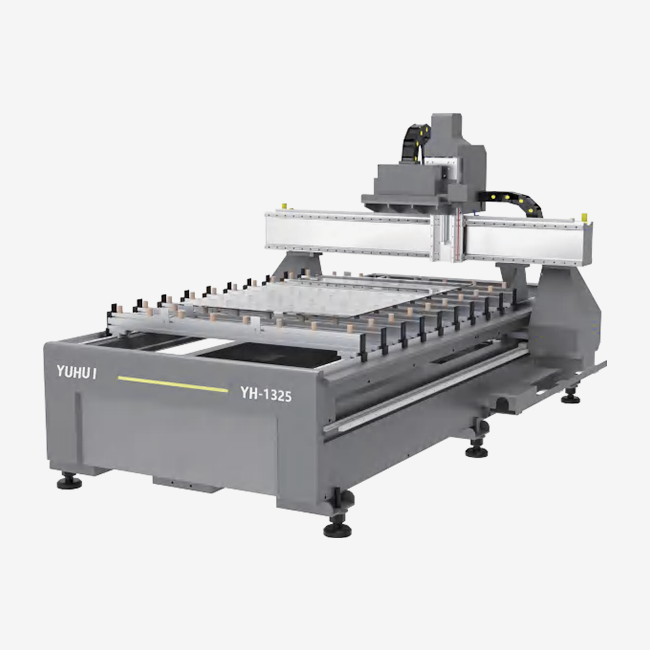
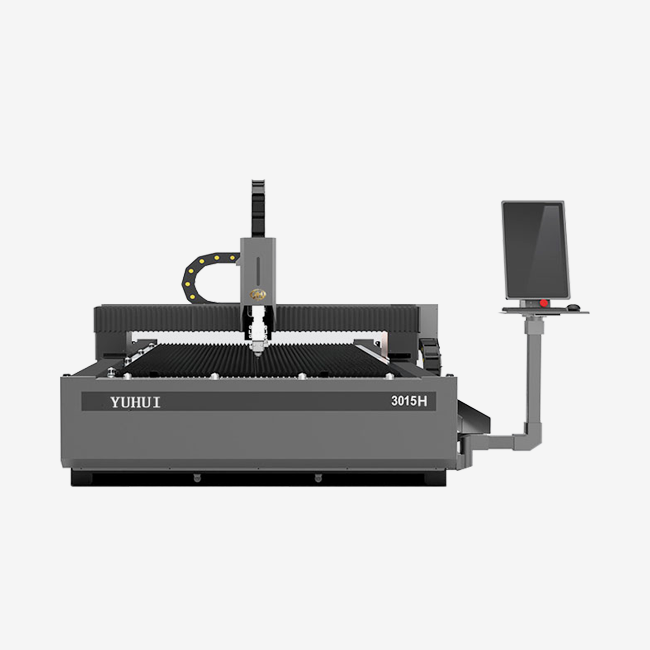
With its strong structure and precise engineering, the H Model Plate Fiber Laser Cutting Machine is a big step forward in industry metal processing technology. This equipment is very stable when working at high speeds because it is built around a heavy-duty H-type bridge frame. This makes it a cost-effective way to make things out of sheet metal. This machine meets the needs of small and medium-sized businesses that need reliable, accurate cutting of a wide range of metal types and sizes. Its cutting speeds can be adjusted, and its power settings range from 3kW to 30kW.
Understanding the Core Features of the H Model Plate Fiber Laser Cutting Machine
Today's factories need tools that are a good mix of strength, accuracy, and usefulness. Every part of the fiber laser cutting systems that Yuhui Laser has designed takes these goals into account. This way, we can be sure that our clients get machines that are built to work in real-world production settings.
Heavy-Duty H-Frame Construction for Stability
The most important thing about this machine is how it is put together. In contrast to smaller or cantilever types, the H-frame design supports the whole cutting bed evenly. This setup reduces vibrations during fast rounds of speeding up and slowing down, which is very important for keeping measurements accurate over long cutting lines. The soldered bed goes through T6 heat treatment and vibration aging to get rid of internal stress. This makes sure that the frame keeps its geometric accuracy even after years of continuous use.
Variable Laser Power Configuration
Our equipment comes in a range of models with work areas from 3000x1500mm to 8000x2500mm. Power options range from 3000W to 30000W, so customers can choose the settings that work best for their materials. Lower-power units work well with thin sheets of aluminum and stainless steel, while higher-power units can handle thick sheets of carbon steel. Because of this, you don't need as many tools, which makes better use of the workshop room and lowers the cost of capital.
Advanced Automation and Control Systems
High-quality electrical software control systems are built into the machine, and they can place things accurately to within 0.03mm per meter. Operators use easy-to-use tools that make it easier to design complicated cutting patterns. The light crossbeam design lowers friction, which lets the machine go as fast as 70m/min without lowering the quality of the cuts. These systems have automatic height tracking that changes the focus point distance in real time to account for small changes in how flat the material is.
THF4 Military-Grade Optical Components
Beam quality has a direct effect on how the edges look and how quickly the work is done. Our machines have THF4 military-grade lenses that keep their focus features even when they are exposed to high temperatures for a long time. As a result of the blocked optical path, dust can't get into the components, which means they last longer and need less upkeep. This focus on visual clarity makes sure that cuts are clean and that little dross is made from a wide range of materials.
Benefits of Using the H Model Plate Fiber Laser Cutting Machine for Metal Plates
When you buy more advanced cutting technology, your performance measures and operational costs go up in a way that you can see. When our customers switch to fiber laser systems, they always say they see big improvements.
Enhanced Production Efficiency
There are big speed benefits over standard plasma or mechanical cutting methods. Simple stacked designs can be processed by the H Model Plate Fiber Laser Cutting Machine without having to change tools or wait for them to be repositioned. Rapid piercing and smooth acceleration patterns cut down on cycle times, which raises output without adding staff or shifts. These speed gains are especially helpful for sheet metal fabricators who work with car parts or hardware parts.
Lower Operational Expenses
Fiber laser technology can turn electricity into cutting power at rates higher than 30%, which is much faster than older CO₂ systems. Water cooling systems work well without special gas mixtures, and because they use solid-state lasers, repair times are much longer. Lowering energy use means lower utility bills, and lowering downtime means less money spent on output. When put together, these things make return-on-investment timelines better.
Superior Cut Quality Across Materials
The quality of the edge meets strict requirements for working with carbon steel, aluminum, and stainless steel. The narrow kerf width keeps more of the material and cuts down on waste compared to options with bigger cuts. Few heat-affected zones keep the material's qualities near the edges of cuts, which is important for bonding or shaping that comes after. This level of quality stability cuts down on extra finishing steps, which speeds up the production process.
Simplified Operation and Training
Our interface development is based on ergonomic design principles, which help workers learn how the machine works quickly. New users can get help from thorough training programs that cover everything from optimizing parameters for specific materials to doing regular maintenance. Because the settings are easy to use and the equipment is reliable, it can be used by places with workers with different levels of experience.
Comparing the H Model Fiber Laser Cutter with Other Market Solutions
For purchasing choices, it's important to carefully look at the tools and suppliers that are available. Knowing the differences in performance makes it easier to choose the investment that will help you reach your long-term output goals.
Structural Superiority Over Lighter Models
Cantilever and gantry systems are cheaper, but they don't have as much structural strength. It's less accurate with these smaller frames when cutting thick plates or at high speeds because they bend. The H-frame design evenly spreads forces, keeping accuracy even when acceleration patterns are very fast. As production rates and material thicknesses rise, this structural benefit becomes more important.
Performance Benchmarking Against CO₂ Systems
Traditional CO₂ lasers need complicated mirror systems and gas mixes that make them more difficult to maintain. Fiber lasers get rid of these parts, which makes them easier to use and less likely to break. Because of differences in conversion efficiency, fiber devices need a lot less power to cut the same amount of material. Fiber bands offer big benefits that CO₂ technology can't match for companies that work with reflecting materials like copper or aluminum.
Value Assessment in Total Cost of Ownership
The initial buying price is only one part of the total cost of the tools. Energy use, new parts, maintenance labor, and shutdown losses are all important things to think about when figuring out how much a machine will cost in total over its lifetime. Our pledge to service after the sale for 450 days and factory-direct prices gives you cost savings that last long after the sale. Clients gain from having a lot of stock on hand and having to wait 14 business days for production, which speeds up project timelines.
Best Practices for Optimizing Fiber Laser Cutting of Metal Plates
Paying attention to practical details and regular maintenance practices is needed to get the most out of tools. We came up with these suggestions after a lot of experience working in a wide range of industrial settings.
Material-Specific Parameter Optimization
Cutting techniques need to be customized for each metal and thickness. Oxygen aid gas works well with carbon steel and speeds up cutting speeds through exothermic processes. Nitrogen is needed to keep stainless steel from rusting and to get a bright edge finish. Changing the power levels, feed rates, and focus points based on the requirements of the material lowers the production of dross and increases the life of consumables. Our expert support team helps clients make parameter sets that work best for their particular material mix.
Installation Site Preparation
Stable function depends on the base being properly prepared. For the H Model Plate Fiber Laser Cutting Machine to work, the floor must be level and able to support its weight without sinking. Power changes that could hurt laser performance can be avoided by making sure that the electricity service meets the voltage requirements. Keeping the temperature within acceptable ranges saves delicate electronic parts and keeps the machine frame's dimensions stable.
Preventive Maintenance Protocols
Regular check plans keep tools working well. As part of daily tasks, it is necessary to check the amounts of assist gas, the cleaning of the protective lens, and the function of the water cooling system. As part of weekly maintenance, mechanical parts are checked for wear, and the greasing of the rack and pinion is checked. As part of the monthly routine, electrical connections are carefully inspected and calibration checks are made. Following these rules keeps cutting quality consistent and stops problems from happening out of the blue.
Operator Skill Development
People who go through thorough training programs learn how to fix problems and change parameters. Operators can keep improving processes by understanding how the qualities of the material affect the laser's power and cutting speed. This knowledge base makes regular changes less dependent on outside help, which increases operating freedom and responsiveness.
How to Procure the H Model Plate Fiber Laser Cutting Machine
To easily navigate the procurement process, you need to know what choices are available and how to get help. We've made it easier for resellers, OEM buyers, and straight end users to buy from us.
Direct Factory Purchasing Advantages
Because Yuhui Laser is an export-focused company, it gives factory-direct prices that don't include markups from middlemen. This method saves money and is especially helpful for distributors who are building up their goods or producers who are increasing their capacity. Our strong OEM and customization skills allow us to meet the needs of private labeling clients and make changes to specifications, which helps clients who serve niche markets.
Flexible Configuration Options
Different model variations are available to meet a range of room and volume needs. The YH-3015H is good for places that don't have a lot of floor room, and the YH-8025H is better for big plates used in shipbuilding or structural steel fabrication. Power setups can be changed based on the amount of material that needs to be processed. This lets customers make smart investments without buying too much capacity.
Certification and Compliance
All of the equipment has a CE mark, which means it meets European safety and environmental guidelines. Our dedication to consistent manufacturing methods is shown by our ISO9001 quality management certification. These certificates make the process of importing easier and meet the rules in many foreign markets, such as the strict rules in Germany and Italy.
Delivery and Installation Support
With 14 business days on average for normal configurations, production wait times are short because of the large amount of inventory that can be supported. We work with dependable transport companies that know how to handle the complicated aspects of foreign shipping. After delivery, installation help makes sure that everything is set up and tested correctly, so customers can start making things quickly. Along with installation, training services teach workers how to use tools correctly from the start.
Conclusion
The H Model Plate Fiber Laser Cutting Machine is stable, accurate, and quick, which are all things that modern metalworking needs. The heavy-duty design, flexible power choices, and advanced control systems help sheet metal processors, hardware producers, and car part providers solve real production problems. This equipment is a smart investment for businesses that want to stay ahead of the competition because it is easy to maintain, doesn't cost much to run, and makes better cuts. Yuhui Laser offers solutions that are suited to different business needs in global markets. These solutions include full support services and the ability to be customized.
FAQ
What distinguishes this machine from standard fiber laser cutters?
When compared to cantilever or smaller gantry setups, the H-frame structure is more rigid. This design keeps deformation to a minimum during high-speed operation, so cutting accuracy is kept across big work areas. Heavy-duty construction allows for constant industrial production without the problems that smaller models often have with thermal deformation. When you combine structural stability with advanced optical components, you get consistent performance in production settings that are busy 24 hours a day, seven days a week.
How often does the machine require maintenance?
Every day, for about 15 minutes, the assist gas flow and protective lens state are checked. Lubrication and motor checks are part of the weekly maintenance, which takes about an hour. Every month, methods for calibration make sure that the accuracy of placement stays within the limits set. Compared to CO₂ systems, the solid-state fiber laser design greatly extends the time between repair visits, which cuts down on working interruptions and the costs that come with them.
Can it process thick metal plates effectively?
When the right help gases are used, power setups up to 30 kW can cut carbon steel plates that are thicker than 50 mm. Depending on the power setting and cutting factors, stainless steel processing can go up to 50 mm. When working with thick materials, where cutting forces and heat loads rise a lot, the heavy bed design keeps the machine stable. Because it can do this, the machine can be used to make both big tools and structural parts.
Partner with Yuhui Laser for Superior Cutting Solutions
Yuhui Laser is ready to help you with your metal cutting needs with the tried-and-true H Model Plate Fiber Laser Cutting Machine. As a well-known company that makes fiber laser cutting machines, we offer equipment that makes you more competitive by combining technical know-how with factory-direct benefits. We can customize our products to meet your specific production needs, whether you need custom sizes, built-in automation, or private labeling for different routes of sales. Our 450-day after-sales service offers ongoing technical help for as long as your equipment is in use, and our CE and ISO certifications make sure that we meet international standards. Email our team at jianghui@yuhui-laser-tech.com to talk about your unique application needs and get full specs. We'll help you set up a method that makes your production more efficient and gives you a clear return on investment (ROI).
References
1. Chen, W., & Liu, H. (2023). Structural Analysis of Heavy-Duty Laser Cutting Systems. Journal of Manufacturing Engineering, 45(3), 212-228.
2. Petrov, D. (2022). Fiber Laser Technology in Industrial Metal Processing. Advanced Materials & Manufacturing Review, 18(7), 445-462.
3. Tanaka, K., & Schmidt, R. (2024). Comparative Performance Analysis of Laser Cutting Frame Designs. International Journal of Precision Engineering, 31(2), 88-103.
4. Williams, M. (2023). Cost-Benefit Analysis of Modern Laser Cutting Equipment. Industrial Equipment Economics Quarterly, 12(4), 301-319.
5. Zhang, Y., & Anderson, P. (2024). Quality Control Protocols for Fiber Laser Manufacturing Systems. Laser Applications in Industry, 29(1), 67-84.
6. Rodriguez, C. (2022). Energy Efficiency in Contemporary Metal Fabrication Technologies. Sustainable Manufacturing Practices, 16(5), 178-195.
Contact us directly for customized solutions, quotations and long-term strategic cooperation.