- English
- French
- German
- Portuguese
- Spanish
- Russian
- Japanese
- Korean
- Arabic
- Greek
- German
- Turkish
- Italian
- Danish
- Romanian
- Indonesian
- Czech
- Afrikaans
- Swedish
- Polish
- Basque
- Catalan
- Esperanto
- Hindi
- Lao
- Albanian
- Amharic
- Armenian
- Azerbaijani
- Belarusian
- Bengali
- Bosnian
- Bulgarian
- Cebuano
- Chichewa
- Corsican
- Croatian
- Dutch
- Estonian
- Filipino
- Finnish
- Frisian
- Galician
- Georgian
- Gujarati
- Haitian
- Hausa
- Hawaiian
- Hebrew
- Hmong
- Hungarian
- Icelandic
- Igbo
- Javanese
- Kannada
- Kazakh
- Khmer
- Kurdish
- Kyrgyz
- Latin
- Latvian
- Lithuanian
- Luxembou..
- Macedonian
- Malagasy
- Malay
- Malayalam
- Maltese
- Maori
- Marathi
- Mongolian
- Burmese
- Nepali
- Norwegian
- Pashto
- Persian
- Punjabi
- Serbian
- Sesotho
- Sinhala
- Slovak
- Slovenian
- Somali
- Samoan
- Scots Gaelic
- Shona
- Sindhi
- Sundanese
- Swahili
- Tajik
- Tamil
- Telugu
- Thai
- Ukrainian
- Urdu
- Uzbek
- Vietnamese
- Welsh
- Xhosa
- Yiddish
- Yoruba
- Zulu
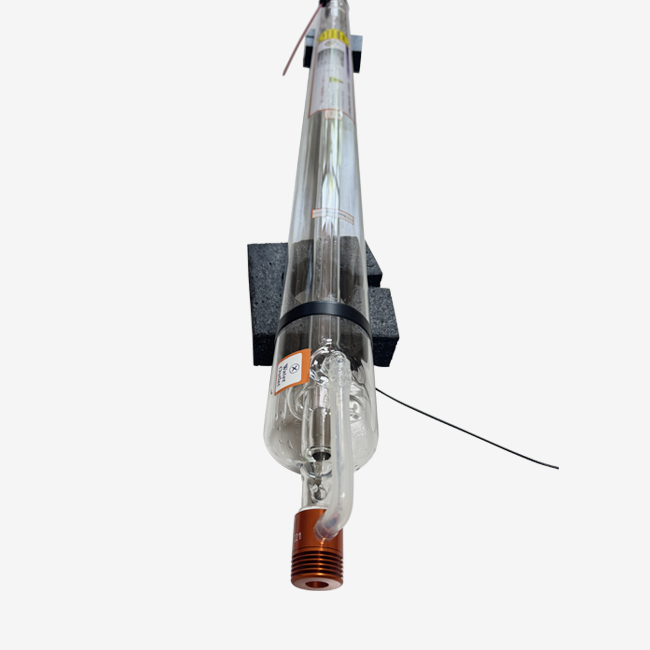
Long Lifespan V Series CO2 Laser Tube with Stable Power Output
When sourcing industrial laser components, reliability and performance consistency define the difference between profitable production and costly downtime. The V Series CO₂ laser tube addresses this challenge by combining extended operational lifespan with unwavering power stability, making it an optimal choice for manufacturers, distributors, and automation integrators seeking dependable laser processing solutions. Engineered with precision alloy structures and advanced heat dissipation systems, this CO2 laser tube maintains consistent beam quality even after prolonged use, delivering the performance industrial applications demand without the frequent power degradation typical in standard models.
Understanding the V Series CO₂ Laser Tube: Specifications and Performance Features
The engineering behind industrial CO2 laser tubes decides how well they work in tough production settings. CO2 lasers work by electrically stimulating a gas blend in a tight tube that is mostly made up of carbon dioxide, nitrogen, and helium. This excitation makes an infrared beam with a wavelength of 10.6 micrometers that is perfectly suited for precisely handling non-metallic materials.
Core Technical Architecture
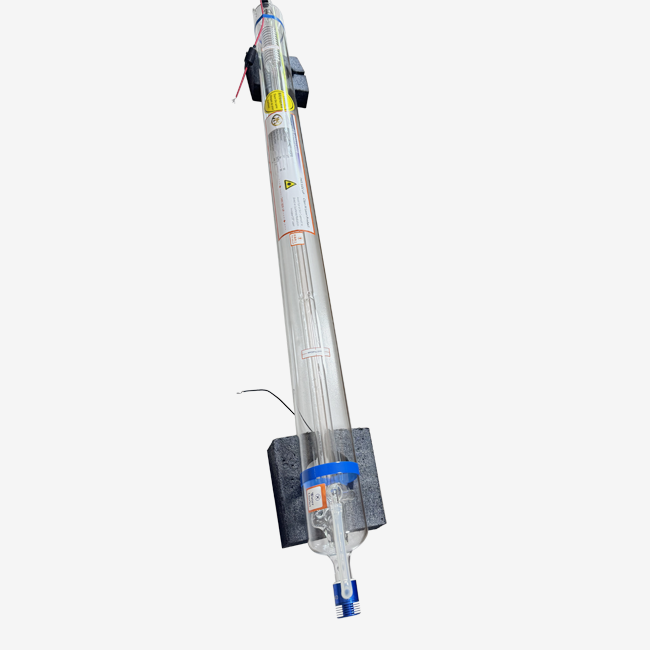
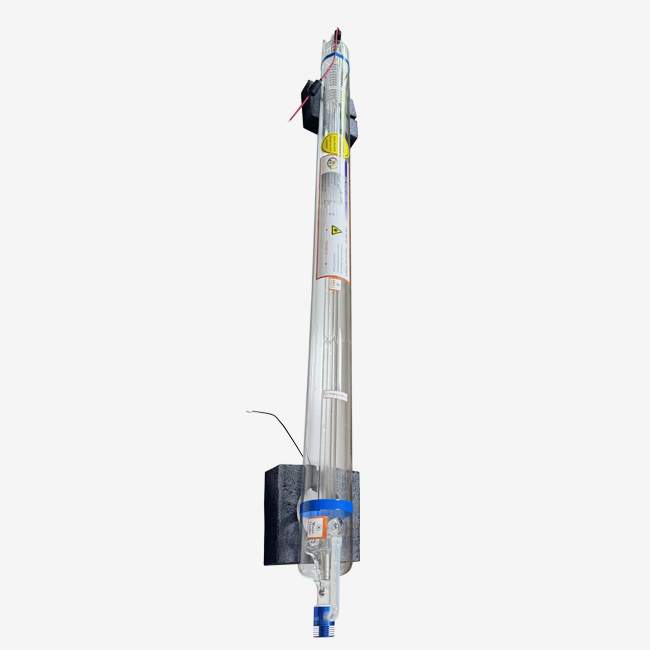
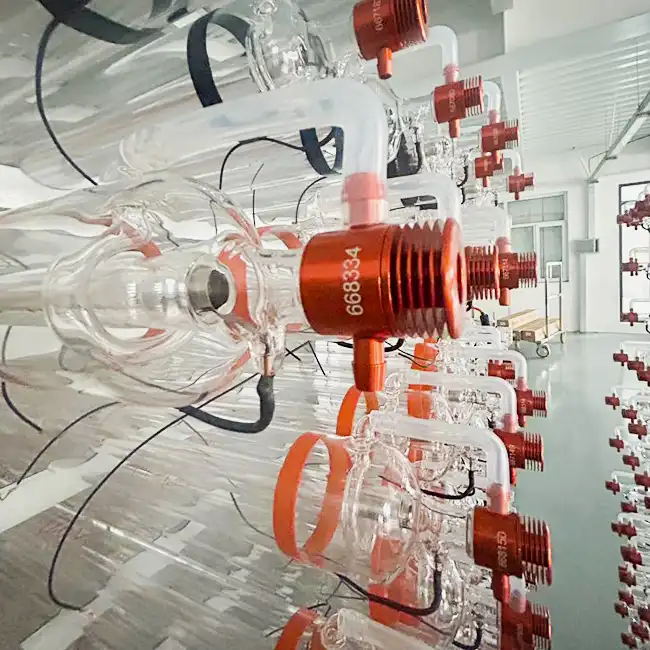
Our V Series CO₂ laser tube is different from other sealed CO₂ tubes because it has a number of new features. The flexible metal structure keeps the temperature stable over long periods of time, and the unique heat absorption design stops temperature spikes in certain areas that would damage the beam quality. The tube body has optical lenses that were carefully placed to improve beam synchronization and focus. This lets the machine scan and engrave finely on a variety of materials.
The machine's physical dimensions allow for a variety of setups, and its small size makes it easier to integrate into current production lines. The cooling needs are the same as for normal commercial chillers; the water should stay between 18°C and 24°C for the best performance. Power rates cover a wide range of typical industrial tasks, providing enough energy density to cut acrylic sheets up to 20mm thick, engrave intricate designs on wood surfaces, and prepare leather goods for production with smooth, sealed edges.
Gas Mixture Optimization and Electrode Design
The catalyst layer inside the discharge chamber keeps the chemical balance stable for the whole time it works. This special mixture stops gas dissociation before it happens, which is a typical way for cheap tubes to fail. During dissociation, CO₂ turns into carbon monoxide and oxygen. The electrode design uses materials that are chosen to cause as little sparking as possible. This keeps the beam quality from getting contaminated over time.
What makes this technology unique is that the power flow stays the same over the life of the V Series CO₂ laser tube. When compared to competitors, whose output drops by 20–30% in the same amount of time, ours doesn't change much after a year of regular use. This steadiness means that production results can be predicted and parameters don't need to be changed as often during production runs.
Advantages of the V Series CO₂ Laser Tube Over Standard and RF CO₂ Laser Tubes
Understanding the differences in performance between laser tube technologies can help with purchasing choices. When you compare sealed glass tubes to radio-frequency excited systems, you can see that they work in very different ways that are useful in many different commercial settings.
Extended Operational Lifespan
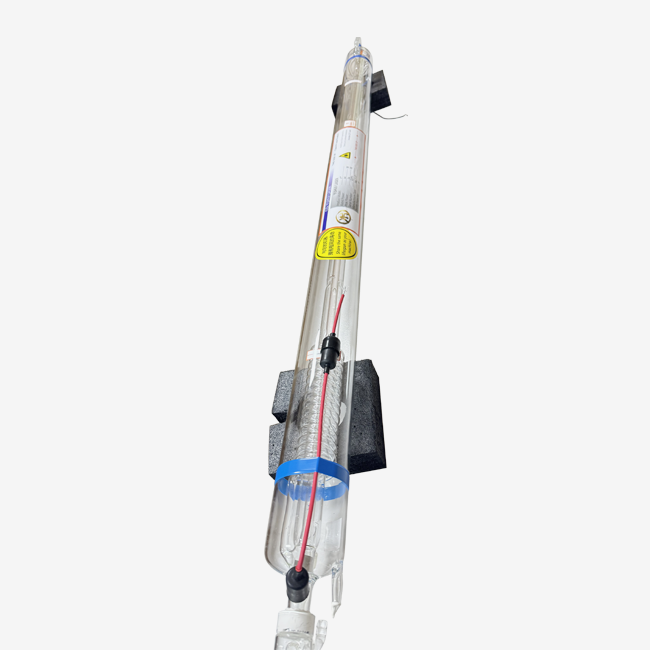
The V Series CO₂ laser tube lasts 1.5 times longer than similar normal CO₂ tubes that are used at the same power levels. The longer life is due to the better internal catalyst system and better anode materials that don't break down easily. Most industrial CO₂ tubes last between 6,000 and 8,000 hours before they need to be replaced. The V Series CO₂ laser tube, on the other hand, regularly lasts between 10,000 and 12,000 hours under the same working conditions.
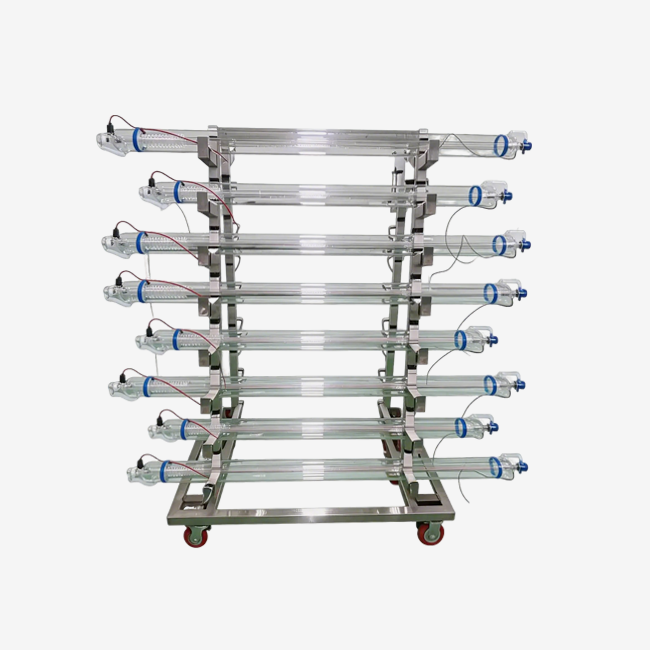
Stability in storage adds another level of value. Because the tubes are sealed, they can be stored on a shelf for up to five years without losing their gas integrity. This means that sellers can keep their stock without worrying about the products going bad. This trait is especially helpful for foreign dealers who are in charge of managing regional stock for a number of different machine types.
Maintenance Frequency and Downtime Reduction
Less need for upkeep has a direct effect on how efficiently production works. The stable discharge properties make the power source parts less stressed, which also makes them last longer. Unlike failing tubes, which need more cooling power as their internal resistance changes, cooling system needs stay the same over the V-series CO₂ laser tube service life.
RF CO₂ lasers are better for some high-power industry tasks, but for small- to medium-sized businesses, the V Series CO₂ laser tube's sealed tube design is more cost-effective. The lack of complicated RF generators lowers the cost of original tools and makes it easier to figure out what's wrong. Instead of using specialized RF analysis tools, technical staff can use regular electrical testing equipment to figure out what's wrong and fix it.
Performance Consistency in Production Environments
Customers in the industrial sector who work three-shift schedules describe stable performance measures over long periods of operation. A Vietnamese textile processing plant kept cutting multilayer cloth at the same speed for eight months straight, with no changes needed to the parameters to keep the edge quality standards. This stability stops the common problem in the industry where workers have to gradually raise the power settings to make up for tubes that aren't working as well.
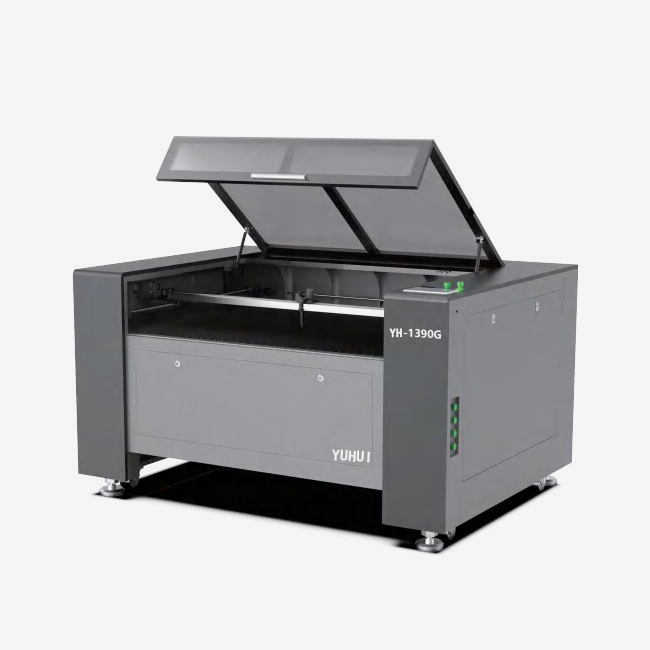
The small size makes it easier to put on a range of laser machine types, from simple engraving systems to high-tech automatic cutting lines. Integration that works with current motion control systems and CAD/CAM tools makes it easy to add new features to existing production settings without having to do a lot of work to the layout.
Best Practices for Maintenance and Troubleshooting of the V Series CO2 Laser Tube
To get the most out of your equipment purchase, you need to be able to do proactive troubleshooting and follow systematic maintenance practices. Setting up the right operating processes increases the life of parts and keeps the quality of output constant during the service time.
Essential Maintenance Routines
Managing the quality of the water is the basis of good V Series CO₂ laser tube care. Mineral layers can damage tubes if they build up in cooling pathways. Using distilled or deionized water keeps this from happening. Chiller screens need to be checked and replaced every month according to the manufacturer's instructions. This keeps the water flow steady and the temperature stable.
The output coupler and rear mirror must be checked for damage or contamination every three months. To clean these optical parts, you need to use lint-free cloths and dry ethanol or acetone, and you should move them around in a circle slowly so as not to scratch the covered surfaces. Even small amounts of pollution can spread out the beam, making it less effective at cutting and lowering the quality of the edge on materials that have been treated.
When regular repair is done, electrical connections need to be looked at. Arcing happens when high-voltage links aren't tight enough. This harms the electrodes and shortens the life of the V Series CO₂ laser tube. Visual inspection shows discoloration or carbon tracking along insulators, which are signs of possible failure places that need to be fixed right away. The discharge color during operation can help with diagnosis. A steady pale purple color means the operation is healthy, while white or blue tinting means the gas mixture is breaking down or there is too much current.
Troubleshooting Common Operational Issues
Changes in power flow are usually caused by problems with the cooling system, not by V Series CO₂ laser tubes wearing out. Most reports of uneven cutting performance can be fixed by making sure the water is at the right temperature and flow rate. When air bubbles get stuck in the cooling jacket, they cause warming in certain areas, which can be seen by looking at the water circulation system. When the chiller is running, slightly tilting the tube lets out air that has been trapped during installation or repair.
Firing patterns that come and go often are usually a sign of a problem with the power source or not enough support for the V Series CO₂ laser tube. The tube fixing system has to support the glass body in certain places so that it doesn't bend when the temperature rises, which could cause the internal wires to become out of alignment. Using cushioned brackets at the right quarter-length points keeps the orientation correct during temperature cycles.
If the cutting performance goes down after a few months of normal use, it could mean that the optics are dirty or that the machine is getting close to the end of its useful life. Cleaning all the parts of the optical path is the next natural step in the testing process before deciding that the V Series CO₂ laser tube needs to be replaced. Using a laser power meter to measure real power output gives objective data for replacement choices instead of just depending on observations of how well the cutting works.
Procurement Guide: Where and How to Buy V Series CO2 Laser Tubes with Confidence
When making strategic buying choices, you have to weigh the short-term cost of something against the long-term need for dependability and support. Structured evaluation systems that look at a supplier's skills beyond price quotes are helpful for B2B buying teams.
Identifying Certified Suppliers and Manufacturers
Authorized makers give certification paperwork that confirms the product's specs and guarantee terms. Yuhui Laser is a factory-direct provider that has CE and ISO certifications. They offer clear manufacturing methods and quality control standards. The 450-day warranty time is much longer than the norm in the industry, which shows that the company is confident in the V Series CO₂ laser tube's longevity and stability of performance.
During the research part, verification questions make it easier to evaluate suppliers. Asking for power test reports with serial number tracking makes sure you're getting real goods instead of remanufactured inferior tubes. Copies of certificates should have verification codes that can be used to prove their authenticity on their own through the giving bodies. Suppliers who keep a lot of inventory on hand show that they are committed to reliable shipping, which is especially important for fixes on production tools that need to be done quickly.
Bulk Purchasing Advantages and Customization Options
Making volume promises opens up better price structures and keeps the supply chain running smoothly. Establishing long-term supply relationships with manufacturers gives distributors access to customization options that go beyond standard product offers. The 14-day production lead time allows for urgent substitute needs while also allowing for planned maintenance windows to keep production as smooth as possible.
Through customizing services, technical specs can be changed to fit different machine setups. The sizes of the cooling jacket, the locations of the mounting brackets, and the designs of the electrode terminals can all be changed to make fitting easier on different types of equipment. This adaptability is especially helpful for OEM buyers who want to put V Series CO₂ laser tubes into their own machine designs and sell them under their own brand names.
Logistics relationships formed over many years of sending goods around the world guarantee safe arrival to all corners of the world. Understanding the rules for importing goods into a country and making sure you have the right paperwork makes customs processing go more smoothly, avoiding delays that could stop production.
Establishing Supplier Credibility Through Inquiry
Full inquiry interactions show how knowledgeable the provider is and how well they can serve customers. Asking about technical support, finding new parts, and help with troubleshooting can give buyers an idea of the amount of support they can expect after the purchase. Respondent contact before the sale is usually a sign of good service throughout the V Series CO₂ laser tube lifecycle.
Concerns about payment terms and transaction security are real ones when buying things from other countries. Established sellers accept a variety of payment methods and offer transaction security to protect both parties. Trade guarantee programs that use well-known platforms give people a way to get their money back if the agreed-upon delivery terms or product specs are not met.
Applications and Industry Use Cases of V-Series CO₂ Laser Tubes
The fact that effective V Series CO₂ laser tube technology can be used in a wide range of business fields shows how useful it is for processing materials. Implementation cases from the real world show how stable power output and longer operating lifespan can help a business.
Precision Engraving and Cutting Applications
Businesses that make signs need steady beam quality to print detailed images on plastic, wood, and composite materials. A Middle Eastern wholesaler said that their customers really like how stable the temperature is during long cutting sessions on large-format building models, where power changes would make the edge finish quality look different. The non-contact processing method keeps the material from deforming like mechanical cutting tools do, and the fine light spot makes it possible to copy complex patterns with a small kerf width.
Pattern cutting activities in textile and clothing factories work on multiple pieces of fabric at the same time. The stable power output keeps the cutting speed the same across production batches, which is important for fast-fashion factories that need to meet delivery dates. A Southeast Asian clothing maker said that their V Series CO₂ laser tubes could run nonstop for nine months at a time without losing performance, so they no longer had to make power changes in the middle of shifts.
Cutting thick hardwood sheets vertically is very important for making packaging die-boards. The V Series CO₂ laser tube keeps the beam straight during long cutting passes, which makes sure that the combined molds meet the size requirements for high-speed packing equipment. When compared to tubes, where beam quality decreases over time, this uniformity cuts down on scrap and hand finishing work.
Industrial Manufacturing and OEM Integration
When making hardware, laser etching is used to permanently mark parts and give them an artistic finish. Acrylic, wood, leather, and cloth are just some of the materials that can be used. This means that different product lines can be made in the same buildings. The small size makes it easier to put into automatic production cells that don't have a lot of room for tools.
V Series CO₂ laser tubes are used by companies that sell auto parts to cut seal materials and work on interior trim parts. The high photoelectric conversion efficiency means that less energy is used than with older laser technologies. This helps with efforts to lower operating costs. The low failure rate cuts down on unplanned repair breaks that mess up just-in-time production plans for car assembly plants.
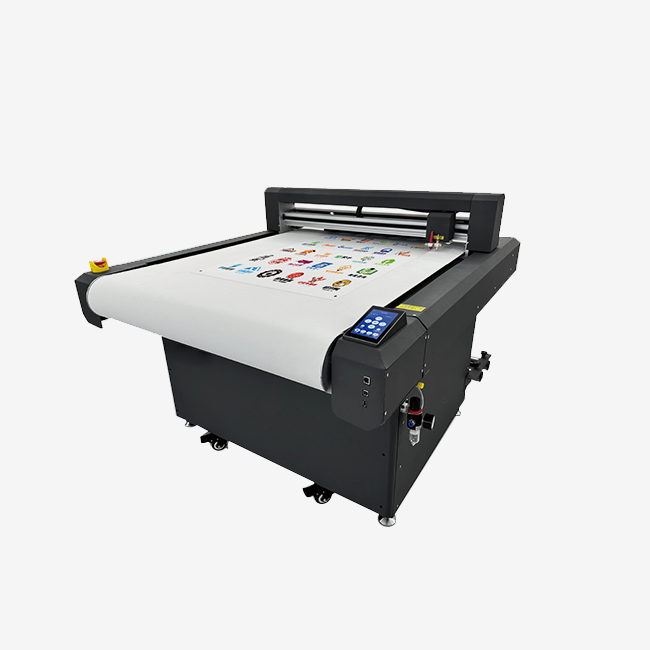
OEMs of machine tools that make laser printing and cutting equipment under their own brands like how customizable it is because it helps them set their products apart from others. Software interface flexibility and the ability to integrate control systems make it easy to add to custom machine designs. The factory-direct price system keeps profit margins low while still giving customers the quality they expect from branded goods.
Conclusion
The V Series CO₂ laser tube is a big step forward in the technology of industrial laser parts. It solves the main problems of power stability and operating life, which have a direct effect on how much money a manufacturer makes. This technology works consistently over long periods of time because it uses precise engineering to include improved catalyst systems, better heat reduction, and high-quality optical components. Manufacturers, wholesalers, and OEMs looking for reliable laser processing options can get a lot out of lasers that last longer, need less upkeep, and have stable beam characteristics. Strategic buying from well-known companies like Yuhui Laser gives you access to approved goods that come with full technical support and guarantee protection. This gives your business a long-term edge in competitive industrial markets.
FAQ
What operational lifespan can manufacturers expect under continuous industrial use?
Under normal industry job cycles, the V Series CO₂ laser tube lasts 10,000 to 12,000 hours of operation, which is about 1.5 times as long as regular sealed CO₂ tubes. How long something lasts depends on how much power it uses, how well it cools, and how often it is maintained. The ability to store on a shelf for five years without gas loss gives inventory management more options.
How does the system maintain stable power output throughout its service life?
The internal catalyst layer keeps the chemical balance of the gas mixture, which stops CO₂ from breaking apart, which is what lowers the power in regular tubes. High-quality electrode materials keep sputtering contamination to a minimum, and the advanced heat reduction design keeps working temperatures stable. Together, these engineering traits make the beam stable, and the power drops very little over the V Series CO₂ laser tube service life.
What cooling system specifications does installation require?
Industrial water chillers that keep the water temperature between 18°C and 24°C are the best way to control heat. The CW-5000 or CW-5200 series chillers are recommended because they can cool the V Series CO₂ laser tube well enough for its power level. The water should be distilled or deionized, and filtering systems should keep particles from getting into the cooling pathways.
Partner with Yuhui Laser for Dependable V-Series CO₂ Laser Tube Supply
As a reliable V Series CO₂ laser tube provider to industrial markets around the world, Yuhui Laser blends high-quality manufacturing with customer-focused service. Because we run our own factories, we don't have to pay middlemen, so we can offer you cost-effective laser solutions that meet the quality standards your production needs. When you combine CE approval, ISO quality control systems, and THF4 military-grade optical components, you can be sure that the equipment will meet the highest international performance standards.
Our expert team offers full support throughout the entire lifecycle of the equipment, from helping with the initial specification to helping with installation and ongoing upkeep. The longer guarantee time of 450 days shows that we are confident in the V Series CO₂ laser tube's durability and protects your investment. Our flexible production skills and 14-day lead times allow for a wide range of purchasing situations, whether you need standard configurations or solutions that are specifically designed for your industrial needs.
Get in touch with our technical experts at jianghui@yuhui-laser-tech.com to talk about your unique laser processing needs. Distributors, original equipment makers (OEMs), and end users are all welcome to look into how our high-performance, low-cost laser tubes can help with production while also cutting costs. You can find full product specifications, technical documentation, and customer success stories at yuhui-laser-tech.com.
References
1. Industrial Laser Solutions Journal. "Advances in Sealed CO2 Laser Tube Technology for Manufacturing Applications." Annual Technical Review, 2024.
2. Zhang, Wei, and Liu, Hong. "Comparative Analysis of CO2 Laser Tube Longevity Factors in Industrial Environments." International Journal of Laser Engineering, Volume 38, 2023.
3. European Association of Laser Processing. "Quality Standards and Certification Requirements for Industrial CO2 Laser Components." Technical Bulletin Series, 2024.
4. Morrison, Robert. "Optimizing Laser Cutting Operations: Maintenance Protocols and Troubleshooting Strategies. "Manufacturing Technology Press, 2023.
5. Asian Manufacturing Technology Symposium. "CO₂ Laser Applications in Textile and Packaging Industries: Case Studies and Performance Metrics." "Conference Proceedings, 2024.
6. International Society for Optics and Photonics. "Gas Discharge Dynamics and Power Stability in Sealed CO₂ Laser Systems." Applied Laser Research Quarterly, Volume 42, 2023.
Contact us directly for customized solutions, quotations and long-term strategic cooperation.