- English
- French
- German
- Portuguese
- Spanish
- Russian
- Japanese
- Korean
- Arabic
- Greek
- German
- Turkish
- Italian
- Danish
- Romanian
- Indonesian
- Czech
- Afrikaans
- Swedish
- Polish
- Basque
- Catalan
- Esperanto
- Hindi
- Lao
- Albanian
- Amharic
- Armenian
- Azerbaijani
- Belarusian
- Bengali
- Bosnian
- Bulgarian
- Cebuano
- Chichewa
- Corsican
- Croatian
- Dutch
- Estonian
- Filipino
- Finnish
- Frisian
- Galician
- Georgian
- Gujarati
- Haitian
- Hausa
- Hawaiian
- Hebrew
- Hmong
- Hungarian
- Icelandic
- Igbo
- Javanese
- Kannada
- Kazakh
- Khmer
- Kurdish
- Kyrgyz
- Latin
- Latvian
- Lithuanian
- Luxembou..
- Macedonian
- Malagasy
- Malay
- Malayalam
- Maltese
- Maori
- Marathi
- Mongolian
- Burmese
- Nepali
- Norwegian
- Pashto
- Persian
- Punjabi
- Serbian
- Sesotho
- Sinhala
- Slovak
- Slovenian
- Somali
- Samoan
- Scots Gaelic
- Shona
- Sindhi
- Sundanese
- Swahili
- Tajik
- Tamil
- Telugu
- Thai
- Ukrainian
- Urdu
- Uzbek
- Vietnamese
- Welsh
- Xhosa
- Yiddish
- Yoruba
- Zulu
What are the key benefits of an Intelligent High-Speed Cutting Machine with ATC?
Modern production processes benefit significantly from an Intelligent High-Speed Cutting Machine With ATC. When using multiple processes at once, the automatic tool changer system gets rid of the need to switch tools by hand. This cuts down on non-productive downtime by up to 60% compared to regular machines. These machines have smart control systems that check the spinning load in real time. This makes sure that even when cutting, drilling, or carving complicated shapes, they always get the precision right. Businesses get faster production cycles, lower labour costs, and better edge finish quality with ATC-equipped machines. This makes them necessary for competing makers who want to improve their operations.

Introduction
The world's manufacturing areas are changing at a speed that has never been seen before. As demands for more output and higher levels of accuracy rise, procurement professionals are under more and more pressure to choose equipment that gives them measured results. Intelligent high-speed cutting machines with ATC units with automatic tool changer technology have become must-have purchases for metal processors, furniture makers, and fabrication workshops alike in this competitive market.
ATC technology is useful for more than just automating tasks. When these tool changers are added to high-speed cutting systems, they completely change the way production works by letting multiple processes run continuously without any help from a person. This feature solves problems that have been around for a long time in the industry, like long downtimes during tool changes, uneven quality from human processes, and rising labor costs that cut into profits.
When buying teams know the real benefits of tools with ATC, they can make better decisions. This article talks about how automatic tool-changing technology raises quality standards, boosts productivity, lowers total ownership costs, and sets manufacturers up to be competitive in the long term. If you are in charge of buying things for an automation integrator or run a medium-sized fabrication shop, the information below will help you understand why an Intelligent High-Speed Cutting Machine With ATC should be a big part of your next equipment evaluation.

Understanding Intelligent High-Speed Cutting Machines with ATC
Intelligent High-Speed Cutting Machine With ATC platforms are advanced CNC systems that are made to remove material quickly and accurately. In traditional cutting systems, workers have to switch tools by hand between tasks. But machines with ATC have robotic rotating systems that choose and switch cutting tools automatically while the machine is running. This basic difference changes how much can be made.
Core Mechanical Components
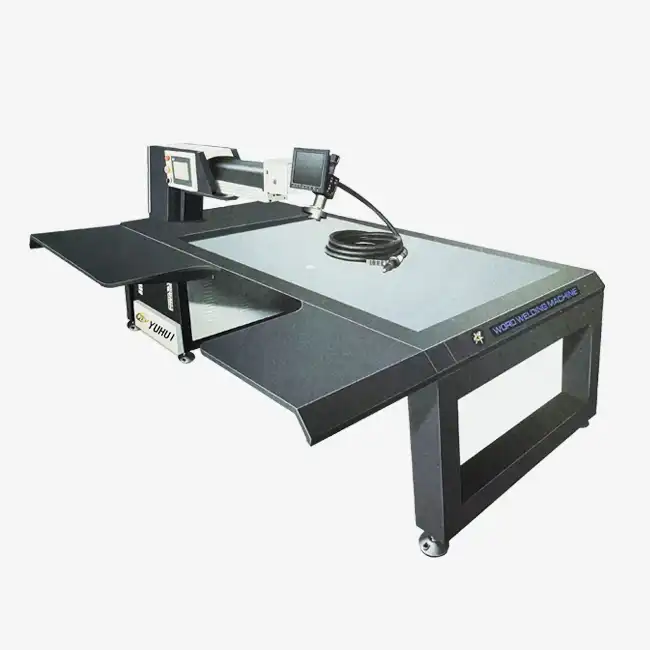
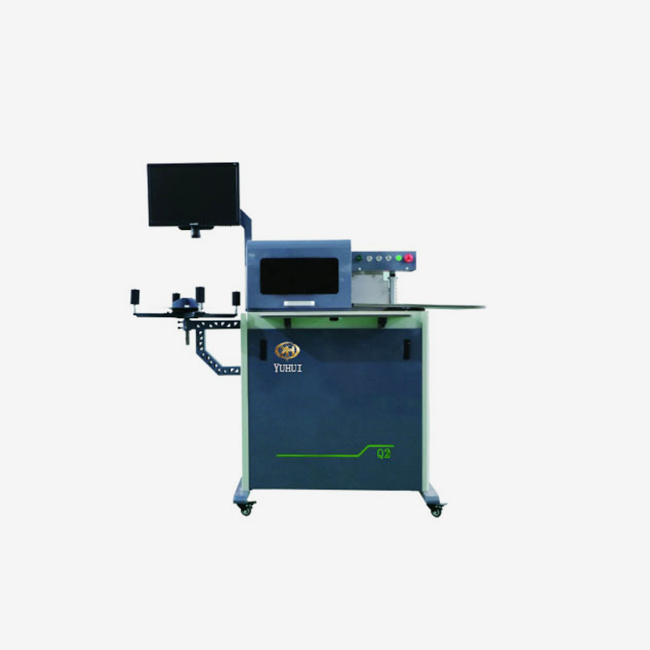
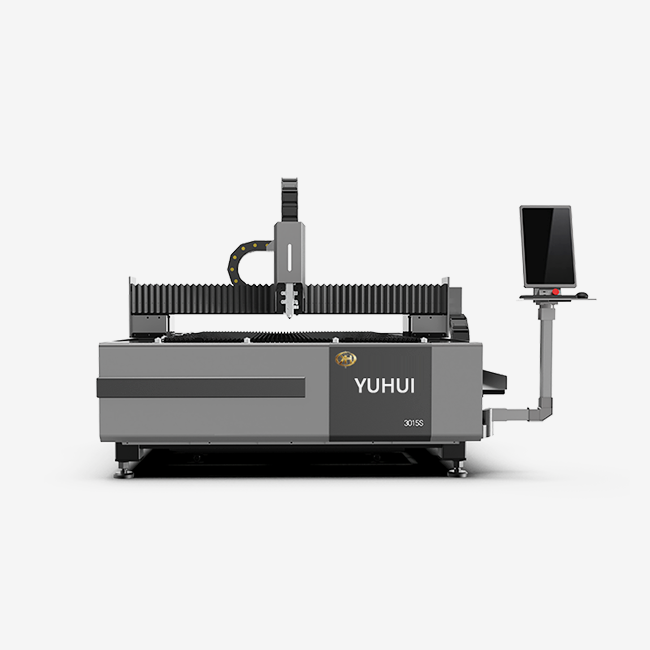
The automatic tool changer is made up of a carefully designed magazine that holds several tool holders. Depending on the machine, the magazine can have anywhere from four to twelve positions. The needed tool is quickly taken from the magazine by a pneumatic or servo-driven gripper arm and put into the spindle. The Model YH-1625 from Yuhui Laser has a working area of 1600x2500 mm and a four-tool magazine changer that lets you switch out tools in five to eight seconds. This keeps production going while cutting, drilling, and etching.
Intelligent Control Systems
The smart tracking feature of these tools takes them above and beyond simple automation. Advanced control algorithms keep an eye on the spindle load, cutting resistance, and temperature all the time. If the system finds strange resistance patterns that could mean that the tool is wearing out or that the material isn't being consistent, it changes the feed rates automatically or sends out alerts before the tool breaks. This predictive intelligence stops expensive material waste and unplanned downtime, which is a big deal for manufacturers who want to keep costs low.
The software integration layer lets these tools instantly find the best cutting paths. Instead of rigidly following pre-programmed routes, the control system looks at the shape of the job and figures out the best way to move and order the tools. When manufacturers work with tough materials like high-density MDF or aluminum composites, they can get smoother edge finishes right away, which means they don't have to do any extra polishing.
Contrast With Traditional Systems
Before they can start working again, users of traditional cutting machines have to stop what they're doing, remove one tool by hand, choose the right replacement, install it with the right amount of force, and check for runout. This process takes five to fifteen minutes per tool change, depending on how skilled the operator is and how complicated the tool is. When there are several jobs with different processing needs during a normal workday, these interruptions add up to hours of lost work. This whole process can be done in seconds with ATC technology, which keeps the accuracy high by automatically positioning the tools.
Key Benefits of Using Intelligent High-Speed Cutting Machines with ATC
Dramatic Productivity Enhancement
The most obvious benefit of ATC technology is that it makes production more efficient. In the past, workers had to change tools by hand three to six times during a shift. Now, even when doing complicated jobs, machines can run continuously. When a furniture maker works on custom cabinets and switches between diamond routing bits for shaping and fine engraving tools for adding decorative details, the production flow stays steady, which directly leads to more work being done each day.
Fewer cycle times, higher machine utilization rates, and the ability to schedule lights-out manufacturing during off-shifts are all examples of improvements that can be measured. When manufacturers can let equipment run by itself through multiple processes, they can increase production without having to pay more for workers. Moving speeds of 800–1,500 mm/s and maximum engraving speeds of 12,000 mm/min are possible with Yuhui Laser's systems. This makes sure that quick tool changes don't slow down total production.
The sealed structure design keeps dust from getting into the machine during high-speed operations, so it keeps working the same way over long production runs. This reliability factor is very helpful when you have to meet tight delivery deadlines or deal with rush orders that need your equipment to be up and running all the time.
Superior Quality and Process Versatility
When it comes to accuracy, automated tool changing is better than human methods. The machine positions tools with repeatability accuracy of within ±0.02mm, which gets rid of the small differences in positioning that happen when people install tools by hand. This stability is very important when making parts for aircraft or cars where the tolerances for size allow very little variation.
ATC potential greatly increases the range of materials that can be used. A single machine setup can work with solid wood furniture, carbon-fiber parts, stainless-steel hardware, and aluminium composite panels. It does this by automatically choosing the right tools for each material. Metal production shops like being able to take on a wide range of jobs without having to keep up with a lot of different tools or long setup times for each type of material.
The clever control systems help improve quality even more by optimizing processes in real time. The system changes feed rates and spinning speeds automatically to keep the quality of the edge finish constant when cutting complicated shapes or materials with different hardness levels. This adaptability cuts down on rejections and the amount of work that needs to be redone, which hurts the profitability of manufacturing operations.
Substantial Cost Savings Through Automation
The initial cost of ATC-equipped machines is higher than that of basic cutting systems, but the total cost of ownership calculation shows that they are much more cost-effective in the long run. Cutting down on labor costs turns out to be the best way to save money. People who used to be in charge of managing tool changes can now be put to work on more valuable tasks, like quality control, job setup, or equipment repair.
When clever systems stop tools from breaking and find processing problems before they damage workpieces, material waste goes down by a measurable amount. Lower costs for replaceable tools and less waste mean that each unit of production is more cost-effective. This is because tools last longer when they are properly maintained and changed before they break completely.
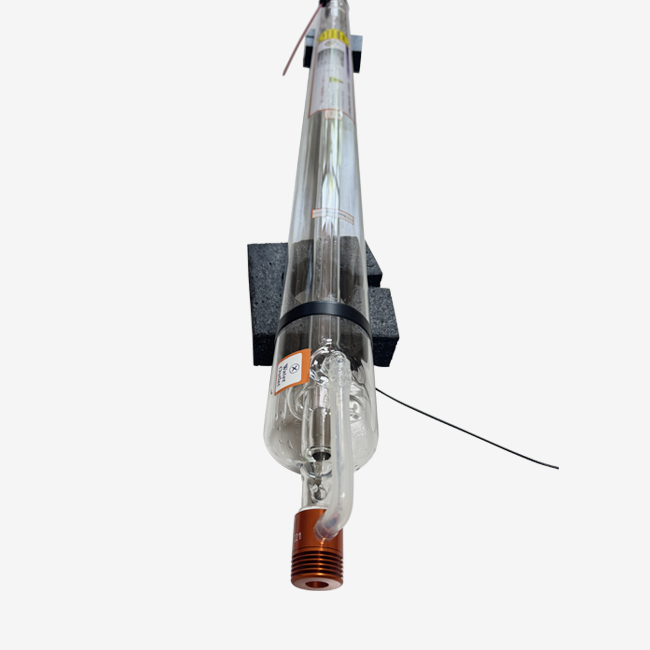
Yuhui Laser's equipment comes with the longest warranty period in the industry, at 450 days. This gives you more time to worry about problems and saves you money on unexpected upkeep costs during the critical early operating phase. The strong alloy structure and better thermal dissipation design make sure that the equipment keeps working well even after years of heavy use. The THF4 lens system made for the military has a 1.5-times longer service life than regular glasses. It can be stored for up to five years without losing power, which has a direct effect on the long-term costs of operations.
Smart tools are also better because they use less energy. The vacuum adsorption material fixation system is more stable for the workpiece and uses less power than mechanical clamping options. Flexible power configuration options that support 220V or 380V supply and a rating range of 7.5KW to 11KW make it possible to connect to a building's existing electrical infrastructure without having to pay for expensive upgrades.
Comparison and Decision-Making Factors for Procurement
ATC-Equipped Versus Standard Machines
When procurement workers are looking at different pieces of equipment, it's helpful to know the practical trade-offs between systems with ATC and standard cutting machines. The decision framework should take into account how hard the job is, how much you need to make, and how many workers are available in your specific manufacturing environment.
Standard machines are easier to use and cost less to buy, so they may be good for places that need to make a lot of the same parts with few tool changes. This benefit goes away quickly, though, when job options grow or when skilled workers can demand higher pay in tight job markets. ATC technology pays for itself in less setup time and more schedule freedom for manufacturers who make custom orders or switch between products often.
ATC systems are operationally flexible in a way that includes managing staff. It takes a lot of time and constant supervision to teach workers how to change tools by hand in a safe and correct way. An Intelligent High-Speed Cutting Machine With ATC, that changes tools automatically lowers the level of skill needed to do a job, so facilities can use less experienced workers and still meet quality standards.
Alternative Technologies Comparison
When it comes to industrial cutting, laser cutting systems and waterjet cutters have different ranges of capabilities. Laser cutting is great for cutting thin materials with complicated shapes because it produces very sharp edges without worrying about tool wear. However, laser systems have trouble with thicker materials and aren't as flexible as CNC cutters with ATC when it comes to cutting or engraving in three dimensions.
Waterjet technology can cut almost any material without leaving heat-affected areas, but it works more slowly and requires a lot of rough media, which costs a lot over time. An Intelligent High-Speed Cutting Machine With ATC is a good compromise because it can cut a variety of materials quickly, do multiple tasks in a single setup, and have lower running costs than waterjet alternatives.
The decision calculus should make sure that the technology you choose fits with the main needs of your application. Laser cutting may be best for people who work with thin stainless steel, while ATC-equipped routing systems give furniture makers more options when they work with solid wood, MDF, and sometimes metal trim pieces.
Machine Sizing and Capability Matching
When you put in the right-sized tools for your business, you avoid both underutilization and capacity limits. The 1600x2500 mm work area of the YH-1625 type makes it perfect for medium-sized businesses that make building panels, cabinet parts, or industrial signs. Smaller shops that work with small parts may be able to save money by using smaller tables, but large-format manufacturers need bigger work areas.
The choice of power rating has a direct effect on the ability to cut materials of different thicknesses. The 7.5KW–11KW spindle choices that come with Yuhui Laser's setup work with most common materials. However, for specific tasks that involve working with thick hardwoods or dense composites, higher power requirements may be necessary. To make sure the equipment works well, procurement teams should ask for cutting samples made from the real materials they will be using in production.
Buying choices are affected by money issues, such as lease plans and schedules for depreciation. When you finance equipment through specialized industrial lenders, you can often get good terms that keep your working cash for inventory and running costs. Yuhui Laser keeps its 14-business-day production lead time by keeping enough inventory on hand. This allows for quick deployment when expansion plans call for more capacity.
Procurement Considerations and Vendor Selection
Identifying Reliable Suppliers
When you choose the right equipment supplier, there are effects that last long after the transaction is over. When it comes to manufacturing equipment, support after the sale, availability of spare parts, and technical knowledge all have a direct effect on the continuity of operations. Professionals in charge of buying things should give priority to suppliers who can show a wide range of manufacturing skills, quality certifications, and a well-established service infrastructure.
As a factory-direct producer, Yuhui Laser doesn't have to pay markups to distributors and is directly responsible for the success of its products. With this business model, prices are competitive without lowering quality or making it harder to get services. The company has both CE and ISO certificates, which show that the way they make things meets international quality standards. This is especially important when they are selling to people in controlled markets.
Evaluating Technical Support Infrastructure
Because Intelligent High-Speed Cutting Machines with ATC systems with ATC functionality are so complicated, they need strong expert help. Check out possible providers' training programs, the quality of their documentation, and how quickly they respond to technical questions. Manufacturers should give you detailed instructions on how to put their products, train your staff on how to use them, and make debugging tools easy to find so that you can avoid downtime when questions come up.
Yuhui Laser's 450-day service commitment goes beyond the standard warranty period in the industry. This shows that they are confident in the reliability of their equipment and gives them more time to protect it during the ramp-up phase of production. The company's expert team helps with installation, trains operators, and provides ongoing upkeep support to make sure that your investment gives you the returns you expect for as long as it lasts.
Logistics and Delivery Considerations
Buying equipment from other countries makes shipping more complicated and adds problems with customs and coordinating deliveries. Reliable sellers keep in touch with specialised transportation companies that know how to handle heavy industrial equipment. Yuhui Laser's global logistics network makes sure that international shipping is stable no matter where it goes, with set procedures for paperwork, insurance, and delivery times.
Make sure that your supplier offers enough protective packaging that is made for shipping goods by ocean. An Intelligent High-Speed Cutting Machine With ATC, it contains precise parts that can be damaged by shocks and vibrations while being moved. Using the right packaging, moisture barriers, and shock-absorbing materials can help keep your items safe during transport and avoid damage that could delay launching or cause frustrating problems during starting.
Customization Capability Assessment
Layout restrictions, power availability, and specific processing needs can change a lot between manufacturing settings. Customization services from suppliers give you a lot of freedom to make equipment work best for your specific needs. Yuhui Laser offers OEM and ODM production that is customised to meet the needs of each customer. This includes making changes to the structure, customizing the functions, and adapting the software system.
This ability to be customized is very useful for automation integrators who are making turnkey production cells or for manufacturers who need special processing that can't be done with standard machine configurations. Changing the layout of equipment, adding custom fixtures, or integrating unique control interfaces makes it easy to add to current production processes.
Applications and Future Prospects of Intelligent High-Speed Cutting Machines with ATC
Industry-Specific Applications
Suppliers of automotive parts use ATC technology to handle materials like sound insulation, dashboard parts, and internal trim panels that need to be cut, drilled for fastener holes, and have their edges profiled. Being able to do all of these different processes in a single setup cuts down on the work that needs to be done by hand and keeps tight control over all dimensions.
The enclosed structure keeps dangerous dust out while the automatic tool changer changes between specialised cutting tools and precision drilling bits. This helps aerospace makers work with carbon-fibrous composites and aluminum honeycomb structures. The vacuum adsorption fixation keeps the workpiece securely in place without using mechanical clamps, which could damage the delicate composite materials.
Architectural makers who work with big aluminium composite panels for building surfaces depend on the speed and accuracy of machines that are equipped with ATC to do tasks like V-grooving for bending panels, contour cutting for window spaces and drilling holes for fixing hardware. Because the quality of the edge finish is always the same, there is no need for extra work that adds cost and delays the project.
Furniture makers like that they can work with solid wood, engineered wood goods, and sometimes metal details all in the same production space. Automatic switching between routing shapes, drilling dowel holes, and etching artistic designs makes it possible for the mass customization that the market needs today.
Emerging Industry 4.0 Integration
Intelligent cutting technology is likely to become more integrated with smart industrial environments in the future. Machine-to-machine communication protocols let cutters with ATC get job instructions from ERP systems, choose the best tool sequences automatically, and send real-time updates to manufacturing execution systems about the status of production.
Predictive maintenance algorithms that look at vibration patterns, thermal patterns, and power consumption trends will let you know about worn-out parts before they break. With this feature, maintenance can go from being reactive and fixing things that break to being planned and done during planned downtime, which increases the amount of useful uptime.
Remote tracking lets equipment makers like Yuhui Laser offer proactive technical help by finding problems with how the machines are working and suggesting fixes before users notice a drop in performance. The value of investments in equipment goes up with this connected service model, and customer relationships get stronger.
Adding advanced vision systems to ATC machines will allow for automated quality inspection, which will find differences in dimensions or surface flaws during production instead of having to go through separate inspection steps. This real-time quality validation cuts down on waste and speeds up production by getting rid of slowdowns at checking points.
Conclusion
An Intelligent High Speed Cutting Machine With ATC with ATC technology offers clear benefits in terms of quality, cost-efHigh-Speeds, operating freedom, and productivity. The ability to change tools automatically changes the way production works by getting rid of unproductive downtime and letting complex multi-process operations be done in a single setup. When these machines are combined with smart control systems that adjust the cutting parameters instantly, they offer the accuracy, consistency, and dependability that modern manufacturing needs. When purchasing equipment, procurement professionals should give more weight to suppliers that offer strong technical support, full customisation options, and proven quality certifications. ATC technology has strategic value that goes beyond instant efficiency gains. It sets manufacturers up for future smart manufacturing integration and long-term competitive edge.
FAQ
1. How does ATC technology reduce my total ownership costs?
Automatic tool change saves money on labor costs because workers don't have to switch tools by hand during production shifts. The smart tracking systems find odd cutting conditions before they happen, so tools don't break and materials aren't wasted. Less mechanical stress and better operating conditions lead to longer equipment service life. Yuhui Laser's factory-direct price and 450-day guarantee make the total cost of ownership even better by lowering the cost of acquisition and protecting against problems that may arise early in the product's use.
2. Can small manufacturers justify ATC-equipped machine investments?
ATC technology is very helpful for small to medium-sized businesses that do a wide range of jobs. Being able to take different orders without having to keep up with a lot of different machines or long setup times makes a business more competitive. Savings on labor are especially helpful for small businesses where staff costs make up a big part of their costs. Yuhui Laser's quick 14-day delivery time and flexible financing options make high-tech equipment available to businesses of all sizes.
3. What maintenance does the ATC system require?
As part of regular upkeep, the tool magazine rotating tracks are oiled and the pressure in the pneumatic system is checked. Most manufacturers do these easy checks as part of routine maintenance that happens once a week or once a month. The enclosed structure design keeps dust from getting into the mechanical parts as much as possible. Yuhui Laser gives full maintenance training during installation to make sure that your workers know how to take care of the equipment in a way that makes it work as reliably as possible for as long as it lasts.
Partner with a Trusted Intelligent High-Speed Cutting Machine With ATC Manufacturer
Yuhui Laser Technology specializes in providing smart cutting solutions that are both cost-effective and meet international quality standards. They are backed by CE and ISO approvals. Our Intelligent High-Speed Cutting Machine With ATC is built to last and is very accurate thanks to its military-grade THF4 sights and strong build. We offer factory-direct prices, 14-day production wait times, and full customisation options to make sure that the equipment we sell is exactly what you need for your manufacturing needs. Our 450-day warranty and quick technical support make sure that you don't have to worry about anything from installation to years of useful service. Get in touch with our team at jianghui@yuhui-laser-tech.com to talk about how our cutting systems with ATC can change the way you make things and make you more competitive.
References
1. Zhang, L., & Chen, W. (2023). Advanced CNC Machining Systems: Integration of Automatic Tool Changers in Modern Manufacturing. Journal of Industrial Engineering and Management, 16(4), 278-295.
2. Mueller, K. (2022). Comparative Analysis of Cutting Technologies for Metal Fabrication: CNC Routing, Laser Cutting, and Waterjet Systems. International Manufacturing Review, 9(2), 145-167.
3. Patel, R., & Nakamura, T. (2024). Predictive Maintenance Algorithms for CNC Equipment: Reducing Downtime Through Intelligent Monitoring. Automation in Manufacturing Quarterly, 31(1), 89-104.
4. European Committee for Standardization. (2023). Safety Requirements for Automated Tool Changing Systems in CNC Machinery. CEN Technical Report TR-17845.
5. Williams, D. M. (2023). Total Cost of Ownership Models for Advanced Manufacturing Equipment Procurement. Supply Chain Management and Procurement Journal, 28(3), 412-429.
6. Industry 4.0 Consortium. (2024). Smart Manufacturing Integration: Connecting CNC Systems to Enterprise Resource Planning Platforms. Technical White Paper Series, Volume 12.
Contact us directly for customized solutions, quotations and long-term strategic cooperation.