- English
- French
- German
- Portuguese
- Spanish
- Russian
- Japanese
- Korean
- Arabic
- Greek
- German
- Turkish
- Italian
- Danish
- Romanian
- Indonesian
- Czech
- Afrikaans
- Swedish
- Polish
- Basque
- Catalan
- Esperanto
- Hindi
- Lao
- Albanian
- Amharic
- Armenian
- Azerbaijani
- Belarusian
- Bengali
- Bosnian
- Bulgarian
- Cebuano
- Chichewa
- Corsican
- Croatian
- Dutch
- Estonian
- Filipino
- Finnish
- Frisian
- Galician
- Georgian
- Gujarati
- Haitian
- Hausa
- Hawaiian
- Hebrew
- Hmong
- Hungarian
- Icelandic
- Igbo
- Javanese
- Kannada
- Kazakh
- Khmer
- Kurdish
- Kyrgyz
- Latin
- Latvian
- Lithuanian
- Luxembou..
- Macedonian
- Malagasy
- Malay
- Malayalam
- Maltese
- Maori
- Marathi
- Mongolian
- Burmese
- Nepali
- Norwegian
- Pashto
- Persian
- Punjabi
- Serbian
- Sesotho
- Sinhala
- Slovak
- Slovenian
- Somali
- Samoan
- Scots Gaelic
- Shona
- Sindhi
- Sundanese
- Swahili
- Tajik
- Tamil
- Telugu
- Thai
- Ukrainian
- Urdu
- Uzbek
- Vietnamese
- Welsh
- Xhosa
- Yiddish
- Yoruba
- Zulu
What is the difference between manual and automatic pipe cutters?
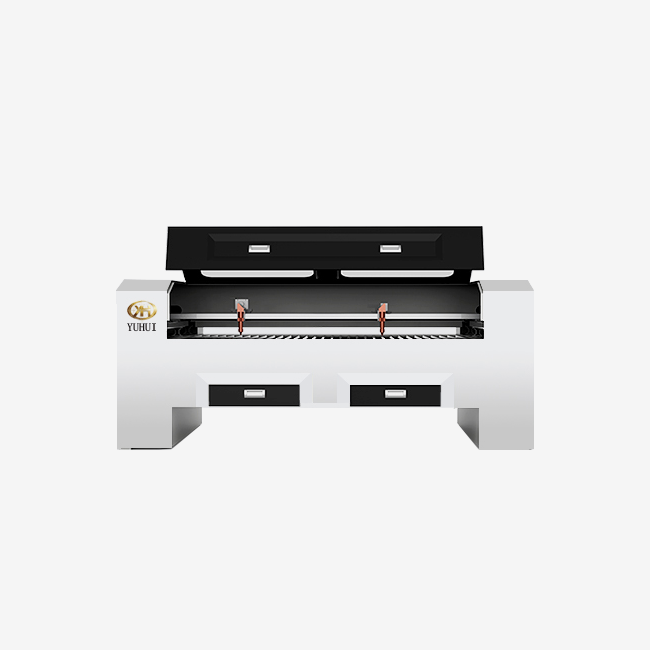
Controlling and cutting precision are the key differences between human and robotic pipe cutters. The G Model Fully Automatic Pipe Cutting Machine is the apex of this technical progress, giving unmatched accuracy and efficiency. Users of manual pipe cutters must be skilled and physically active. This makes them ideal for low-volume prototyping or one-time work. Automatic pipe cutting machines, notably high-tech CNC systems like Yuhui Laser's T6012G, a flagship G Model Fully Automatic Pipe Cutting Machine, use automated feeding, servo-driven positioning, and smart cutting algorithms to provide consistent results across thousands of rounds The T6012G exemplifies this transition with its ±0.05mm positioning precision and 90m/min travel speed. It has made pipe production fast and repeatable. Knowing this distinction affects manufacturing costs, quality, and competitiveness in contemporary industry.
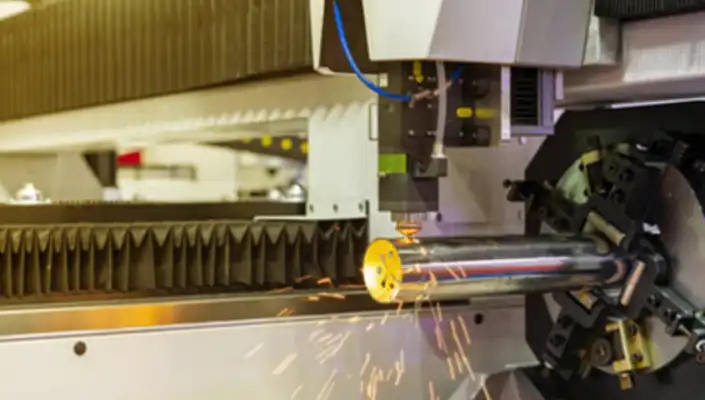
Understanding Manual and Fully Automatic Pipe Cutting Machines
In the metalworking business, manual pipe cutters have been used for decades to cut tubes and shapes with simple mechanical tools. Usually, these tools have cutting wheels or blades that can be adjusted that are attached to frames that can be worked by hand. The user places the cutter around the pipe by hand, applies pressure, and turns the tool to score and finally cut the material. It takes a lot of physical strength and skill to do this process, especially when working with pipes with thick walls or stronger metals. Manual cutters can still be useful for fixes on-site or small-scale custom work, but because they depend on human judgment, the cut angles, surface finish, and uniformity of dimensions can be off.
Core Operating Principles of Manual Systems
People use handles or cranks to apply spinning force to manual pipe cutting systems, which work on the concept of mechanical advantage. For bigger lines, the cutting device could use carbide wheels whose grooves get deeper with each turn, or it could use blades that move back and forth. The accuracy of positioning rests on how good the operator is at measuring, which is usually done with tape measures and marks. With this human-centered method, the speed of cutting changes depending on how tired the person is, how much experience they have, and how hard the material is. When working with high-strength metals or stainless steel, doing it by hand often leads to uneven edges that need extra deburring steps, which adds time and money to the overall process.
Automation Technology in CNC Pipe Cutting
Fully automatic pipe cutting tools are a big step forward in technology. They use CNC controllers, servo motors, and sensor feedback systems to follow pre-programmed cutting patterns. This group is led by the G Model Fully Automatic Pipe Cutting Machine—the T6012G—which has a high-performance system made for working with metal tubes with diameters between 160mm and 240mm. The machine has three important automation features: automatic feeding systems that always bring pipes to the cutting zone; precise positioning systems that use ball screws and linear guides to achieve repeatability of ±0.03mm; and high-speed cutting heads that can accelerate by 1.5G while moving quickly. This integration gets rid of the need to move things around by hand between processes. This creates a constant production flow that greatly boosts output while keeping quality standards high. As a G Model Fully Automatic Pipe Cutting Machine, the T6012G sets new benchmarks for industrial pipe processing.
All working factors are controlled by the control system, which has simple user interfaces that workers can use without having to go through a lot of expert training. The program's operators only need to enter the pipe's measurements, cutting lengths, and amount needs, and then they can watch the automated cycle. The machine does everything by itself: clamping the material, checking the measurements, cutting, and ejecting the finished part. What used to require skilled workers is now a controlled automated process that users with basic technical knowledge can use.
Advantages and Limitations of Manual vs Fully Automatic Pipe Cutters
Real-world production events must be looked at in order to figure out the realistic trade-offs between manual and automatic cutting technologies. Manual cutters are an easy way for businesses that don't have a lot of money to spend on capital equipment to start cutting. Their benefits include low start-up costs, flexibility for use in the field, and not needing to be connected to or using software systems or electricity infrastructure. Simple cutting jobs can be done well by a skilled user, especially with aluminum or thin-walled tube, which are both soft materials. The only maintenance that needs to be done is replacing the blades and lubricating them every so often.
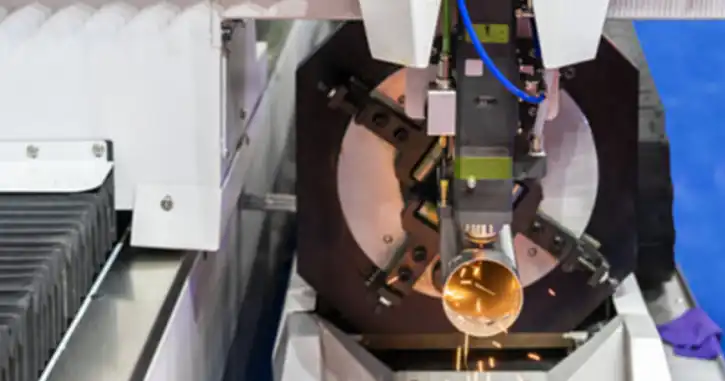
Performance Comparison Across Key Metrics
When production rates go up or accuracy standards get higher, the flaws of human systems become clear. Cutting speed rarely goes above two to three pipes per hour, based on the diameter and type of material. This slows down production plans. The difference in size between cuts is usually between 0.5 mm and 2 mm, which is too big for tight tolerance situations like hydraulic systems or building precise frames. When operators work long shifts, they get tired, which makes these problems worse and causes quality to drop and mistake rates to rise. The physical challenges also come with ergonomic risks, such as injuries from repeated strain and accidents at work caused by heavy lines or cutting tools that slip.
Fully automatic pipe cutters like the T6012G get around these problems in a planned way. The productivity benefit is clear right away because the machine can run continuously and cut dozens of pipes an hour, based on how complicated the cut is. No matter how long the production takes, the quality consistency stays within ±0.05 mm placing accuracy. This gets rid of the human error factor completely. Optimized cutting patterns put into the control system make better use of the material by lowering the amount of waste and the cost of material per final part. Improvements to safety include protected cutting zones, automatic clamp verification monitors, and emergency stop systems that keep operators from getting hurt.
Cost Considerations and ROI Analysis
The difference in cost between human and automatic methods needs to be carefully looked at from a financial point of view. Depending on their size, manual pipe cuts usually cost between a few hundred and several thousand dollars, which is a small amount of money to invest. Automatic CNC pipe cutting tools need a much larger initial investment. Industrial-grade systems with lots of advanced features can cost up to six figures. When buying managers don't know how to do total cost of ownership estimates, this difference in costs can make them unable to make a choice.
When looking at ROI, the difference in labor costs is usually what makes the difference. When cutting by hand, each machine usually needs a specialized user who can only work on a certain number of pieces per shift. With automatic systems, one operator can oversee multiple tools or do jobs that add value during automated cycles, which greatly increases the output of labor. You can save even more money by cutting down on scrap, not having to redo work because of mistakes in measurements, and filing fewer workers' compensation claims for workplace injuries. Most fabrication shops that work more than 500 pipes a month find that automatic systems pay for themselves in 18 to 24 months through savings alone. After that, they make more money than human systems.
The T6012G Fully Automatic Pipe Cutting Machine: A Case Study
The T6012G G-Model Fully Automatic Pipe Cutting Machine from Yuhui Laser is an example of how advanced robotics can be used in real life for medium-scale metal production tasks. This CNC pipe cutting machine solves the problems that car parts makers, HVAC part makers, and steel fabrication shops have when they need to make regular high-quality products without spending a lot of money. The machine's design theory strikes a balance between performance and ease of use. This gives manufacturers who used to rely on manual or semi-automatic ways access to advanced automation technology through the G Model Fully Automatic Pipe Cutting Machine platform.
Technical Specifications and Capabilities
The T6012G can work with pipes that are 160mm to 240mm in diameter, which is the most typical size of industrial pipe used in building structures and mechanical systems. Because processing diameter and length can be changed, makers can choose machine setups that work with their products without having to pay for extra space. The 90m/min motion speed lets the machine quickly move from one cutting process to the next, cutting down on the amount of time that isn't being used that builds up over production runs. When paired with 1.5G maximum acceleration, the machine's quick dynamics keep it productive even when cutting patterns are complicated and need to be repositioned often.
Positioning accuracy of ±0.05 mm makes sure that cut lengths meet technical requirements for parts that need to fit together perfectly when they are welded or mechanically attached. Even more important is the repeat placement accuracy of ±0.03mm, which makes sure that the 50th pipe in a batch has the same measurements as the first piece. With this level of regularity, you don't have to sort and selectively put things together like you do when you cut things by hand. This speeds up production further down the line and makes stocking simpler.
Operational Features Driving Productivity
In real-world production settings, the T6012G stands out because of three main operational traits. It can cut with great accuracy and produce stable quality no matter what kind of material it is, from mild carbon steel to stainless metals and aluminum extrusions. The cutting tool keeps standards for straightness and surface finish that often get rid of the need for extra deburring steps. This cuts down on process steps and handling time. Pipe cutting goes from being a batch-oriented job to a flow production activity when the whole process is automated and continuous. This makes just-in-time manufacturing methods possible, which reduce the amount of work-in-process inventory.
Yuhui Laser's understanding that industrial operations need equipment that is easy to use rather than complicated technically shows in the design of the simple user interface. After short training lessons, workers can use the machine successfully, which cuts down on the need for specialized technical staff. The cutting settings are shown in simple terms on the screen, so you don't have to deal with the complicated programming that comes with some industrial CNC systems. This ease of access speeds up the production ramp-up when new goods are introduced and gives operations more freedom when staff are moved between production areas.
Real-World Application Benefits
When metal processing companies use the T6012G, they see real improvements in production across a number of measures. A steel forging shop in the Midwest cut the number of people they needed to cut pipes by 60% while increasing daily output by 150%. This let them take on bigger orders without having to build a bigger plant. A company that makes exhaust parts for cars cut down on the cost of materials by 40% by using CNC systems to make the best cutting designs and produce the least amount of waste. These proven advantages show how automation technology can give you a competitive edge that you can see in your bottom line and how quickly you can respond to the market.
How to Decide Between Manual and Fully Automatic Pipe Cutting Machines for Your Business
Instead of just trying to automate everything, strategic equipment selection means matching the technology's skills with what needs to be made. When evaluating whether to invest in a G Model Fully Automatic Pipe Cutting Machine, the decision framework starts with an honest look at your present and planned cutting numbers, the level of accuracy needed, and the availability of labor. If a company processes fewer than 100 pipes a week and doesn't have to be too strict about measurements, hand cuts may be enough. This is especially true if the sizes of the pipes change a lot and need to be set up more often. However, for production settings that make more than 500 pipes per week or work with industries that have strict quality standards—like aerospace or medical devices—a G Model Fully Automatic Pipe Cutting Machine is justified by its superior quality assurance and increased production speed.
Evaluation Criteria for Procurement Decisions
When doing initial evaluations, material fit is an important factor that is often ignored. It's hard to cut stainless steel by hand when the wall thickness is more than 3 mm, and it takes a long time. Aluminum, on the other hand, tends to gum up cutting wheels, which makes it hard to finish the surface. The T6012G normally works with these materials because it has optimized cutting settings designed for various alloys, so it always performs at its best, no matter what the material requirements are. When your product mix has difficult materials or changes materials often, automated systems give you more process freedom than human methods can offer.
Budgets clearly play a role in choosing tools, but more in-depth procurement research looks at more than just the purchase price. Leasing options spread out the investment of capital over more operating times, meeting the cost of tools with its ability to make money. Many companies that sell industrial equipment, like Yuhui Laser, offer flexible payment options that let businesses that couldn't afford them before use automatic systems. The 450-day after-sales service coverage that comes with Yuhui equipment lowers the total cost of ownership even more by lowering unplanned downtime and repair costs during the early stages of operation, which are very important.
Integration with Existing Production Systems
When choosing equipment, people can't ignore the larger work setting where cutting pipes takes place. When automatic systems are part of smooth production lines, where cut pipes move quickly to welding, assembly, or finishing tasks, they provide the most value. When automation is surrounded by human processes, it causes bottlenecks that cancel out the benefits of automation. Because the T6012G has a small footprint and a variety of material handling choices, it can be easily added to current plant layouts without making major changes to the building. The expert team at Yuhui Laser helps with installation and gives advice on production flow, which helps makers figure out where to put equipment so that it works as efficiently as possible.
Maintenance and Support for Pipe Cutting Machines
Reliability of equipment has a direct effect on sticking to production schedules and the total cost of manufacturing. Manual pipe cuts only need to have their blades replaced every so often and their moving parts oiled. This takes only minutes and doesn't require any special skills. This simplicity makes it appealing to businesses that don't have a lot of expert staff or repair equipment. Automatic CNC pipe cutting machines need more organized ways to be maintained so that they keep working precisely and don't break down during production runs, which can be very expensive.
Preventive Maintenance Protocols
The T6012G's maintenance needs can still be met with organized safety routines that production staff can follow without a lot of training. Cleaning the cutting area once a week to get rid of metal chips and other dirt that could affect the accuracy of the sensors, checking the hydraulic or pneumatic clamping system pressures to make sure that the material is always securely fastened, and making sure that all safety interlocks work properly are all things that need to be done every week. Maintenance tasks done once a month include lubricating linear guide systems according to the manufacturer's instructions, checking the state of cutting blades and changing them when edge wear is noticeable, and making sure that all operator stations can activate the emergency stop.
The machine's placement accuracy of ±0.05mm is maintained over a long service life by calibrating it every six months. Laser interferometry or measured gauge blocks are used in these precise checks to make sure that the axes are in the right place across the entire motion range. This finds any problems with the performance of the mechanical parts or the servo system. The technical support team at Yuhui Laser can help with tuning from afar using connection features built into the control system. This cuts down on the need for service visits to the site and keeps production running smoothly.
Supplier Partnership Value
Buying tools from companies with strong support networks has a big effect on how well your business does in the long run. Yuhui Laser's 450-day after-sales service period goes above and beyond normal insurance terms. It gives operations more time to get used to their new equipment and gives them technical help as they do so. As a result of keeping a lot of worn parts and replacement parts in stock, the company can quickly take care of repair needs that would otherwise stop production. Technical training materials help operations build up their own skills to handle regular changes and troubleshooting, which makes them less reliant on outside service providers.
Yuhui Laser's 14-day production wait time for the T6012G shows how efficiently they make things, which benefits their customers. When businesses need to replace old equipment or grow their capacity, short delivery times help them act quickly on market chances by reducing the time between choice and implementation. With factory-direct pricing, there are no markups for distributors. This means that cost-conscious makers working in price-sensitive markets can get more quality automation.
Conclusion
Choosing between human and robotic pipe cutting technology affects operations, cost, and competitiveness in today's industrial environment. Manual techniques are beneficial when flexibility and cheap cost trump accuracy and quantity. The G Model Fully Automatic Pipe Cutting Machine, like Yuhui Laser's T6012G, helps organizations ensure consistent quality, high throughput, and efficient labor utilization. Positioning precision, material diversity, and productivity increase with the G Model Fully Automatic Pipe Cutting Machine. Companies who prepare significant volumes of pipe or service quality-conscious clients will see a clear ROI.
FAQ
What types of tube profiles can fully automatic pipe cutting machines handle?
Modern CNC pipe cuts have locking systems that can be adjusted to fit round, square, rectangular, and oval shapes. The T6012G's processing width can be changed, so makers can choose setups that work with their products. It can handle normal industrial pipe sizes between 160mm and 240mm, as well as custom sizes that can be changed in the factory.
How does automation affect cutting blade longevity compared to manual operation?
Automated systems greatly increase the life of blades by using uniform cutting settings and optimal feed rates that can't be done by hand. The T6012G's CNC control keeps the right cutting speeds and pressures for all tasks, which lowers the heat stress and mechanical wear that destroy blades too quickly when used by hand.
Can CNC pipe cutting machines integrate with production management systems?
Modern robotic pipe cutters have ways to connect to ERP and MES systems so that they can be used to track output and handle supplies. This feature helps with manufacturing tactics based on Industry 4.0, in which equipment gives real-time output data to help with making decisions and improving processes.
Partner with Yuhui Laser for Advanced Pipe Cutting Solutions
Through the T6012G, Yuhui Laser offers tried-and-true CNC pipe cutting technology as well as unique automation options made to fit your production needs. As a producer with CE and ISO certifications and THF4 military-grade optical components, we offer the quality guarantee that markets around the world need along with the low prices that give us a competitive edge. Our factory-direct price, 14-day production wait time, and 450-day after-sales service get rid of the usual things that stop people from using automation. Our technical team is ready to come up with solutions that meet your operational goals, whether you're an overseas distributor looking for a reliable G Model Fully Automatic Pipe Cutting Machine supplier, a metal processing factory moving away from manual methods, or an OEM buyer who needs specifics that aren't available on our website. You can talk to our sales team about how our pipe-cutting technology can change your production by emailing jianghui@yuhui-laser-tech.com or going to yuhui-laser-tech.com.
References
1. Smith, J. & Chen, L. (2023). Automation in Metal Fabrication: Comparative Analysis of Manual and CNC Cutting Technologies. Industrial Manufacturing Press.
2. Rodriguez, M. (2022). Precision Engineering Standards for Pipe and Tube Processing Equipment. Society of Manufacturing Engineers Technical Publications.
3. Thompson, R. & Williams, K. (2024). Total Cost of Ownership Models for Production Equipment Investment Decisions. Journal of Industrial Economics, Volume 47, Issue 3.
4.Anderson, P. (2023). CNC Control Systems in Modern Metalworking: Performance Metrics and Selection Criteria. Advanced Manufacturing Technology Institute.
5.Liu, H. & Zhang, W. (2022). Quality Assurance Protocols in Automated Tube Cutting Applications. International Journal of Production Research, Volume 38, Issue 12.
6. Mitchell, D. (2024). Maintenance Strategies for Precision Manufacturing Equipment: Best Practices and ROI Analysis. Production Management Quarterly, Spring Edition.
Contact us directly for customized solutions, quotations and long-term strategic cooperation.