- English
- French
- German
- Portuguese
- Spanish
- Russian
- Japanese
- Korean
- Arabic
- Greek
- German
- Turkish
- Italian
- Danish
- Romanian
- Indonesian
- Czech
- Afrikaans
- Swedish
- Polish
- Basque
- Catalan
- Esperanto
- Hindi
- Lao
- Albanian
- Amharic
- Armenian
- Azerbaijani
- Belarusian
- Bengali
- Bosnian
- Bulgarian
- Cebuano
- Chichewa
- Corsican
- Croatian
- Dutch
- Estonian
- Filipino
- Finnish
- Frisian
- Galician
- Georgian
- Gujarati
- Haitian
- Hausa
- Hawaiian
- Hebrew
- Hmong
- Hungarian
- Icelandic
- Igbo
- Javanese
- Kannada
- Kazakh
- Khmer
- Kurdish
- Kyrgyz
- Latin
- Latvian
- Lithuanian
- Luxembou..
- Macedonian
- Malagasy
- Malay
- Malayalam
- Maltese
- Maori
- Marathi
- Mongolian
- Burmese
- Nepali
- Norwegian
- Pashto
- Persian
- Punjabi
- Serbian
- Sesotho
- Sinhala
- Slovak
- Slovenian
- Somali
- Samoan
- Scots Gaelic
- Shona
- Sindhi
- Sundanese
- Swahili
- Tajik
- Tamil
- Telugu
- Thai
- Ukrainian
- Urdu
- Uzbek
- Vietnamese
- Welsh
- Xhosa
- Yiddish
- Yoruba
- Zulu
Which companies manufacture p-series fiber laser cutting machines?
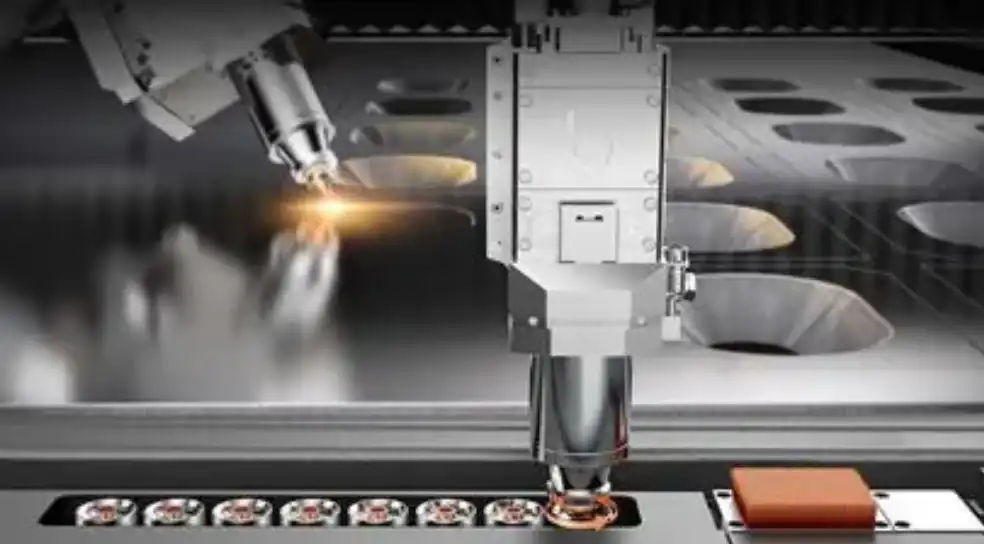
Several reputable companies globally manufacture P-Series fiber laser cutting machines, with a significant concentration in China, Germany, and Italy. Leading manufacturers include specialized firms like Shandong Yuhui Laser Technology Co., Ltd., along with established international brands that have developed robust P-Series product lines. These manufacturers typically focus on high-power enclosed laser systems designed for industrial-grade metal sheet processing. The P-Series designation generally indicates professional-grade equipment featuring automatic exchange worktables, fully enclosed protective structures, and laser power ranging from 3kW to 80kW, making them suitable for demanding production environments requiring both precision and efficiency.
Introduction
When OEM buyers or buying managers are looking for dependable providers of fiber laser cutting technology, they need to know which companies make P-Series Fiber Laser Cutting Machines in order to make smart purchasing decisions. The P-Series is a group of professional-grade enclosed laser cutting systems designed for ongoing industrial processes. They combine high accuracy with high output efficiency.
Choosing the right maker has a direct effect on your return on investment. This is because the quality of the machine's trustworthiness, its ability to be customized, and its compliance with international safety standards are all affected. This complete guide talks about the important things that engineers, wholesalers, and production managers need to think about when they are buying these high-tech metalworking systems. We look at what manufacturers can do, what their technical specs are, and how to make decisions that help you fit your unique production needs with the strengths of each supplier in today's global market.
Overview of P-Series Fiber Laser Cutting Machines
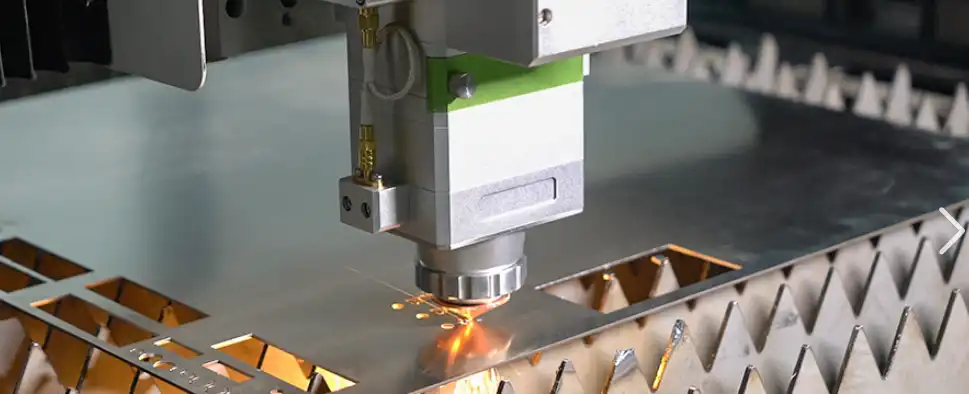
The technology behind P-Series Fiber Laser Cutting Machines is a big step forward in the way metal is worked on in factories. Fiber laser sources send high-energy beams to precision cutting heads through flexible optical wires. The focused energy melts or vaporizes material instantly along paths that have been set. Compared to traditional mechanical cutting methods, this method produces very good edges with little heat damage.
Core Technology and Industrial Applications
P-Series equipment is used in many different types of industry and has specific performance benefits. These devices are used to make car parts. They can do fast prototyping and make a lot of chassis parts with complicated 2D shapes. Heavy machinery makers count on P-Series machines to work with carbon steel plates that are thicker than 20 mm and keep the vertical cut edges clean of dross. These tools are used in the aircraft business to cut titanium and nickel alloys where the strict certification standards for material purity and dimensional accuracy are met. When making cases and frames out of thin materials, the narrow kerf width and few heat-affected zones are helpful for electronics manufacturing.
Key Technical Features
The details that describe professional-level laser cutting tools show why some performance standards are more important to buying teams. Depending on the type of material, power output runs from 3,000W to 80,000W, which means that anything from 0.5mm sheet metal to plates over 50mm thick can be processed. Positioning accuracy standards of ±0.02mm make sure that the tolerances for dimensions stay the same from one production run to the next. Acceleration speeds between 1.0G and 2.8G have a direct effect on cycle times and total output efficiency.
Modern fiber laser systems can convert energy at an efficiency of 35 to 40 percent, which means they use a lot less electricity than CO₂ laser options. Because the solid-state laser source design doesn't need to be filled with gas or go through complicated mirror adjustment steps, it requires much less upkeep. These operational benefits lead to lower total cost of ownership estimates that financial decision-makers look at when they do a purchase analysis.
Leading Manufacturers of P-Series Fiber Laser Cutting Machines
Professional P-Series Fiber Laser Cutting Machines are mostly made in a few key regions around the world. Each has its own benefits when it comes to developing new technology, making customization possible, and placing it in the market.
Chinese Manufacturing Excellence
Because they offer reasonable prices and better technology, Chinese companies have become the main suppliers of mid-range to high-end laser tools. This group includes Shandong Yuhui Laser Technology Co., Ltd., which has built up a wide range of production skills since its founding in 2021. The company makes things in modern factories in Weifang, Shandong Province. These factories have quality control systems that are approved to ISO9001 standards and CE compliance so they can sell their goods in Europe.
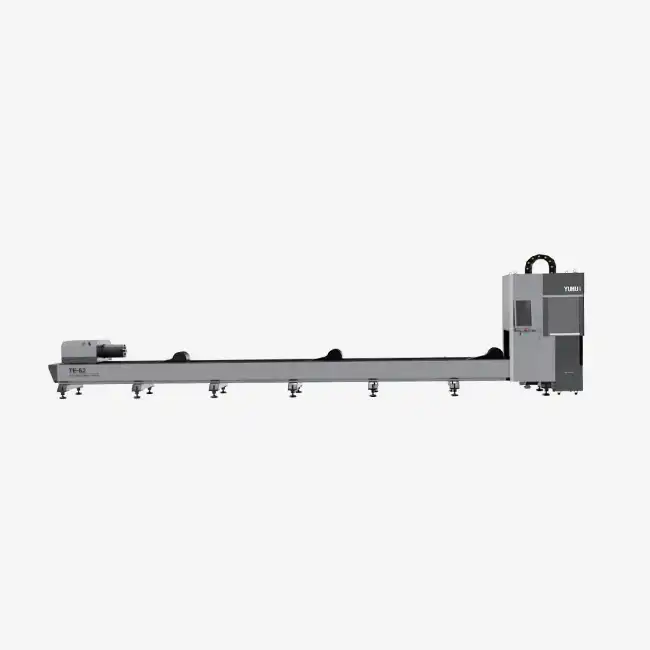
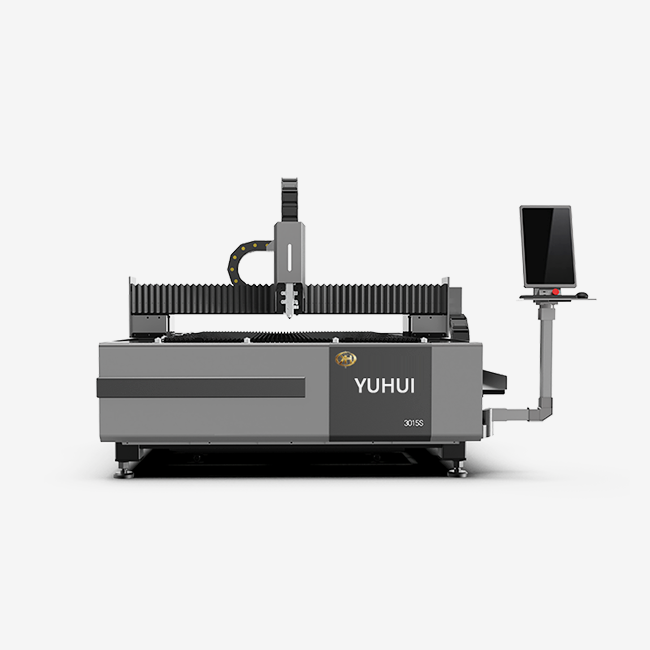
The YH-3015P to YH-8025P line from Yuhui Laser has the standard P-line architecture, and the plate working areas range from 3000x1500mm to 8000x2500mm. This type of machine has heavy-duty welding lathe beds made of high-strength carbon structural steel. These beds are strong enough to keep the machine's accuracy during fast movements. The automatic swap worktable setup cuts down on the time that is wasted between jobs, which is what sheet metal fabricators and contract manufacturers need to improve production efficiency.
The way the company works is similar to how the industry as a whole is moving toward customization. They offer changes to the structure, software, and smart technology integration that are all made to fit the needs of each production line. This adaptability is very helpful for OEM buyers and sellers who want to give private-label equipment or non-standard setups that set their products apart in the market.
European Engineering Standards
European companies usually put a lot of emphasis on precise building and extensive service networks. This is appealing to buyers who want long-term dependability and legal compliance. German and Italian manufacturers have good records for using advanced control systems and carefully checking the quality of their products through processes like laser interferometer testing and ball bar circularity verification.
Service and Support Infrastructure
Most of the time, the difference between makers is not in the basic specs but in how well they handle customer service. A warranty that covers more than the standard terms shows that the maker is confident in the product's reliability. Production teams can get the most out of their tools by using technical training programs that include hands-on teaching in operation and maintenance. Installation help from factory-trained technicians cuts down on the time it takes to get the system up and running and makes sure it works well with the facility's current infrastructure.
Having access to spare parts through regional distribution networks lowers the risk of downtime, which can have a big effect on production plans. When looking for providers of mission-critical production tools, it's important to know that companies that keep a lot of parts in stock can fill orders for those parts within days instead of weeks.
Comparing P-Series Fiber Laser Manufacturers: Key Decision Factors
It's not just the original purchase price that goes into procurement choices for P-Series fiber laser cutting machines; total lifetime costs and operating suitability are also important. When comparing suppliers of P-Series fiber laser cutting machines, you should carefully look at a number of things that make them different.
Technology Integration and Control Systems
Smart control architectures that allow Industry 4.0 connectivity are used by advanced makers. Bus-based systems that work with MES and ERP platforms can collect data on output to look at how efficient it is and plan repairs ahead of time. Auto-focusing cutting heads get rid of the need to manually change the beam, which makes the process more consistent and lowers the level of skill needed by workers. Back-reflection protection units keep expensive laser sources safe when working with highly reflective materials like copper and brass. They stop major damage that could mean longer downtime and more expensive fixes.
Pricing Models and Financial Flexibility
Inherently, manufacturing directly from plant sites is cheaper than going through multiple levels of distribution. This location helps suppliers like Yuhui Laser offer reasonable prices while keeping quality standards that are backed up by international certifications. Different budgets can be accommodated by different payment terms and financing plans. This is especially important for small and medium-sized producers who have to manage their cash flow while also investing in equipment.
Delivery Timelines and Production Capacity
Lead times have a direct effect on when projects can be planned and when money can be made. Manufacturers who keep a lot of goods on hand and improve their production processes can fill orders in two to three weeks instead of the months it takes for build-to-order operations. The 14-day production lead time at Yuhui Laser is an example of this ability to turn things around quickly. This is made possible by established transportation partnerships that ensure safe international shipping.
Energy Efficiency and Maintenance Requirements
Over the life of an item, operational costs add up to a lot. When compared to other technologies, fiber laser sources with 100,000-hour B10 life rates have much lower replacement costs. Protective windows and nozzles, which are easy to find at quality-focused providers, need to be checked and replaced on a regular basis as part of cutting head upkeep. Not only laser source rates should be used to figure out how much energy a system uses; chillers and air-handling equipment should also be taken into account.
How to Choose the Right P-Series Fiber Laser Cutting Machine Manufacturer
To match a manufacturer's skills to specific operating needs for P-Series Fiber Laser Cutting Machines, you must first have a clear picture of the production factors and the expected growth in the future. Selecting the ideal P-Series Fiber Laser Cutting Machine requires a structured evaluation process that goes beyond basic specifications.
Defining Production Requirements
The material specs tell you how much power you need and how fast you can cut. Stainless steel, aluminum, and carbon steel are all processed in different ways, which affects the best laser wavelength and choice of helper gas. Projections of production volumes help with choosing between single and dual swap table layouts and figuring out why higher levels of automation are economically necessary. The power reserves you need to keep working at the same speed across the whole range of materials depend on the thickness ranges you expect for your product mix.
Evaluating Credentials and Compliance
Certification paperwork is concrete proof of the safety and quality of the product and the way it was made. ISO9001 approval proves that established quality management systems are in place to guide the design, production, and testing processes. CE marking means that the product meets the safety, health, and environmental standards of the European Union. This is necessary for equipment that works in European centers or is sent to European dealers. Depending on the target market and type of product, FDA registration may be needed.
China named Yuhui Laser a national high-tech enterprise in 2025. This honors the company's significant research and development spending and ability to come up with new ideas, which are signs of its technological strength and ongoing product development. These qualifications set serious makers apart from equipment assemblers who don't have their own engineering staff.
Assessing Customization and Growth Alignment
As a business adds new products and looks for new market possibilities, its production needs change. Manufacturers who have a history of customizing products can change the designs of their products to meet new needs. Software that can be changed can be integrated with certain CAD/CAM systems or automatic tools for moving materials. Customization choices for the structure help with limited room or special loading needs.
When deciding how to use tools for a long time, the availability of upgrade lines is important. Can the control system handle laser sources with more power as the thickness of the material needs to be increased? Is the mechanical structure strong enough to keep the accuracy even if software optimization speeds up the cutting process? These scale issues have an impact on the useful life and total value realization of tools.
Learning from Industry Case Studies
Looking at methods that worked well gives us useful information about how manufacturers do in real production situations. Manufacturers who know how to optimize for multiple materials can help metal production shops that work with a variety of materials. Automotive companies that need automatic material handling systems to work closely with their products need partners who know how to integrate controls. Contract makers who work with a wide range of clients like the configuration freedom that full customization offers.
Conclusion
When choosing a company to make a P-Series Fiber Laser Cutting Machine, you need to think about a lot of things, including technical specs, service options, price, and the possibility of a long-term relationship. China's Shandong Yuhui Laser Technology Co., Ltd. and other companies have created great value by offering reasonable prices, international quality standards, fast delivery, and a wide range of customization services. The YH-3015P to YH-8025P line shows how modern P-line design can be used to meet the needs of a wide range of industries. For procurement to go well, practical needs must be clearly defined, producer credentials and support infrastructure must be carefully evaluated, and communication lines must be set up to allow for ongoing technical collaboration. The manufacturers who can best help you reach your production goals are those who not only create high-quality equipment but also care about their customers' success by providing quick service, open communication, and the ability to change to changing production needs.
FAQ
What distinguishes P-Series fiber laser cutting machines from standard models?
P-Series machines usually have enclosed structures with automatic swap worktables that allow continuous operation, higher power ranges that are good for processing thick plates, and stronger mechanical structures made for industrial job cycles that happen 24 hours a day, seven days a week. These professional systems put both production efficiency and user safety first by including full protective containers that control fume extraction and lower noise levels.
How can buyers verify manufacturer authorization and product authenticity?
Requesting official documents like business licenses, approvals for manufacturing facilities, and reports on product quality inspections proves that the business is real. Video calls or views of the building show that the production company can do more than just make marketing materials. References from current customers in similar businesses are a reliable way to back up claims about performance and service quality.
What delivery timeframes should buyers expect?
Lead times vary a lot depending on how the maker stores their goods and how much customization is needed. Standard setups from companies that keep stock may be sent out within two to four weeks. Custom setups usually add six to twelve weeks to the time frame, but this depends on how complicated the changes are. Making delivery promises clear in purchase deals helps keep projects on schedule.
How do maintenance requirements impact operational planning?
Regular maintenance for fiber laser systems mostly includes checking and cleaning the optical parts in the cutting head. Trained workers can do this with the help of manufacturer-provided instructions. Maintenance periods for laser sources usually last longer than 30,000 working hours. By keeping extra parts for wearable parts like protective glasses and cutting nozzles on hand, you can avoid long periods of downtime while you wait for orders.
Partner with Yuhui Laser for Your Fiber Laser Cutting Needs
Yuhui Laser has approved P-Series Fiber Laser Cutting Machines ready to help you with your metal manufacturing needs. These machines are built to be reliable and work well. With CE and ISO approvals and military-grade THF4 optical parts, our YH-3015P through YH-8025P types give your production the accuracy and speed it needs. We keep a lot of inventory on hand, which lets us offer 14-day production wait times and a wide range of customization options to meet your unique processing needs. Our 450-day after-sales service pledge gives you more time to get technical help, which saves your equipment investment. As a well-known company that makes P-Series Fiber Laser Cutting Machines and works with factories and wholesalers around the world, we can offer you factory-direct prices that make the most of your budget for buying things. Email our expert team at jianghui@yuhui-laser-tech.com to talk about the details of your project and get a full quote that fits your needs.
References
1. Zhang, W., & Liu, H. (2023). Advanced Fiber Laser Cutting Technology in Modern Manufacturing. Industrial Laser Applications Press.
2. European Committee for Standardization. (2024). Safety Requirements for Laser Processing Machines - EN ISO 11553 Compliance Guide. CEN Technical Publications.
3. Williams, J. R. (2022). Comparative Analysis of Industrial Cutting Technologies: ROI and Performance Metrics. Manufacturing Technology Research Institute.
4. Chen, L., Wang, Q., & Anderson, M. (2024). Quality Control Standards for High-Power Fiber Laser Systems. International Journal of Precision Engineering and Manufacturing, 25(3), 487-502.
5. Thompson, D. (2023). B2B Procurement Strategies for Industrial Laser Equipment: A Practical Framework. Supply Chain Management Publications.
6. International Laser Safety Association. (2024). Best Practices in Laser System Selection and Implementation for Metal Fabrication. ILSA Industry Guidelines Series.
Contact us directly for customized solutions, quotations and long-term strategic cooperation.