- English
- French
- German
- Portuguese
- Spanish
- Russian
- Japanese
- Korean
- Arabic
- Greek
- German
- Turkish
- Italian
- Danish
- Romanian
- Indonesian
- Czech
- Afrikaans
- Swedish
- Polish
- Basque
- Catalan
- Esperanto
- Hindi
- Lao
- Albanian
- Amharic
- Armenian
- Azerbaijani
- Belarusian
- Bengali
- Bosnian
- Bulgarian
- Cebuano
- Chichewa
- Corsican
- Croatian
- Dutch
- Estonian
- Filipino
- Finnish
- Frisian
- Galician
- Georgian
- Gujarati
- Haitian
- Hausa
- Hawaiian
- Hebrew
- Hmong
- Hungarian
- Icelandic
- Igbo
- Javanese
- Kannada
- Kazakh
- Khmer
- Kurdish
- Kyrgyz
- Latin
- Latvian
- Lithuanian
- Luxembou..
- Macedonian
- Malagasy
- Malay
- Malayalam
- Maltese
- Maori
- Marathi
- Mongolian
- Burmese
- Nepali
- Norwegian
- Pashto
- Persian
- Punjabi
- Serbian
- Sesotho
- Sinhala
- Slovak
- Slovenian
- Somali
- Samoan
- Scots Gaelic
- Shona
- Sindhi
- Sundanese
- Swahili
- Tajik
- Tamil
- Telugu
- Thai
- Ukrainian
- Urdu
- Uzbek
- Vietnamese
- Welsh
- Xhosa
- Yiddish
- Yoruba
- Zulu
Best automatic knife changing engraving and cutting machines for small businesses
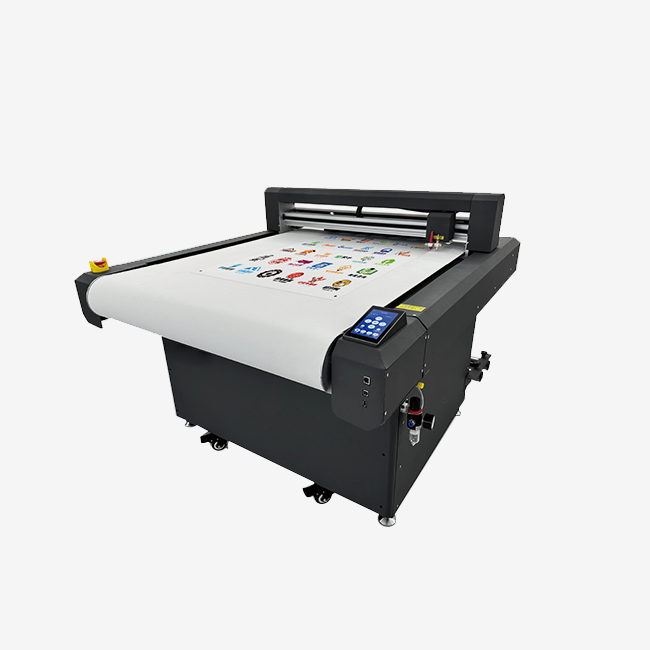
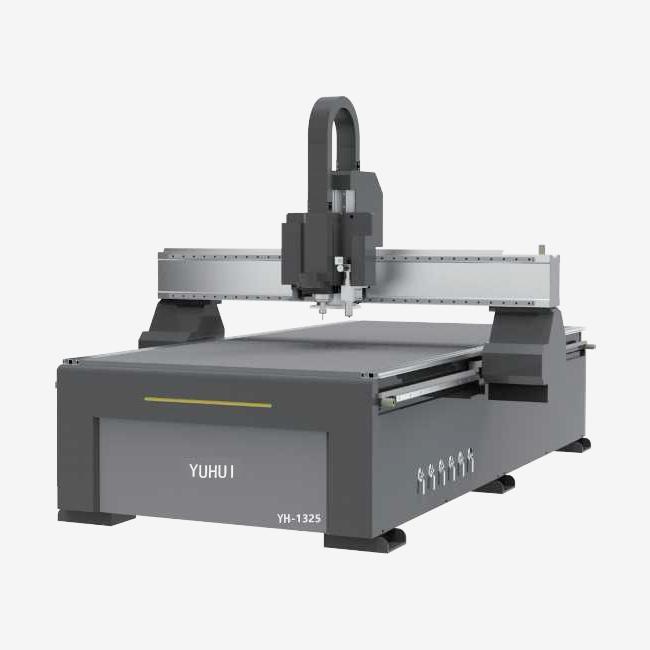
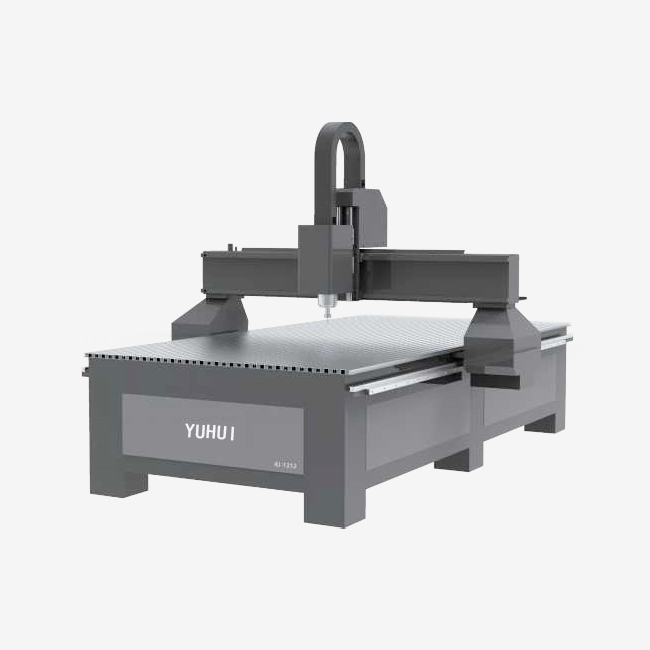
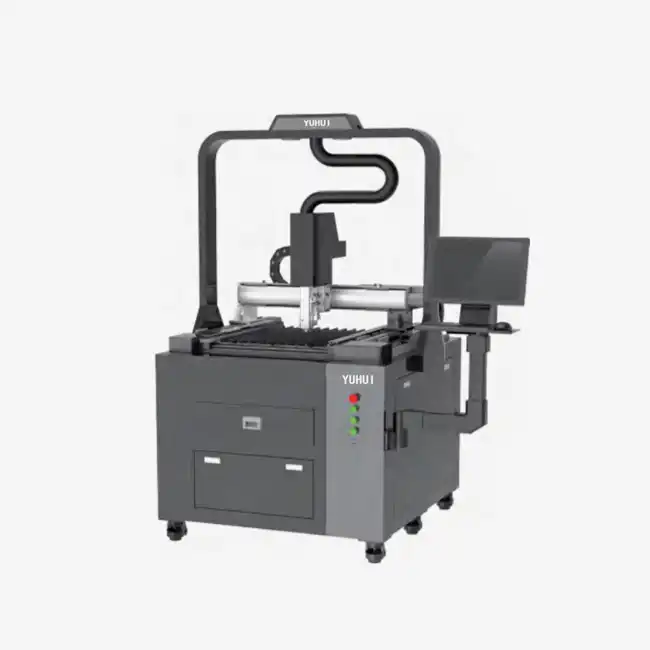
When small businesses look for the best Automatic Knife Changing Engraving and Cutting Machines, precision CNC systems with built-in Automatic Tool Changer (ATC) technology stand out as investments that will change everything. These machines get rid of the need to change tools by hand, cut down on production slowdown, and provide consistent ±0.1mm machining accuracy across a wide range of materials, such as solid wood, MDF, aluminium composite panels, and industrial plastics. Their three-head design and high-speed spindles make it easy to switch between engraving, drilling, and contour cutting tasks. This makes them perfect for custom furniture makers, sign fabricators, and part manufacturers who want to make more without having to pay their workers more.

Understanding Automatic Knife-Changing Engraving and Cutting Machines
Automatic knife-changing engraving and cutting machine technology is a big change in how small manufacturing businesses do multi-process production. Traditional manual systems need operators to stop work, switch tools, and recalibrate the Z-axis offsets. These advanced CNC systems, on the other hand, use intelligent magazine assemblies that change cutting bits based on G-code instructions.
There are either linear or carousel-style magazines on the gantry or under the work surface that make up the main mechanism. When the control system tells the machine that it needs to change tools, it automatically puts the current bit back into its magazine spot and gets the next tool that was asked for. This process usually takes less than eight seconds. This fast-switching feature directly fixes three major problems that small businesses have: lowering labor costs, increasing production throughput, and making sure that quality stays the same across batch runs.

Why Small Businesses Need This Technology
Changing tools by hand wastes valuable production time and introduces human error that lowers the accuracy of measurements. When spindle cooldown, manual bit insertion, and probe-based length adjustment are taken into account, a skilled user might need three to five minutes per tool swap. This adds up to more than an hour of wasted time during a production day with fifteen different types of materials and processes.
Automated systems get back this lost capacity while also making it easier for people with less skill to operate machines. New workers can do complicated multi-process jobs that used to require years of experience. This gives the workforce flexibility, which is very helpful during times of growth or sudden hiring changes.
Material Versatility and Processing Capabilities
Today's Automatic Knife Changing Engraving and Cutting Machines can work with a wide range of material types in the same production run. With the 9KW spindle power and BT30 tool holder compatibility, operators can work with soft materials like foam and rubber at high speeds and then switch right away to harder substrates like aluminium sheets or carbon fibre composites without having to do anything by hand. Because of this, the technology is especially useful for job shops and custom makers who serve a lot of different types of customers from one location.
Types and Technical Specifications of Automatic Knife-Changing Machines
The market has a range of configurations of the Automatic Knife Changing Engraving and Cutting Machine that can be used to meet different operational needs and budget constraints. Knowing these differences helps buying teams choose equipment that meets current capacity needs while still leaving room for the business to grow.
Three-Head Multi-Functional Systems
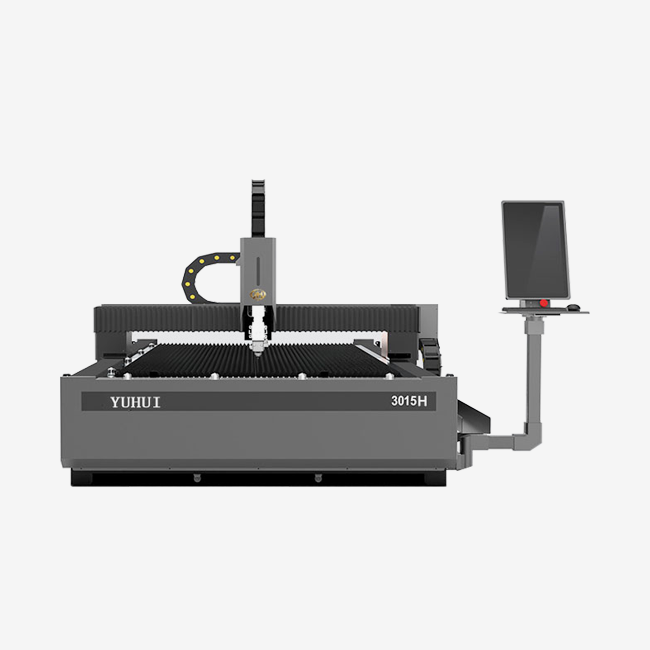
The most flexible setup has two extra cutting heads on either side of a high-speed tool-changing shaft. This method is shown by Yuhui Laser's design, which has a main spindle that spins at 24,000 rpm and two extra heads that can be set up with fixed tools for repeated tasks. This layout lets one head do rough cutting at the same time while the ATC spindle does precise engraving work. Compared to single-spindle options, this cuts cycle times by 40–60%.
Critical Technical Parameters
The size of the work area has a big effect on how efficiently things are made. The 2000×3000mm bed can hold full-size sheets, so there's no need for extra repositioning that can cause tolerance stack-up errors. Running speeds of up to 60m/min and fast traverse rates make sure that the machine cuts for as long as possible instead of moving between features.
Specifications for machining precision should be carefully looked over. The placement accuracy of ±0.1mm is kept across the whole working area, which allows for tight-fitting joinery in furniture applications and accurate registration for multi-layer signage work. This accuracy comes from helix rack systems that are precisely ground and high-inertia servo motors that keep the machine from moving while it's cutting aggressively.
How well process integration works depends on how well the software works together. Standard CAD/CAM platforms like ArtCAM, Vectric Aspire, and Fusion 360 can be used on machines that have the right post-processors set up. This lets creators work in familiar settings without having to learn how to use proprietary systems. Native support for DWG, DXF, PLT, AI, and GPJ formats makes it easy to share files with designs provided by customers.
Vacuum Adsorption and Material Fixturing
The two 5.5KW adsorption motors work together to give 11KW of holding power, which is spread out among zone-controlled hoover tables. This strong fixturing system holds thin materials and odd shapes securely that mechanical clamps can't always do. This is especially important when working with aluminium composite panels for building projects or thin plywood for furniture parts that fit together. The 3KW secondary cleaning system keeps the negative pressure even when working with materials that have surfaces that are slightly porous.
Comparing Automatic Knife Changing Machines with Manual and Fixed Blade Options
When choosing between automatic knife-changing engraving and cutting machines and other options, it's important to look at the total cost of ownership instead of just the initial capital cost. Even though manual machines are cheaper to buy, the difference in how much they cost to run quickly cancels out this apparent benefit.
Efficiency and Labor Cost Analysis
When changing tools by hand, the user has to pay close attention to each swap cycle. By comparing hourly labour rates to the number of times tools need to be changed every day, you can see that there are big ongoing costs. A factory that changes twelve tools every day, taking four minutes for each change, needs 48 minutes of work, or about 10% of an eight-hour shift, to do things that aren't useful. In a working year with 250 days, this is the cost of labor for 200 hours, or five full workweeks, with no output.
Automatic systems free up this space for production that makes money while lowering the risk of operator tiredness and injuries at work that come with doing the same thing over and over again. For businesses with only one shift, the extra cost of the system usually pays for itself in 18–24 months, just from the savings in labor.
Quality Consistency and Less Waste
When tools are installed by hand, they can be longer or shorter than expected, or they can move out of place, which can affect the quality of the cut. Even operators with a lot of experience sometimes seat bits incorrectly, leaving depth differences or chatter marks that need to be fixed or thrown away. This variation is taken care of by precision-ground spindle tapers and pneumatic drawbar systems in automatic tool changers, which make sure that the holding force and tool sitting depth are always the same.
This level of regularity directly leads to lower scrap rates and higher first-pass return. When manufacturing companies switch from manual to automatic systems, they report 15–25% less material waste and higher customer satisfaction levels when it comes to accuracy in measurements and quality of the finish.
Choosing the Best Machine for Your Small Business
To choose the best automatic knife-changing engraving and cutting machines, you need to carefully look at your production needs, your budget, and the skills of your suppliers. Before hiring sellers, procurement teams should come up with clear selection criteria that allow for a fair comparison of different products.
Evaluation of Production Capacity
Start by figuring out how much throughput is needed now and how much is expected to grow in the future. Figure out how much you need to make every day for each type of material and amount of complexity, then find the processes that slow down production. Three-head machines can handle 40–60% more output than single-spindle systems. This makes them a good choice for facilities that are getting close to the limits of their current equipment or that want to add new product categories.
The working area is 2000×3000mm and can hold standard sheet goods that are used to make furniture, signs, and architectural parts. Smaller companies that mostly work with sub-sheet sizes might want to look into more small machines, but the full-sheet ability gives them more options as their customers' needs change.
Financial Considerations and ROI Modeling
When you buy from makers like Yuhui Laser directly, you don't have to pay the markups that distributors do. This means that you need 20–35% less cash than when you buy branded equipment through dealer networks. The 14-day production lead time allows for quick capacity growth without long order lead times that make it harder to plan production.
When you do financial modelling, you should include the total cost of ownership, which includes repairs, replacement parts, and training for the user. The THF4 military-grade lens lasts 1.5 times longer than regular optics, which means it doesn't need to be replaced as often and doesn't cost as much during downtime. The full 450-day guarantee covers more than the usual amount of time, which is what the industry standard is.
Supplier Reliability and Support Infrastructure
The ability to provide technical support has a big effect on how productive equipment is in the long term. Check how responsive the supplier is by talking to them during the first consultation and judging their technical knowledge and how well they can communicate. Manufacturers who offer installation help, operator training programs, and ongoing technical support keep workers from losing output when they have to learn how to use new equipment.
It is very important for companies that work with regulated industries or foreign markets to have CE and ISO certifications that show they follow international quality and safety standards. These certificates show that quality management is used throughout the whole manufacturing process, not just during the end inspection.
Maintenance, Safety, and Troubleshooting Best Practices
Proactive maintenance plans keep the Automatic Knife Changing Engraving and Cutting Machine running longer and more efficiently. Setting up regular service schedules keeps small problems from getting worse and stopping production.
Preventive Maintenance Protocols
As the first step in daily maintenance, clean the tool holders with lint-free cloths and approved solvents to get rid of the dust and cutting residue that has built up. This easy step keeps trash from getting in the way of the tool's setting and keeps the clamping force constant. Weekly inspections of the pneumatic system and cleaning of the magazine rails make sure that tool swap goes smoothly.
Every month, calibration checks make sure that the positioning is correct across the whole working area. By placing precise dial markers on several beds, you can find out if the linear motion system isn't working as well as it should before it affects the quality of the parts. Most of the time, the machine control system has troubleshooting tools that do a lot of this checking for you.
Safety Rules and Protecting the Operator
CE certification makes sure that the product meets European safety standards for things like machine guarding, emergency stop functionality, and electrical safety isolation. During training, operators should be taught how to use lockout/tagout methods when adding tool magazines and how important it is to keep areas around the machine clear when it is running automatically.
The hoover adsorption system needs to have its hose connections and filter elements checked every so often. Keeping the right amount of negative pressure on the subject stops it from moving during cutting, which could lead to mistakes in the measurements or damage to the tools. To keep the pressure even across the table surface, quickly replace any hoover pods that are worn out or broken.
Common Issues and Diagnostic Approaches
Problems with magazine alignment or not enough pneumatic pressure in the drawbar system are the main causes of failed tool changes. The error codes on the control panel help you figure out what's wrong. The user guidebook has more information on these codes. A lot of problems can be fixed by doing simple things like clearing out magazine slots that are clogged or adjusting air pressure regulators.
If the spindle run-out is greater than the allowed range, it means that the bearings are worn out or that debris has built up in the taper. This wear and tear can be stopped by cleaning the bearings regularly and replacing them as recommended by the maker. During quality control, a 48-hour continuous aging test finds any possible mechanical problems with equipment before it ships. This lowers the number of failures that happen in the field.
Industry Applications and Future Trends
Automatic knife-changing engraving and cutting machine technology is used in many different types of industries, and these systems help all of them be more efficient and make better products.
Custom Furniture and Cabinetry Production
Custom furniture making has been changed forever by the ability to drill, route, and profile complicated cabinet parts in a single setup. Operators load full sheets, start production files, and get finished parts that are stacked and ready to be put together. This process gets rid of the need to set up by hand between tasks and makes sure that the spacing between holes is exactly right, which is important for installing hardware and putting it together correctly.
Signage and Building Fabrication
Automatic tool changes between operations make it easy to make multi-layer 3D signs that need V-grooving, contour cutting, and detailed engraving. The machine changes from shallow engraving bits for text details to full-depth cutters for trimming around the edges, always making sure that the registration is correct throughout the whole process. This combined method is especially helpful when making aluminium composite panels for building facades.
Using New Technologies Together
AI and machine learning algorithms are starting to make it easier to make the best tool paths and figure out when maintenance needs to be done by looking at how the tools are used. These smart systems look at past production data to suggest the best cutting settings for new materials. This cuts down on setup time and raises the success rate of the first product.
Sustainability efforts lead to the creation of spinning motors that use less energy and better dust collection systems that get rid of particles more efficiently. The zone control feature of the vacuum adsorption system saves power by turning on only the table parts that are actually supporting the workpieces instead of the whole area all the time.
Conclusion
Automatic Knife Changing Engraving and Cutting Machines make small businesses that are ready to automate tremendously more productive. The three-head design, quick tool exchange, and precision machining performance solve important manufacturing problems like lowering labour costs, making sure quality is consistent, and limiting production capacity. Through its factory-direct method, Yuhui Laser offers affordable access to CE-certified equipment that comes with full expert support and a longer warranty period. The 14-day production lead time and OEM customisation options make sure that solutions are exactly what is needed for operations. This makes these systems smart investments that can grow with your business as it grows and as market needs change.
FAQ
1. What materials can automatic knife-changing machines process effectively?
These systems can work with a lot of different materials, like solid hardwoods, MDF, and plywood; plastics like acrylic, PVC, and polycarbonate; composites like carbon fibre sheets and aluminium composite panels; and soft metals like copper, brass, and aluminium. The 9KW spindle power and changeable speed control can be used to cut different materials, and the clever tool magazine can hold bits that are best for each type of substrate.
2. How long does the typical tool change cycle require?
Automatic tool changers of good quality can change tools in less than eight seconds, from releasing the tool to starting the wheel again. This fast cycle cuts down on time spent not working and keeps the production flow going. The precision-ground spindle taper and pneumatic drawbar system make sure that the tool setting and run-out specs stay the same over thousands of change cycles without affecting performance.
3. What kind of training do operators need?
Knowing how to use a CNC machine is enough for most users to get started. The easy-to-use control panel and G-code compatibility with common CAM software make it easier to load and run programs. Yuhui Laser gives full training to operators that includes how to run the machines, handle the tool magazines, and do regular upkeep. It usually takes two to three days for skilled CNC operators to become production-ready.
Partner with Yuhui Laser for Your Automatic Knife Changing Engraving and Cutting Machine Needs
Yuhui Laser Technology makes precise equipment that is both affordable and made for small businesses that are growing and want to gain a competitive edge through automation. Our Automatic Knife Changing Engraving and Cutting Machine supplier offers full OEM customisation, quality assurance that is CE-certified, and factory-direct pricing that doesn't include markups for distributors. You can be sure that your investment will work well for a long time because it comes with a 450-day insurance and a helpful technical support team based in Shandong. Send an email to jianghui@yuhui-laser-tech.com to talk to one of our engineering experts about your specific application needs and get full technical specifications. We provide customised solutions within 14-day business days, along with full installation instructions and training programs for operators that speed up your way to full production capacity.
References
1. Manufacturing Technology Association (2024). "Automation Impact on Small Business Productivity in CNC Operations." Industrial Equipment Quarterly, Vol. 47, pp. 112-128.
2. Chen, W. & Rodriguez, M. (2023). "Comparative Analysis of Manual versus Automated Tool-Changing Systems in Mid-Volume Production Environments." Journal of Manufacturing Systems Engineering, Vol. 35, No. 4, pp. 289-304.
3. European Committee for Standardization (2024). "Safety Requirements for Computer Numerical Control Woodworking Machinery with Automatic Tool Changers." EN 690-2:2024 Standards Documentation.
4. Thompson, R. (2023). "Total Cost of Ownership Models for Small Manufacturing Equipment Investments." Production Economics Review, Vol. 19, No. 2, pp. 67-82.
5. International Furniture Manufacturing Association (2024). "Technology Adoption Trends in Custom Cabinetry Production 2020-2024." Annual Industry Report, pp. 45-63.
6. Nakamura, H. & Fischer, K. (2023). "Precision Measurement Techniques for CNC Machine Tool Calibration and Maintenance." Metrology and Quality Assurance Journal, Vol. 41, pp. 156-171.
Contact us directly for customized solutions, quotations and long-term strategic cooperation.